
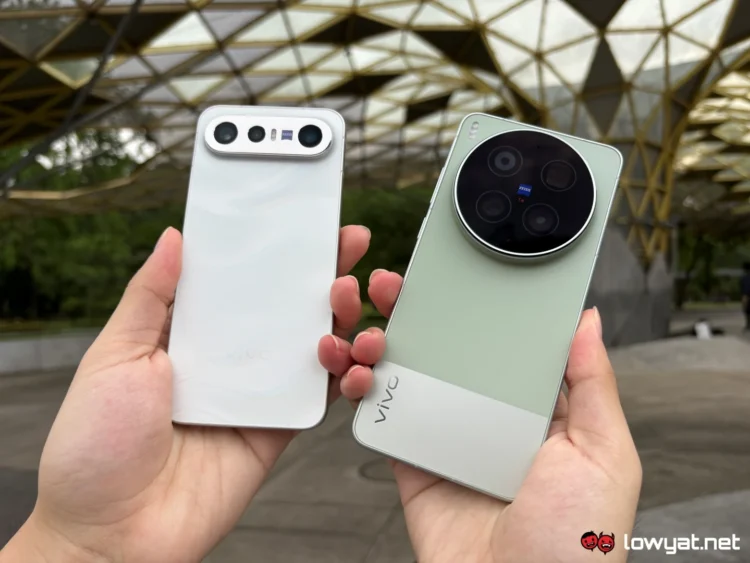
Counterintuitively, these days a flagship device rarely means what it says on the in anymore. Instead, it more commonly refers to a range of products. As a result, some devices are more flagship than others. But that doesn’t mean that the runt of that particular litter is anything less than impressive. An example of both are the vivo X300 Ultra and X300 FE respectively.
Between the two, you have the ultimate mobile photography experience, or at least something close to that, and a device that meets and exceeds the essential needs of mobile photography. On one end of the spectrum, you have three cameras that represent equivalents of the four commonly used focal lengths in photography. On the other is a more straightforward triple-camera setup that lets you just point-and-shoot. Of course, which is for you simply depends on the lengths to which you want to go.
vivo X300 Ultra
Three Lenses, And More, In Your Pocket
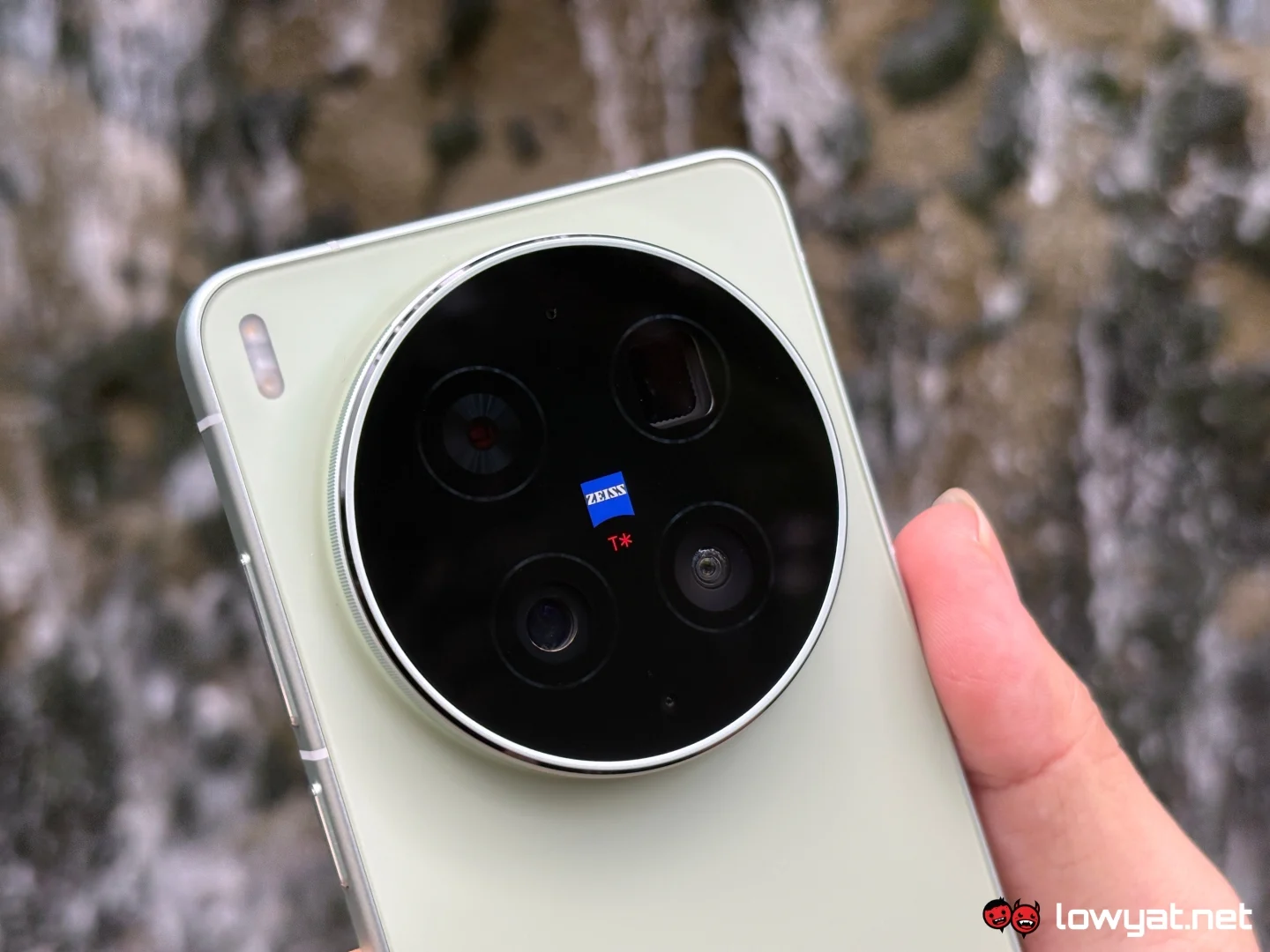
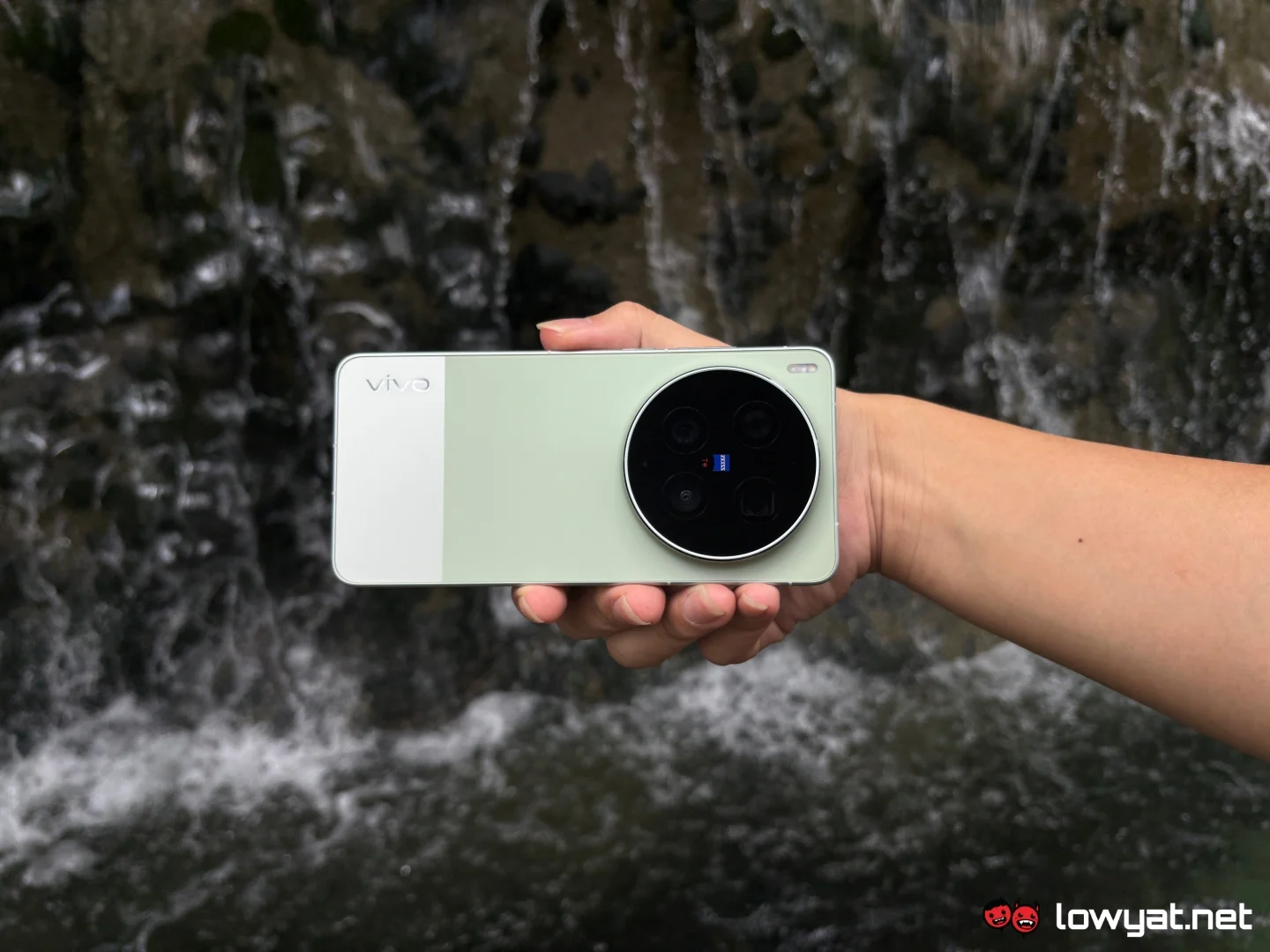
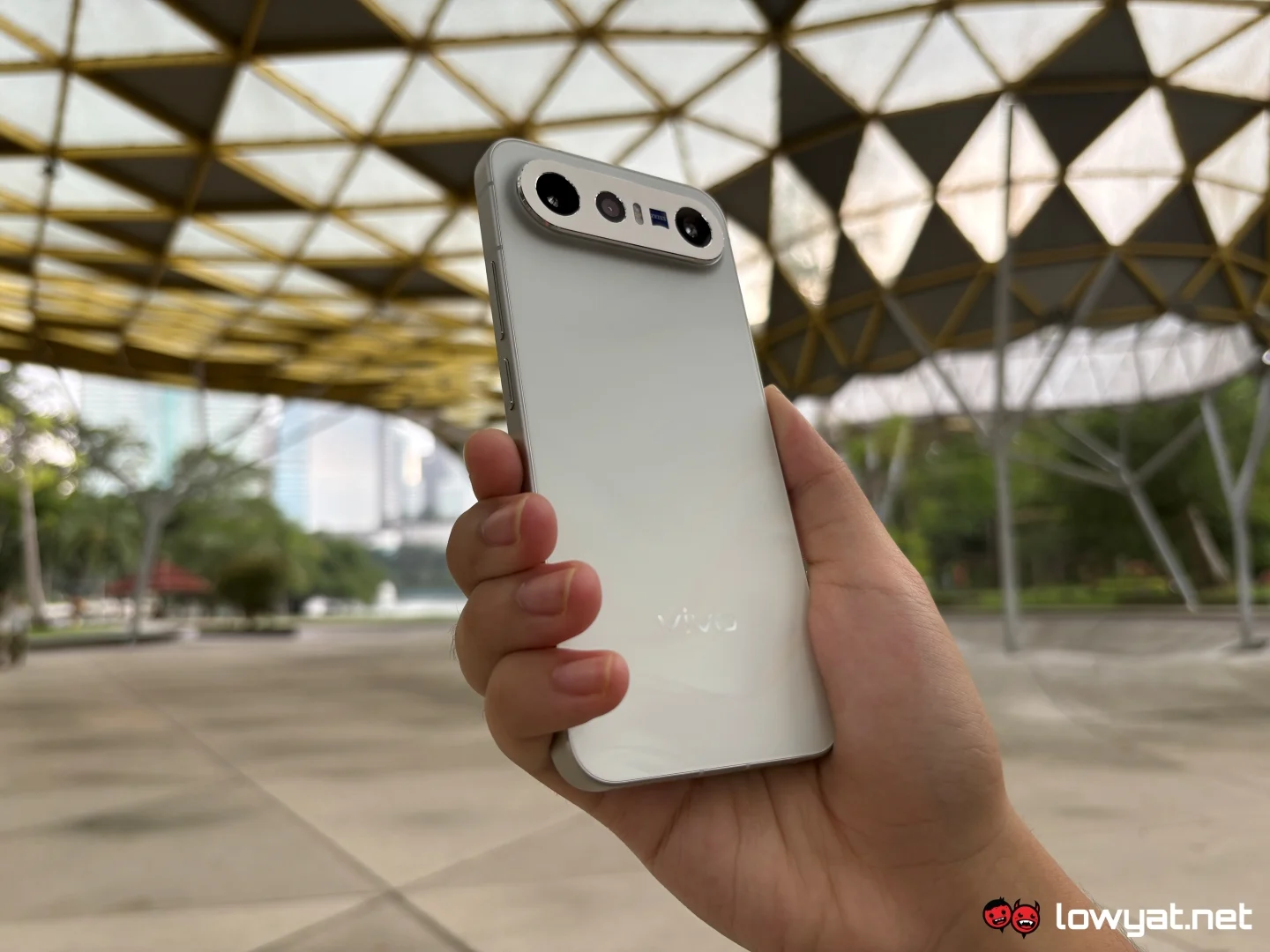
You may think that the vivo X300 Ultra has as many cameras as it does at the back simply because it’s what’s demanded of a flagship phone. But as the series has done for a few generations now, each unit corresponds to a specific focal length that you’d get on a conventional camera lens.
For instance, the main 200MP unit is made to simulate shooting with a 35mm focal length on a camera. This makes use of the Sony LYTIA 901 1/1.12-inch sensor with 0.7 micrometer pixels. The large sensor allows for larger pixels despite the high pixel count, which allows for more light to be taken in. This, in turn, results in sharper images in conditions with less-than-ideal lighting. For the lenses themselves, they feature what’s called the ZEISS T* coating, which reduces reflections, and boosts light transmission as a result.
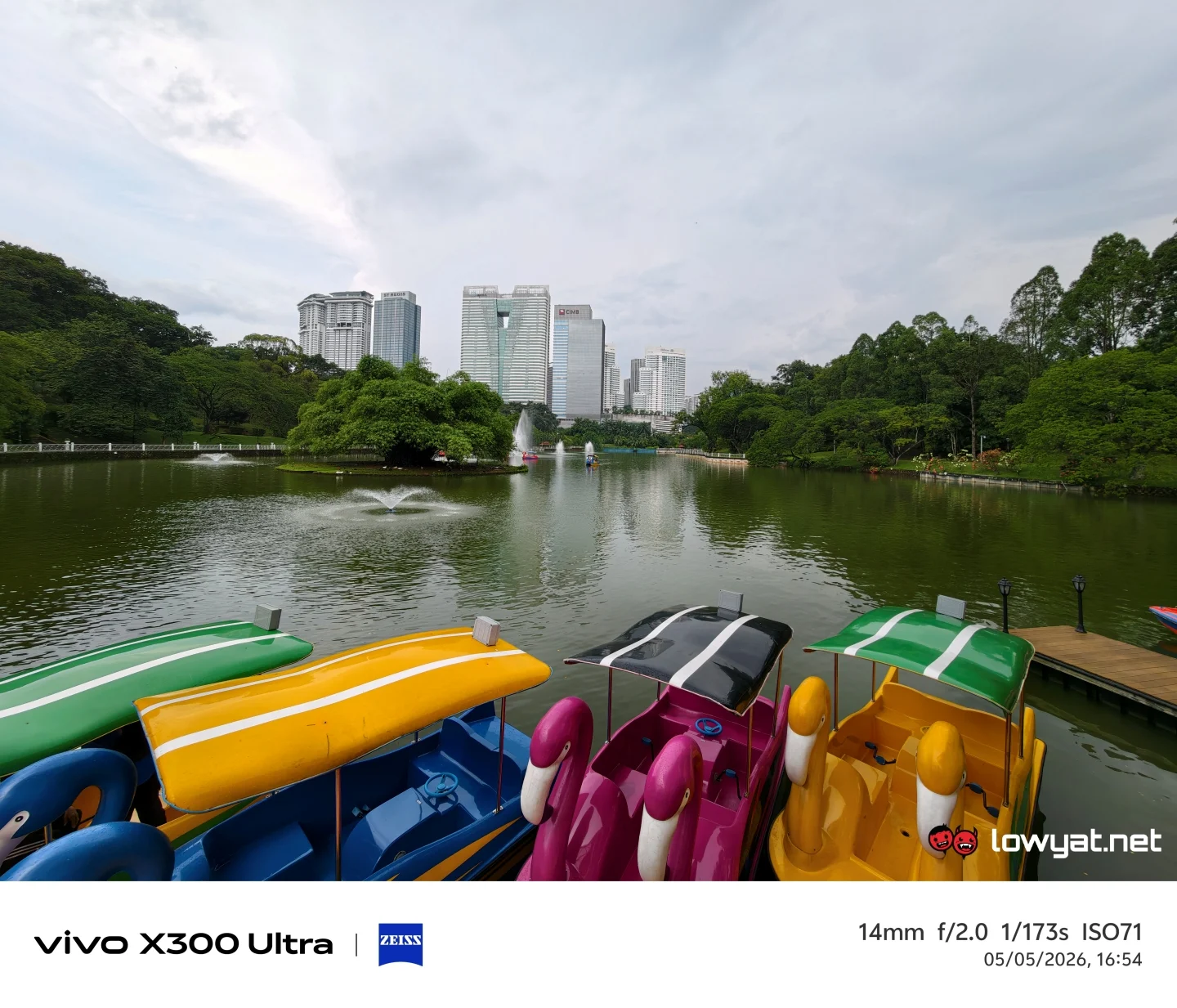
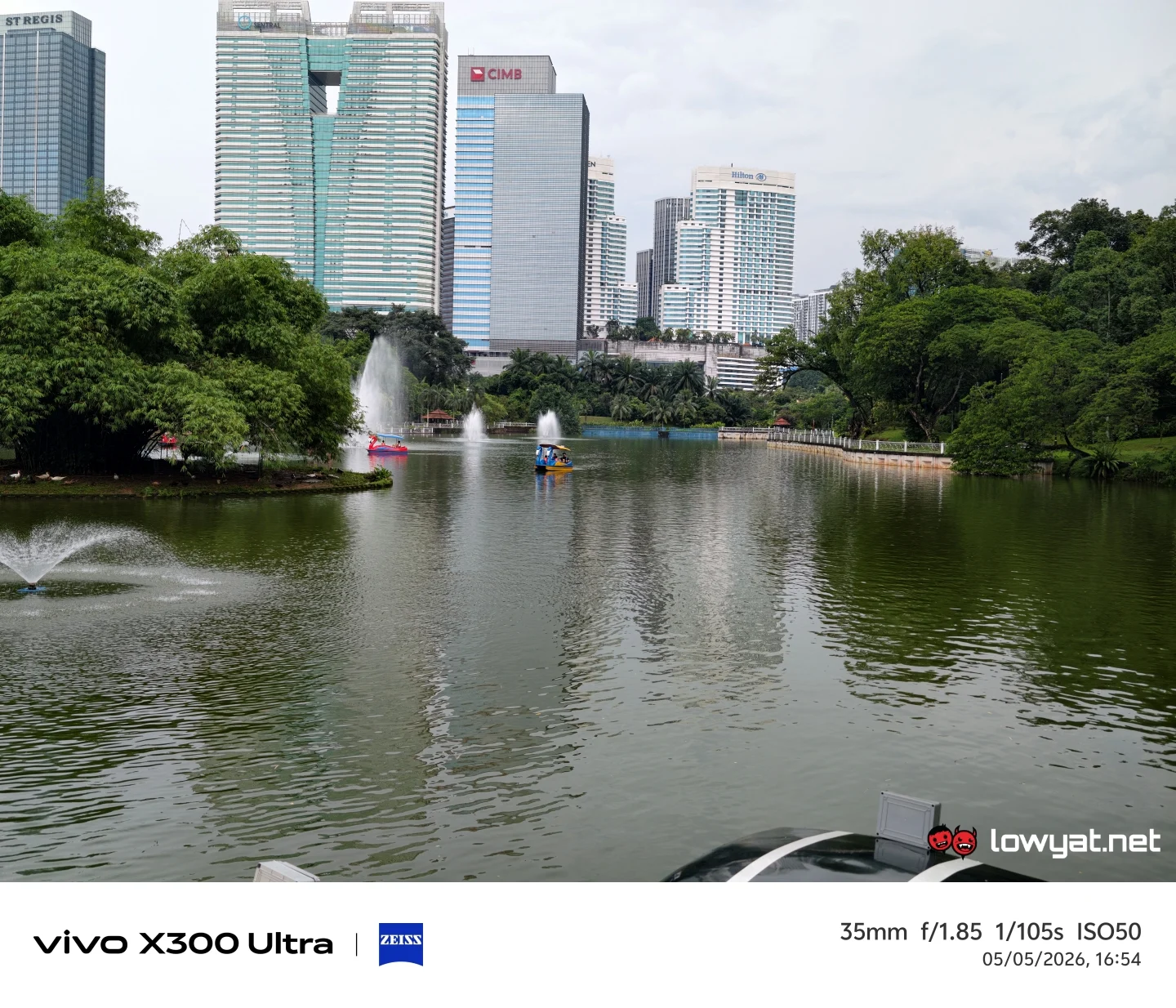
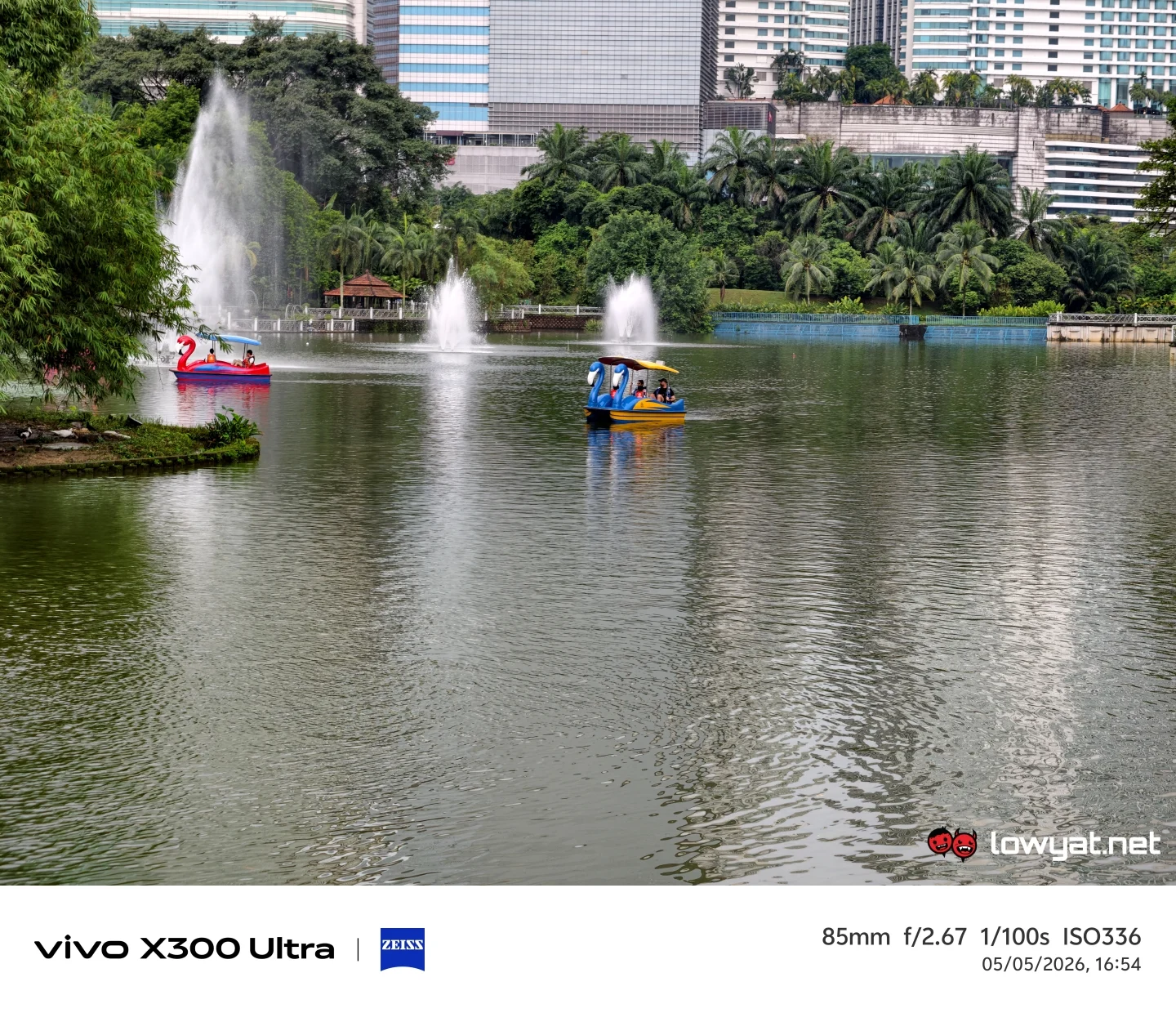

It’s not just hardware that makes it all work either. The camera unit also incorporates what vivo calls LN4 Multi-Stage Lossless Noise Reduction tech. This reduces noise levels and further enhances low-light photography performance.
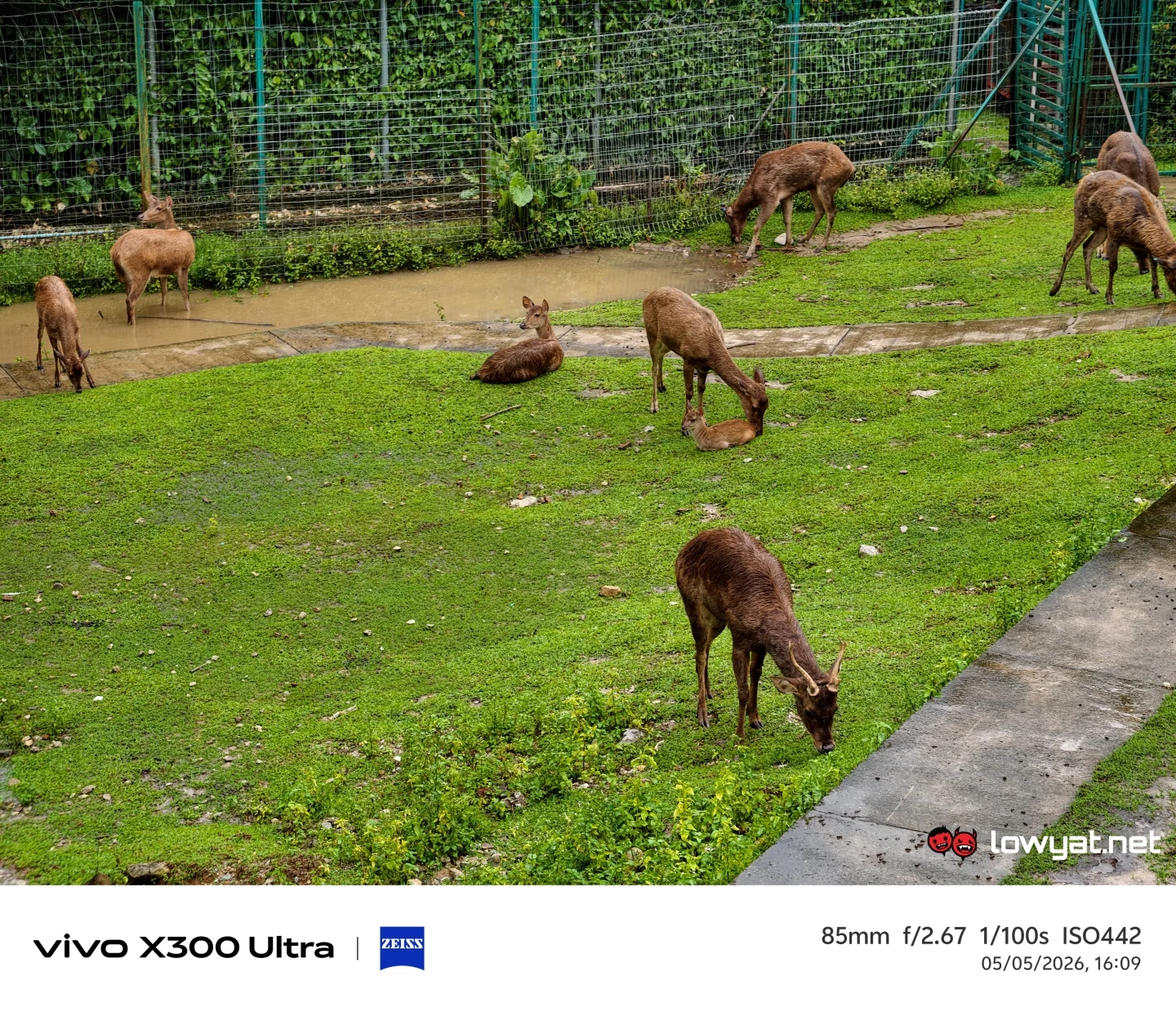
Then there’s the 200MP telephoto camera unit that does 85mm equivalents, and further. This uses the Samsung ISOCELL HP0 sensor instead. vivo says that this one meets the ZEISS APO chromatic aberration control standard for even more accurate colours. This is also the one that the phone uses when you engage its Snapshot mode, which enables 60fps AF Tracking.
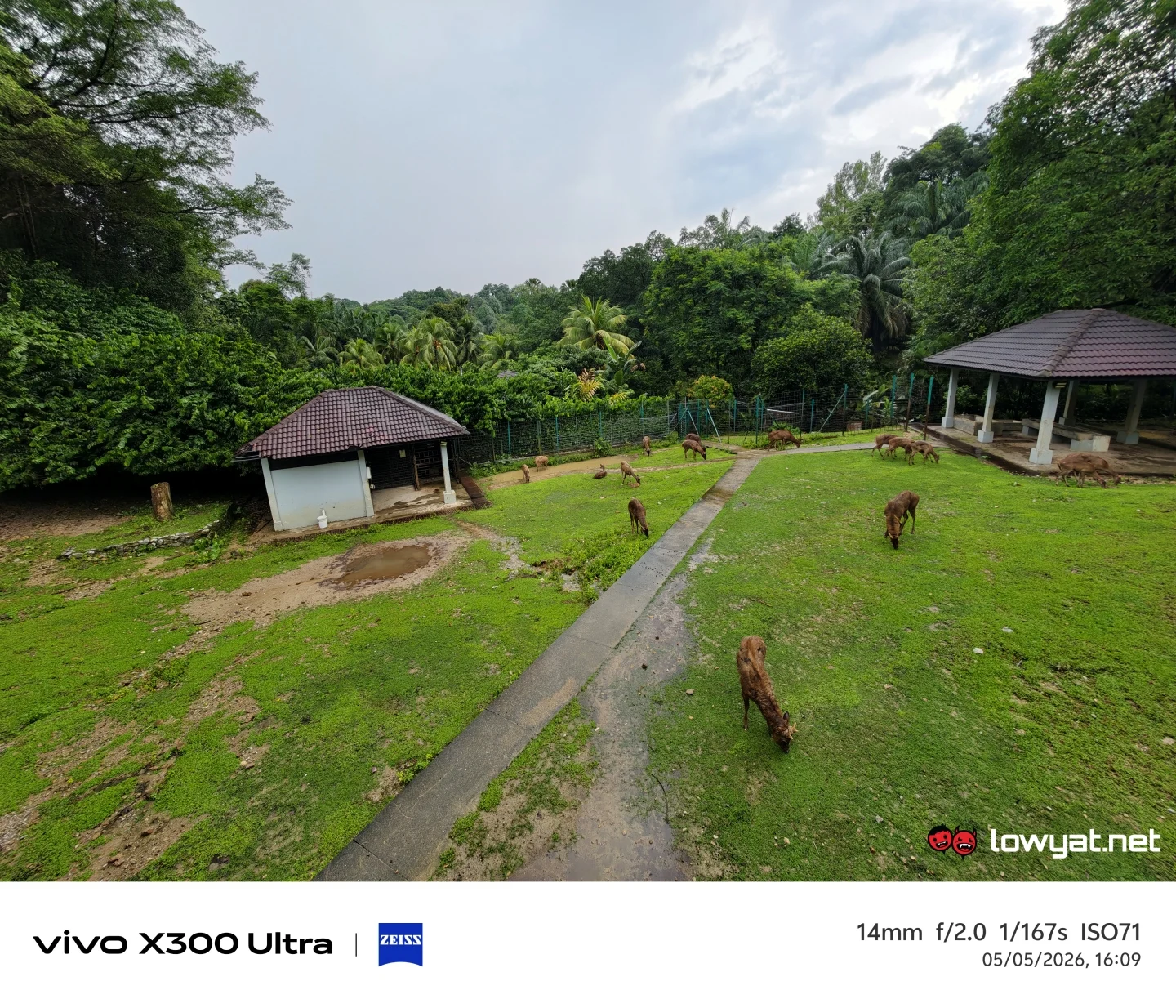
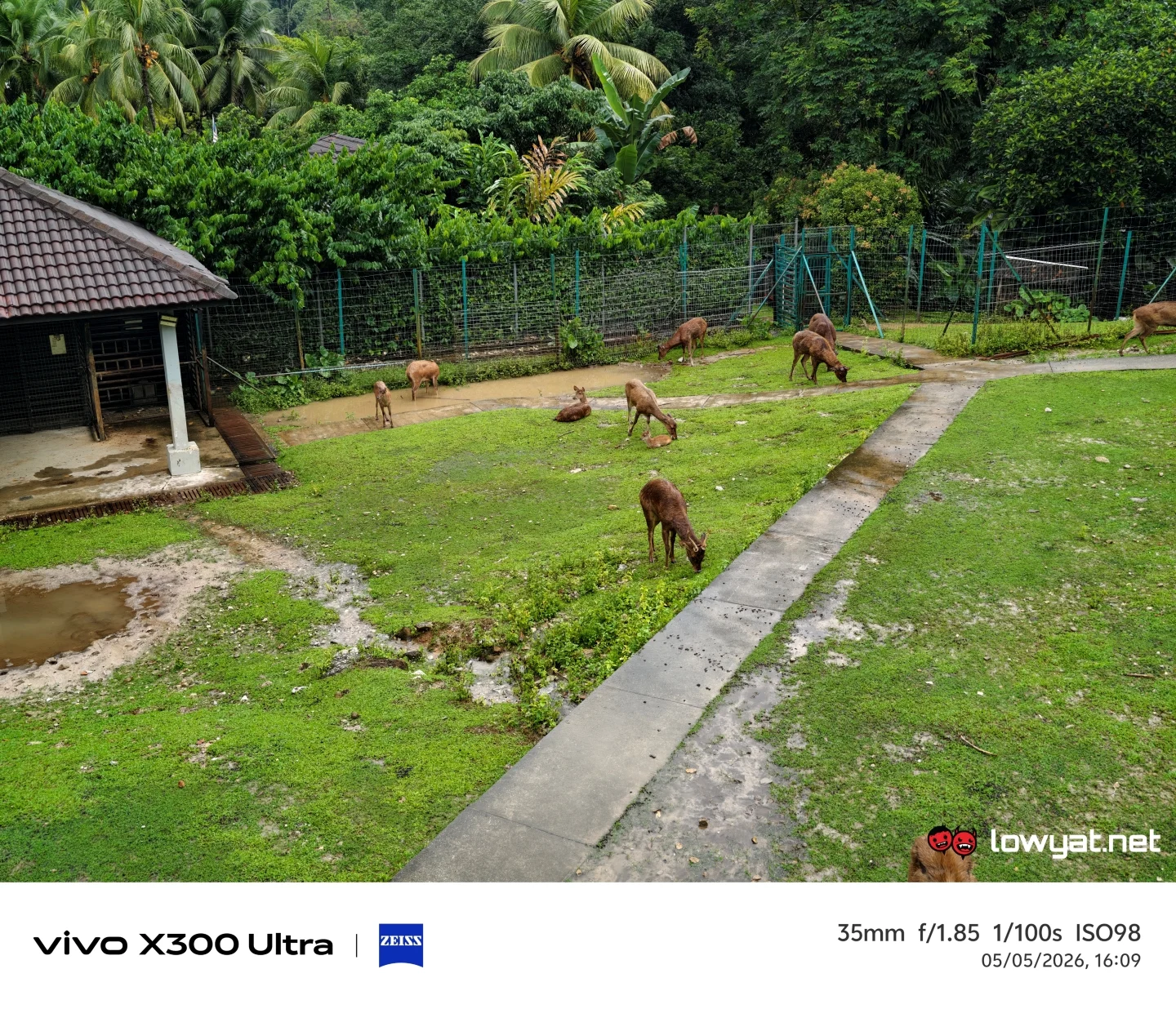



And finally, the 50MP ultra wide-angle camera simulates shooting with a 14mm lens. This too comes with the ZEISS T* coating mentioned above, providing the same benefits. As a bonus addition, this also gets what is called Super Blue Glass to further reduce lens flare and ghosting.
Tying it all together is the VS1+ pro imaging chip. Made with the 6nm process, this works in tandem with the primary chipset of the vivo X300 Ultra, the Qualcomm Snapdragon 8 Elite Gen 5, for better image processing performance. Which means that not only will your shots be clearer with less noise, but also all of that can be done a lot quicker.

The cherry on top of all this is its video capabilities. The vivo X300 Ultra can record 4K 120 fps 10-bit Log videos, and across all of its focal lengths. This gives you the maximum amount of data to work with in post-production, be it in resolution, frame rate, and even colour and its dynamic range.
Flagship Performance Everywhere Else
Of course, being the flagship of flagships among vivo offerings, the X300 Ultra doesn’t sacrifice its performance elsewhere in the name of providing the ultimate imaging experience. In order to show you what you’ve captured, the phone also gets a 2K display with a peak brightness of 4,500 nits, letting it show you your work even under harsh sunlight. And when it’s not doing that, it dims down to a minimum of 1 nit to conserve power.

As mentioned, it runs the top-of-the-line Snapdragon chip of today. Powering the phone is a 6,600 mAh BlueVolt semi-solid-state battery, which supports up to 100W FlashCharge and 40W Wireless FlashCharge, as well as bypass charging. And when things get hot, either due to charging or when shooting, there’s a 5,800mm-squared vapour chamber to keep things cool.
On the software side of things, you get the brand’s OriginOS 6 overlay, which gives the X300 Ultra cross-ecosystem compatibility with macOS devices, with the help of the vivo Office Kit. The company also promises five years of OS updates and seven years of security patches. Wrapping it all up are IP68 and IP69 ratings.
vivo X300 FE
The Essential Experience
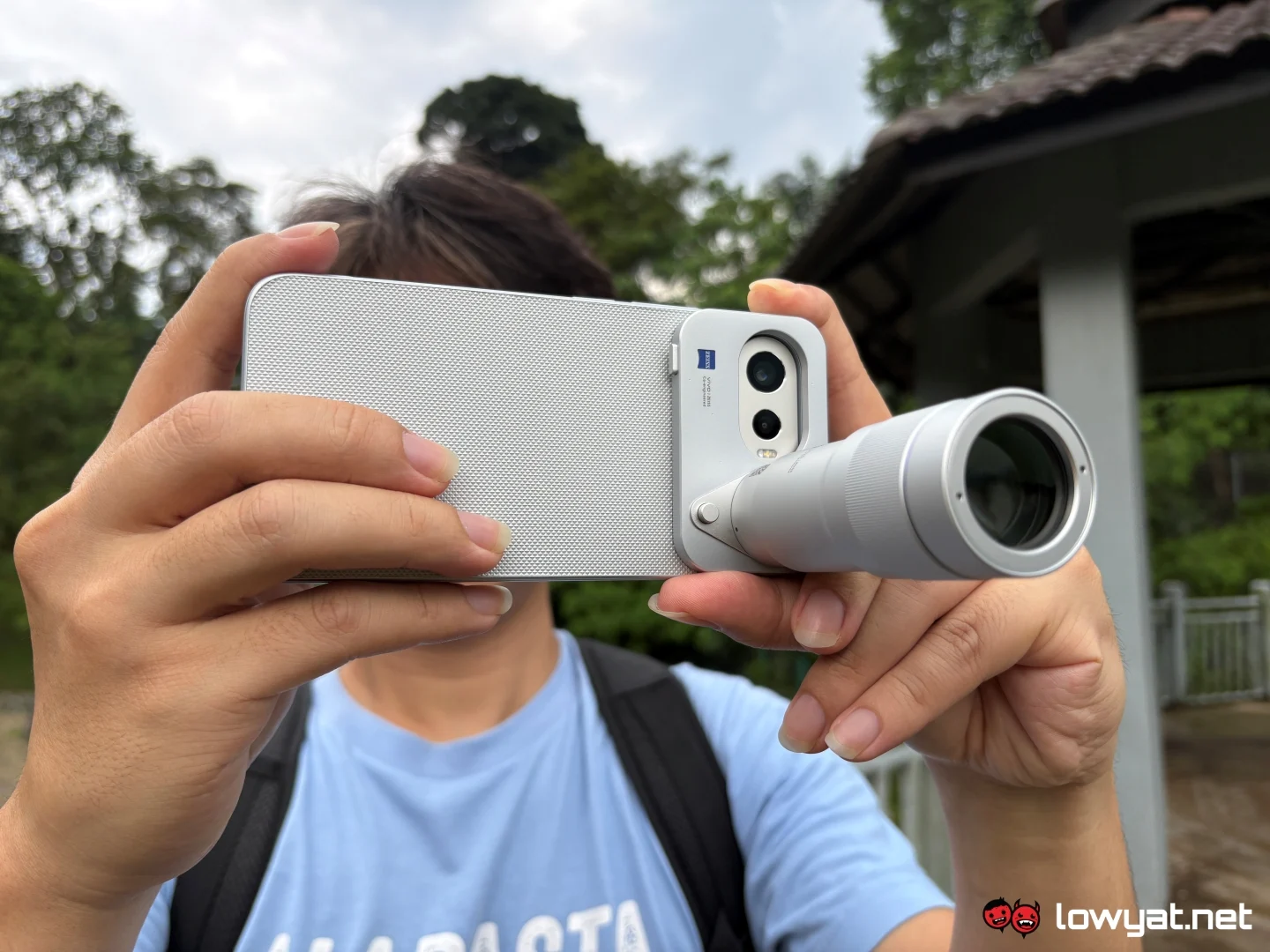
Of course, all of that is a lot of information to take in. So the alternative, if you want something that you can just point-and-shoot with, is the vivo X300 FE. It also has three cameras at the back, but with these, you don’t have to worry about focal lengths. All you need to know is that you’re working with a 50MP main camera, a 50MP telephoto camera and an 8MP ultra wide-angle camera.
While it may not feature the same kinds of complicated hardware as the Ultra model, the vivo X300 FE still packs the software to take shots that are along the same lines. Returning from prior models is the Stage Mode which allows you to take shots in places that don’t have the most consistent lighting, such as during concerts and other live shows. There’s also the option to make use of the LED flash in taking Flash Portraits. This automatically adjusts the output of the flash to match the degree of zoom you’re currently using.




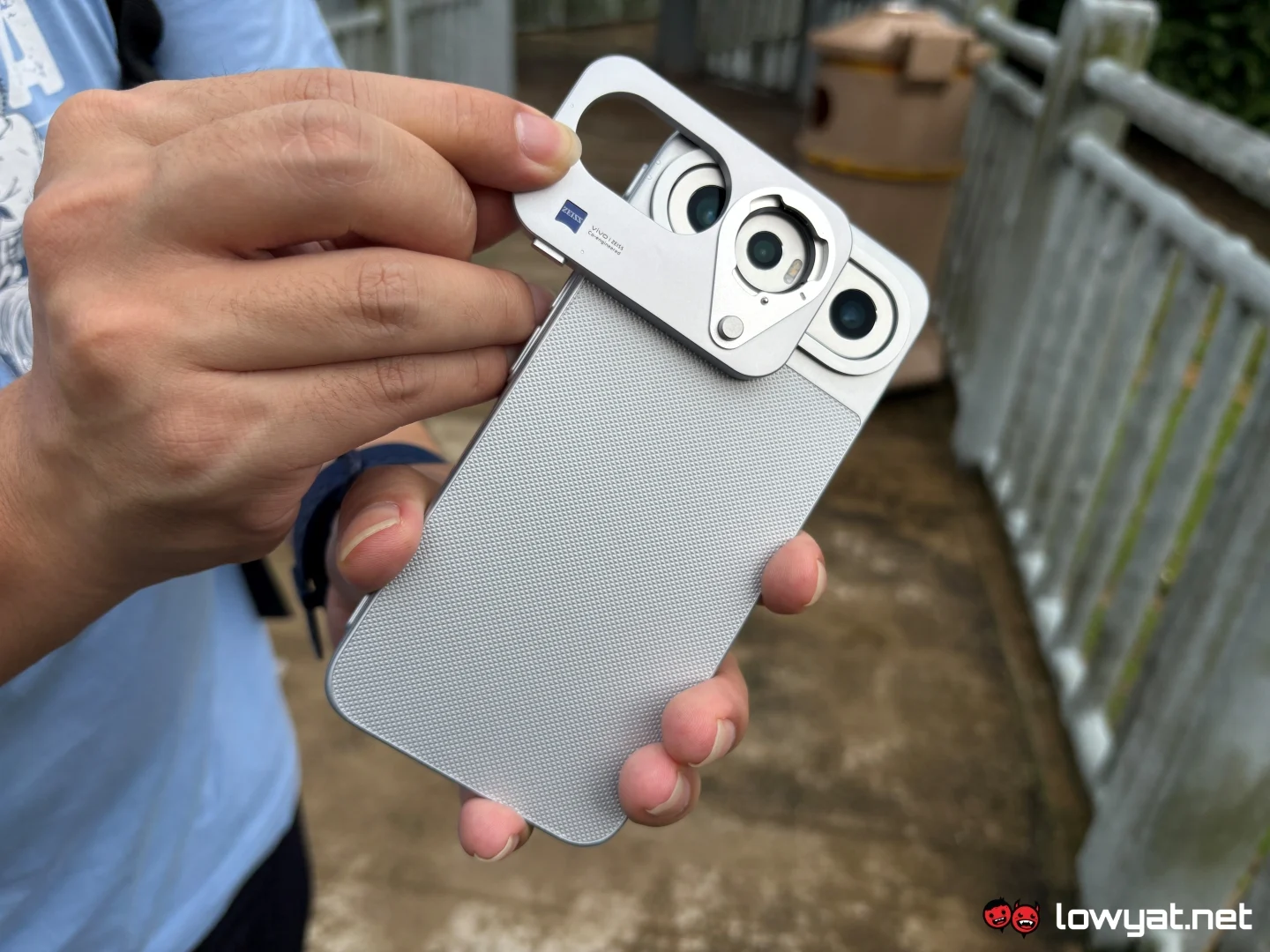
And when you need to take really distant shots, then there’s the optional second generation telephoto extender. Also available for the Ultra, this extender gives the X300 FE a 200mm focal length equivalent, and this works for both photos and videos.
Still A Flagship After All
As mentioned earlier, flagships of today are not singular models, and often entire series of phones. And the vivo X300 FE, being part of the X300k series, is still one of them. This means that it sits only a notch below the cream-of-the-crop Ultra. This means a 6.31-inch flat display, a Qualcomm Snapdragon 8 Gen 5 chipset, a 6,500 mAh BlueVolt battery that supports 90W FlashCharge and 40W Wireless FlashCharge, as well as a 4,005 mm-squared vapour chamber.

The differences between them are even smaller, if there are even any, on the software side of things. After all, the vivo X300 FE gets the full OriginOS 6 experience, with all the bells and whistles that it entails. As before, the company promises the same five years of OS updates and seven years of security patches. And finally the phone comes with IP68 and IP69 ratings.
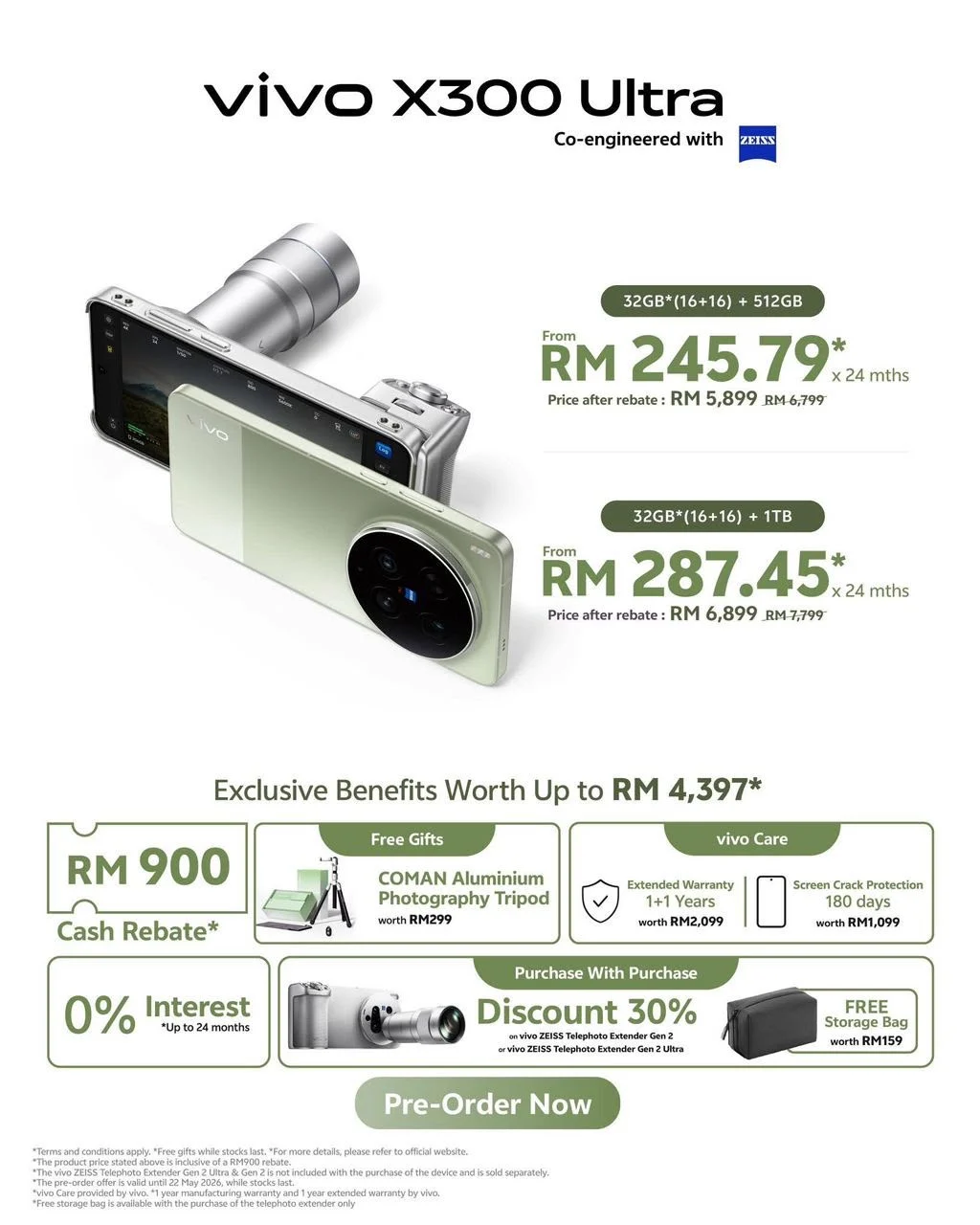
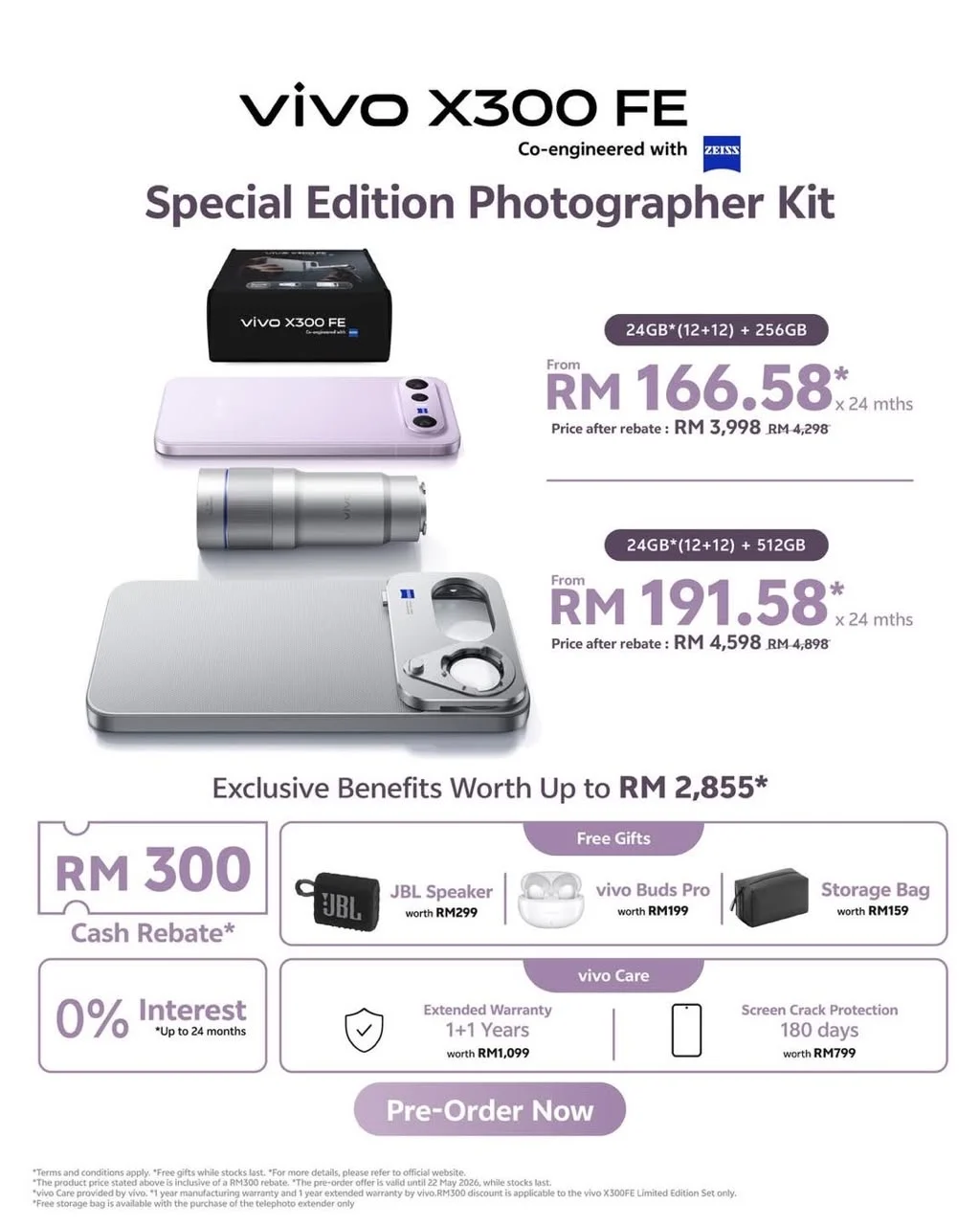
With all that said and done, what do you do if you want one of these phones for yourself? The good news is that they have just been launched, with the vivo X300 Ultra being priced from RM6,799 and the X300 FE from RM3,299. They are available starting 22 May.
This article is brought to you by vivo.
@lowyatnet Having a built-in telephoto lens is great, but pairing it with a zoom lens attachment takes mobile photography to a whole new level. Literally too. #MobilePhotography #TelephotoLens #SmartphonePhotography
