

The Malaysian Road Transport Department (JPJ) may be updating its strategy for detecting traffic offences. Apparently, the agency could rely on Automated Number Plate Recognition (ANPR) for enforcement, rather than deploying roadblocks. According to a report by paultan.org, JPJ has launched a new initiative, called the Automated Number Plate Recognition Integrated Enforcement Project (ANPR P-B).
As detailed in the report, this 36-month project leverages a system of 375 ANPR cameras and 1,000 smart management enforcement devices (SmED) to identify traffic offences. Other than that, the plan involves the development of a control centre located in Cyberjaya.


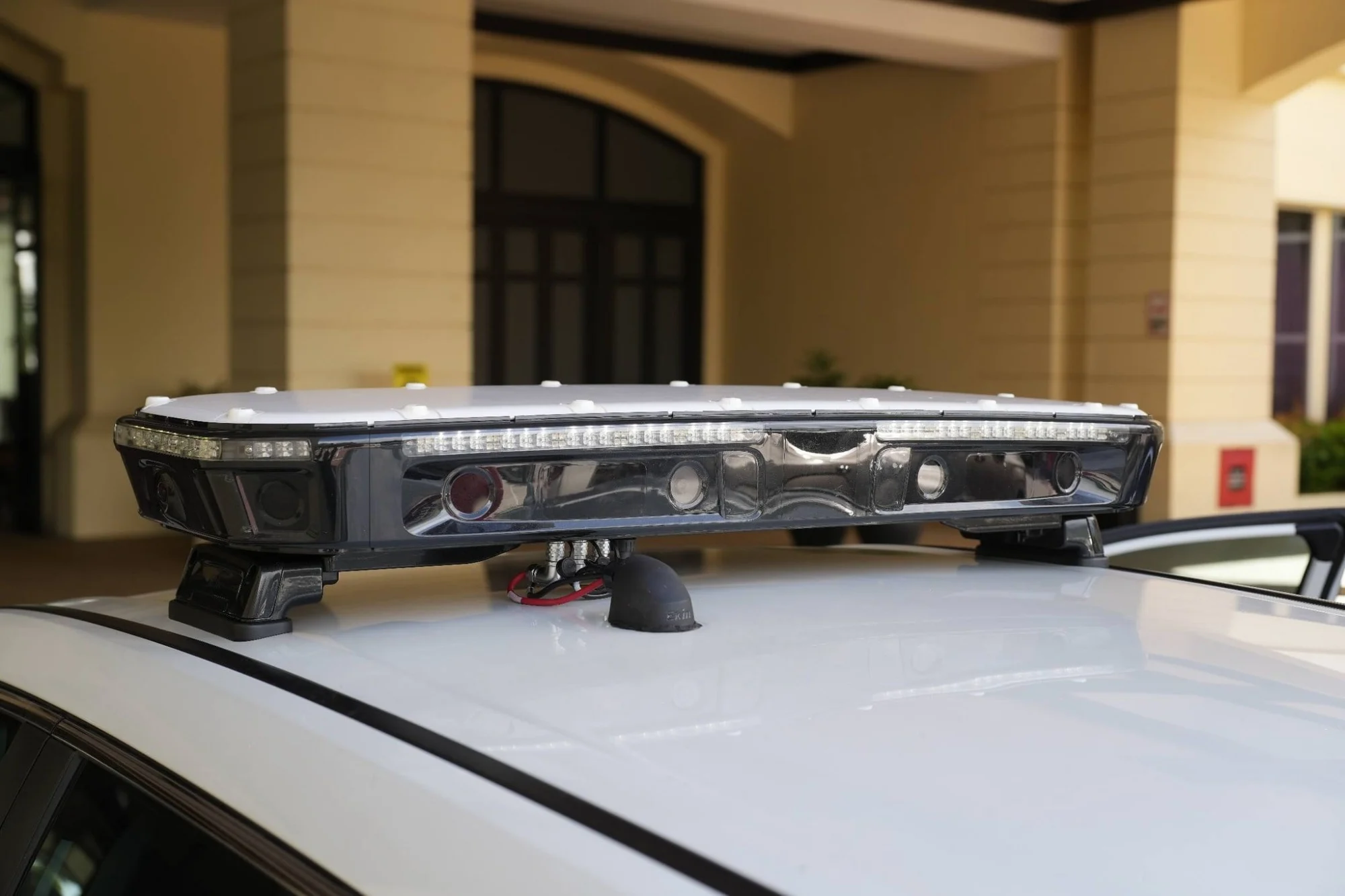
JPJ director-general Datuk Aedy Fadly Ramli is quoted as saying that the system is capable of automatically detecting a variety of traffic offences. These include issues involving road tax (LKM), insurance, Vehicle Entry Permit (VEP), and Road Charge. In addition to these, the director-general noted that the system can identify instances of mobile phone use, emergency lane misuse, and motorists running red lights.
Of course, ANPR itself is not particularly new. The tech has been in use for quite a while now, with many locations relying on it for parking payments. And earlier in the year, PLUS launched an ANPR open payment system along the North-South Expressway.


In any case, this move could help JPJ reduce congestion and improve effectiveness. Previously, Transport Minister Anthony Loke commented that the use of physical roadblocks is outdated and can cause public frustration. “I don’t want to see JPJ setting up roadblocks after toll plazas, turning six lanes into one. People will get angry. That’s an outdated approach. JPJ must also change and adopt smarter methods,” he said at the time.
Furthermore, Loke recommended the use of ANPR and suggested that the system could be integrated with MySikap. For now though, the specifics of JPJ’s project remain unclear.
(Source: paultan.org)
