
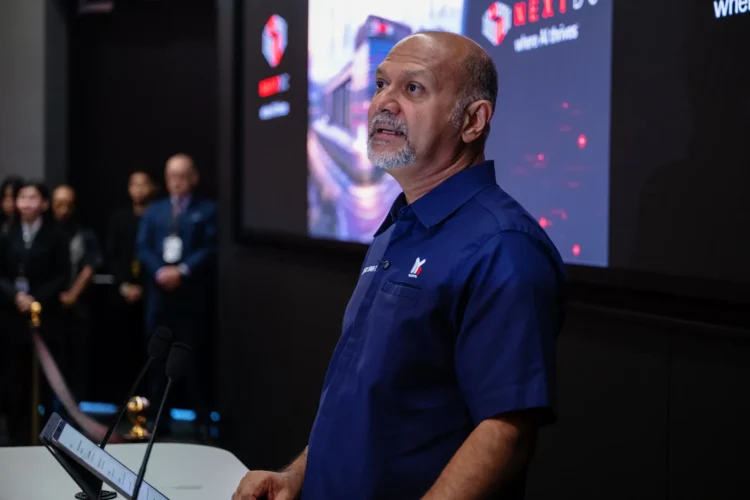
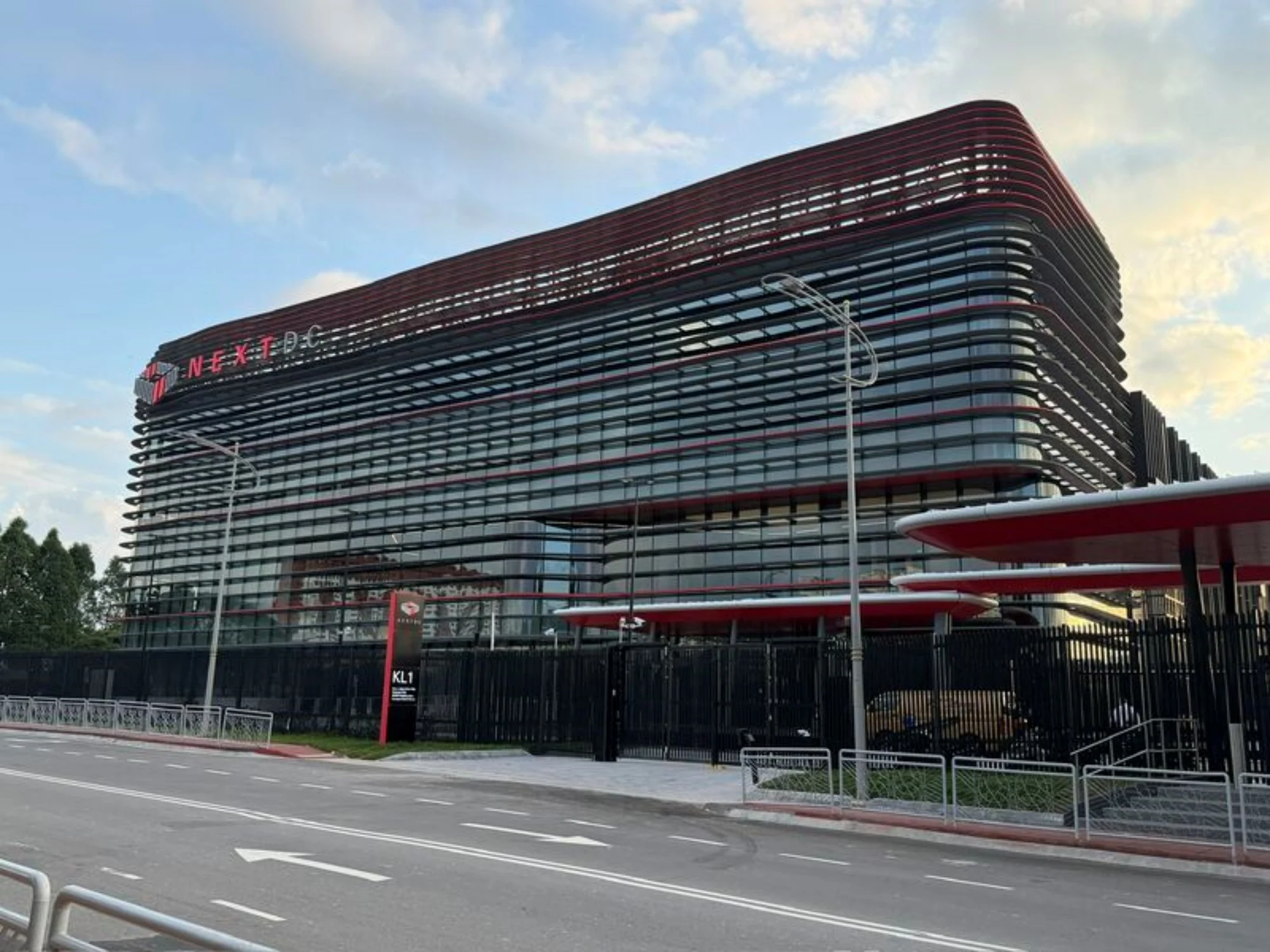
Digital Minister Gobind Singh Deo says Malaysia’s growing data centre industry needs to do more to address public concerns surrounding energy usage, water consumption, and noise pollution as the country pushes towards wider AI adoption. Speaking during the launch of NEXTDC’s KL1 Kuala Lumpur data centre in Petaling Jaya yesterday, Gobind acknowledged that questions surrounding large-scale digital infrastructure projects are becoming increasingly common among nearby communities.
“Let’s be realistic because people do ask questions about whether there is sufficient energy, water and of course, when you build these structures, concerns about noise pollution,” he said. Gobind added that these conversations should not be dismissed, and urged industry players to communicate more openly with the public regarding how such facilities operate and what mitigation measures are in place.
“I would ask the industry to try and also manage these conversations,” he said. “I think it’s good if the industry can also explain to people in the area about what is really happening and acknowledge these concerns.”
Remarks Come Amid A Recent Incident Involving Data Centres
The minister’s remarks come amid the recent incident surrounding data centre developments in Malaysia, particularly in Johor where a large-scale project has faced public backlash over environmental and quality-of-life concerns. To recap, earlier this year, residents near a hyperscale AI data centre project in Gelang Patah staged what was reportedly Malaysia’s first public protest against a data centre development. Residents raised complaints over dust pollution, potential water supply issues, and construction-related disturbances.
NEXTDC KL1 Marks RM2.8 Billion Malaysian Expansion
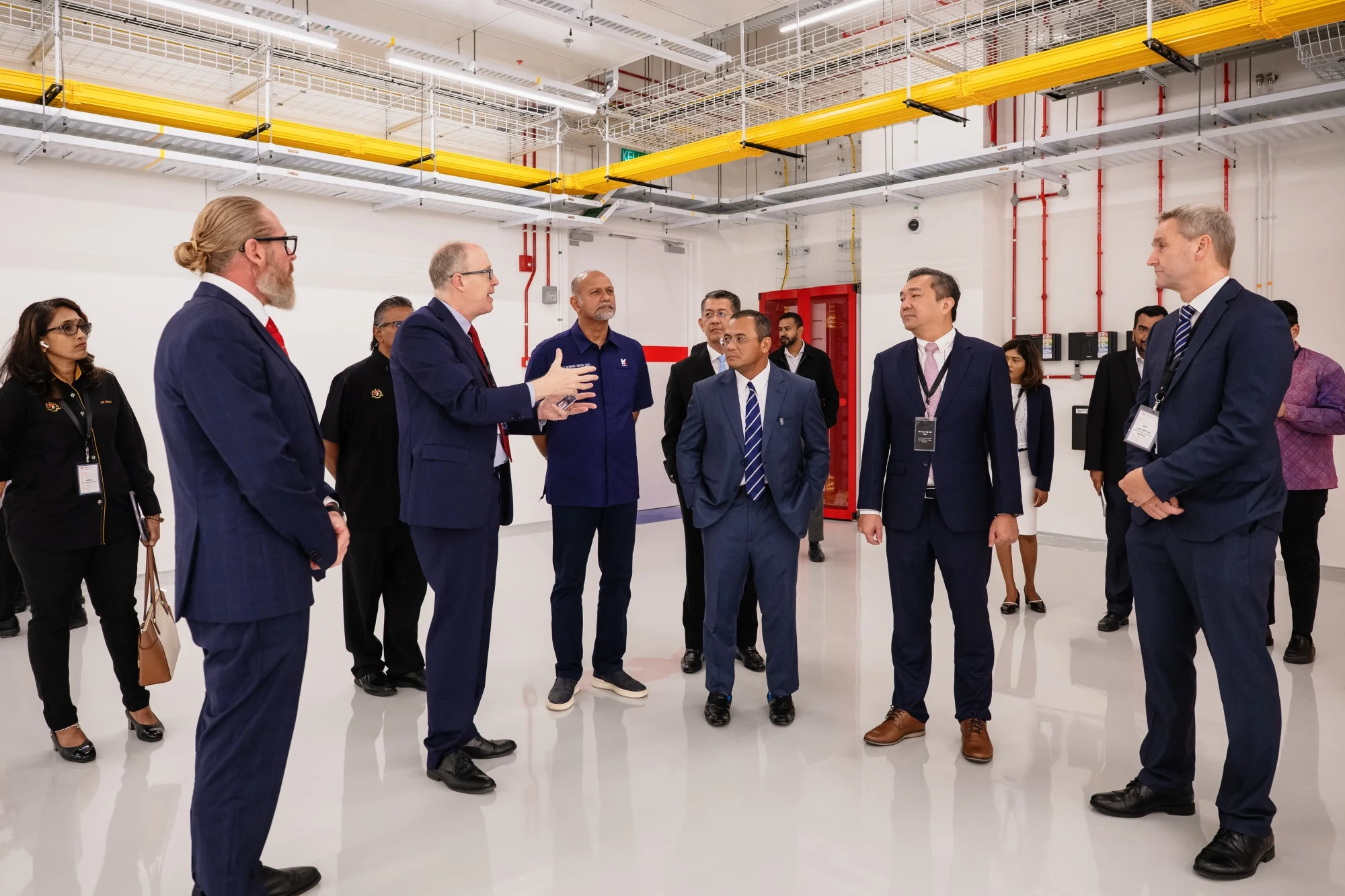
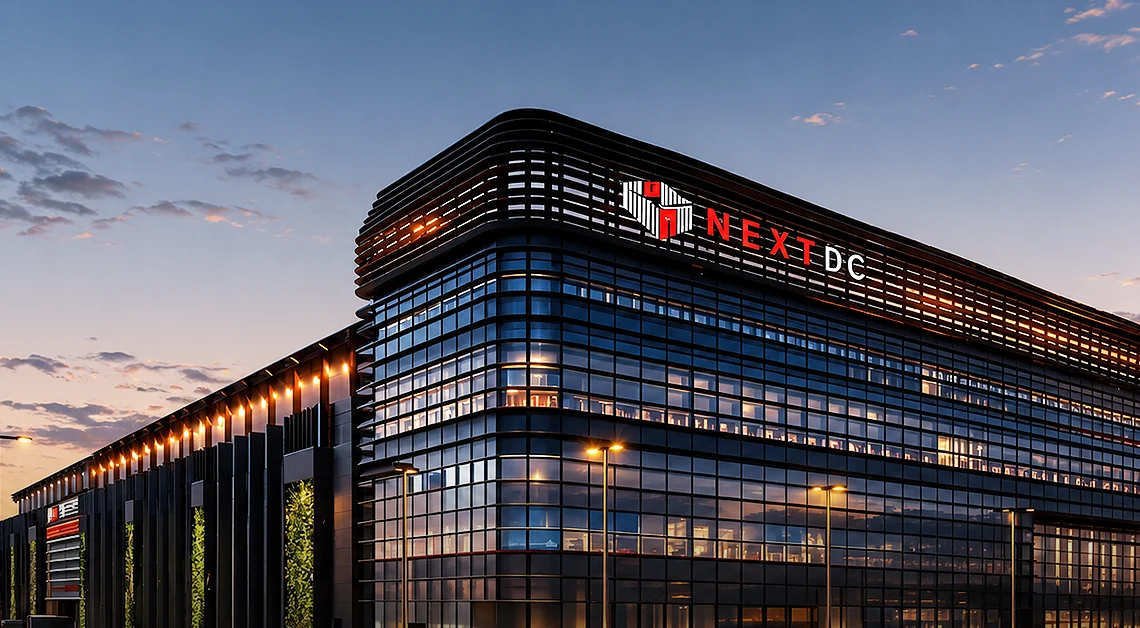
As for the facility launched yesterday, NEXTDC’s KL1 marks the Australian company’s first international data centre and represents a long-term investment worth approximately AUD$1 billion (around RM2.8 billion) into Malaysia’s digital infrastructure ecosystem. Located in the Klang Valley, the facility has been designed for AI and high-performance computing workloads, offering up to 65MW of IT capacity while targeting Uptime Institute Tier IV certification. If achieved, KL1 would become the first such certified facility in Peninsular Malaysia.
The company says KL1 is intended to support the region’s accelerating demand for AI, cloud computing, and digital services, while also positioning Malaysia as a strategic hub for Southeast Asia’s expanding digital economy. Gobind described the project as an important step towards the country’s broader AI Nation 2030 ambitions, adding that infrastructure such as KL1 would help strengthen Malaysia’s position in the regional AI ecosystem.
Company Assures Sustainability Is Built Into Operations
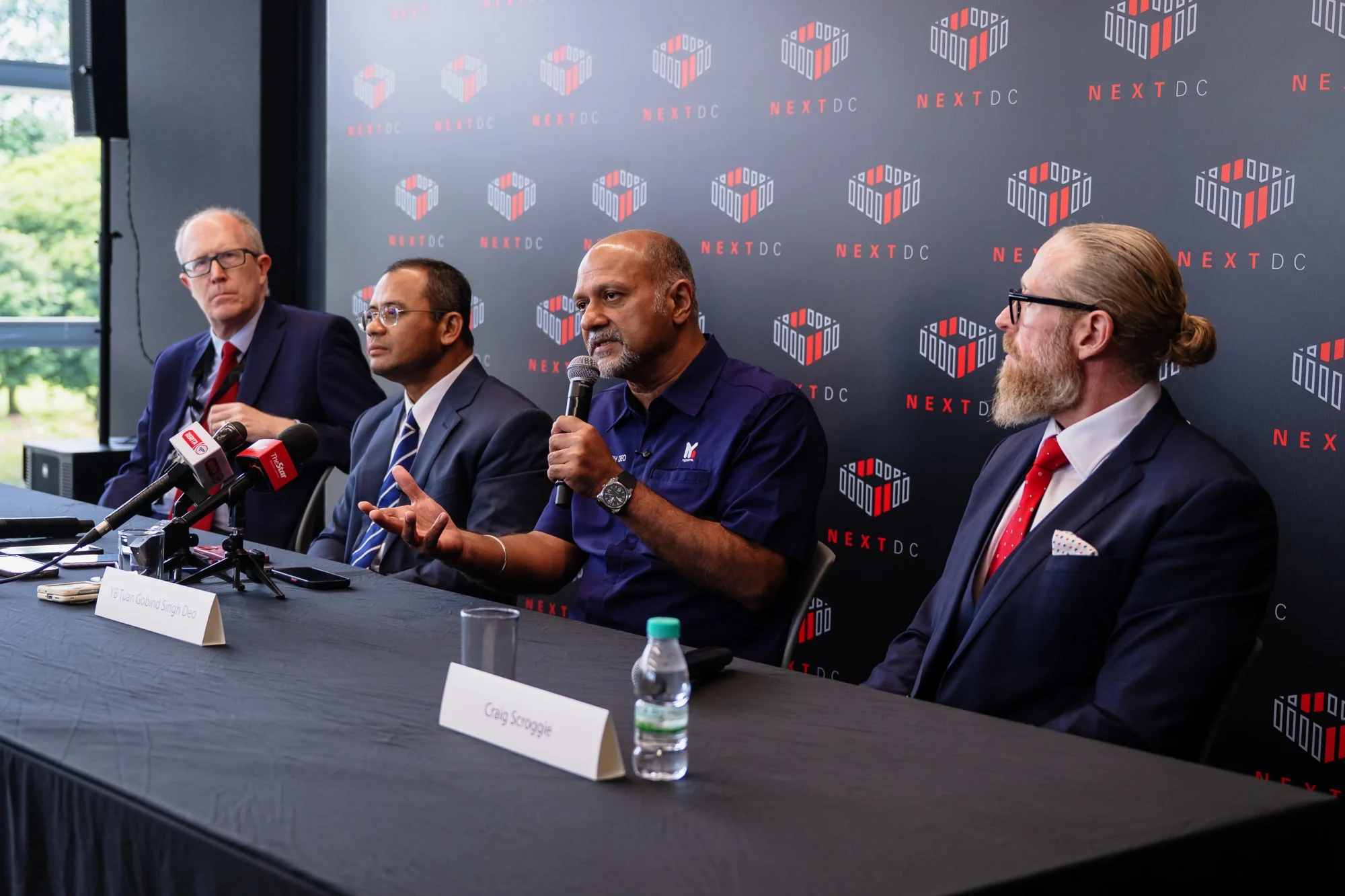
During the KL1 launch event, NEXTDC executives also addressed similar concerns surrounding their own facility. Its CEO and managing director Craig Scroggie said sustainability is embedded into the company’s infrastructure strategy rather than being treated as an afterthought.
The company’s group chief development officer Simon Cooper also noted that the company is prepared to respond to complaints from nearby residents if issues such as excessive nighttime noise arise. “If people around here believe that it is too noisy, they have the right to write a letter to the council and the council will write to us and we have to measure things (noise level),” he said. “So if something has changed, then we have to fix it.”
Meanwhile, Selangor menteri besar Datuk Seri Amirudin Shari echoed the need for better public awareness regarding how modern data centres function. According to him, many people still perceive such facilities simply as buildings that consume large amounts of electricity and water. He also assured that the Selangor state government has measures in place to ensure operators comply with sustainability requirements.
(Source: The Star)
