
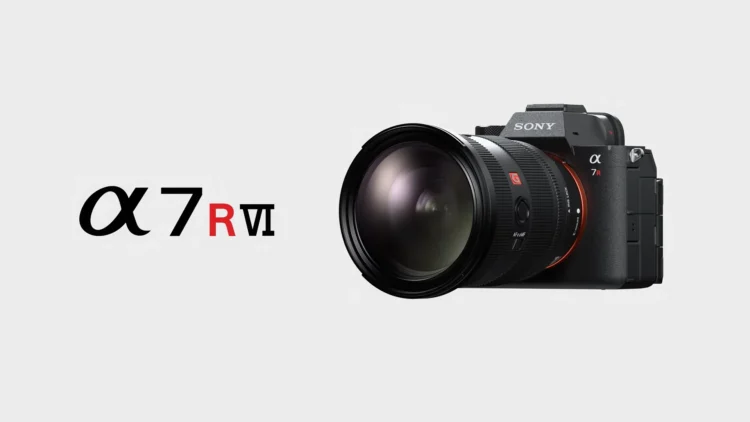
As previously reported, Sony has officially launched the Sony Alpha 7R VI in Malaysia. The new model continues the company’s long-running Alpha R series of mirrorless cameras, which is aimed at professionals looking for a versatile shooter for both studio and on-location work. The company also took the opportunity to unveil a new XLR adaptor alongside the camera.
Among the key highlights of the new Sony Alpha 7R VI are its 66.8MP full-frame stacked Exmor RS sensor, which Sony claims is capable of delivering up to 16 stops of dynamic range while also reducing noise in the mid-sensitivity range. The camera also features 5-axis image stabilisation, which is rated for up to 8.5 stops of compensation at the centre and 7.0 stops at the periphery.
Imaging Capabilities

Additionally, Sony says the camera’s auto white balance system leverages both visible light and infrared (IR) sensors, alongside deep learning-based illumination estimation, to deliver more natural and consistent colours in shaded environments or indoor scenes. Paired with the new BIONZ XR2 engine, the company claims that the camera can produce “exceptional resolution, accurate colour, and reliable performance”.
While on the topic, the BIONZ XR2 processor features an integrated AI processing unit, which Sony claims enables sensor readout speeds that are up to 5.6 times faster than its predecessor‘s. According to the company, this allows the Sony Alpha 7R VI to support blackout-free continuous shooting at up to 30 fps while also performing up to 60 AF/AE calculations per second with AF/AE tracking enabled.
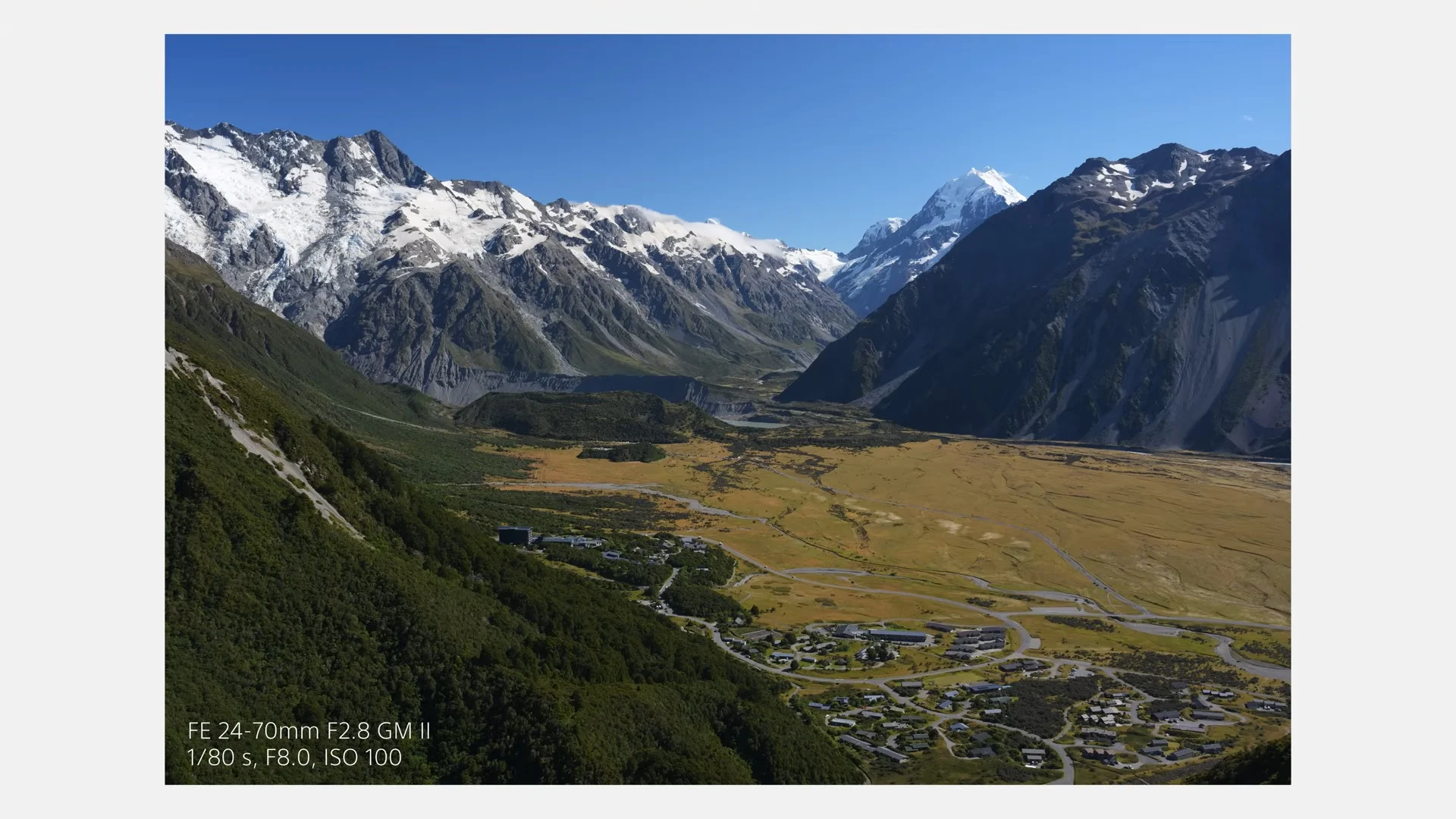
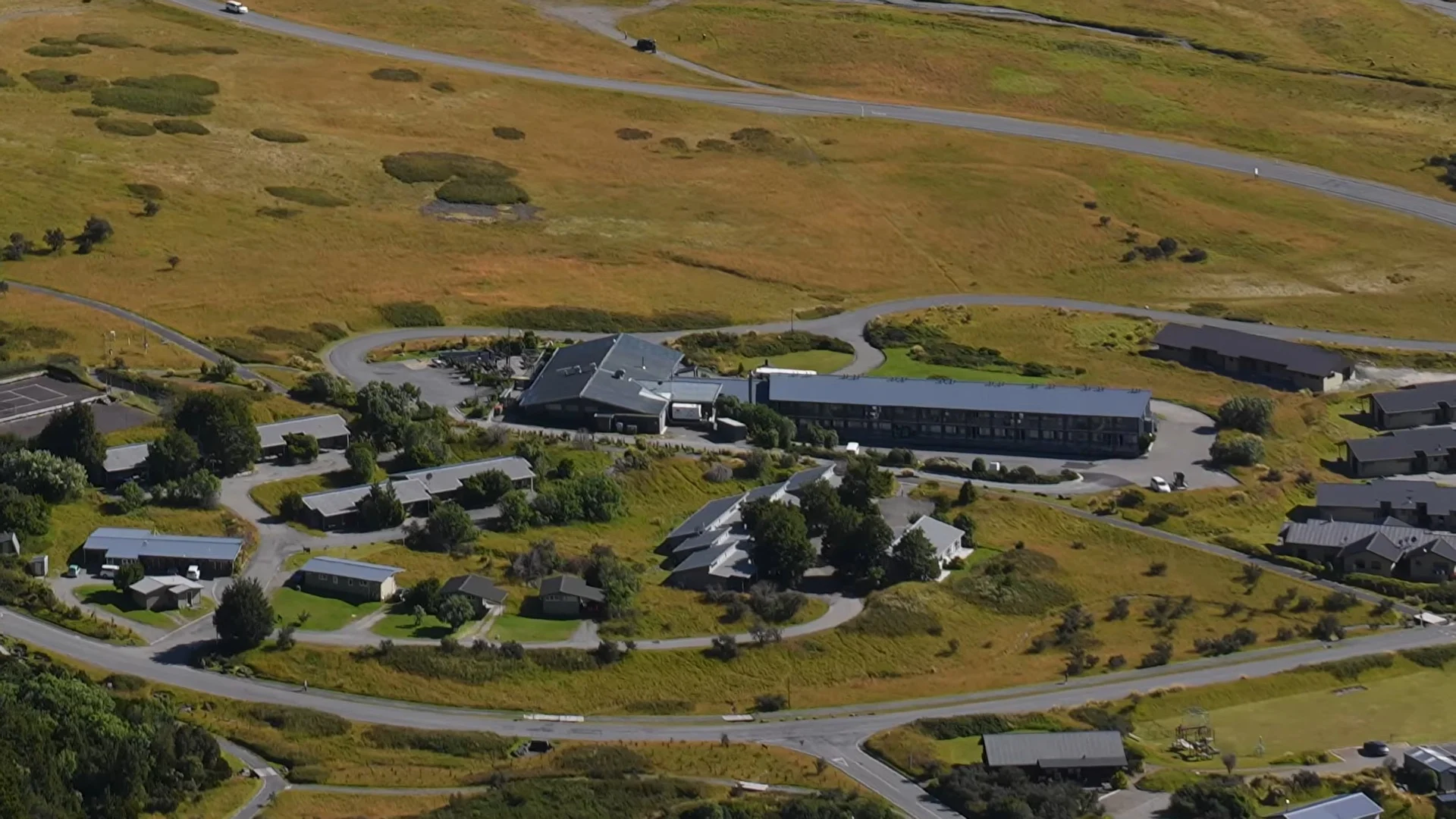
Moreover, the processor supports Sony’s Real-time Recognition AF+ system, which utilises skeletal-based human pose estimation and tracking technology. According to the company, this enables the Sony Alpha 7R VI to maintain more accurate and reliable focus on fast-moving subjects, including athletes and other high-speed-action scenarios.
Video Recording
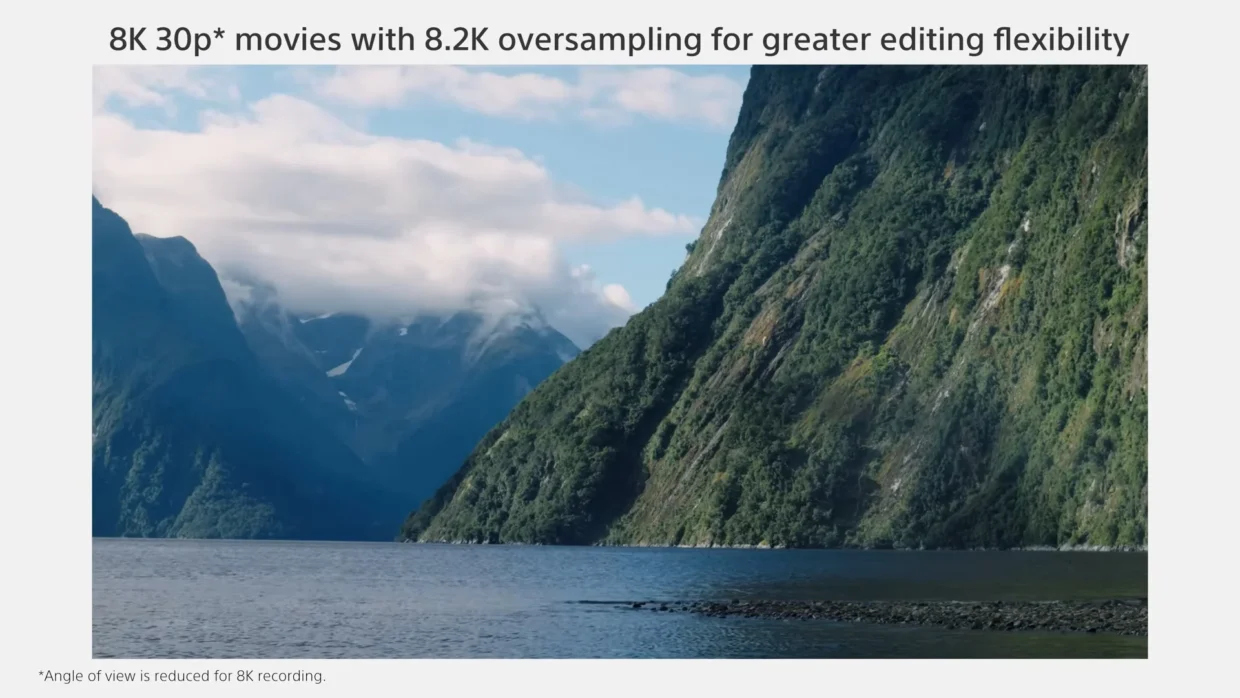
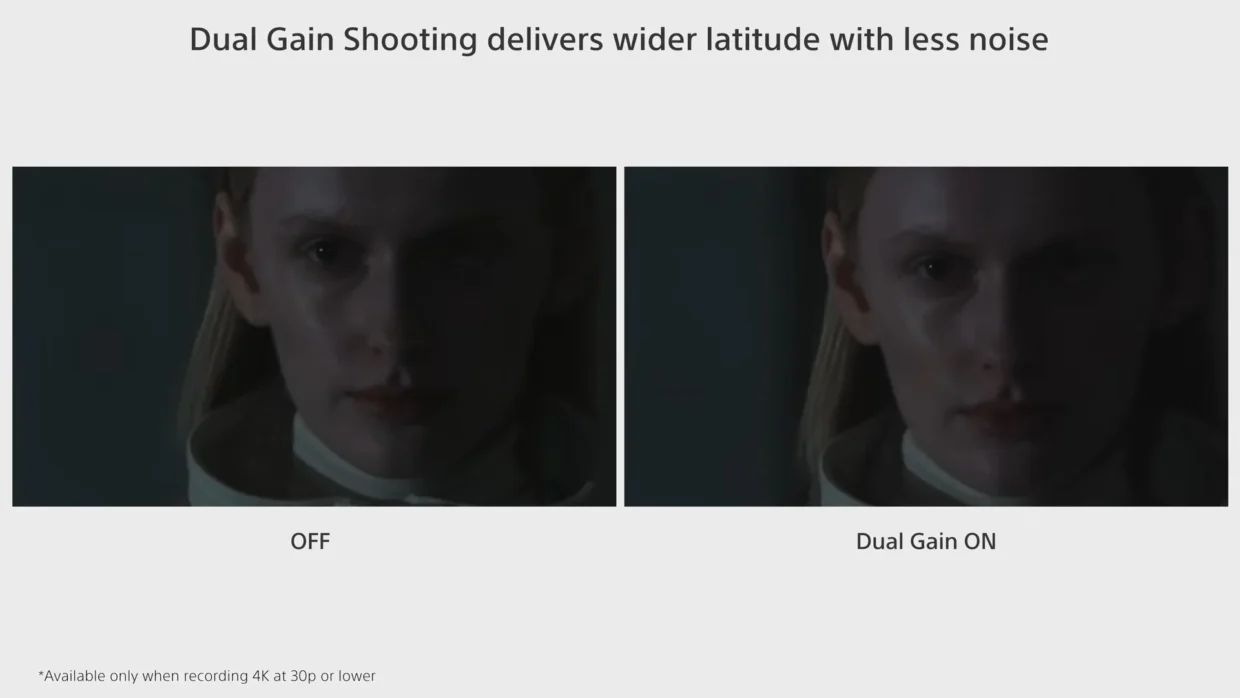
On the video front, the Sony Alpha 7R VI supports 8K recording at 30fps with 8.2K oversampling, alongside full-frame 4K recording at up to 60fps and 120fps without crop. The camera is also the first in the Alpha series to feature Dual Gain Shooting technology, which Sony says optimises sensor performance to reduce noise while preserving shadow detail, smoother gradation, and wider dynamic latitude.
Sony also notes that users may not need additional stabilisation equipment for certain shooting scenarios, thanks to the camera’s redesigned in-body stabilisation system. According to the company, the updated setup expands roll-axis compensation by up to two times, while its Dynamic Active Mode helps deliver smoother and steadier handheld footage.
Sony also says the Sony Alpha 7R VI supports 32-bit float audio recording when paired with the Sony XLR-A4. In simpler terms, this allows the camera to capture a much wider audio range without users having to constantly adjust recording levels on-site, reducing the risk of clipped or distorted sound during interviews, events, or outdoor shoots. However, we’ll discuss the XLR-A4 further later.
Design & Other Specifications
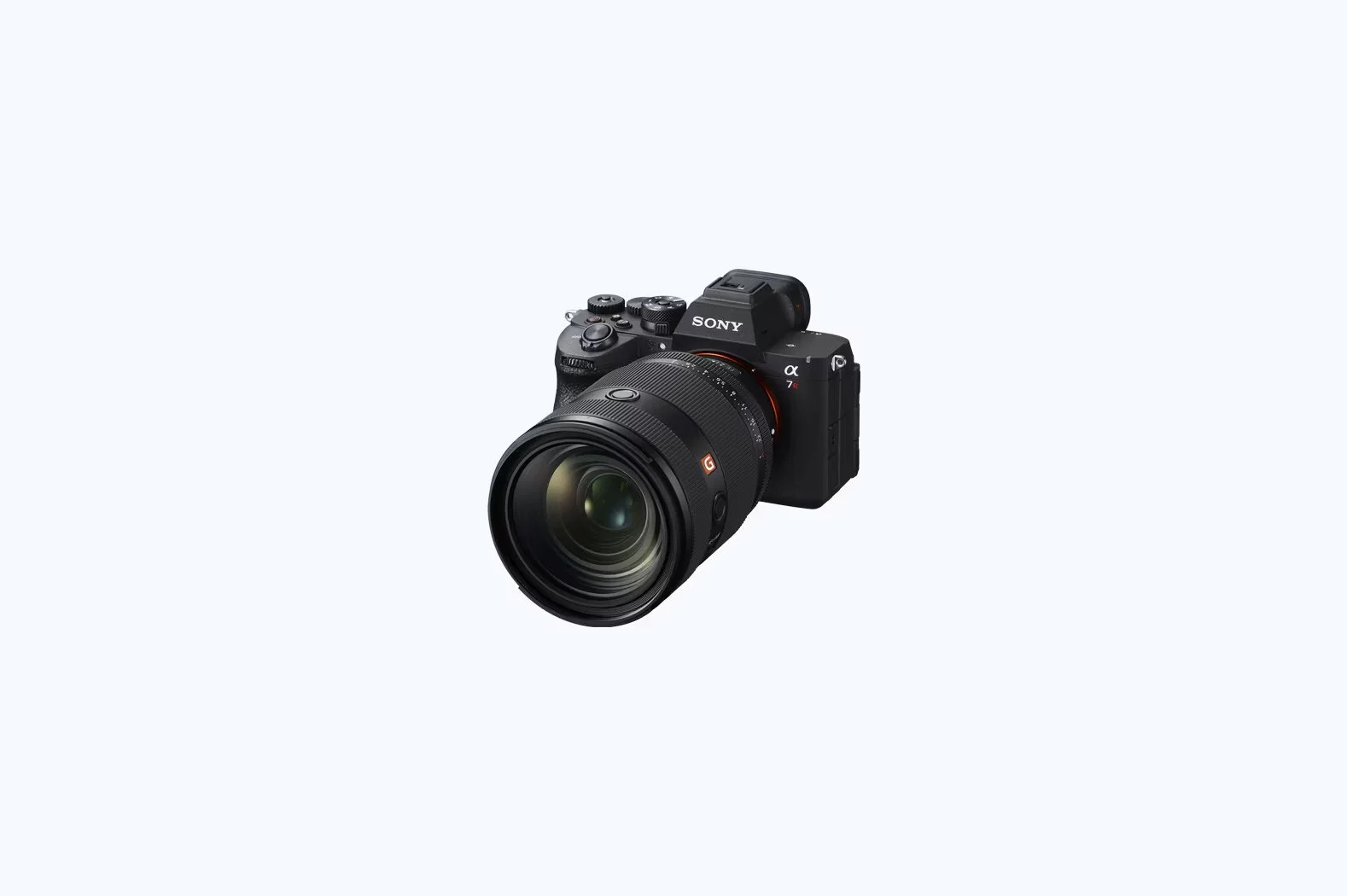
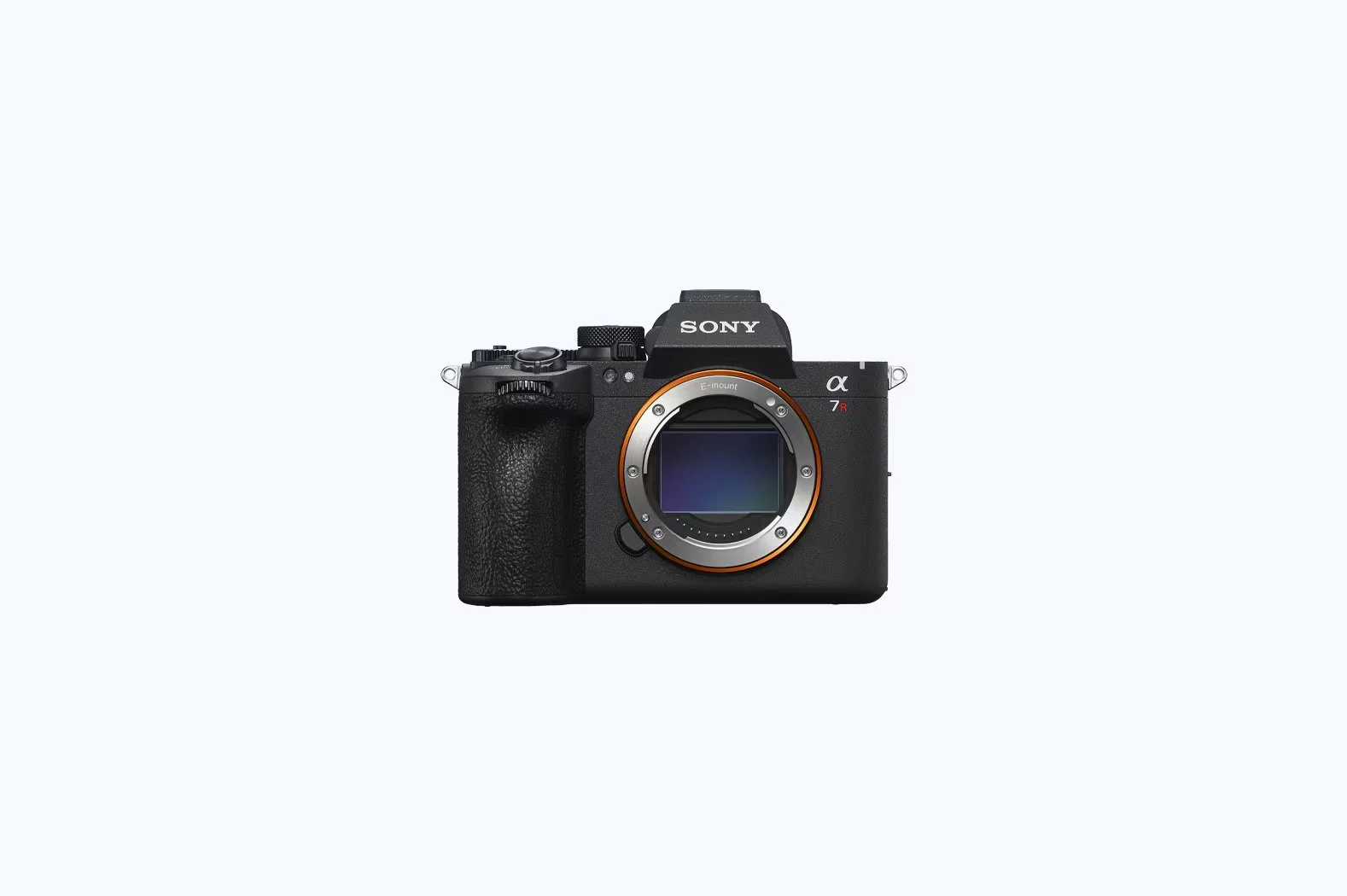
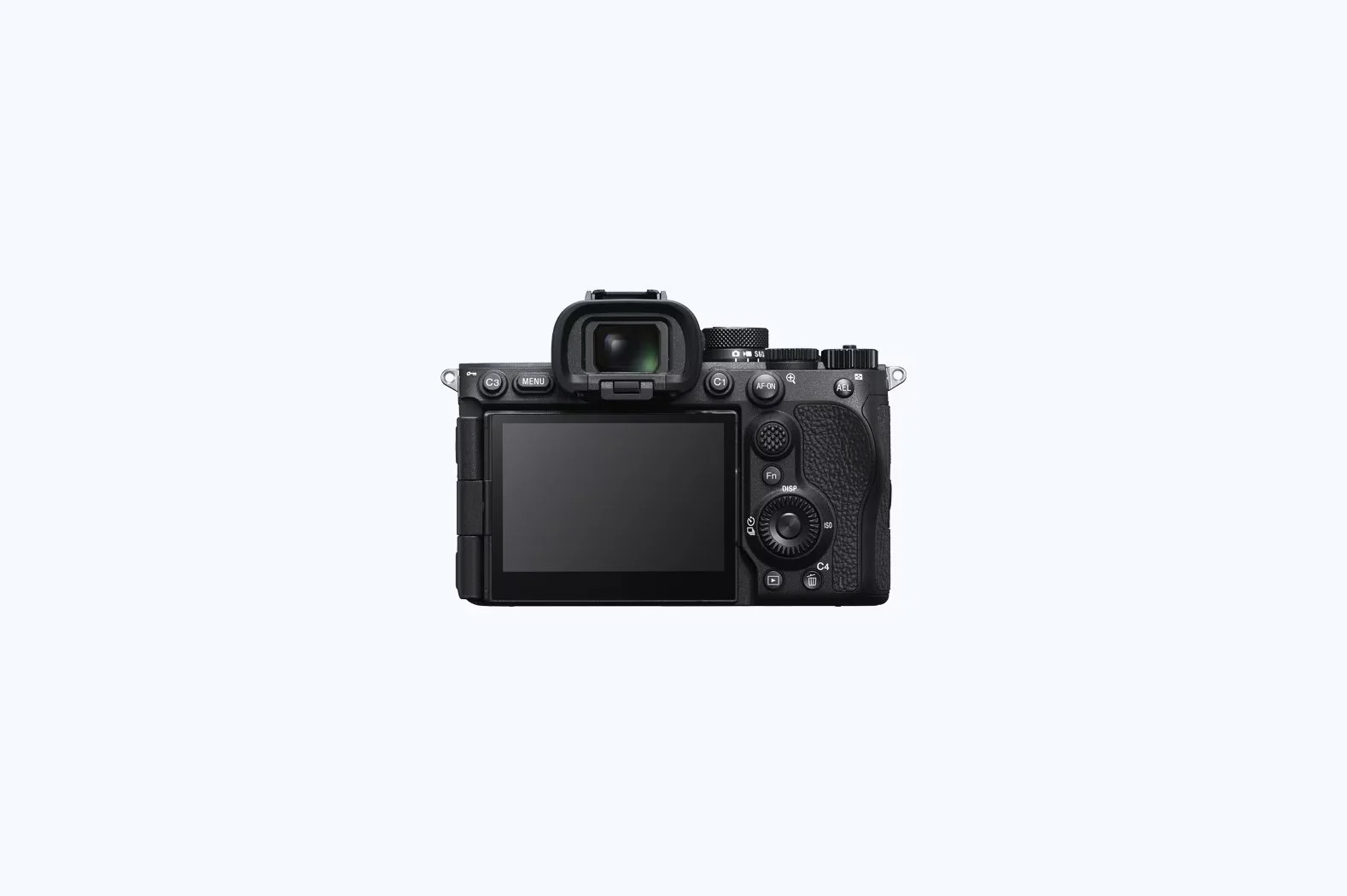
The Sony Alpha 7R VI features a magnesium alloy chassis for a lightweight yet durable body, a 4-axis multi-angle LCD for flexible shooting angles, and a mode dial with “Memory Recall” for quick access to saved shooting presets via customisable buttons.
Moreover, it comes with a 9.44M-dot OLED viewfinder with a DCI-P3 equivalent colour gamut and 10-bit HDR. Sony states that, with this, the Alpha 7R VI’s maximum brightness is three times higher than conventional models’ for clear visibility in bright environments.
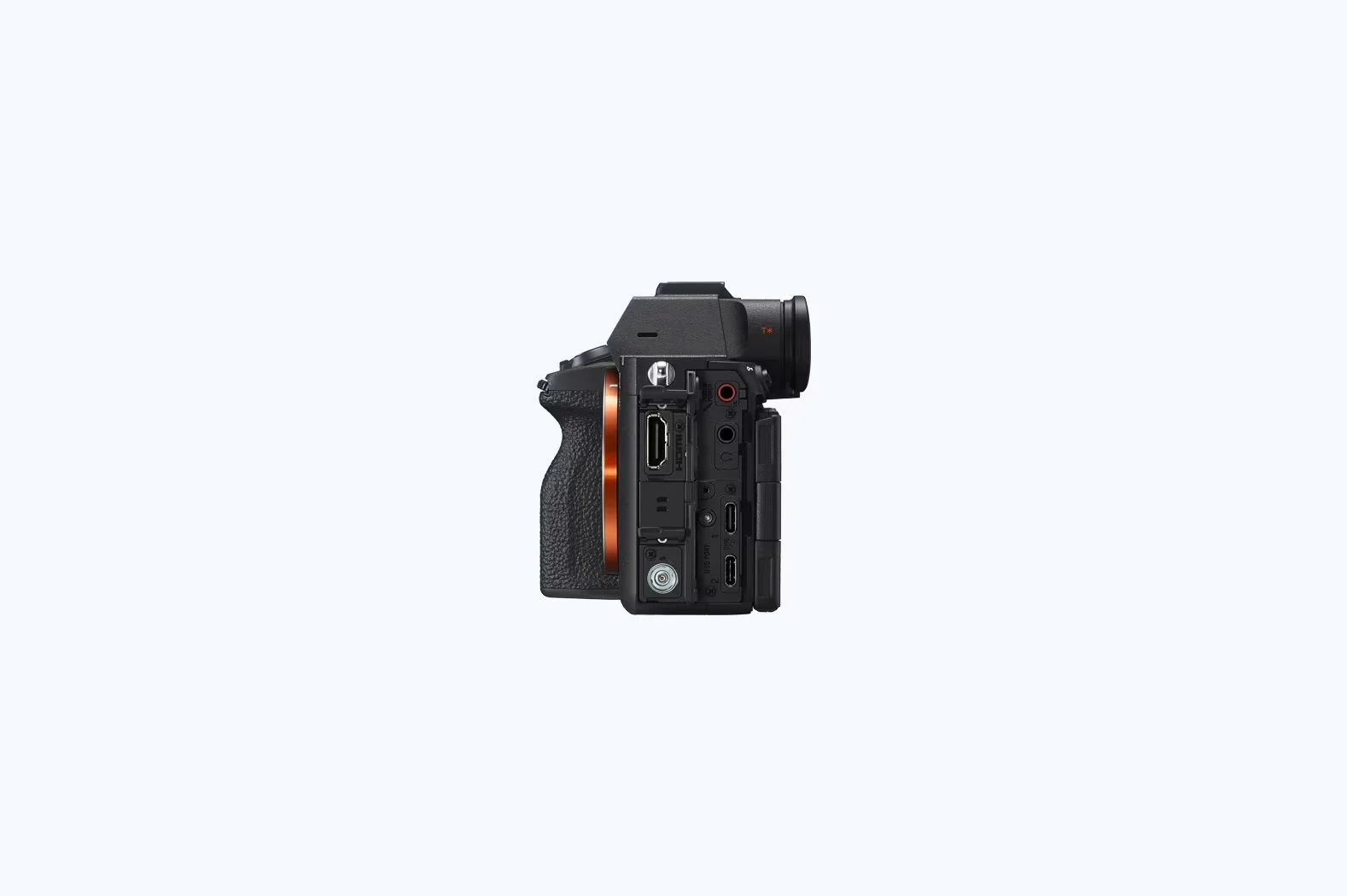
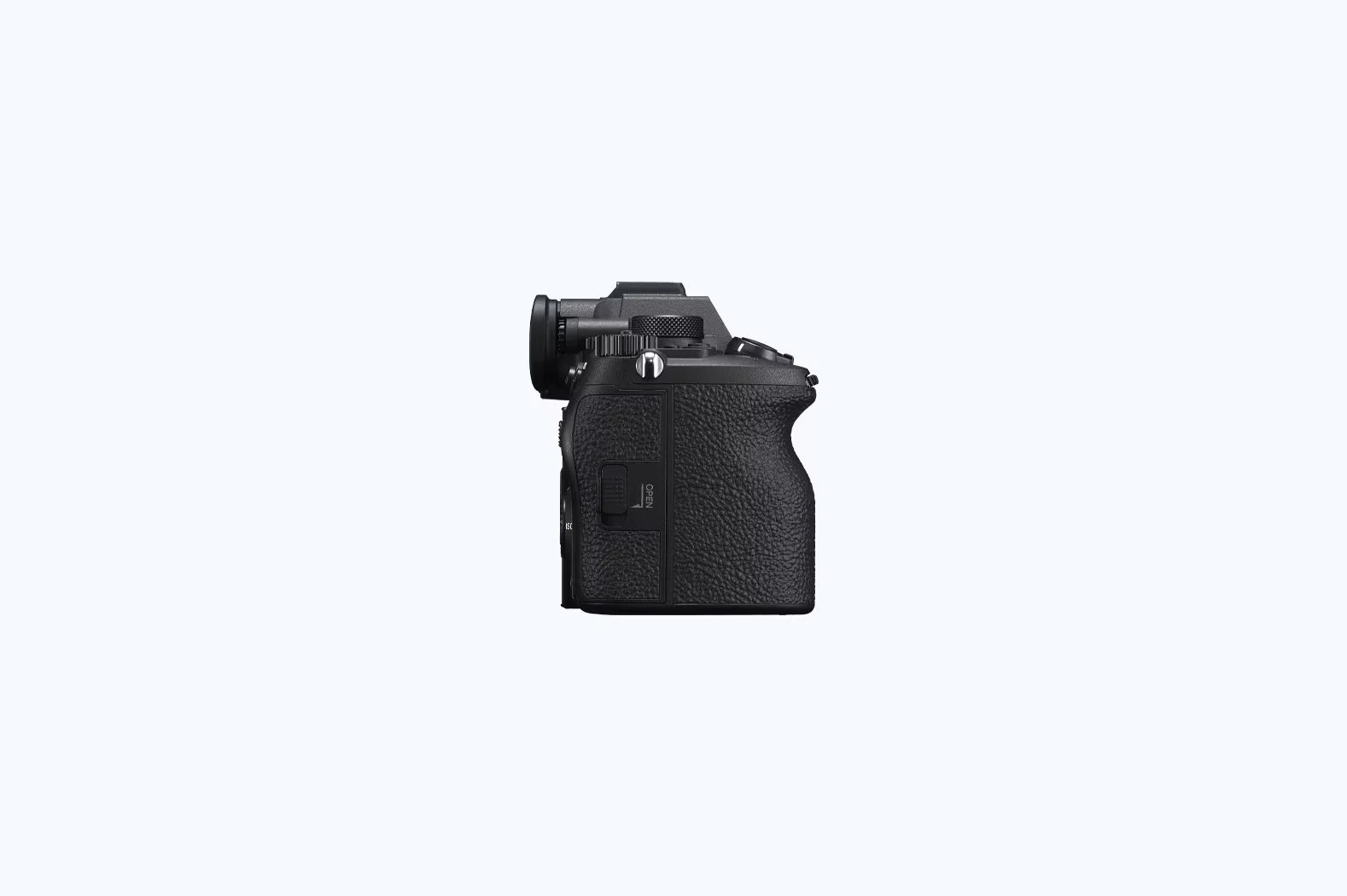
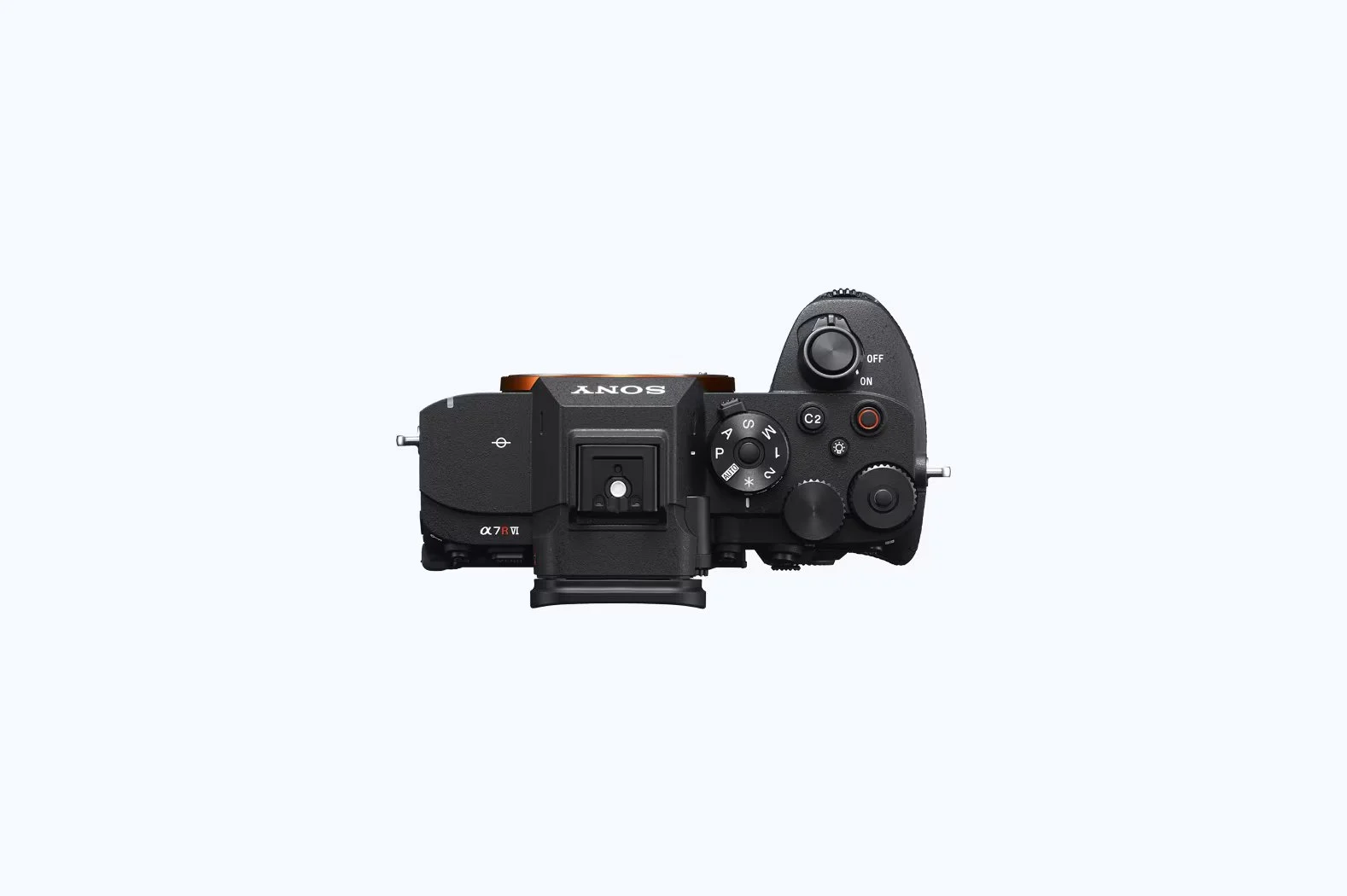
Recording in 8K can quickly cause any device to heat up, which is why Sony is also highlighting the Sony Alpha 7R VI’s improved thermal management system. According to the company, it allows for uninterrupted 8K video recording for up to 120 minutes.
Powering the camera is the new NP-SA100 battery, which has a rated capacity of 2,670mAh. Sony boasts that the cell can support up to 710 still images via LCD monitor and 600 photos via viewfinder (CIPA standard). Moving on, the body also has dual USB Type-C ports for simultaneous charging and data transfer.
XLR-A4 XLR Adaptor
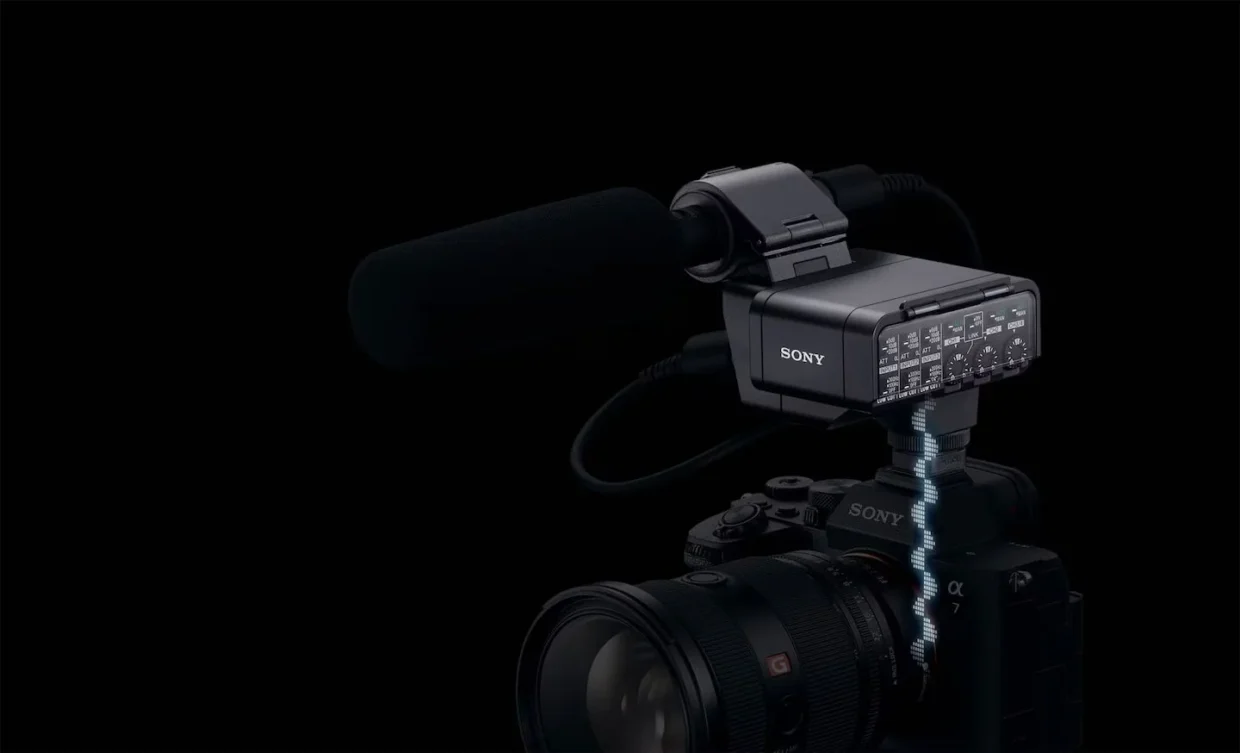
Moving away from the camera, we have the XLR-A4 XLR adaptor. This accessory expands the on-camera audio capabilities so it can be more suitable for professional production.
One of the adaptor’s main features is its ability to record digital audio at up to 96kHz, 32-bit float, 4-channel on compatible devices, making full use of the quality offered by XLR microphones. According to Sony, the 32-bit float format eliminates the need for fine gain adjustments, which helps reduce the risk of audio distortion.

The adaptor lets the camera record up to four channels of digital audio, supporting XLR microphones like the ECM-778 (up to two channels) as well as standard 3.5mm stereo mics via the Multi Interface (MI) Shoe. Dual AD converters help capture a wide dynamic range, from quiet ambience to loud action, with clarity.
It is also USB Audio Class 2.0 compatible, functioning as a 96 kHz, 24-bit, 2-channel audio interface for on-site monitoring and basic editing when connected to a PC. The supplied shoe audio extension cable lets users position microphones up to around 60cm from the camera, with side routing to minimise interference with rigs and accessories.
Pricing And Availability

While the company has launched the camera and adaptor in Malaysia, neither is available for sale just yet. According to the press release, the Alpha 7R VI and XLR-A4 will hit stores in June 2026 for RM18,999 and RM2,599, respectively.
Pre-orders for the camera are already open on Sony’s official website, while the adaptor is still listed as “available soon”. It’s also worth noting that those who purchase the camera from 14 May to 14 June will receive a free SD card and a PGYTECH roller backpack
(Source: Sony press release)
