
The European Union (EU) has long proposed making USB-C charging the standard for portable electronic devices. Even the mighty Apple was brought to heel in 2023, seeing all iPhones from the iPhone 15 onwards sporting the port. Compared to other devices, laptops were given a longer period of time to conform to the law. That grace period ended recently, and now all new laptops sold in the region must have a USB-C charging port.
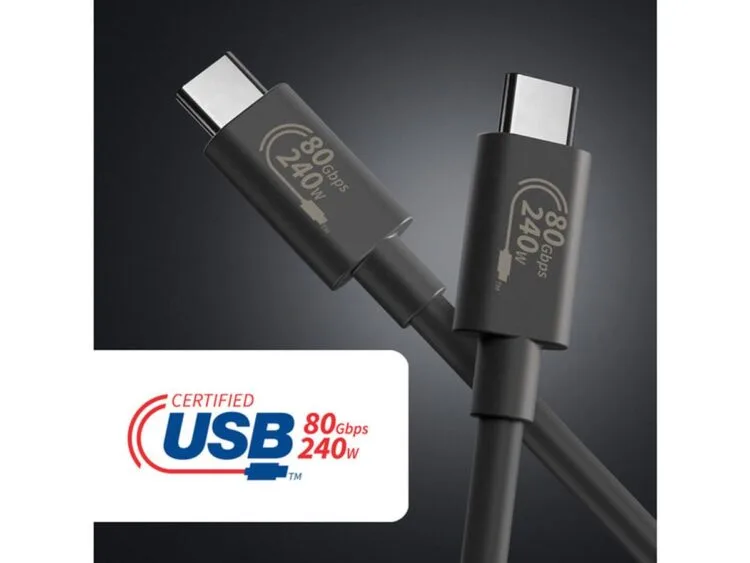
A bit more specifically, the ruling specifies that mobile devices that can do wired charging must have a USB-C port to do so. And if it can support wired charging at “voltages higher than 5 Volts, currents higher than 3 Amperes or powers higher than 15 Watts”, then it must also support the USB Power Delivery (PD) protocol. The directive does mention that the USB PD protocol does now support charging up to 240W, so there’s really no reason to not use USB-C for it.

That being said, the EU directive does not prevent manufacturers from also including their own proprietary chargers. This is as long as it does not interfere with the mandatory USB-C PD mentioned above. To cite directly from the, er, directive, laptops must “ensure that any additional charging protocol allows for the full functionality of the USB Power Delivery … irrespective of the charging device used”.
As part of the directive, makers must also let potential customers buy their laptops with the charger unbundled. This is specifically for users with chargers from prior purchases that can be used to charge the new laptop, reducing e-waste as a result. That being said, if I’m getting a laptop with a charger that can do 240W charging, I’d get it anyway and recycle my older chargers instead.
Just as the USB-C mandate for the iPhone benefitted the rest of the world, here’s hoping that this does the same as well. But to be clear, this only affects new laptops entering the EU market for now. This means those already in the market that don’t meet the criteria of the directive don’t need to be cleared out to make way for the new ones. This means it will be awhile before we all benefit from this EU directive.
