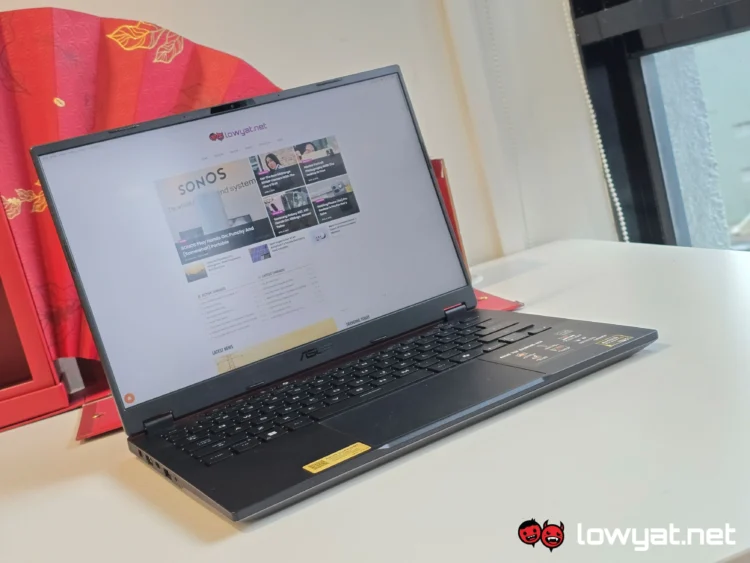
ASUS has always marketed its TUF Gaming lineup as its less premium, less scrappy but lovable series, and with 14-inch laptops like the TUF Gaming A14, the brand is covering as much of its base for the market segment as it can.
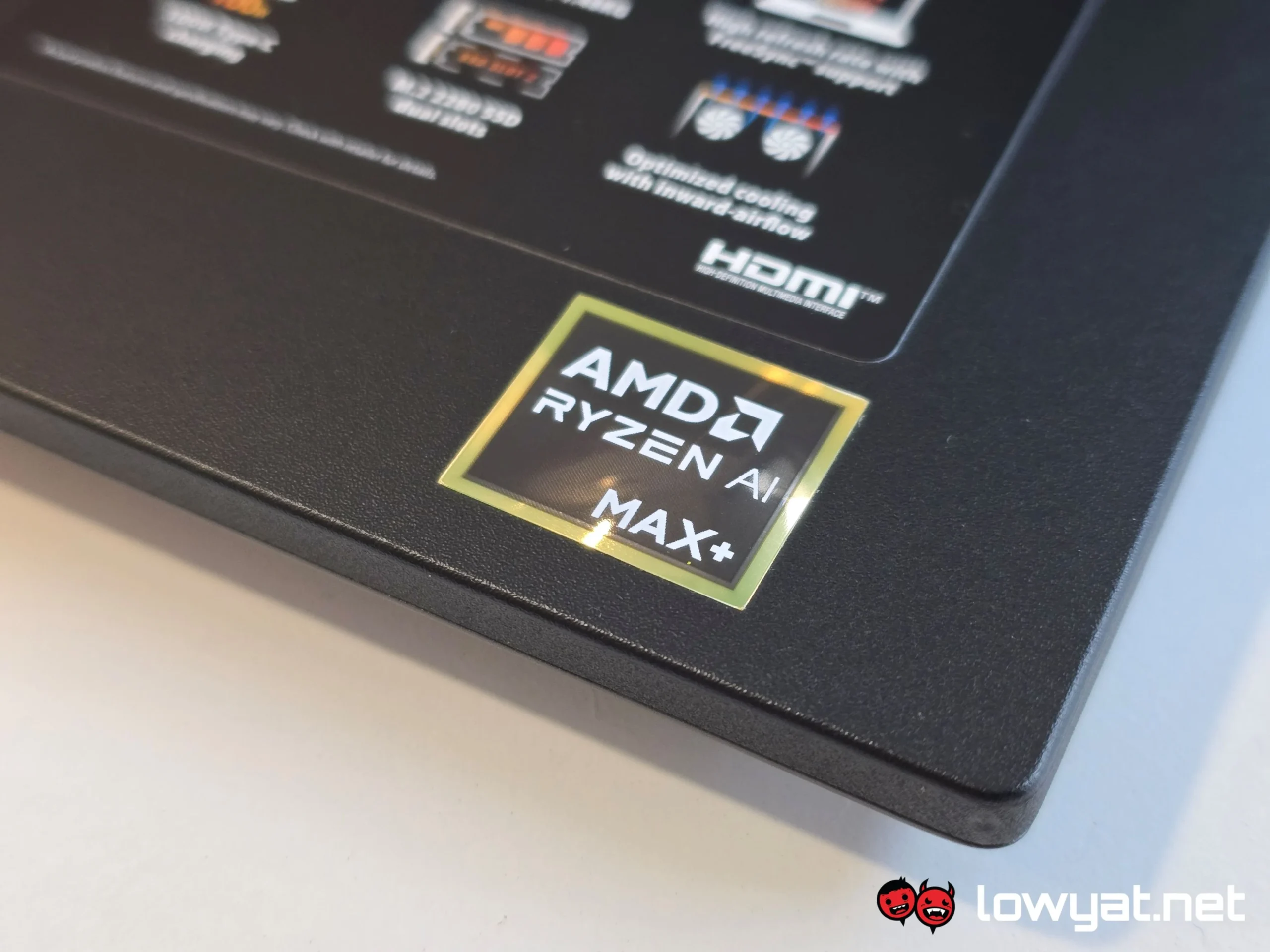
Compared to previous iterations, though, this year’s TUF Gaming A14 does away with a discrete GPU and, like the Flow Z13 2025, is going all-in with a Ryzen AI Max+ APU.
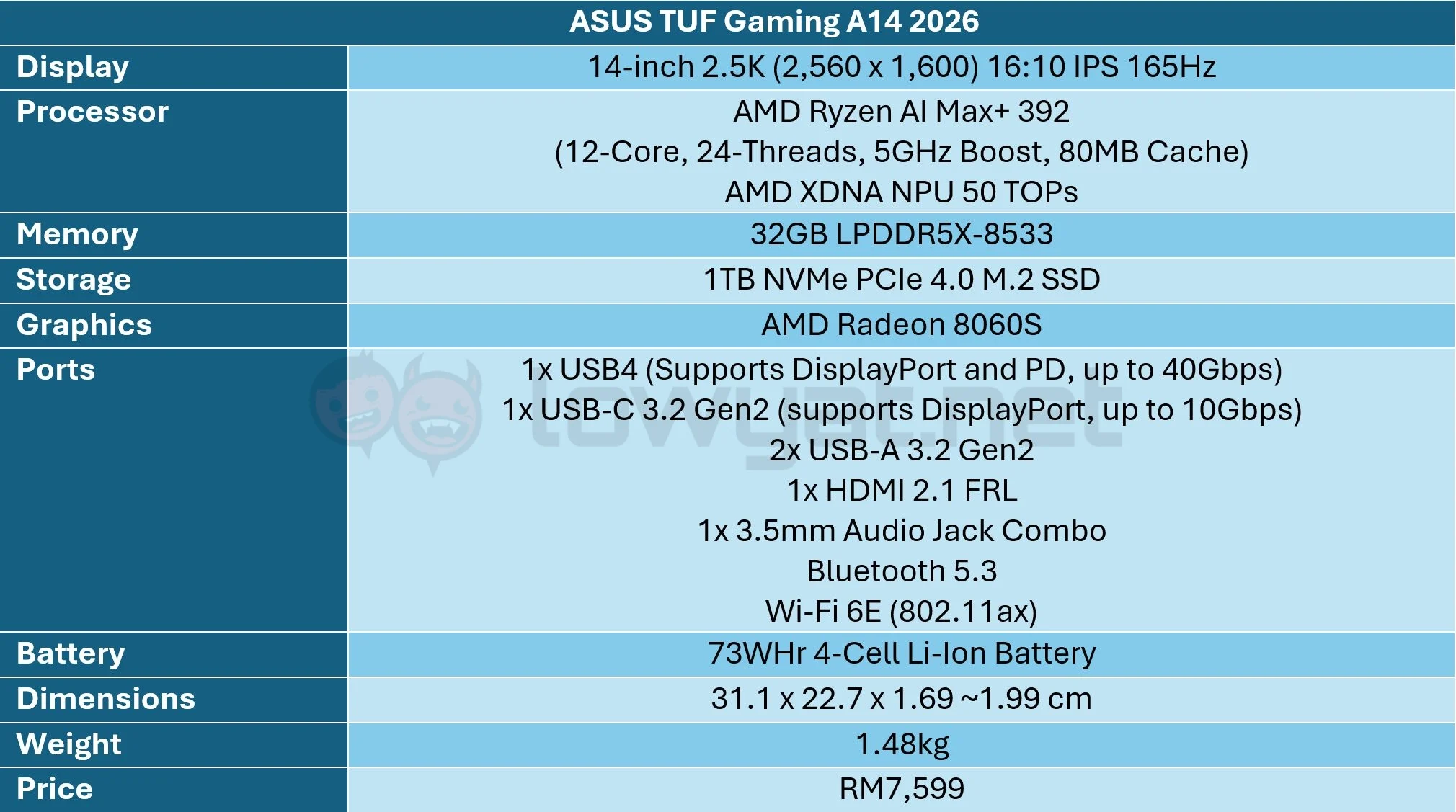
Specifications
Design And Functionality
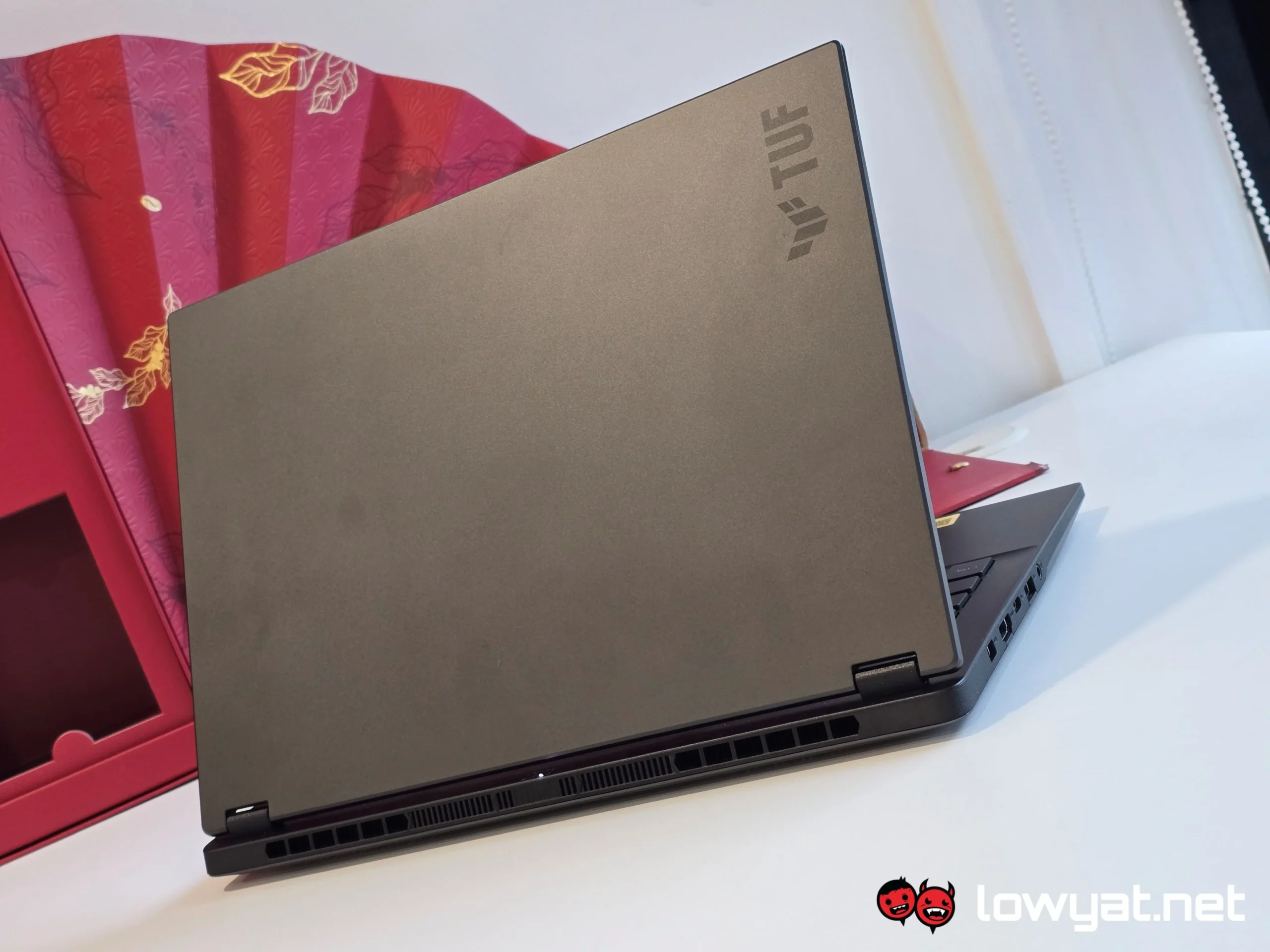
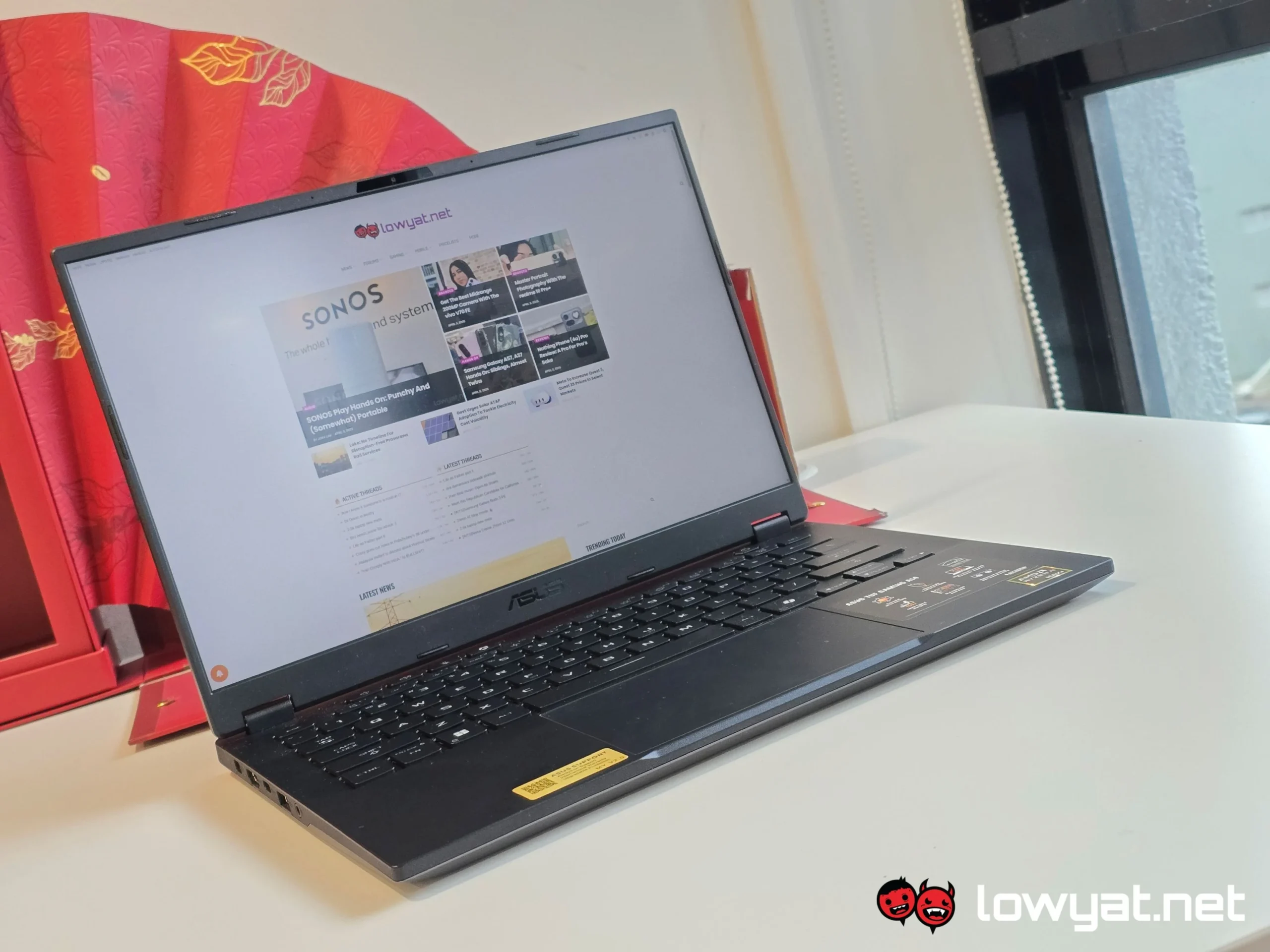
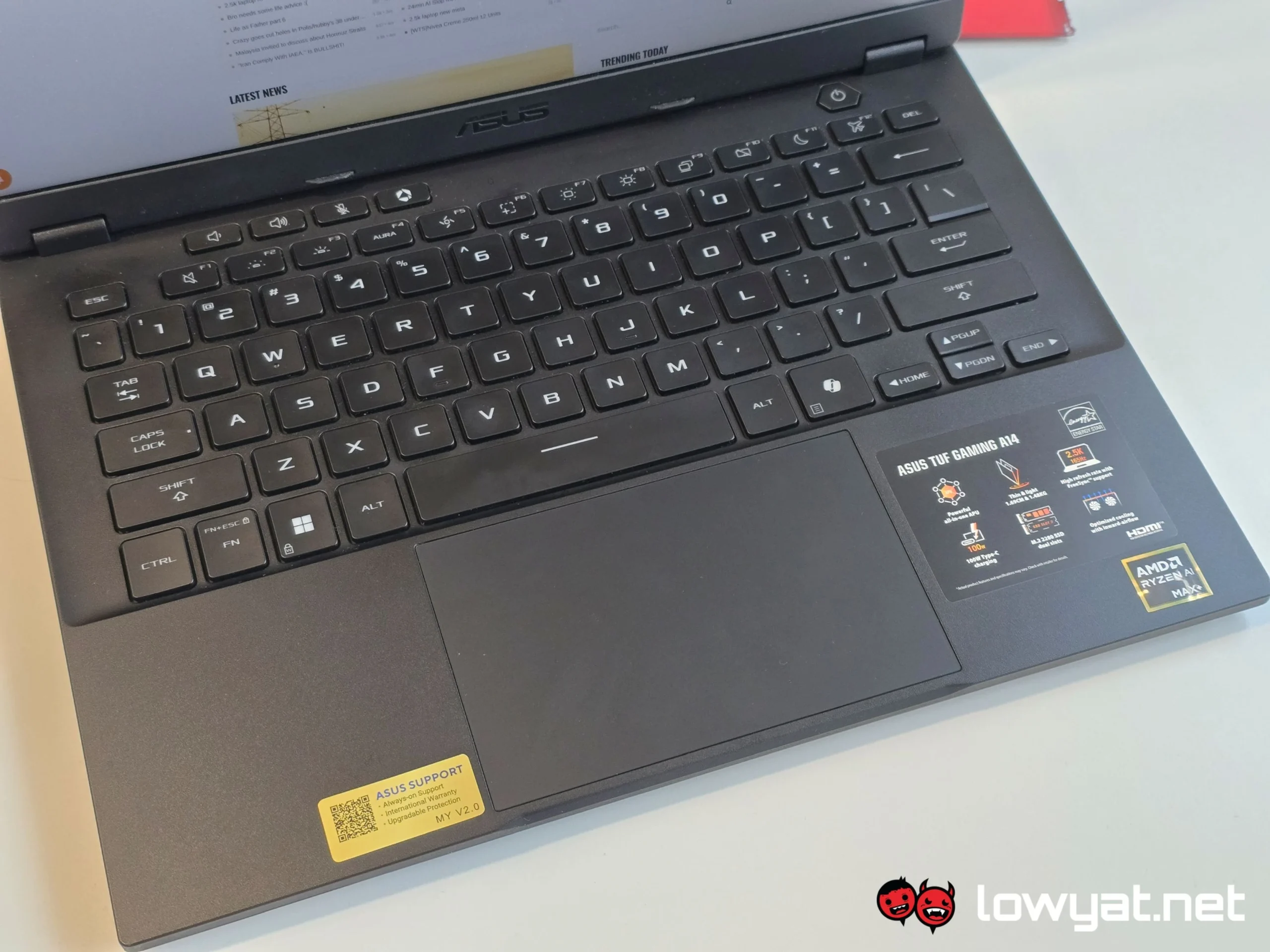
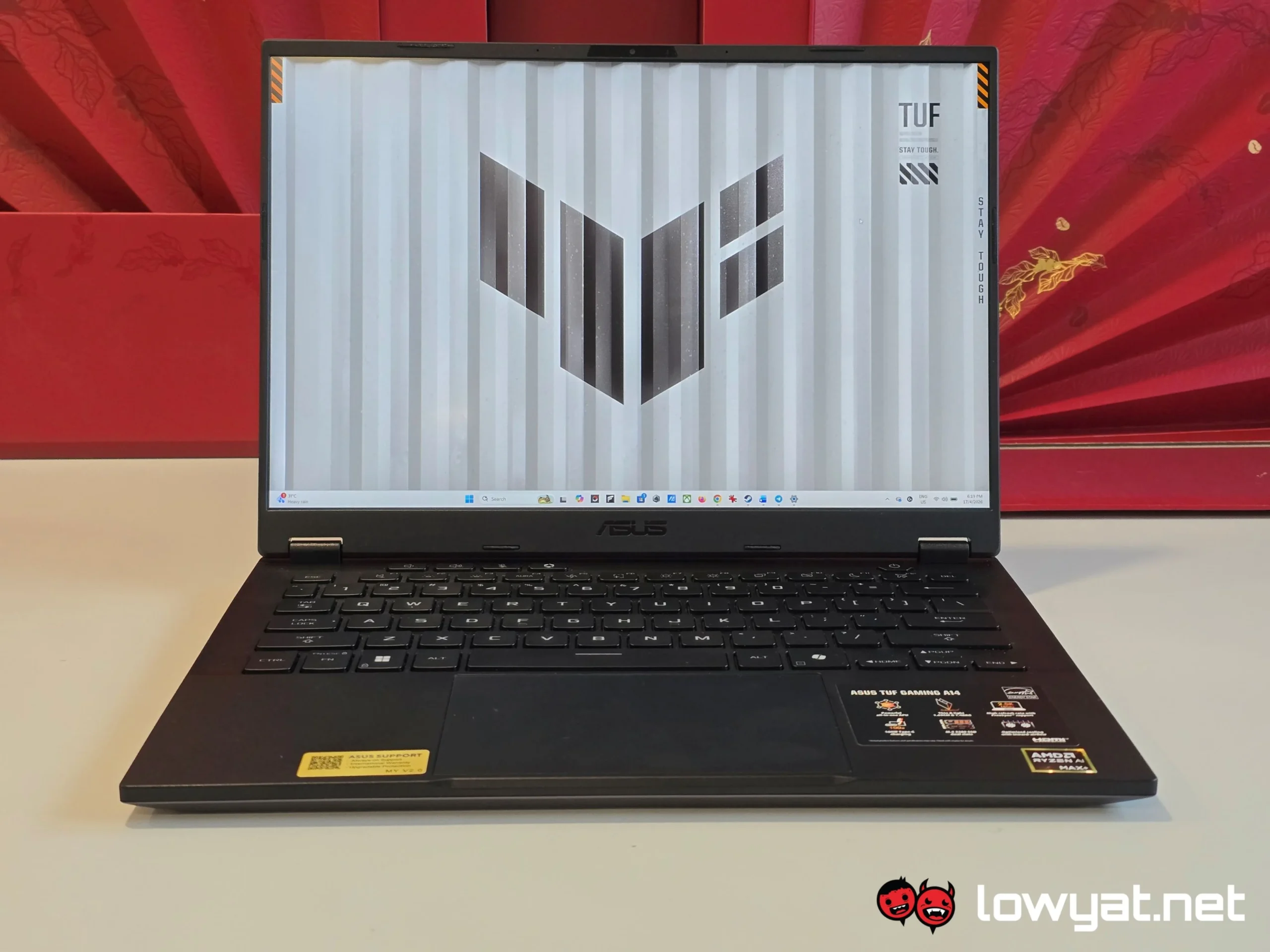
This year’s TUF Gaming A14 looks no different from past models, at least in its chassis design. In the case of my review unit, you get the same gunmetal grey colourway, the same keyboard layout – media buttons at the top-left, while the power button gets an isolated corner at the top-right – that features backlit LEDs, but if you’re hoping for RGB LEDs, allow me to disappoint you by saying no: it’s just white.
To put it plainly, the TUF Gaming A14 isn’t winning any awards for its design, simply because it looks boring.
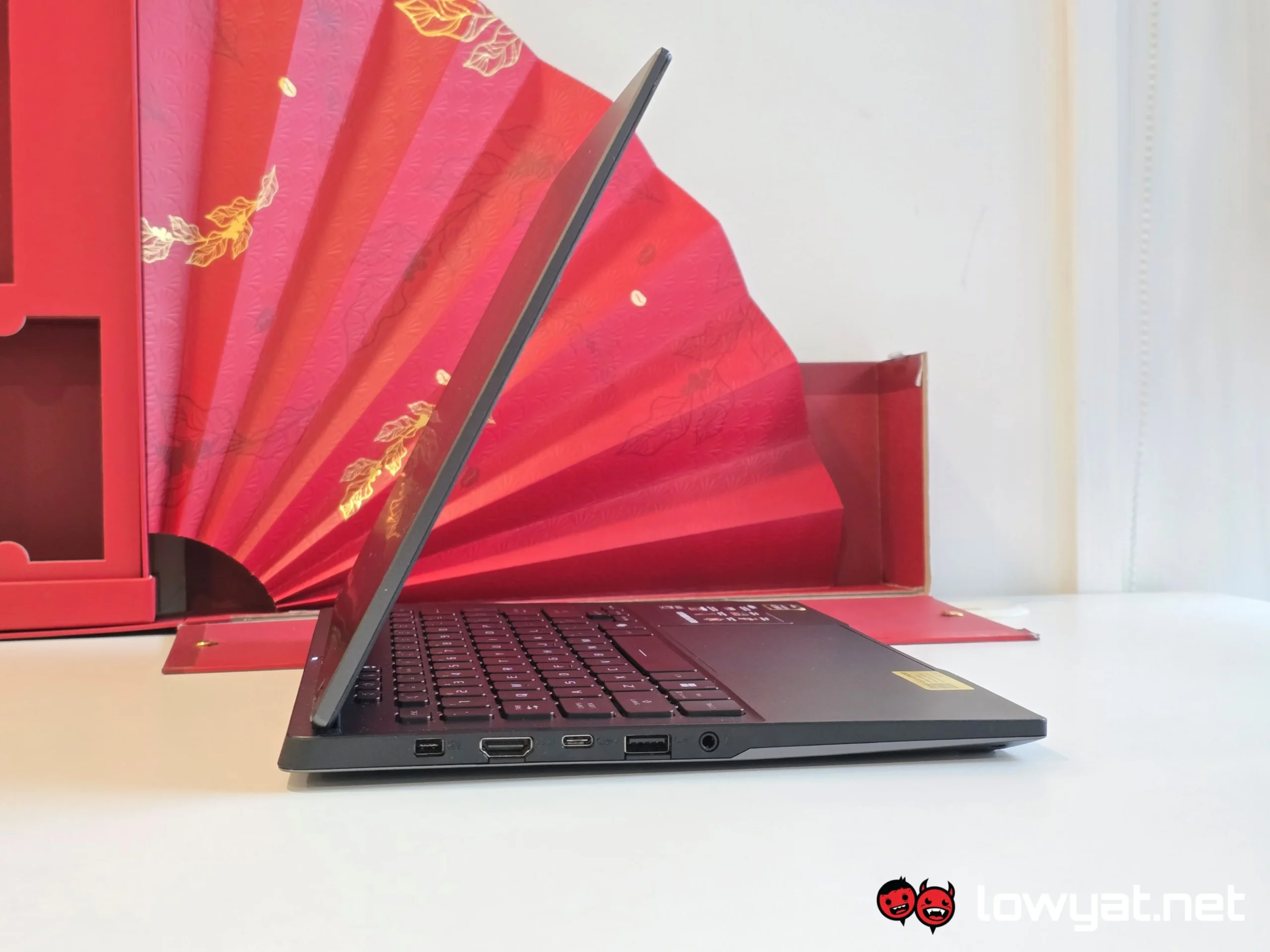
Ports-wise, it’s got a healthy number of ports, including a USB4 ports (which is expected, given the chipset inside this laptop), USB-A ports, and the ubiquitous HDMI 2.1 port for if you want to extend your display, just like I do. Oh, and the USB4 port does support 100W charging, so if you haven’t got the laptop’s dedicated 200W adapter with you, just any 100W-capable adapter will do the trick, if you’re in a pickle.
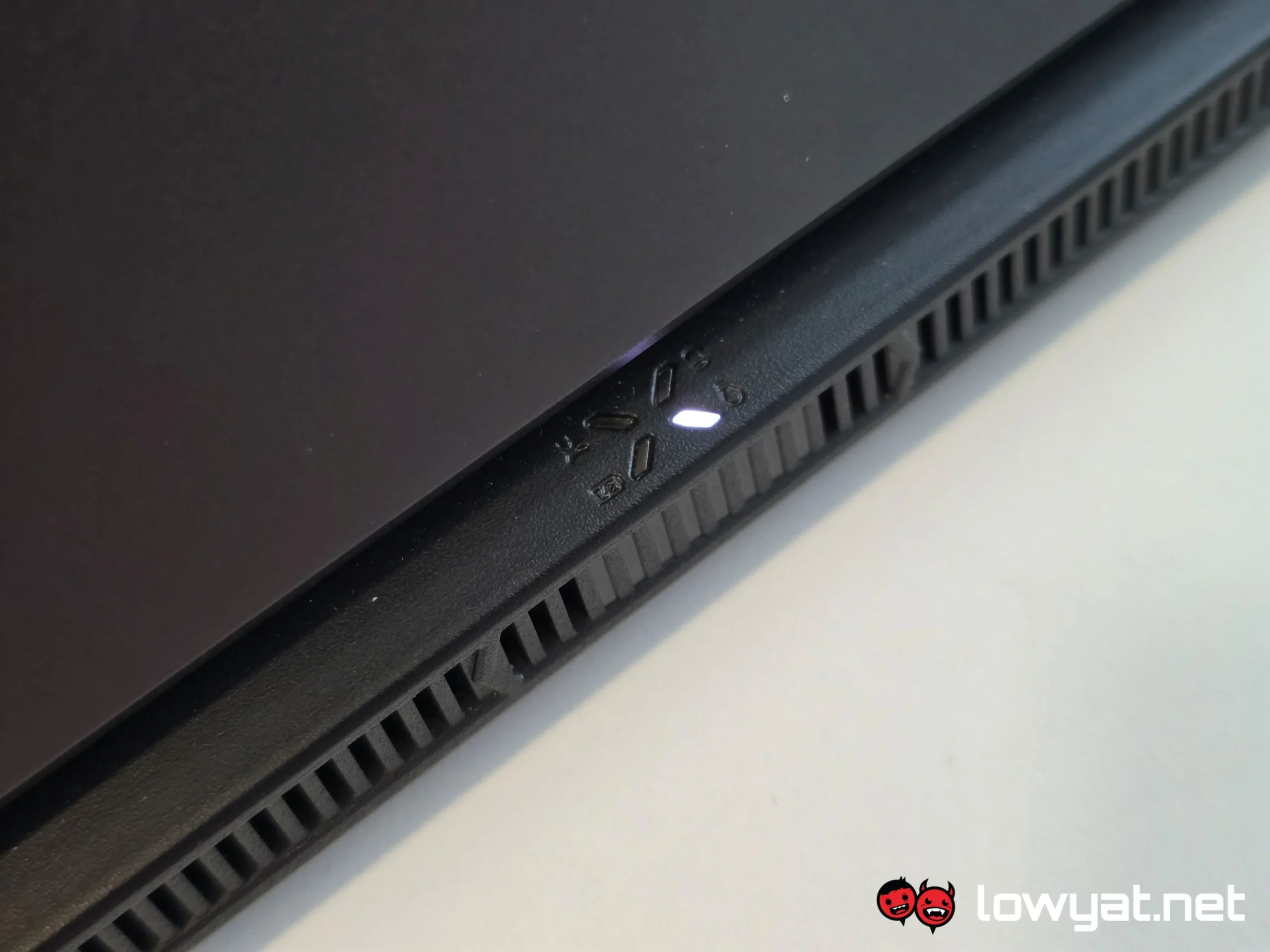
Moving forward, the TUF Gaming A14 is one of ASUS’ only laptops to continue the extended and protruding rear design. At this point, it’s a relatively dated design and compared to the Lenovo Legion laptop series, I am sorry to say its rival does it better. On top of that, I am still baffled by ASUS’ decision to keep the four seed-sized lighting indicators behind and blocked by the display, instead of making a slight tweak to the design and having it based in front of the user, where we can actually see the damn lights blinking
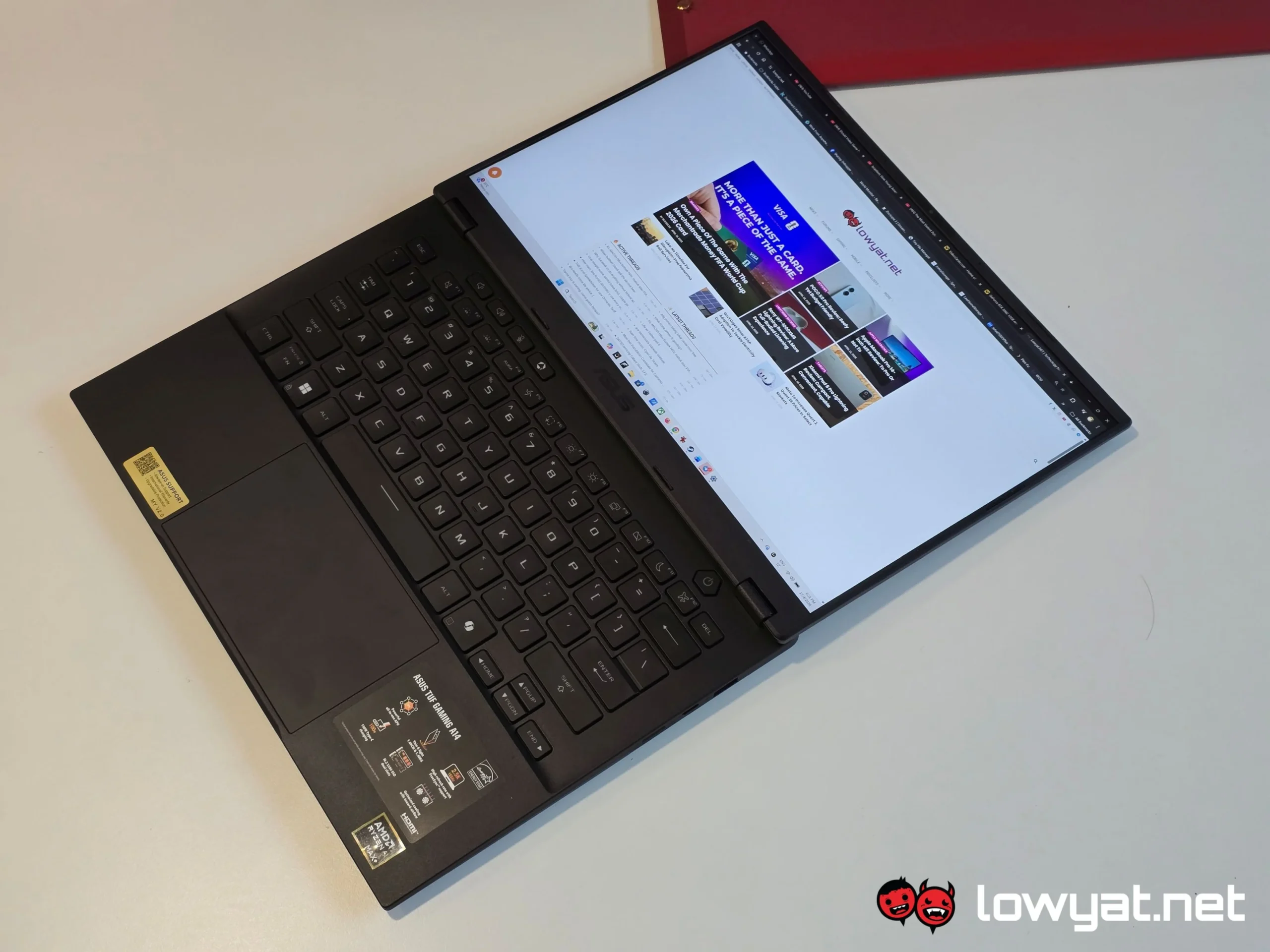
One plus point of the TUF Gaming A14 is the display. Granted, it’s not the brightest, but you are getting QHD+ resolution in a 14-inch form factor, plus 165Hz refresh rate. Honestly, that’s pretty sweet for me.
Then there’s the overall weight of the TUF Gaming A14, which is a little surprising when you compare it with its predecessor. Despite only having an APU and no discrete GPU, it actually weighs in just slight heavier at 1.48kg – last year’s model weighed in at 1.46kg.
Performance And Battery Life
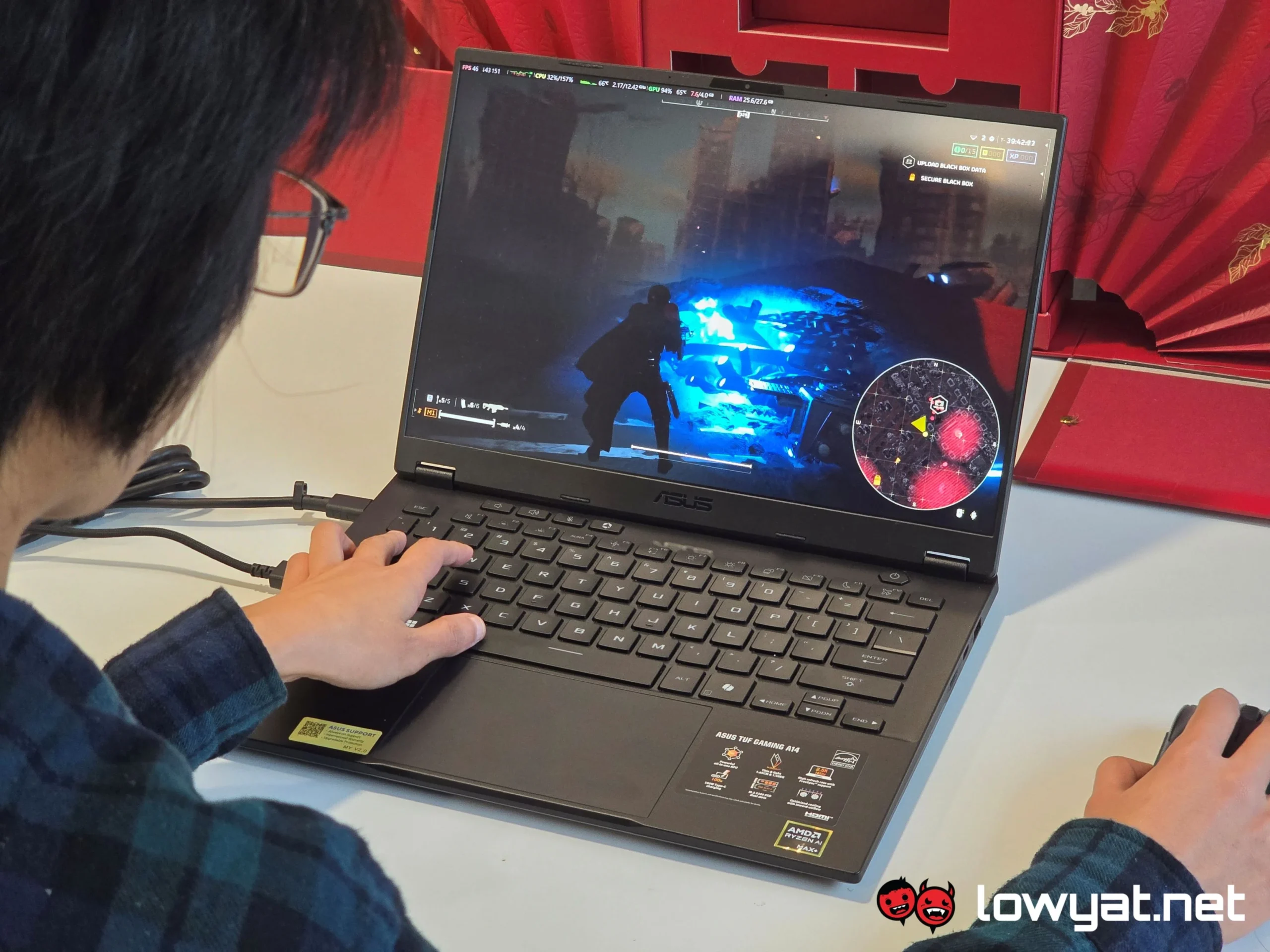
Considering that I reviewed the ROG Flow Z13 and its Ryzen AI Max+ 395 APU last year, and seeing how the Max 392 isn’t that different, I will say that I was expecting more of the same sort of performance. I was not disappointed.
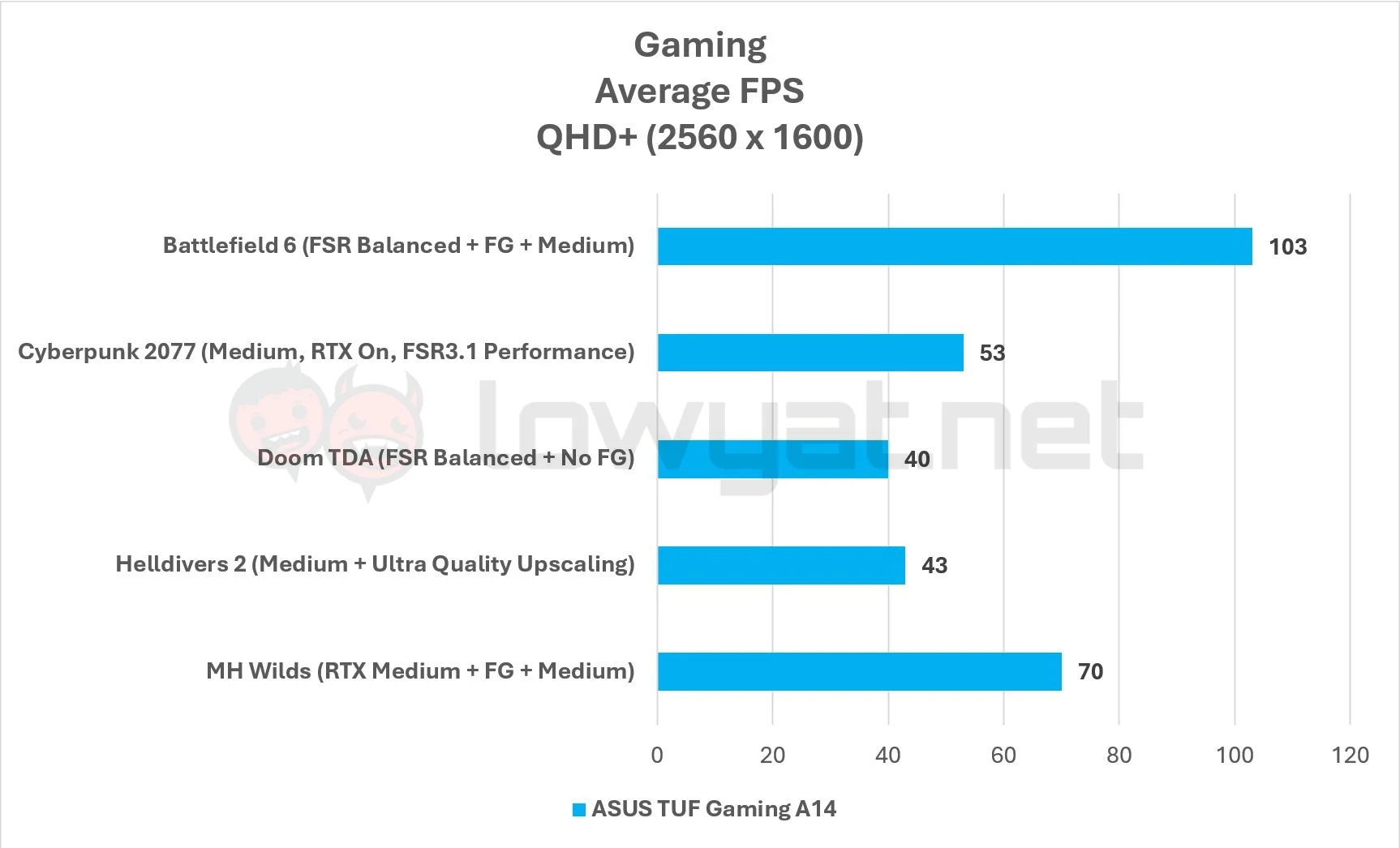
Despite having four less CPU cores, the iGPU in the Max 392 is the same. Sans any ray tracing, and this APU runs games at QHD+ at 45 fps on average for the more demanding titles, such as Doom The Dark Ages, Cyberpunk 2077, and Helldivers 2, the latter not really getting any higher at Ultra Quality primarily due to the nature of its engine.
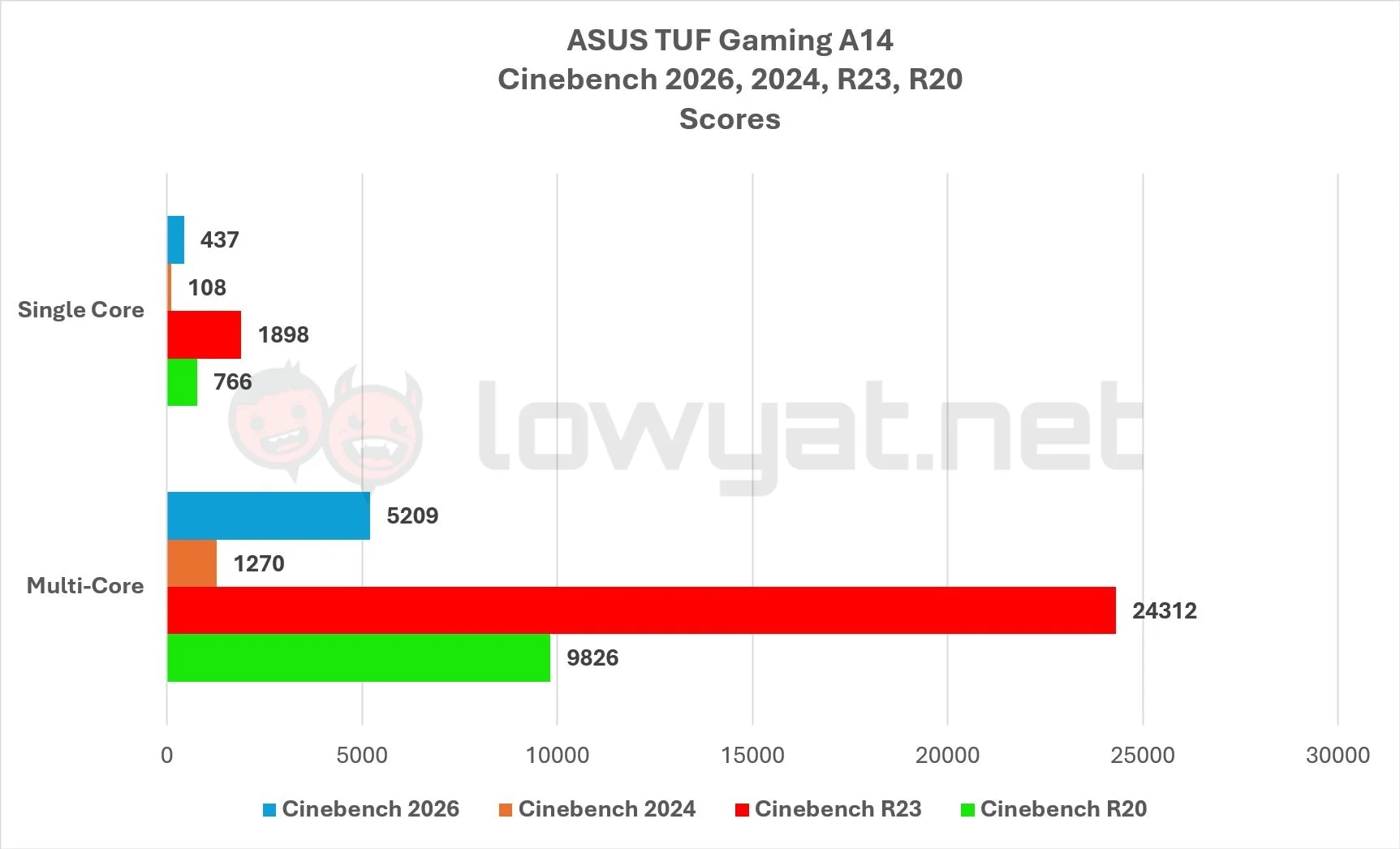
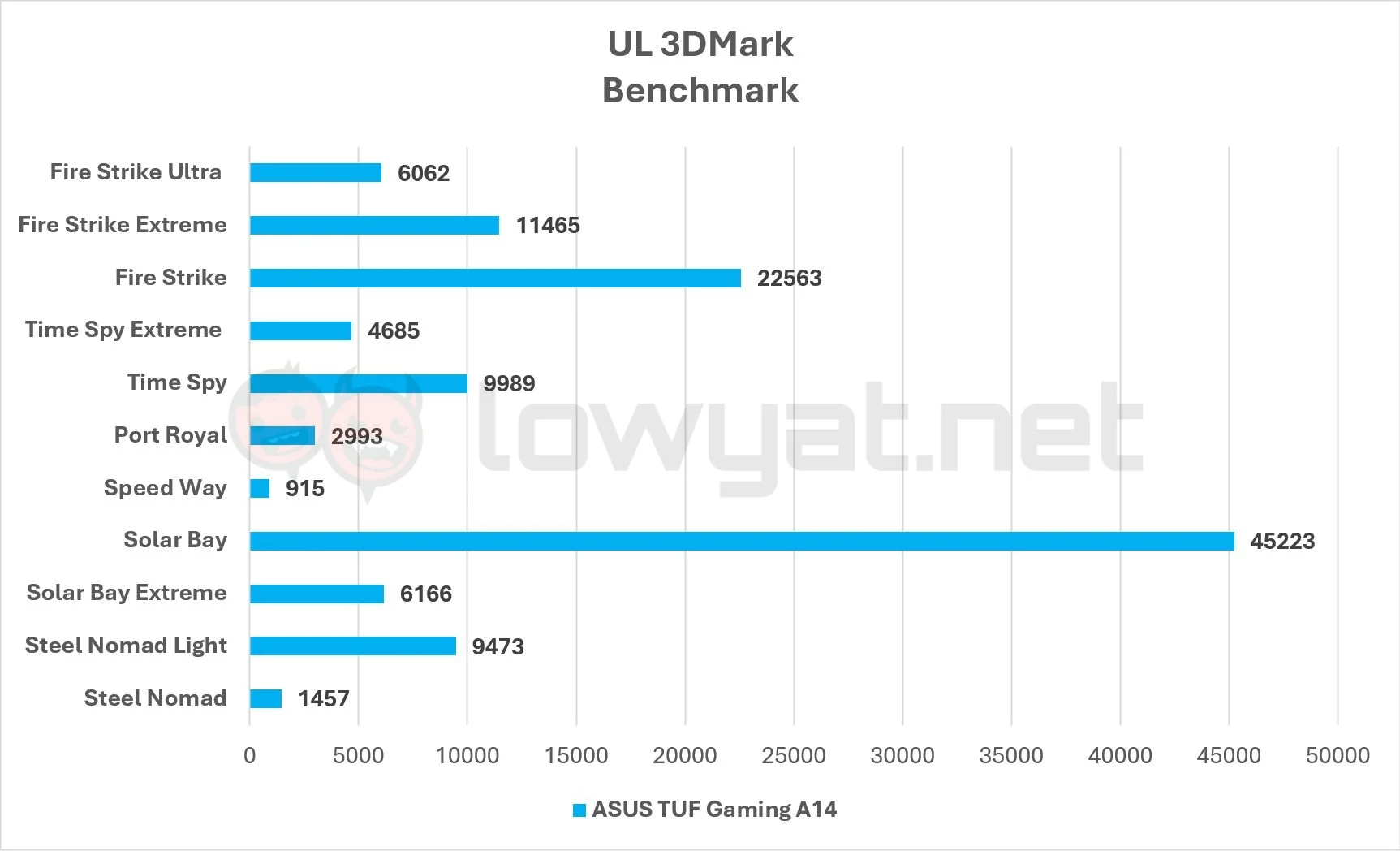
In the other two titles, Monster Hunter Wilds and Battlefield 6, it’s astonishing that this APU managed to sustain up to 100 fps on average with the graphics preset set at medium and, again, with ray-tracing turned on in most of them, albeit low. Doom The Dark Ages is the exception here: that game has ray-tracing baked in, and there is no way to turn it off.
Battery life is something of an oddity. Allow me to explain: most times, the battery test I conduct with laptops gives a consistent average. With the TUF A14, that average feels like a fulcrum swing.
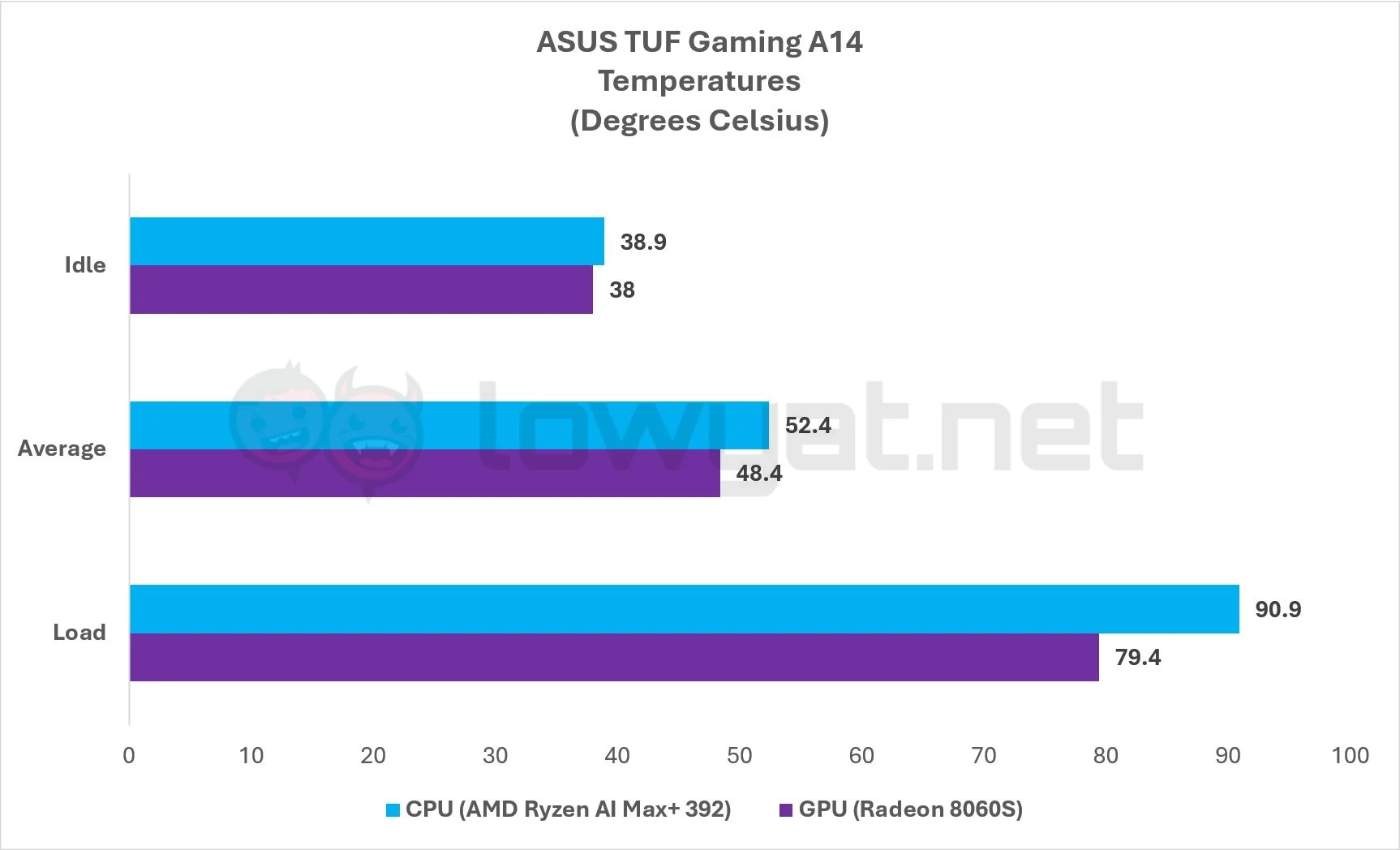
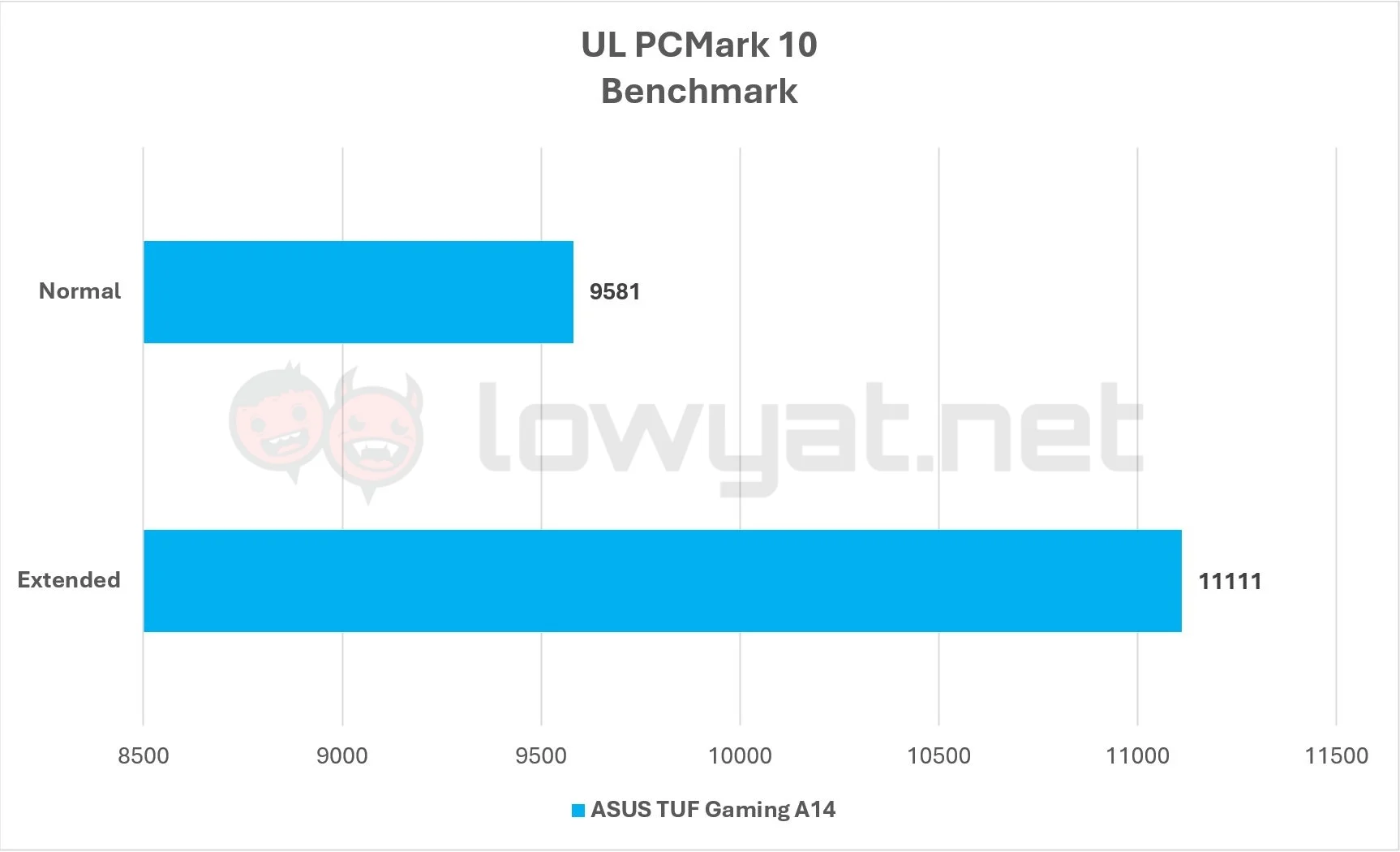
Let’s be clear though: using this laptop as my daily driver, I can get an average of 10 and 11 hours on a single charge, before it enters single-digit life. However, there have been days when this machine can’t hack it, requiring a charge after less than five hours of use. Worse still, this incident occurs at random.
Conclusion
Would I recommend ASUS’ 2026 version of the TUF Gaming A14 as a daily driver and workhorse? Absolutely, provided you can do away with some of the more premium creature comforts, such as OLED, customisable RGB LEDs, and you’re alright with a boring and unassuming look.
That being said, RM7,599 feels a little steep for an all-APU laptop. That being said, it’s still more practical than the tablet laptop form factor of last year’s Flow Z13, but hey, at least the battery life’s a helluva lot better. Honestly, it’s a punch up between this and ASUS’ refreshed Zenbook S16, but keep in mind that this APU is designed for gaming, while the Ryzen AI HX SKUs can game, albeit not as well as the Max architecture.
Photography by John Law.