
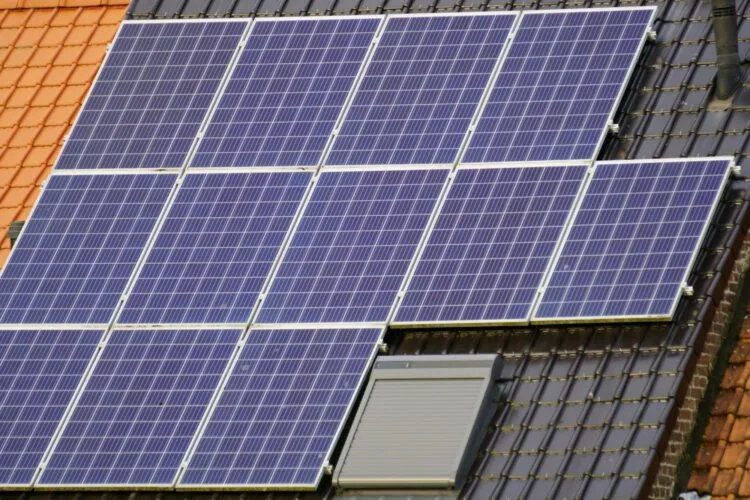
The government is urging both domestic and non-domestic electricity users to subscribe to the Solar Accelerated Transition Action Programme (Solar ATAP), as part of efforts to strengthen energy self-sufficiency and cushion against global electricity price volatility. The Ministry of Energy Transition and Water Transformation (PETRA) said the initiative is increasingly important as external factors, such as the global energy crisis, continue to influence electricity tariffs.
Introduced on 1 January 2026, Solar ATAP promotes rooftop solar adoption by allowing users to generate their own electricity through solar photovoltaic (PV) systems. The programme builds on the earlier Net Energy Metering (NEM) mechanism, which ended on 30 June 2025, while aiming to be more inclusive and accessible.
How Solar ATAP Works
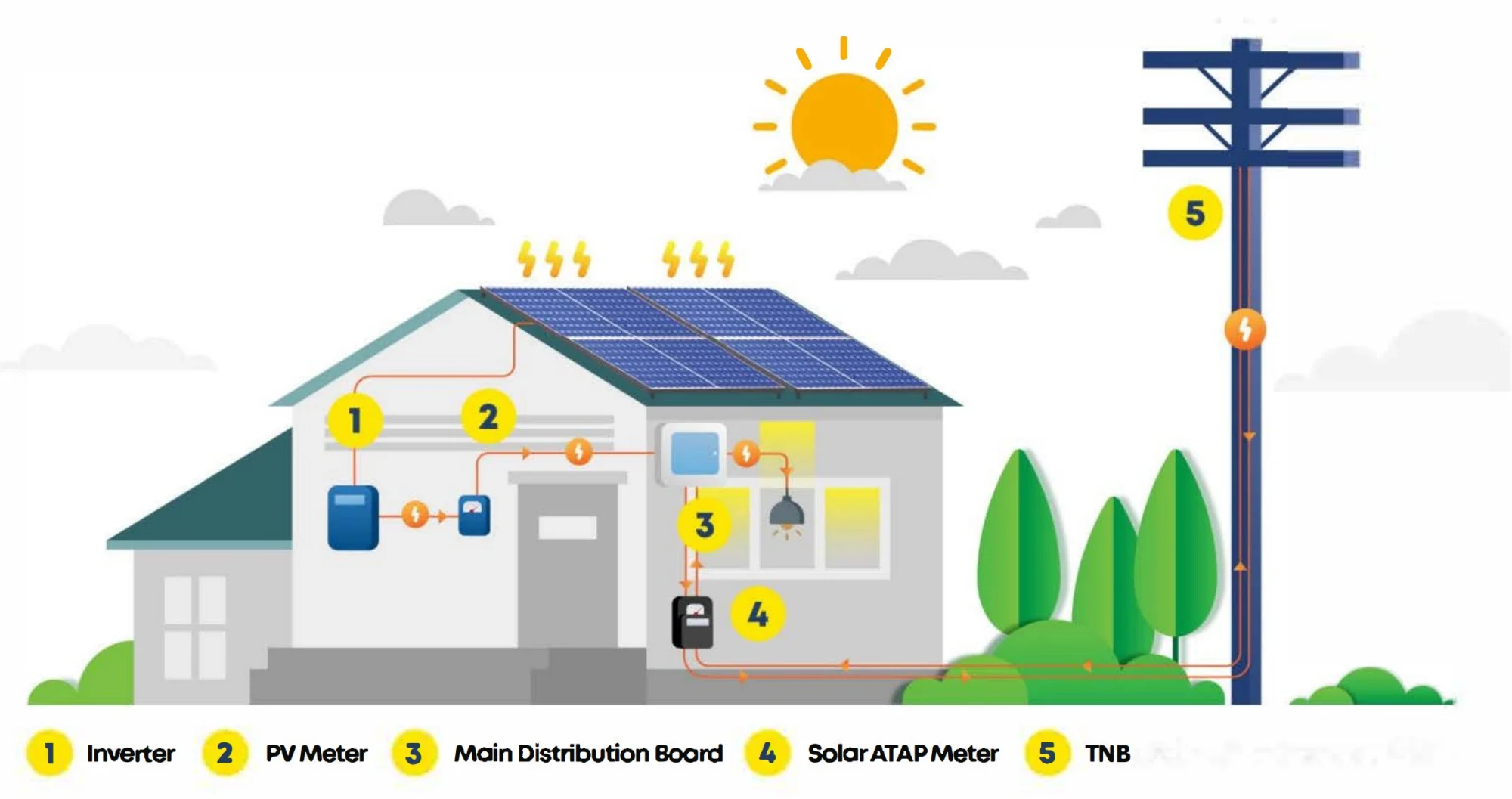
Under Solar ATAP, users prioritise self-consumption by using the electricity generated from their rooftop solar systems first. If the system produces more energy than needed, the excess can be exported to the Tenaga Nasional Berhad (TNB) grid, where users receive ATAP credits that help offset future bills.
When solar generation falls short, such as at night or during low sunlight conditions, electricity supply continues seamlessly from TNB. This hybrid approach allows users to reduce dependence on grid electricity while maintaining a stable power supply.
Options For Businesses And Large Users
For non-domestic consumers, the ministry noted that various procurement models are available through solar installation companies. These arrangements allow businesses to adopt solar energy without significant upfront investment, making the transition more financially viable.
Meanwhile, Medium Voltage (MV), High Voltage (HV), and Ultra High Voltage (UHV) users that require predictable electricity costs may consider the Corporate Renewable Energy Supply Scheme (CRESS). The scheme offers access to long-term green energy supply, helping organisations manage price fluctuations more effectively.
How To Apply
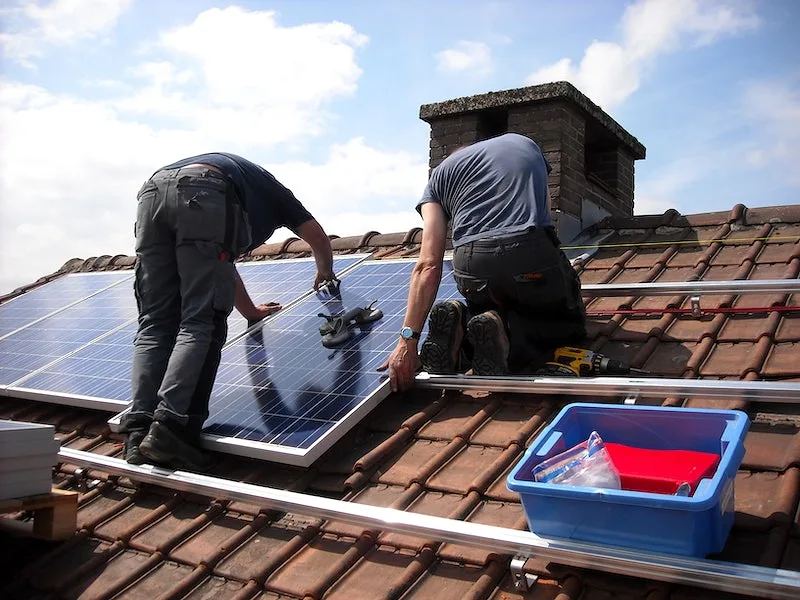
According to the programme’s official website, users interested in Solar ATAP should first engage a registered installer. The installer will assess the property’s suitability, including roof condition, shading, and electricity usage patterns, before proposing a system design tailored to the user’s needs.
Once the quotation is finalised and agreed upon, the installer will handle the application submission to the Sustainable Energy Development Authority Malaysia (SEDA), including required documents such as a recent TNB bill, identification, and proof of property ownership or consent. Approval typically takes between two to four weeks, depending on grid capacity in the area, and unlike previous NEM schemes, Solar ATAP does not operate on a fixed quota system.
Following approval, installation can proceed, taking one to two days for residential setups and up to a couple of weeks for larger commercial systems. The final step involves inspection by TNB, which will verify safety compliance, install a bi-directional meter, and activate the Solar ATAP account for grid integration.
(Source: PETRA [Facebook] / Bernama)
