

Communications Minister Fahmi Fadzil has provided an update on the government’s plan to ban children aged 16 and below from social media. Speaking during a press conference after an event yesterday, he clarified that while children will not be allowed to operate their own social media accounts, parents may still create and manage accounts on their behalf.
Fahmi said the key concern lies in who controls the account, as allowing children to manage their own profiles could expose them to online safety risks. He noted that accounts managed by parents would allow them to monitor interactions and know if strangers attempt to contact their children.
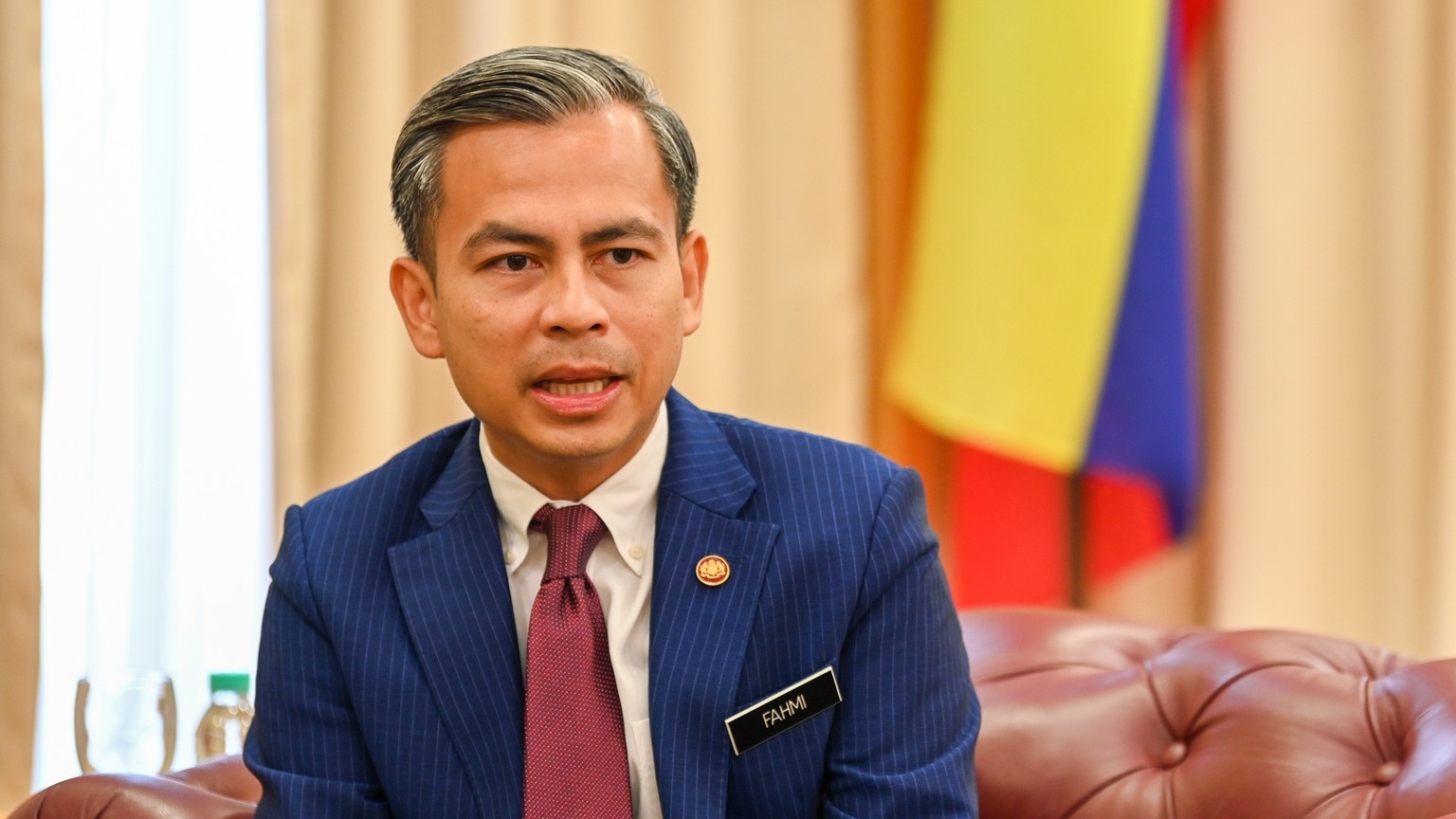
“We do not want children controlling the accounts themselves,” he said. “If the account is opened by parents, at least they will know if unknown individuals try to contact their children.”
The minister also noted that the government is currently running a regulatory sandbox with social media platforms to test the implementation of the proposed minimum age limit of 16 for new account registrations. Authorities are using the sandbox to determine the most practical way to enforce the rule before a wider rollout. Previous statements from the ministry indicated that the government could implement the measure around mid-2026, potentially as early as July.

He added that children would still be able to consume online content, including videos on platforms such as YouTube, even if they cannot create personal accounts. Personal accounts typically allow messaging or other interaction features that enable strangers to contact users.
At the same time, Fahmi urged parents to remain vigilant about their children’s digital habits and avoid leaving them unsupervised with connected devices for long periods. “Devices are not babysitters. Parents also have responsibilities,” he said.
Fahmi also explained that Malaysia will adopt a different approach from the age assurance model used in Australia. Instead of relying primarily on AI-driven tools and third-party verification, the country intends to leverage legislation tied to the national identity card, MyKad, as part of the identity and age verification process.
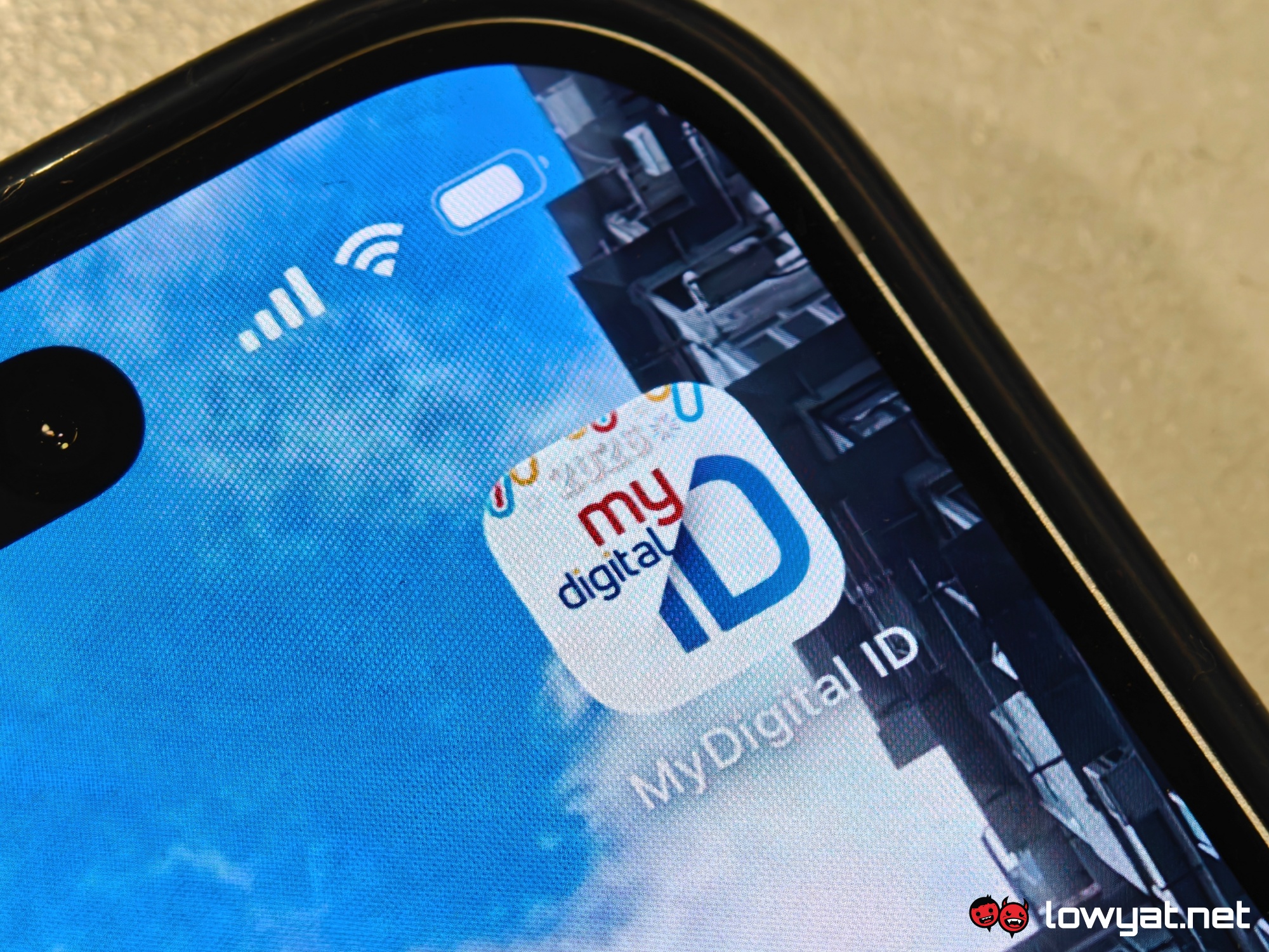
It should be noted that the government previously mentioned electronic Know-Your-Customer (eKYC) as a potential approach to enforce the minimum age requirement. Apart from requiring MyKad or passport details, this method may also involve using MyDigital ID for user verification. The latter is something that the government has been trying to push across its essential services, though reports indicated that adoption as of January this year still falls short of the intended target of 15 million users in 2026.
(Source: Bernama)
