
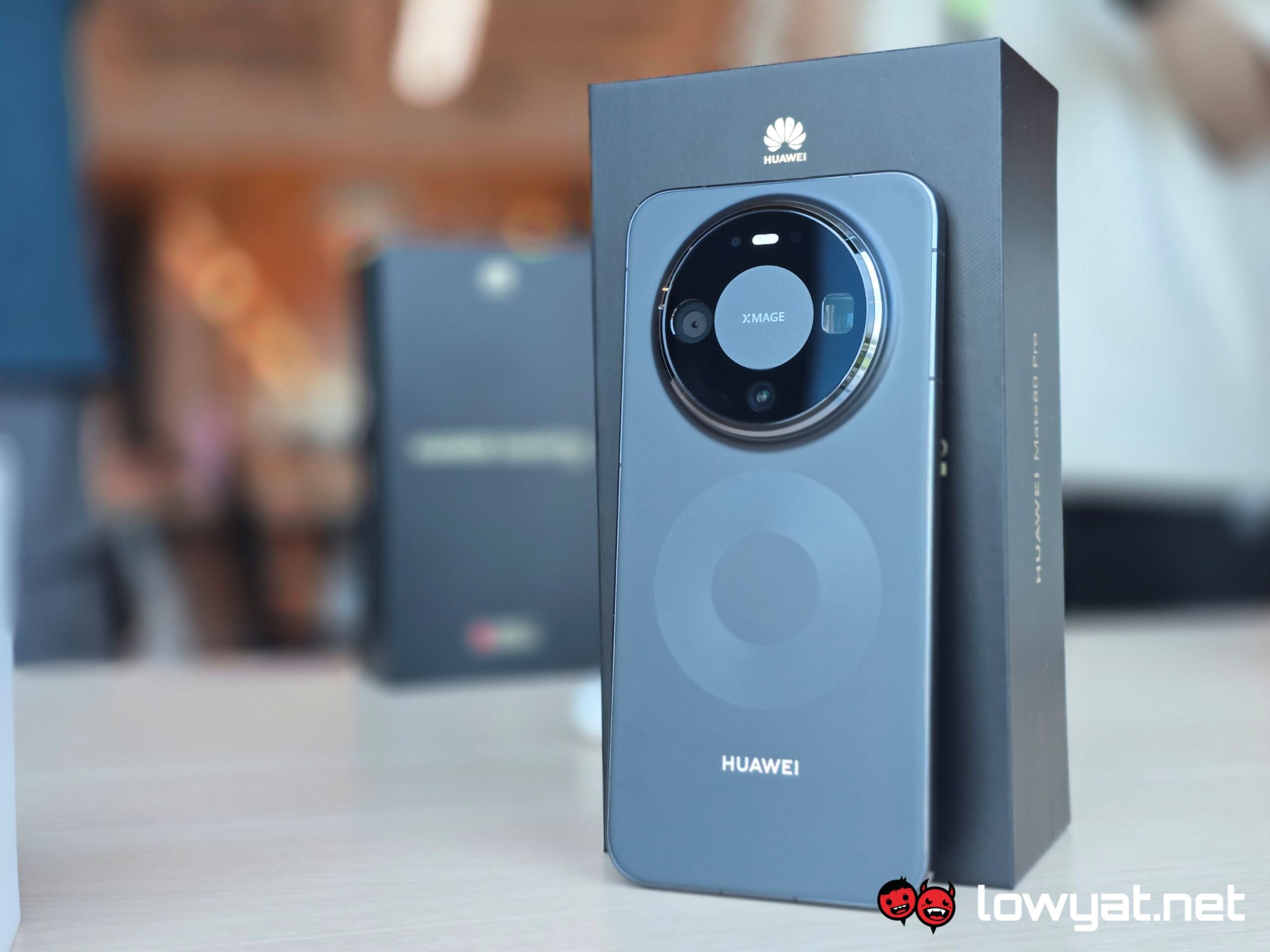
It’s been a good few years since Huawei Malaysia brought in a Mate Series device, and no, the Mate X7 doesn’t count, by virtue of it still technically being a “working proof-of-concept”. The Mate 80 Pro, therefore, marks the return of the brand’s series not just globally, but also into Malaysia.
Let’s talk specs: the Mate 80 Pro is powered by the Kirin 9030 SoC, and for the Malaysian market, Huawei is bringing one variant, and that’s the one with 16GB RAM and 512GB of storage. The display is a 6.75-inch LTPO panel, with 1.5K resolution and 120Hz refresh rate.
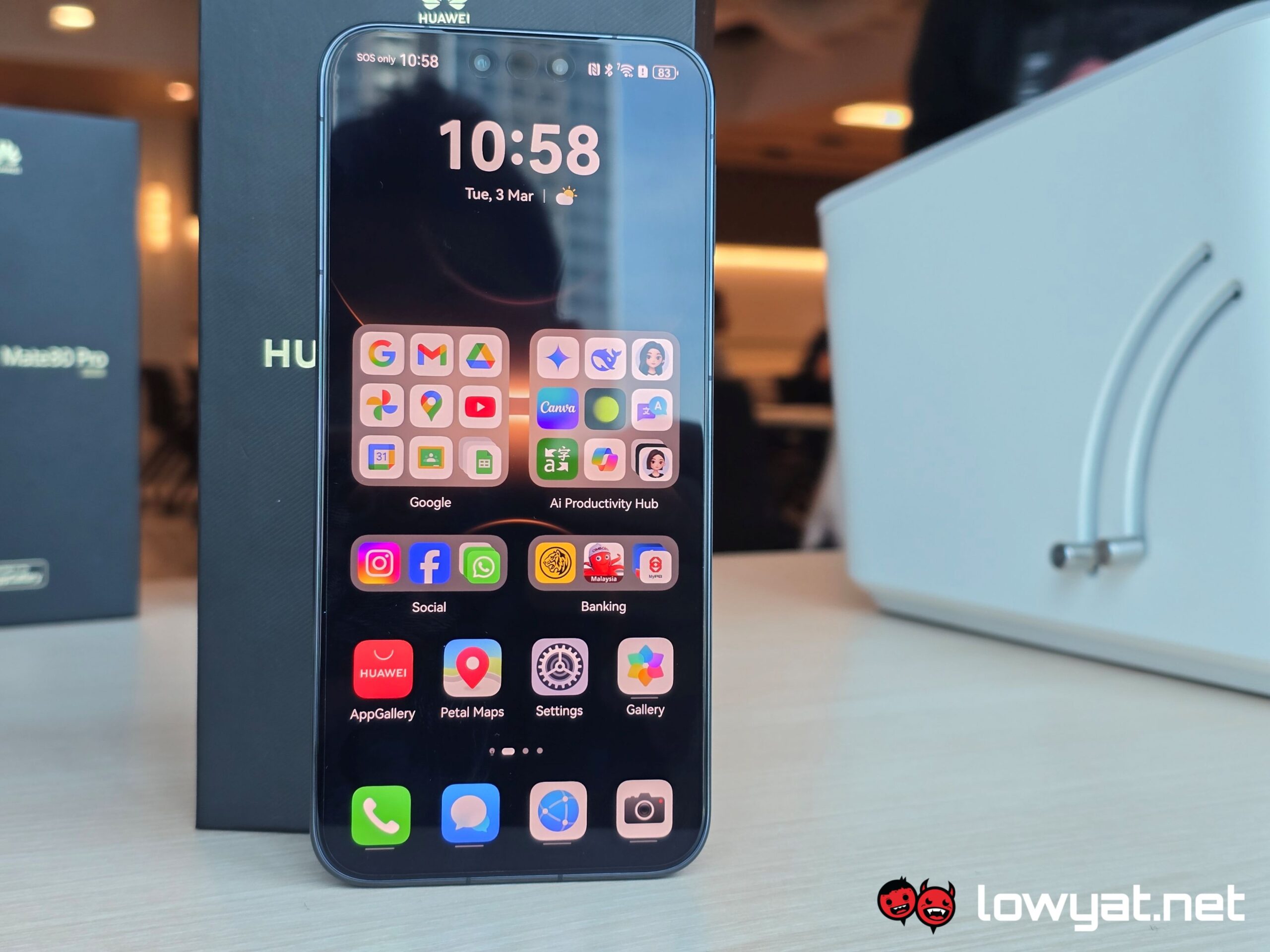
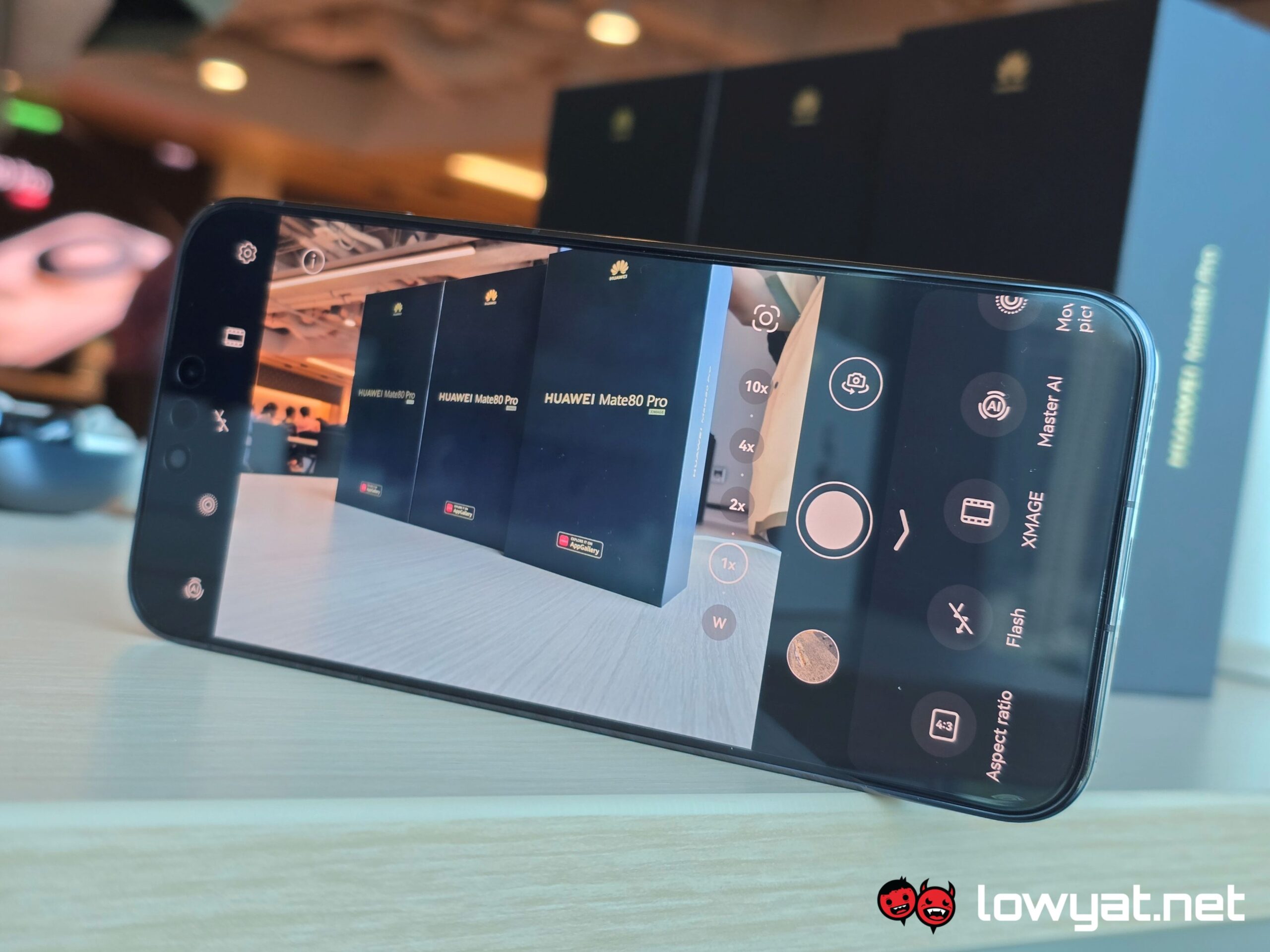
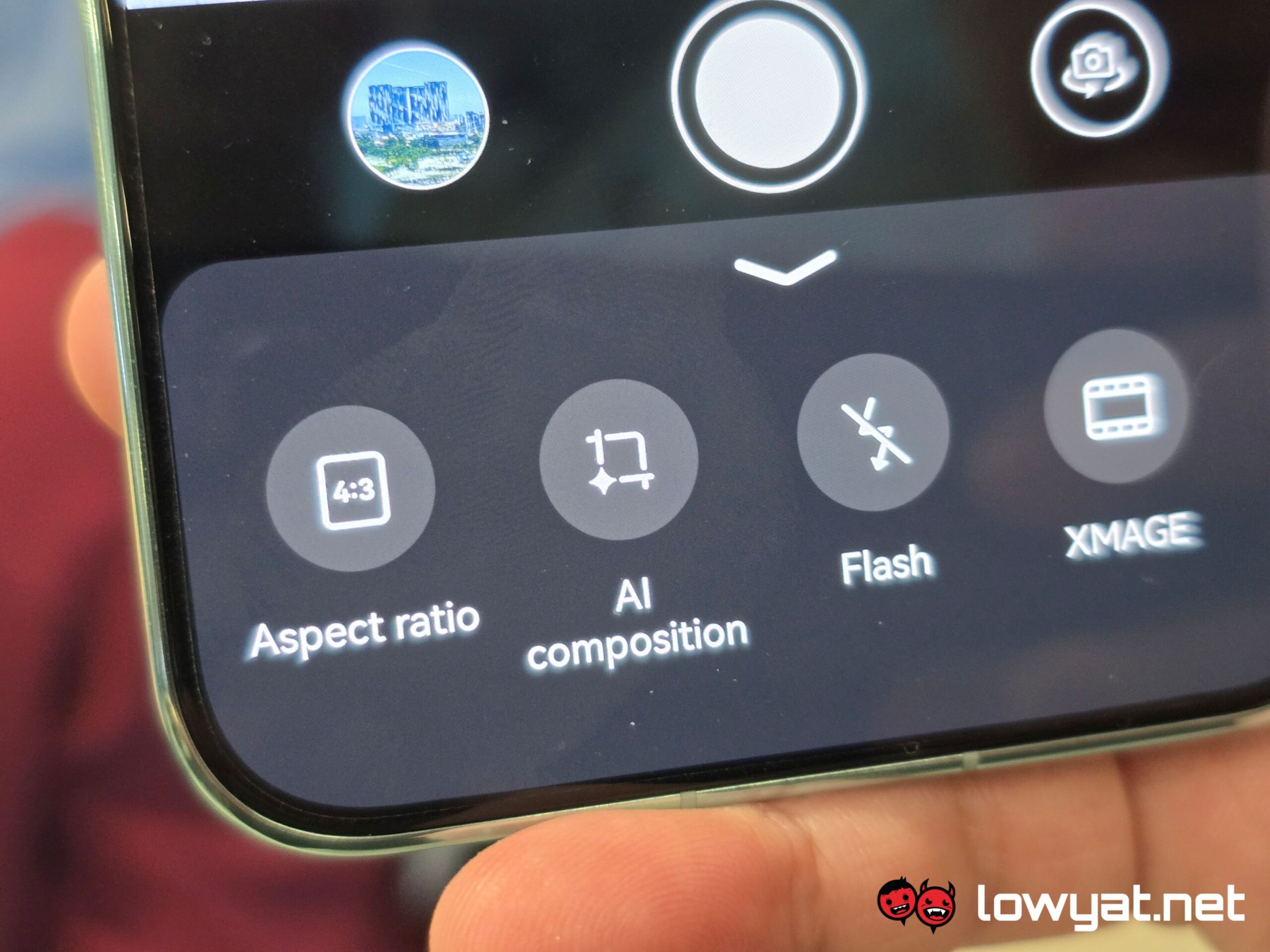
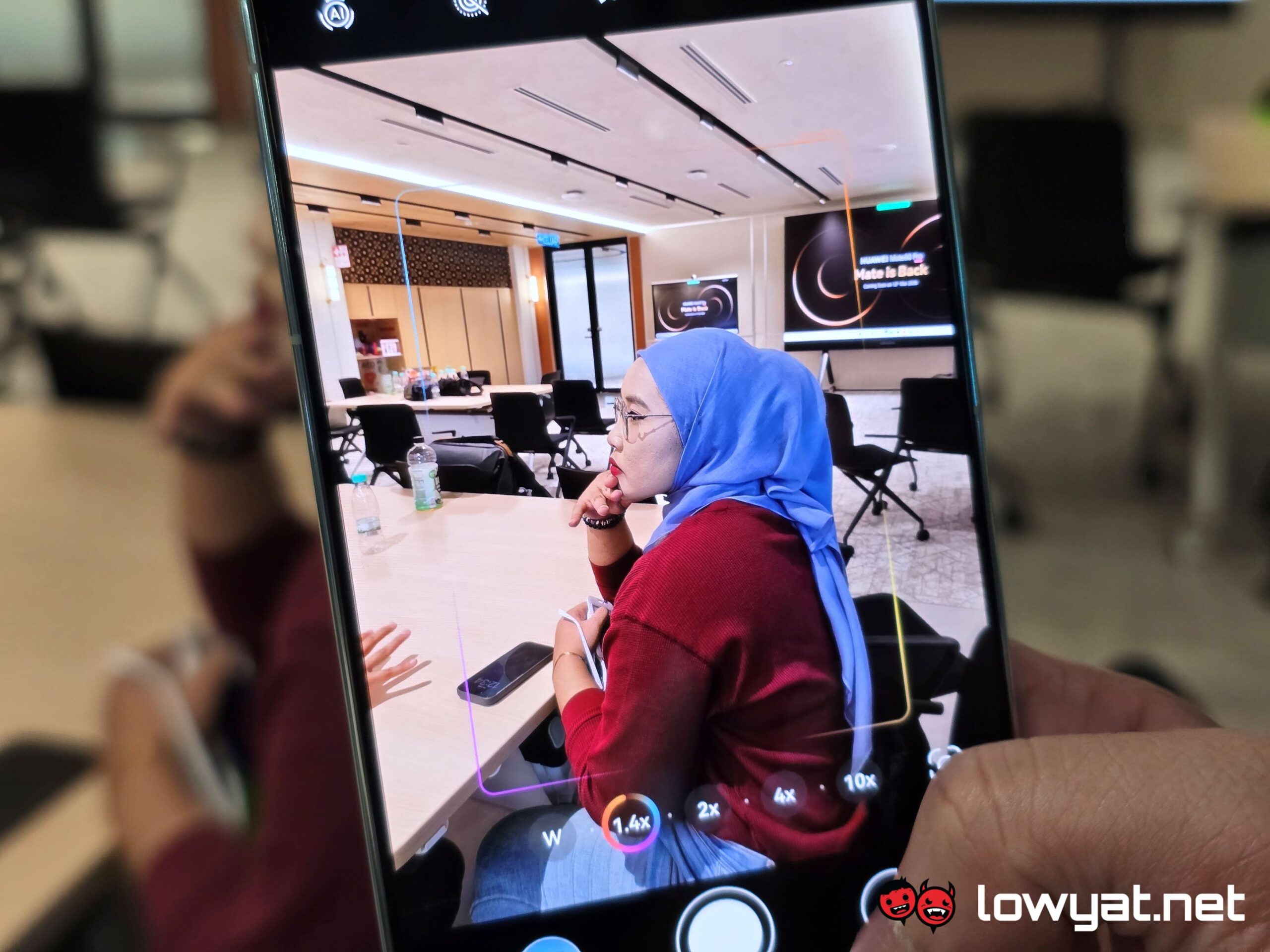
The main camera module at the rear is recycling the halo ring design, which in turn houses a triple-camera setup. We’re basically looking at a 50MP wide as the main sensor, a 40MP ultrawide, and 48MP telephoto. All three are powered by what Huawei calls a 2nd generation true-to-colour imaging system. The performance of it is still, for lack of a better word, impressive. In my brief hands on with it, pictures captured on it look sharp and clear, and retained a lot of detail even when zoomed in. That being said, most of the shots I captured on the phone were in a semi-controlled environment, and I have yet to see how the phone operates in low-light and night time conditions.
One feature that seems impressive on the Mate 80 Pro is the use the AI Composition feature. Basically, and if the first word at the front wasn’t a big enough clue, the phone uses AI to help you frame your shots, based on the best angle and position. You simply activate it, align the dot in your camera into a ring that appears on screen, hold your position for a couple of seconds, and that’s it. The camera has adjusted itself to the best possible angle and composition.
A lot of the phone’s aesthetics draws a lot of inspiration from its rivals.
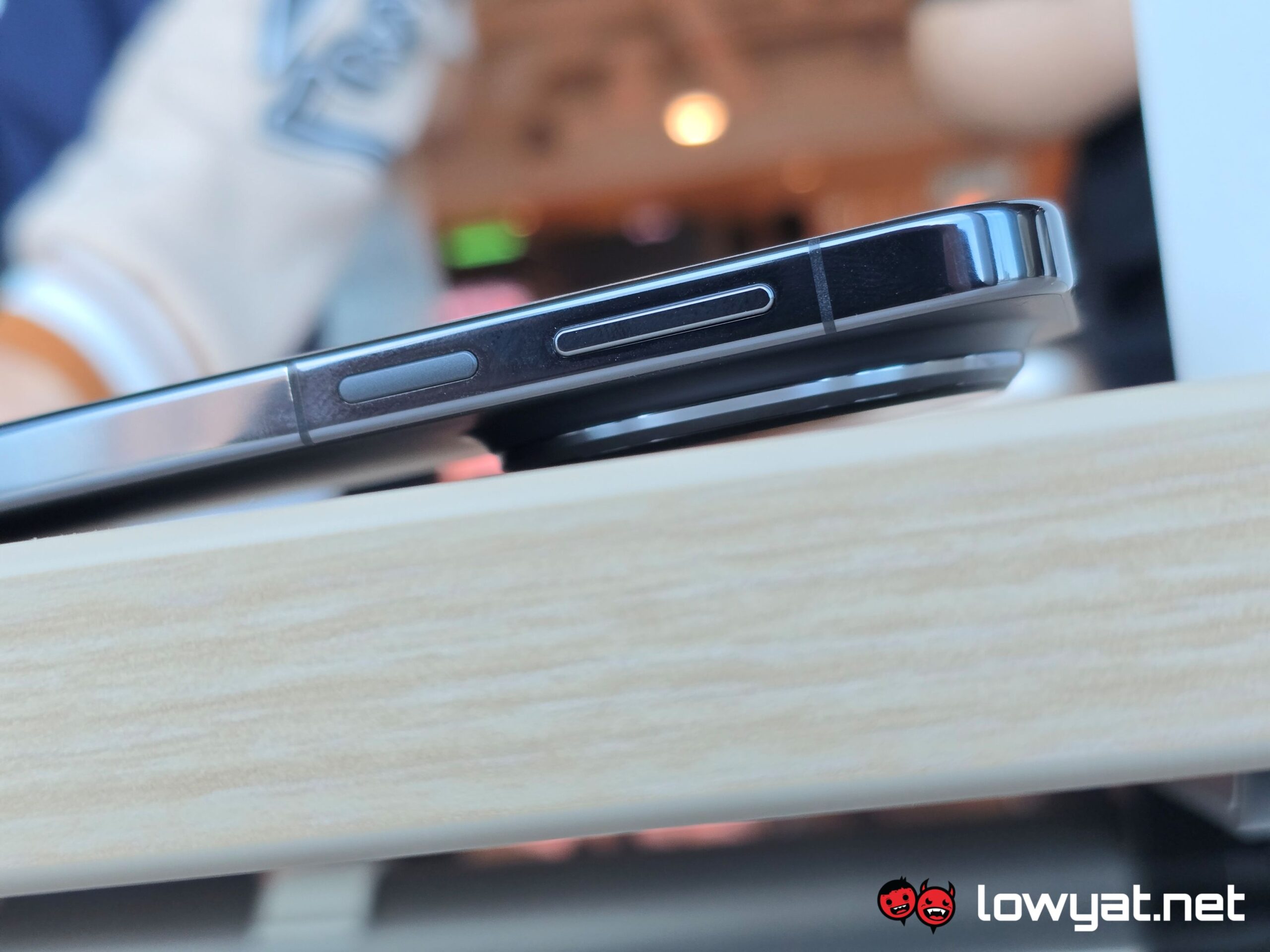
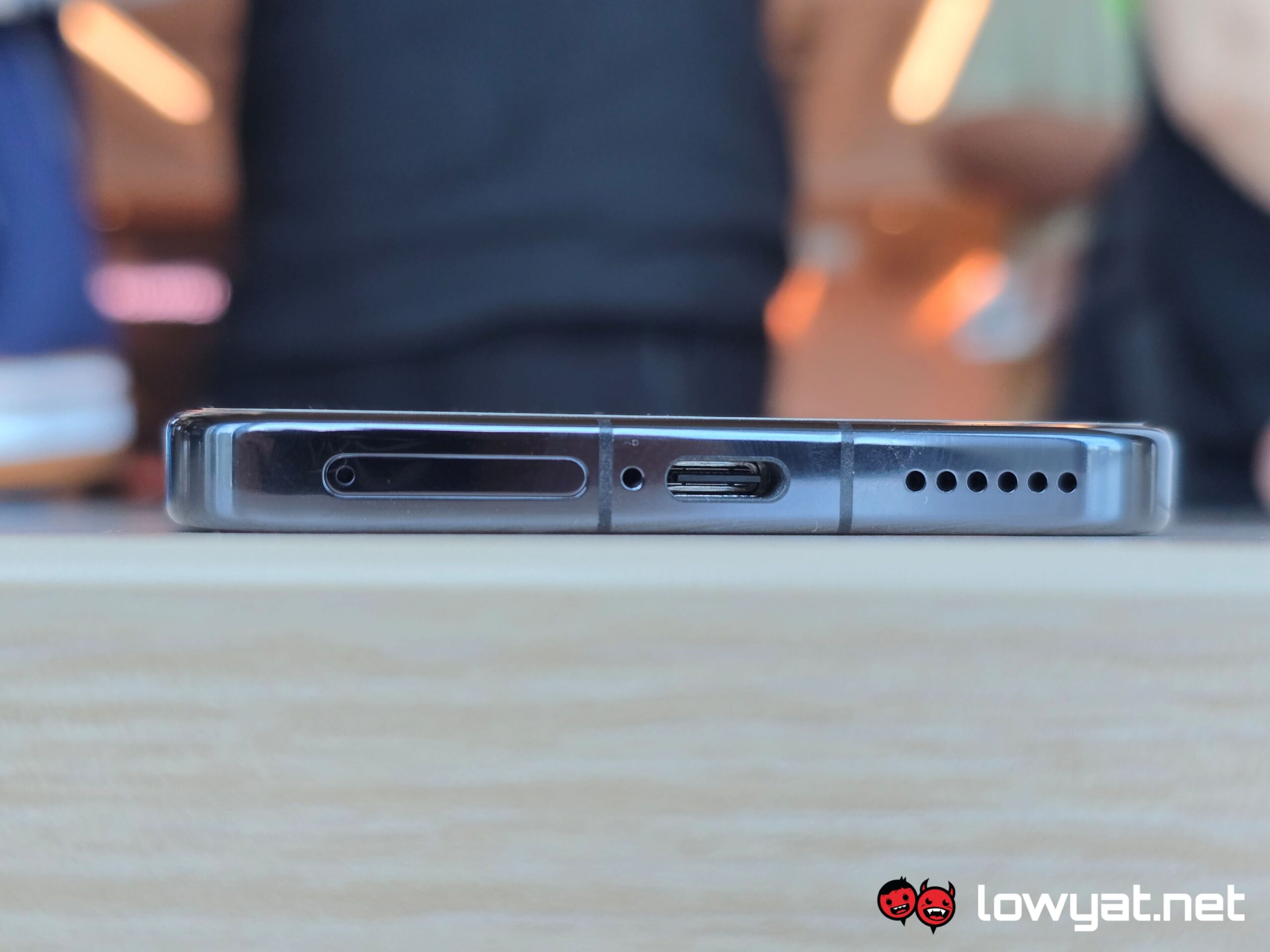
Moving on, the chassis is made from Huawei’s Kunlun Glass durable architecture, which is also in its 2nd generation. The feeling of it in my hands was solid, but also light; the look and feel of the Mate 80 Pro feels alot like the Oppo Find X9 and, dare I say it, the Samsung Galaxy S25 and S26 Series. Honestly, if you’re looking at the phone from the front, you’d be cracking your head over which brand it is.
On the subject of the display, it looks sharp and feels buttery smooth to the touch, as is the fluidity of the apps and windows swapping on it. Unsurprisingly, the units that I saw and handled were all preloaded with Google-based apps. And while Huawei tries to assure us that access to these apps are still safe, it’s still important to point out that Google Mobile Services (GMS) has not been legally or officially available on Huawei mobile devices since 2019, when the current US President’s administration during his first term imposed sanctions on the telecommunications brand.
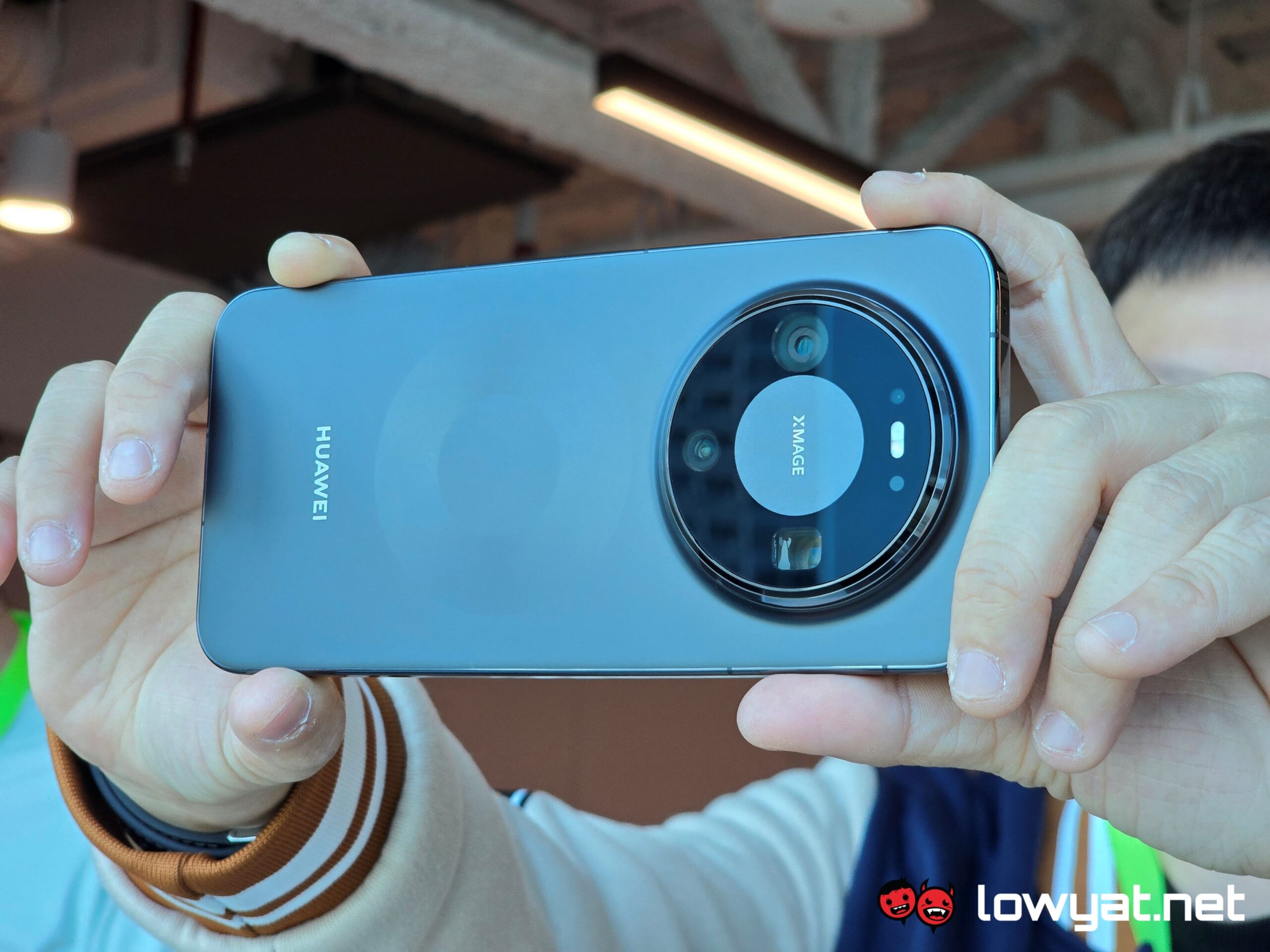
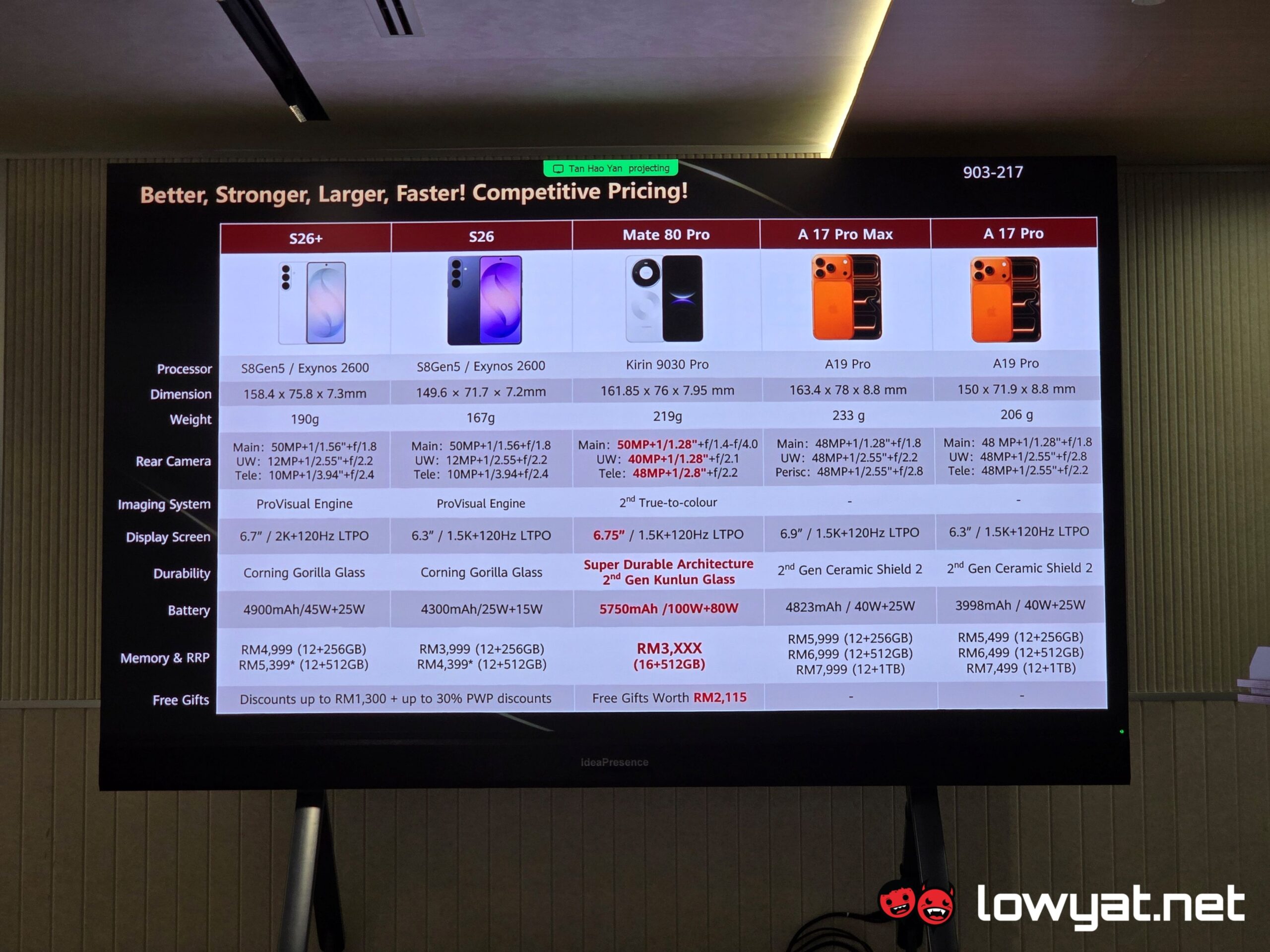
There’s another massive ring on the back of the Mate 80 Pro, which I am still unsure if it’s just for decoration or if it supports wireless charging for the 5,750mAh battery inside. I’m assuming it does, considering that this phone supports up to 80W (that’s really high, by the way) wireless charging.
Huawei is launching the Mate 80 Pro next week on 12 March and while they’ve not revealed the full price of the phone, it has let on that the phone will cost less than RM4,000. We’ll just have to wait until then to find out just how competitive the phone’s pricing is going to be.
