


The ongoing “RAMpocalypse” continues to impact both consumers and manufacturers, as global memory supply struggles to keep pace with demand. Amid this shift, Samsung is reportedly phasing out its LPDDR4 memory, has already stopped accepting new orders, and is now preparing to shift production toward newer LPDDR5 RAM.
The report comes from South Korean outlet The Elec, which suggests the move may come down to better margins with LPDDR5, along with growing demand driven largely by AI workloads. That said, it also claims that Samsung will continue fulfilling existing orders for the time being before shifting its production lines sometime in early 2027.
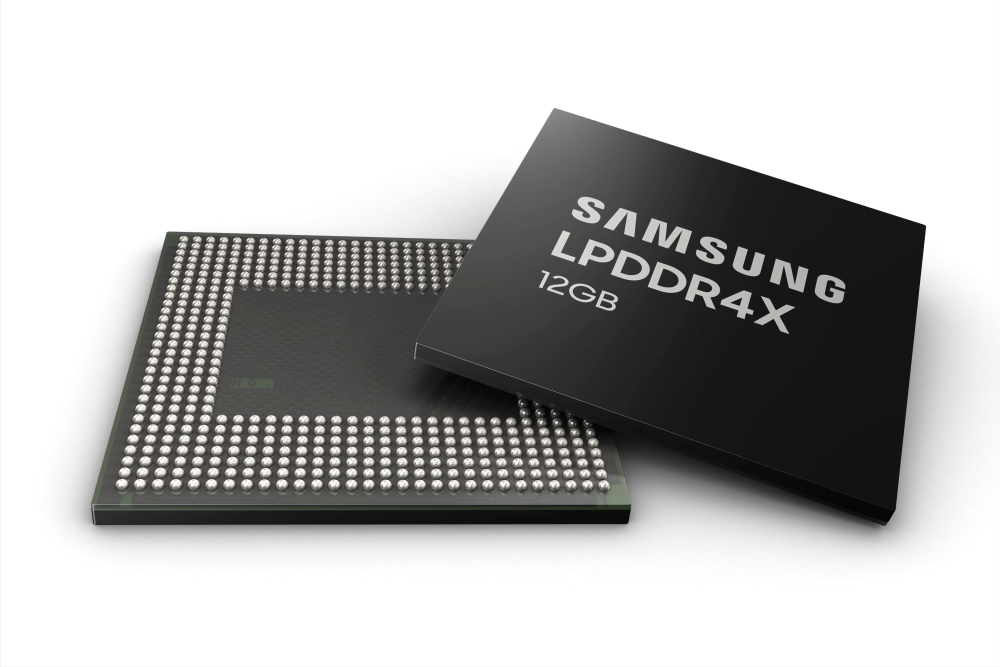
If true, this could mark a significant shift for the smartphone industry, particularly for mid-range devices, where companies like Qualcomm and MediaTek have traditionally relied on the cheaper LPDDR4X RAM. With that in mind, manufacturers may need to rethink their future hardware designs or move to the more expensive LPDDR5 memory.
Of course, this could have an impact on plenty of low- to mid-range devices. According to The Elec, the shift could bring up to a 50% boost in memory speed for devices like the Galaxy A17. Sounds great on paper, but it could also mean higher prices for phones that are supposed to stay budget-friendly.

The South Korean news outlet adds that Telechips, a fabless company, is changing its chip design this year to meet customer needs. However, there is some good news. ETNews, another outlet, recently reported that Chinese manufacturer CXMT is partnering with GigaDevice to fill the gap Samsung will soon leave behind.
According to the report, GigaDevice plans to purchase around $825 million (~RM3.26 billion) worth of DRAM from CXMT this year. Further, CXMT is responsible for manufacturing the RAM, while Gigadevice will handle product development and market distribution.
If that report holds up, we might not get super-fast budget and mid-range phones, but at least prices should stay reasonable. As always, we cannot independently verify this report, so there is a possibility it may be inaccurate. So be sure to mind your salt intake.
(Source: The Elec, via GSMArena; ETNews, via Android Headlines)
