
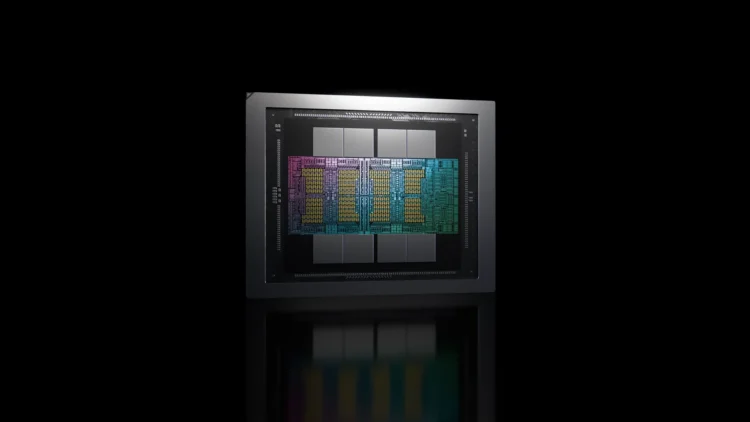
NVIDIA officially announced its Rubin HPC, a new GPU that is part of its Vera Rubin platform. The GPU or graphics accelerator is designed to accelerate simulation and data processing for science, engineering, and analytics workflows.
“The Rubin HPC GPU features a record number of CUDA cores — more than 50,000 on a single GPU — as well as a sparse data acceleration capability that keeps those cores fed with data, and accelerates GPU-to-GPU connectivity with seventh-generation NVIDIA NVLink interconnect technology.”
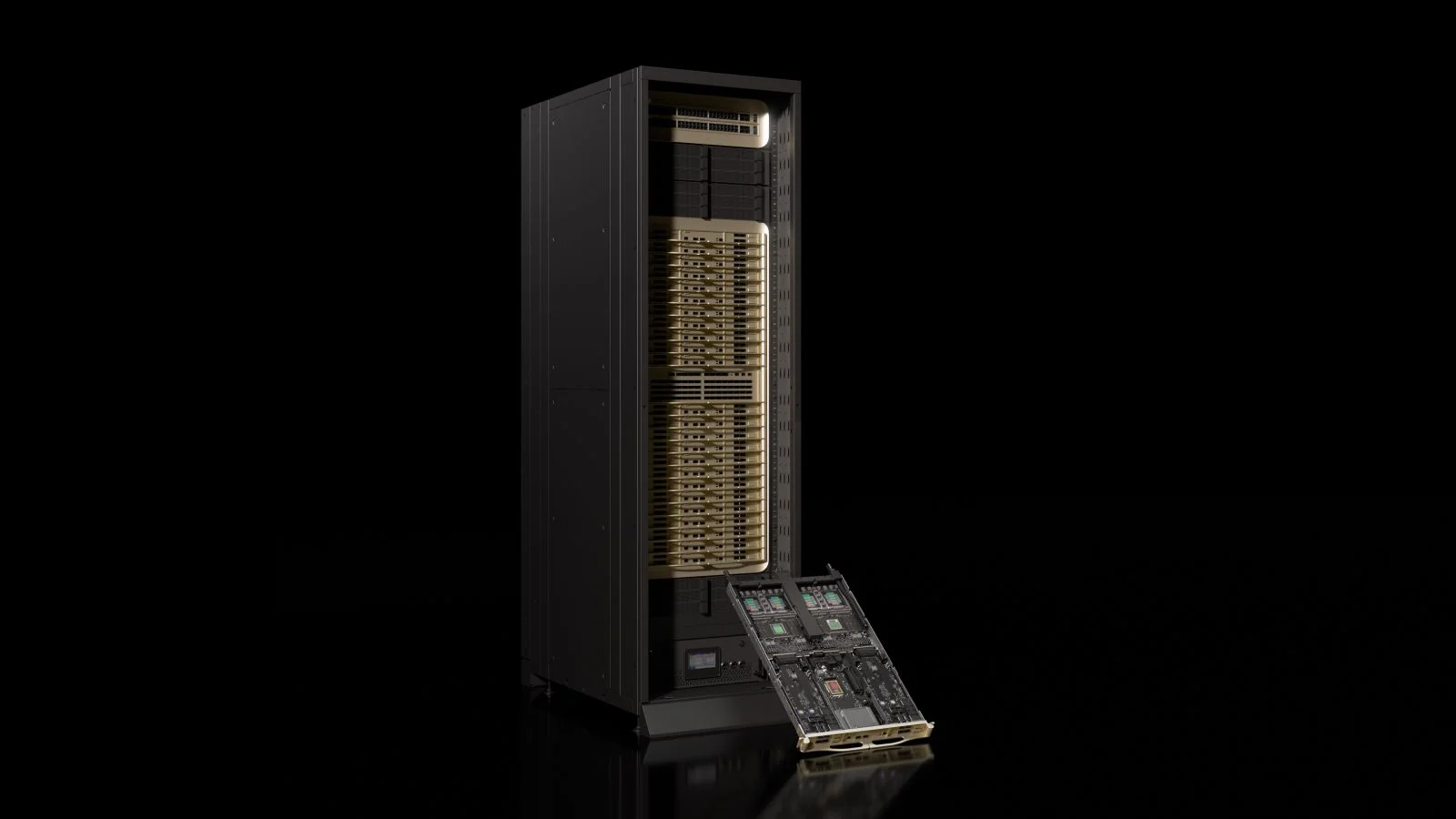
The NVIDIA Rubin HPC is obviously not a GPU for the masses, but rather, it’s a GPU designed for (you guessed it) AI, datacentres and AI training. To that end, it’s a piece of technology more suited for the fields of science and academia.
“For agents tackling science and engineering, faster simulation means faster discovery,” said Ian Buck, vice president of hyperscale and high-performance computing at NVIDIA. “Rubin HPC accelerates the simulations agents use to test ideas and guide their next steps, helping scientists and engineers explore more possibilities and bring breakthroughs closer.”
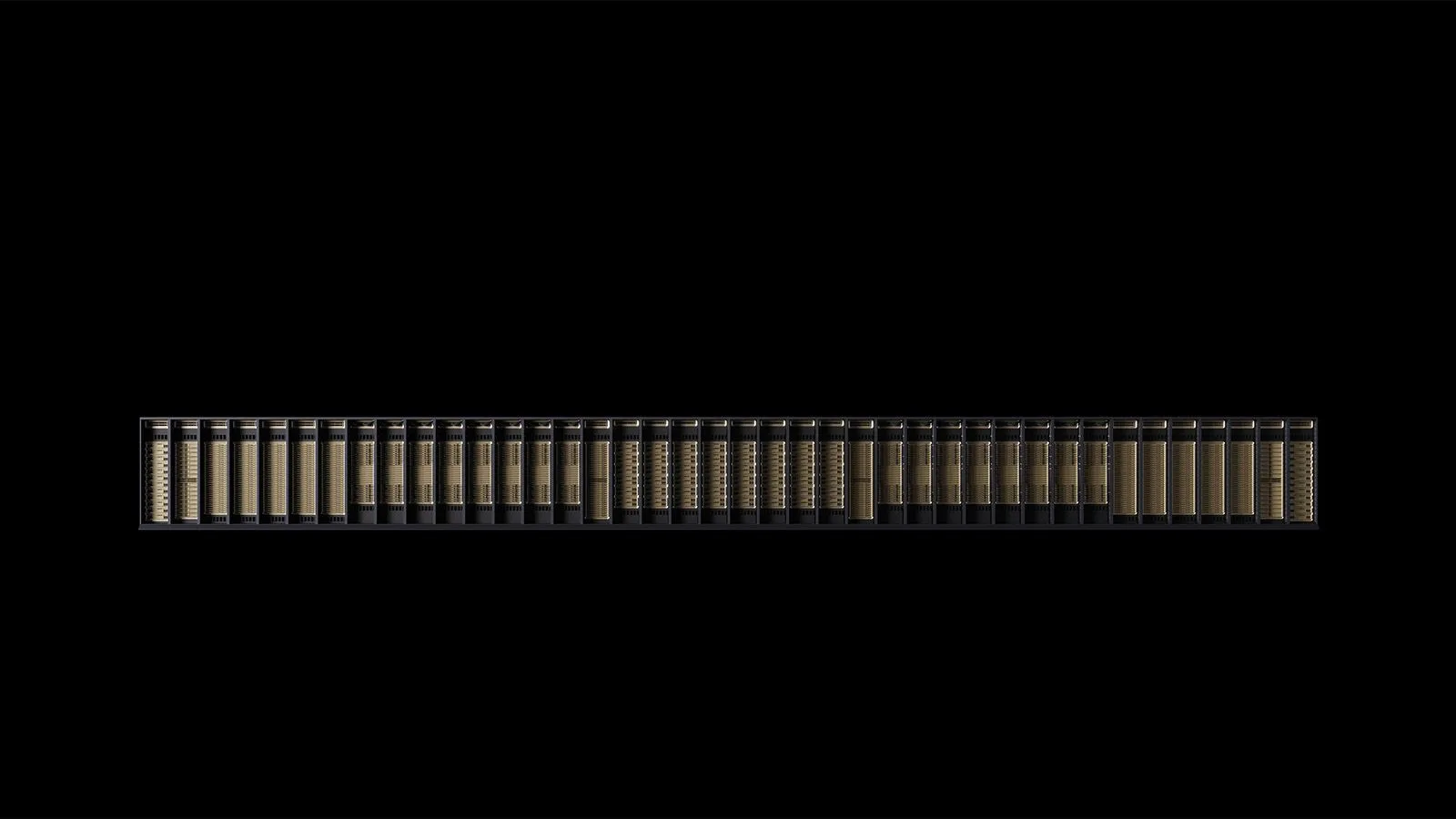
NVIDIA first announced Vera Rubin, its hyperscaler Agentic AI system, during GTC 2026. The platform houses the Vera CPU, Rubin GPU, an NVLink 6 Switch, a ConnectX-9 SuperNIC, a BlueField-4 DPU, and an NVIDIA Spectrum-6 Ethernet switch, as well as the newly integrated Groq 3 LPU. Breaking it down further, it houses 72 Rubin GPUs, 36 Vera CPUs, all connected by NVLink 6, plus ConnectX-9 SuperNICs and BlueField-4 DPUs, as mentioned. There is also a dedicated Vera CPU Rack, housing 256 units of the processor, and liquid-cooled with an MGX infrastructure.
“Rubin HPC will offer a balanced design, scaling data movement and compute together rather than increasing compute alone. That balance is what optimizes Rubin HPC for scientific computing. It keeps the GPU’s record number of CUDA cores supplied with data, so they spend their time computing rather than waiting. This accelerates recurring patterns of every simulation workload — from sparse matrix operations to stencil computations to sorting and reductions.”
The Rubin HPC is expected to be available from 2028 onwards.
(Source: NVIDIA)
