

Intel is being sued by its shareholders. The people claim that the blue chipmaker concealed the impact that the decline in PC sales had caused; its stock price dipped close to 29% in a single day.
The lawsuit, filed in the US state of California, claims that Intel was too slow in disclosing information about how slowing PC sales and an inventory glut would weigh on revenue. According to Reuters, the dip in its stock value erased approximately US$140 billion (~RM572 billion) in market value.
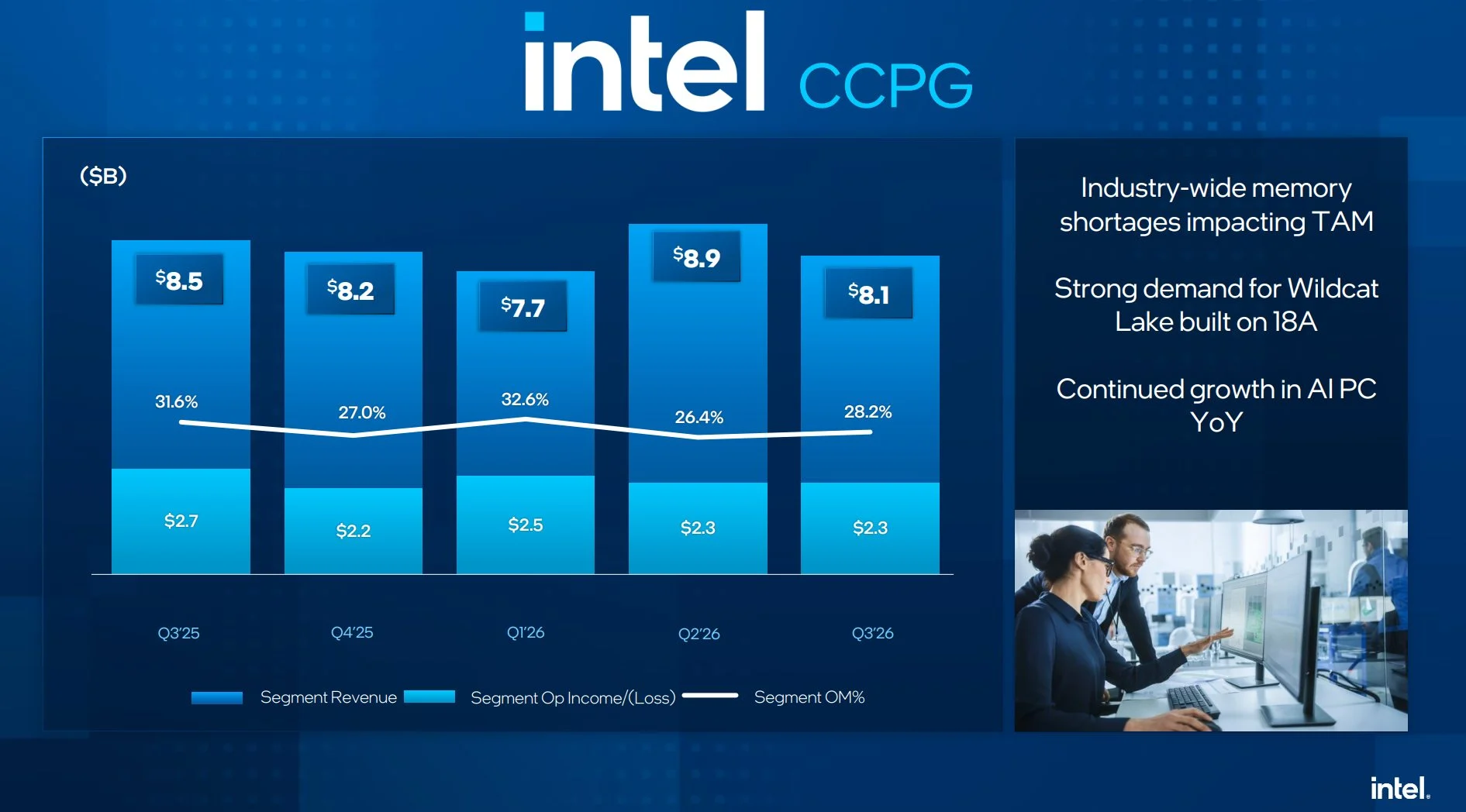
Intel’s lacklustre sales in the personal computing space didn’t happen overnight, and there are some obvious reasons why it is what it is. Firstly is market share: since the advent of AMD’s Ryzen and Zen microarchitecture in 2017, its red rival gained ground rapidly among gamers and general consumer, and has dominated the market since then.
Adding to its woes early on, Intel was also stuck with its 14nm process for the longest time and only officially ditched the fabrication process for its self-named Intel 7 die lithography, a 10nm process which was introduced with its 12th Gen Alder Lake in 2021.
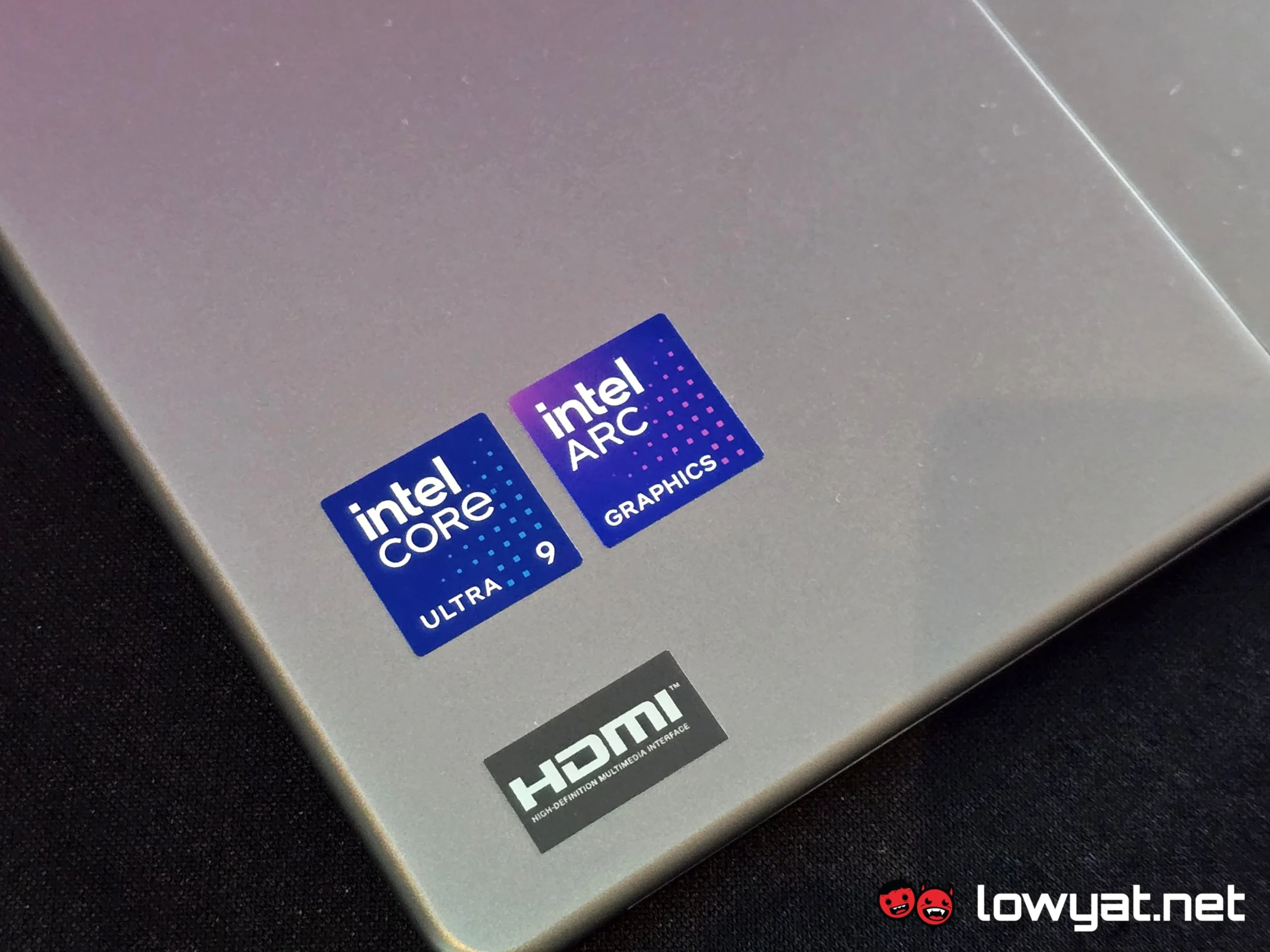
Adding to that were a series of unfortunate engineering events; some of its top-tier 13th and 14th Gen Core i9 suffered fatal and crippling flaws, with some of them rendered irreparable from the voltage spike that burned them, just a couple of years ago.
That isn’t to say Intel has been sitting on their thumbs the whole time. Arrow Lake is largely a success when it launched in 2024, but came back into the spotlight with its Core Ultra 200S Plus processor lineup.

Then there is the subject of inventory scarcity. While Intel may be suffering an inventory glut, that situation can more or less be contributed to the lack of GPUs from the world’s most popular and, currently, scandalous brand, NVIDIA. The Green team’s shift from gaming hardware for the consumer to focusing on AI infrastructure has left many gamers starved for even the most basic of RTX 50 Series GPUs, and at less than affordable rates too. And to say nothing of the price of memory and storage.
Again, Intel has poured money into manufacturing, but supply disruptions have made it harder to benefit from growing demand for datacentre chips.
(Source: Reuters, Videocardz)
