
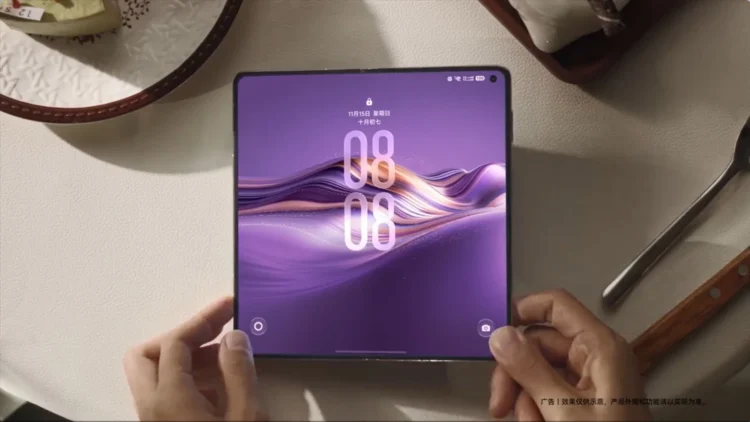
Beyond launching a new sub-brand, Huawei is preparing to release the newest iteration of its book-style foldable. In a recent video celebrating the eighth anniversary of the Mate X series, the phone maker teased the upcoming Mate X8, revealing its design. Further posts on the brand’s official Weibo account also confirm when the device will debut in China.
Overall, the new handset retains the familiar look of the foldable series, sporting a prominent camera bump on the back. This module has a rounder shape compared to that of the Mate X7, but aside from that, not much else sets the upcoming model apart from the current one. The teasers so far have revealed that at least two colours will be available: purple and green. Moreover, the phones may debut with brighter displays.
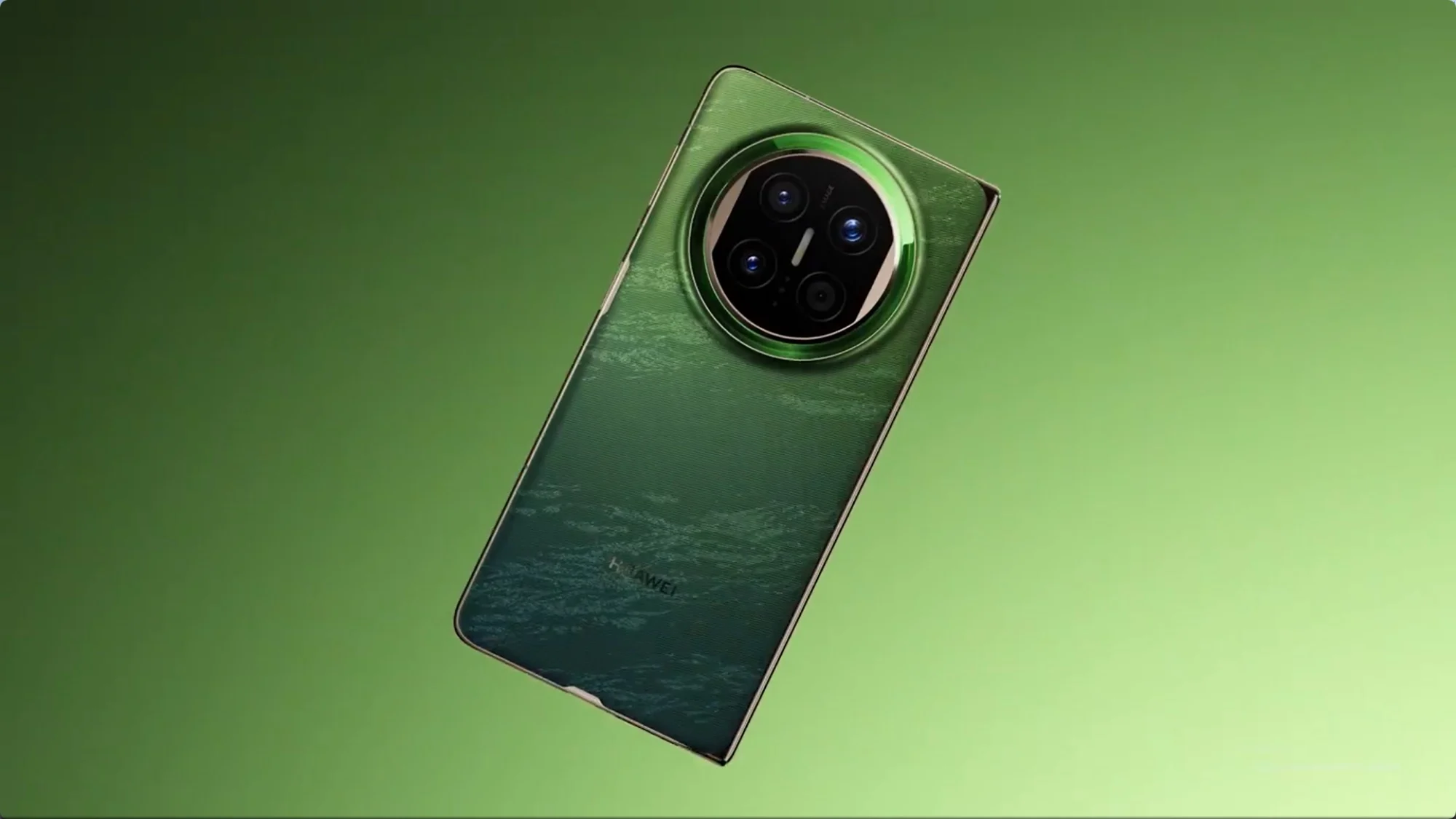
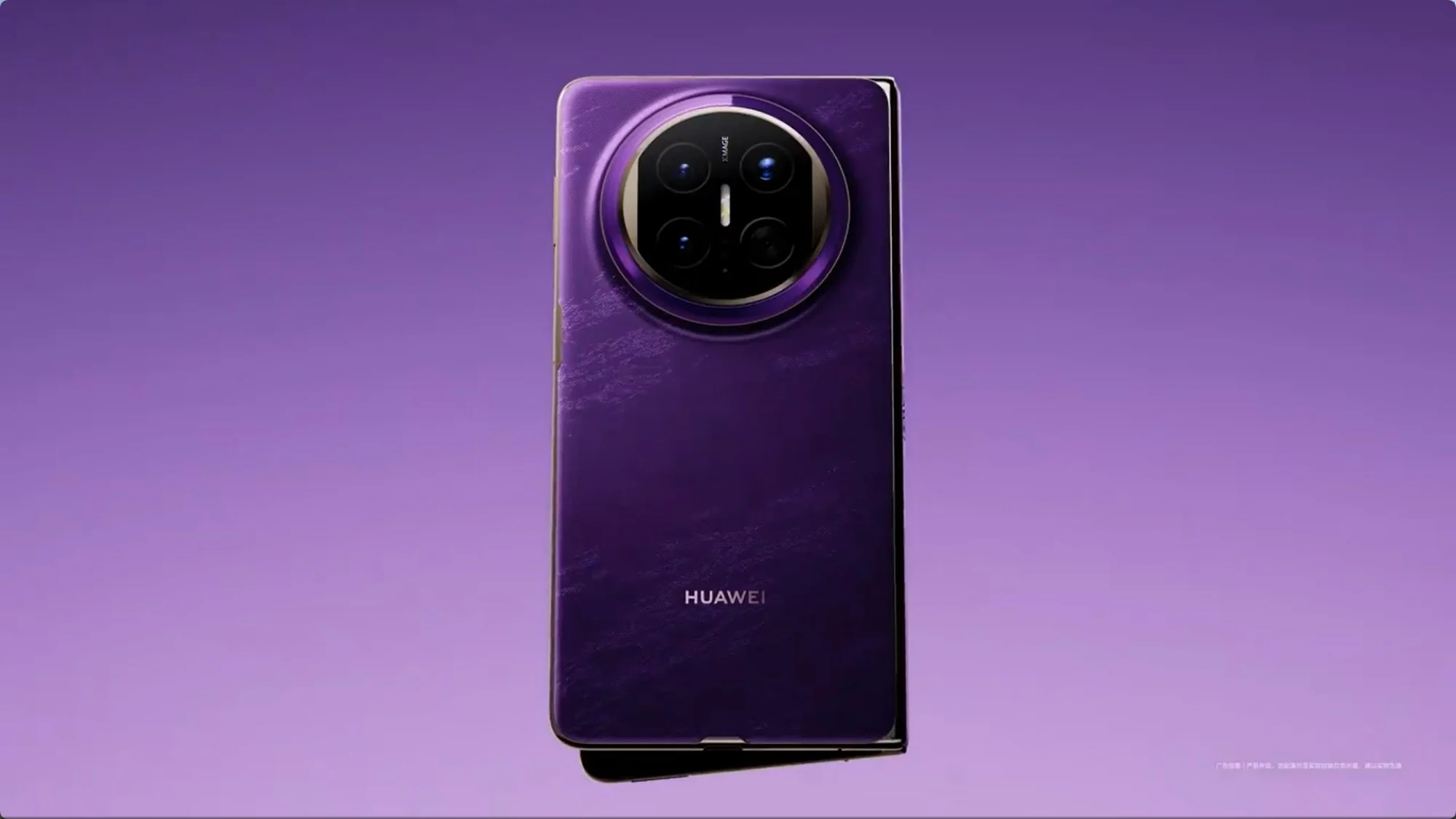
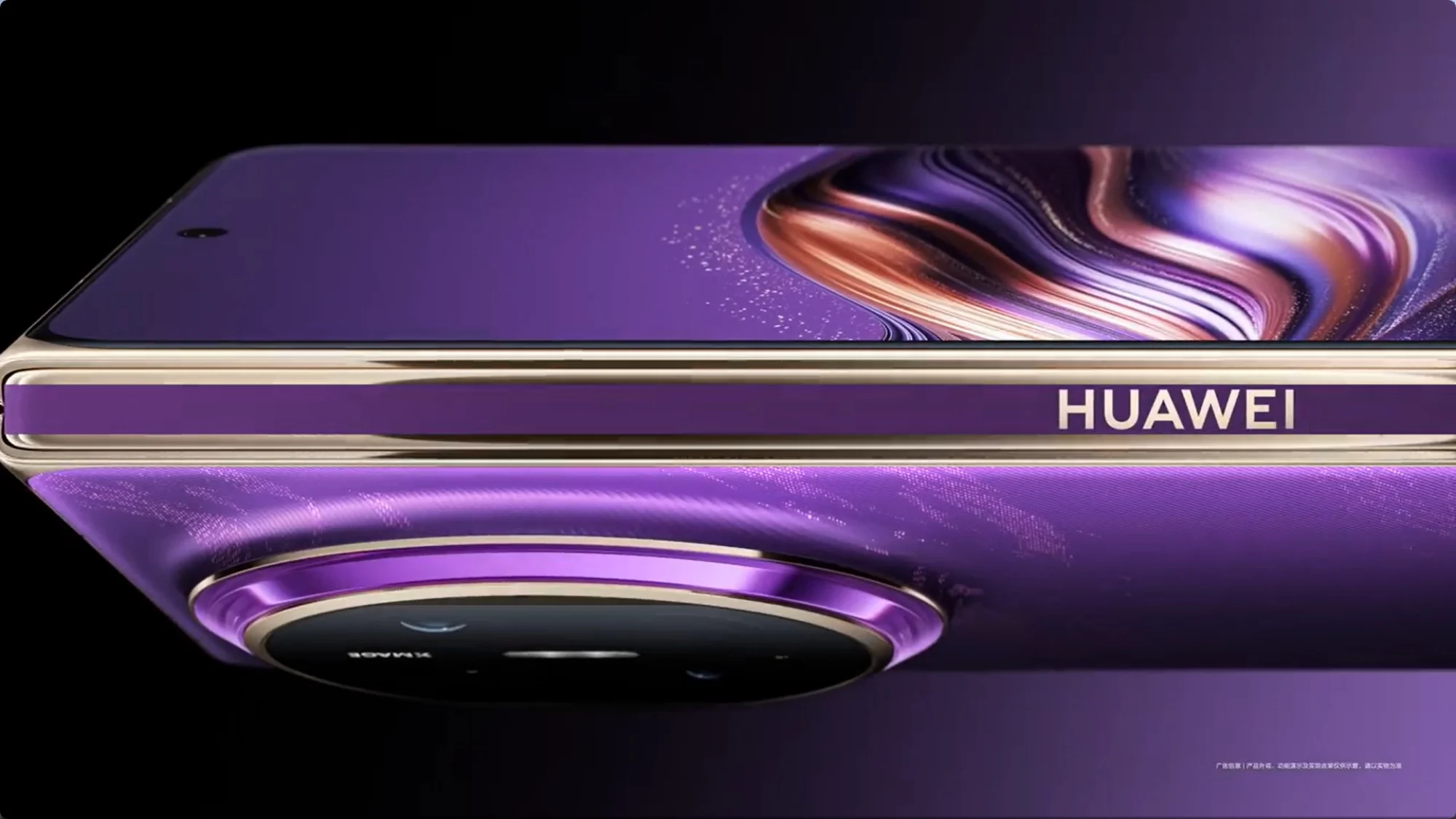
Appearances aside, the company has yet to disclose much about the Mate X8. That said, the device has been the subject of some leaks already. Based on these leaks, the foldable may launch with a 6.5-inch outer screen and an 8.15-inch inner display. If true, this would make the main panel a touch bigger than the one on the Mate X7. For reference, that model launched with an 8-inch main screen. Furthermore, the upcoming phone’s inner display is said to feature a UTG (ultra-thin glass) cover.
Under the hood, the device is rumoured to come with a Kirin 9050 Pro SoC, which is the same processor equipped on the Mate 90 Pro Max and Mate 90 RS. Meanwhile, memory options will supposedly depend on the version. The standard one will apparently be offered in 12GB + 256GB and 12GB + 512GB configurations. On the other hand, the collector’s edition will come with either 16GB + 512GB or 16GB + 1TB. Rumours also claim that five colour options will be available, namely Danxia Orange, Qingshan Brocade, Xueyu White, Cangqiong Black, and Zijin.
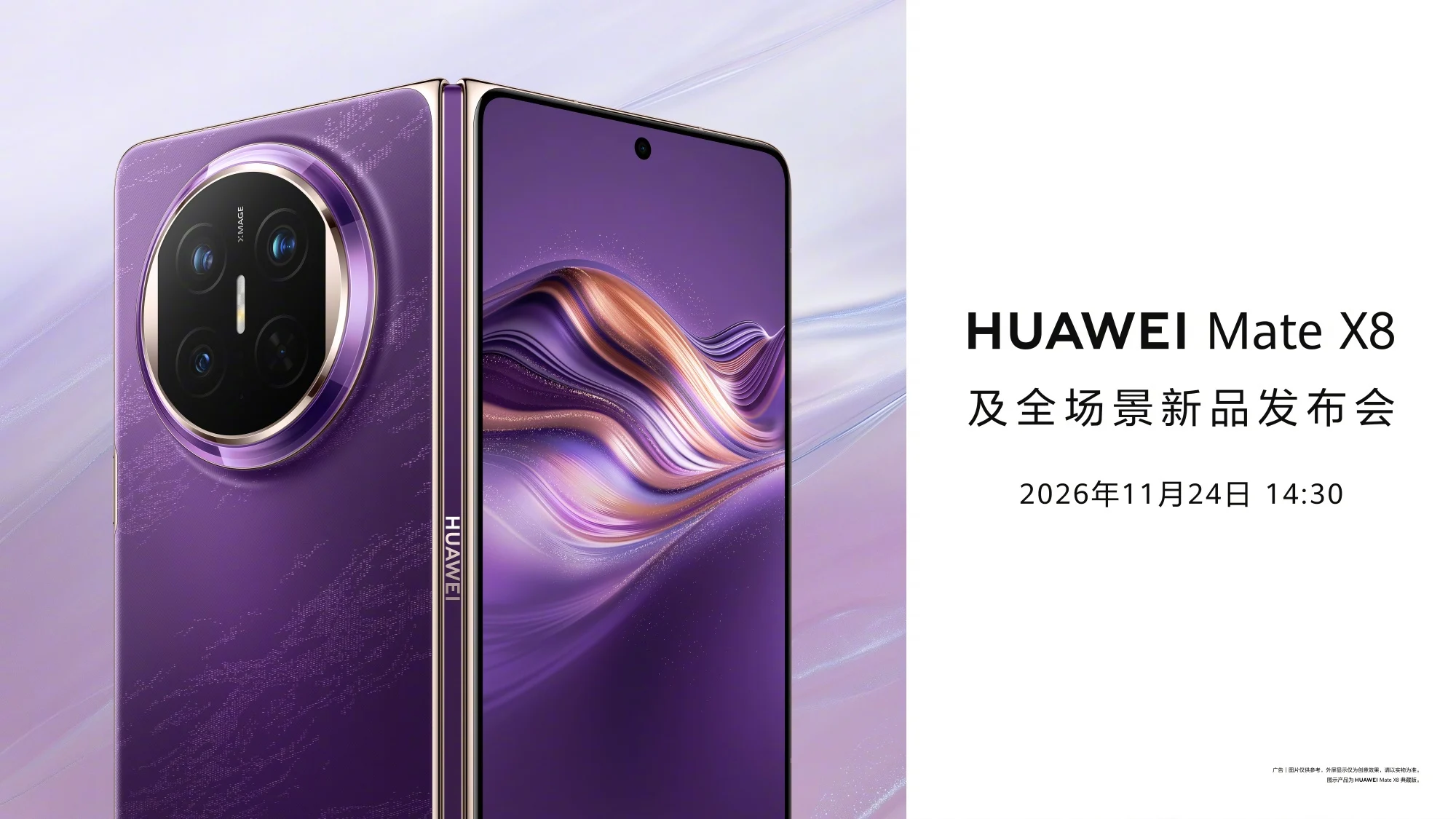
Of course, these details are to be taken with a grain of salt, as they did not originate from an official source. In any case, the Huawei Mate X8 will be launching on 24 November 2026, so it won’t be long until all is revealed.
(Source: Huawei via Weibo [1], [2], [3], Gizmochina)
