
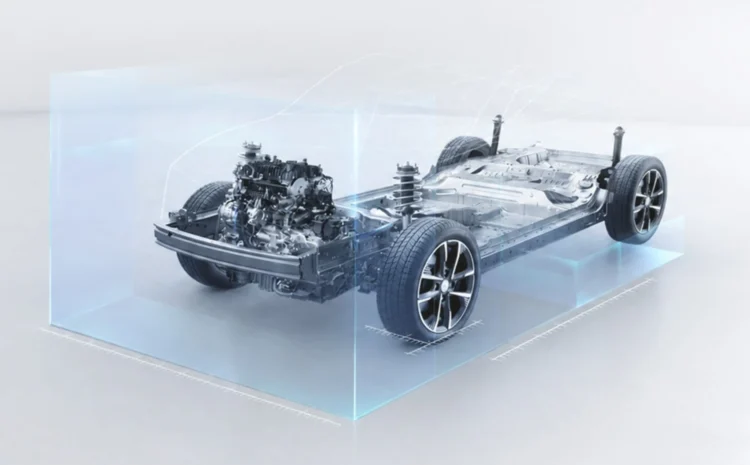
Proton has officially named its upcoming hybrid drivetrain the i-HEV intelligent hybrid system. As you may recall, the company first previewed the technology at the Kuala Lumpur International Mobility Show (KLIMS) 2026, where it showcased a new 1.5-litre hybrid engine developed specifically for electrified powertrains.
The national automaker says the drivetrain will make its debut in its upcoming model, currently known by its codename AMA 02. Based on current rumours, the vehicle could eventually be named either the X30 or Saga Cross, although Proton has yet to confirm its official name.
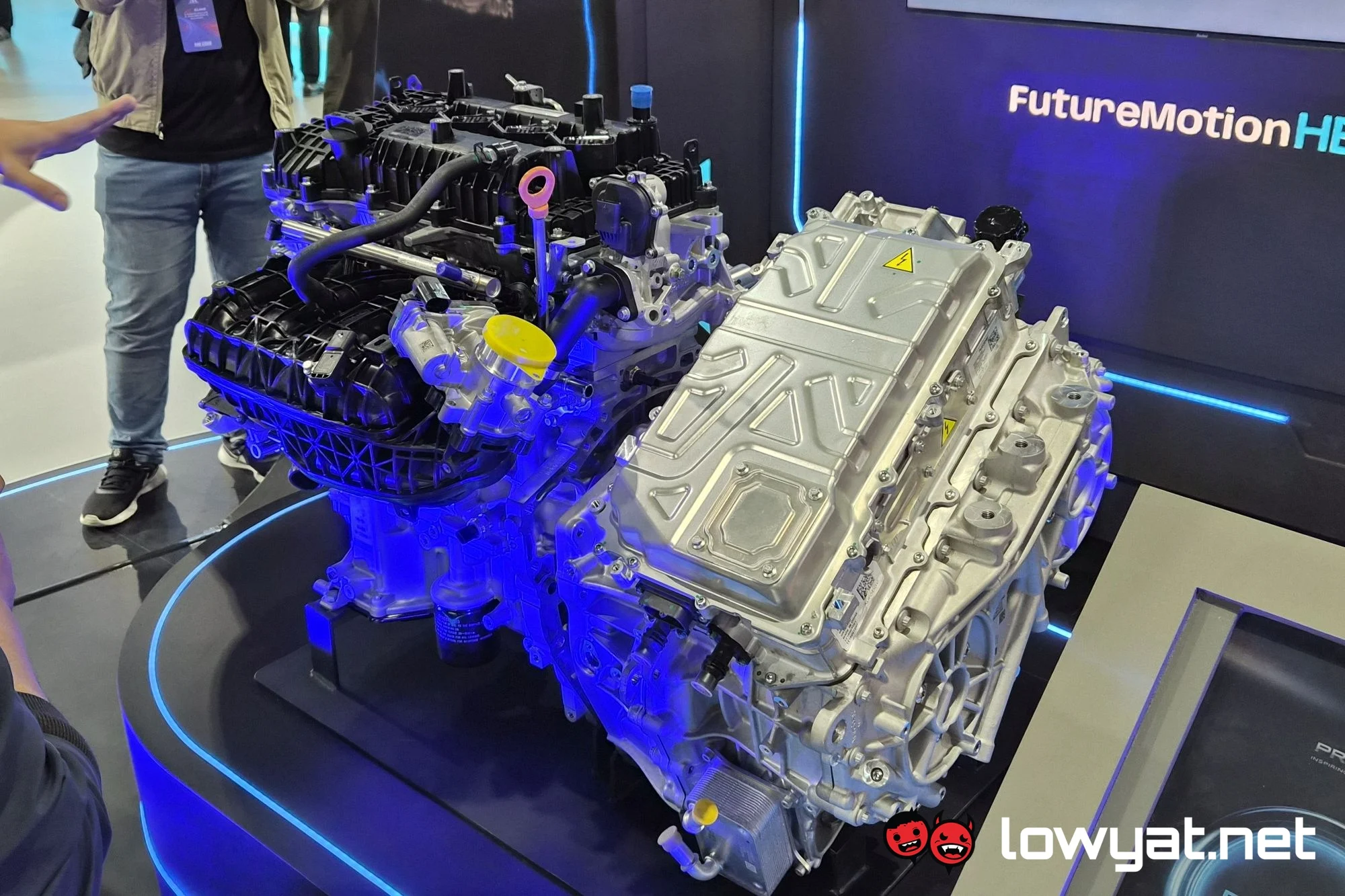
i-HEV Specifications
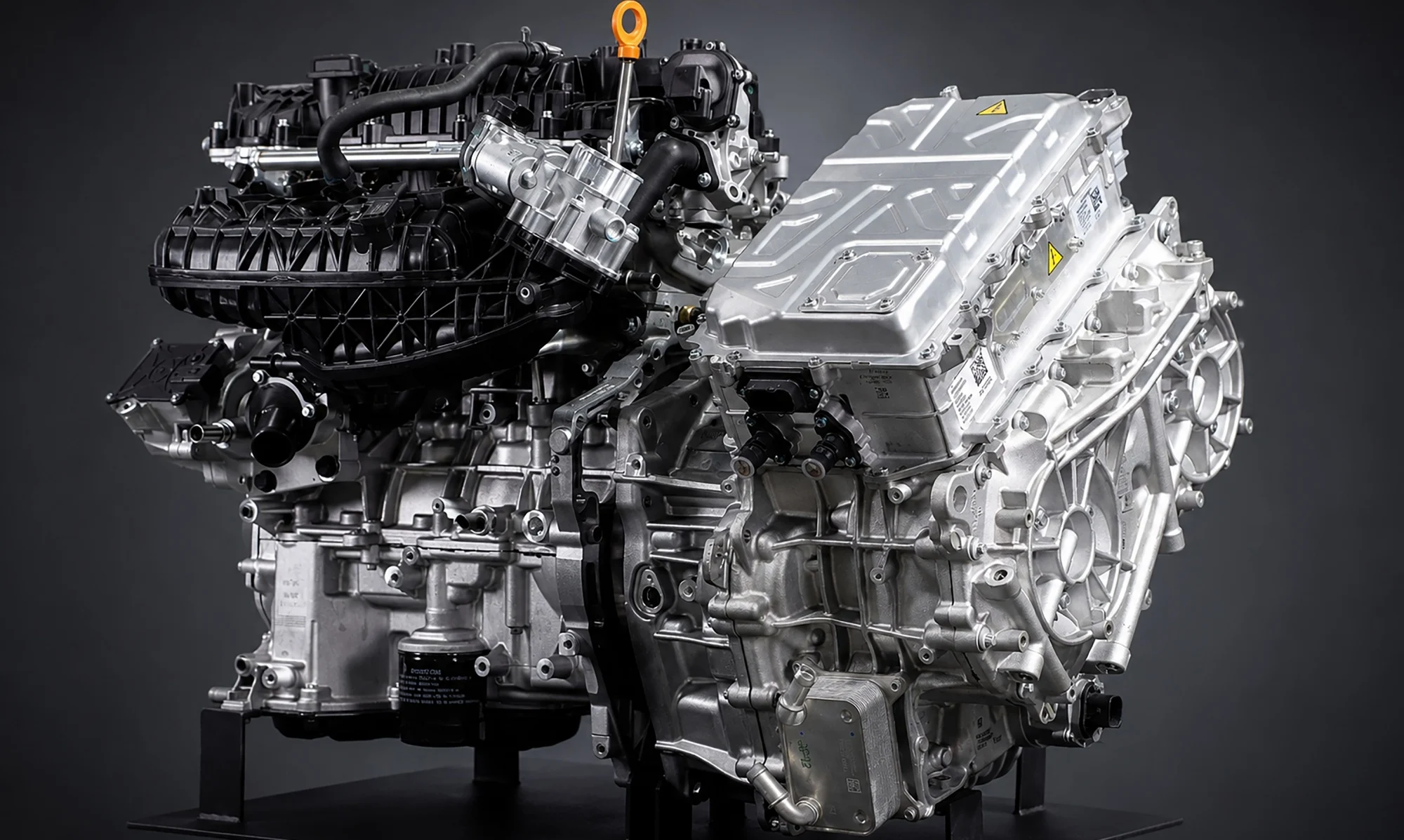
Much of the information shared by Proton reiterates what was revealed during KLIMS 2026. To recap, the i-HEV system features a naturally aspirated 1.5-litre Dedicated Hybrid Engine (DHE), producing 111PS and 136Nm of torque. The engine uses an Atkinson-cycle combustion process, which prioritises fuel efficiency by making better use of the energy generated during combustion.
It also features a 14:1 compression ratio, water-cooled exhaust gas recirculation (EGR), a variable displacement oil pump and an electric water pump. According to Proton, these technologies help reduce energy losses and improve overall engine efficiency, with the DHE achieving a peak thermal efficiency of 46.5%.
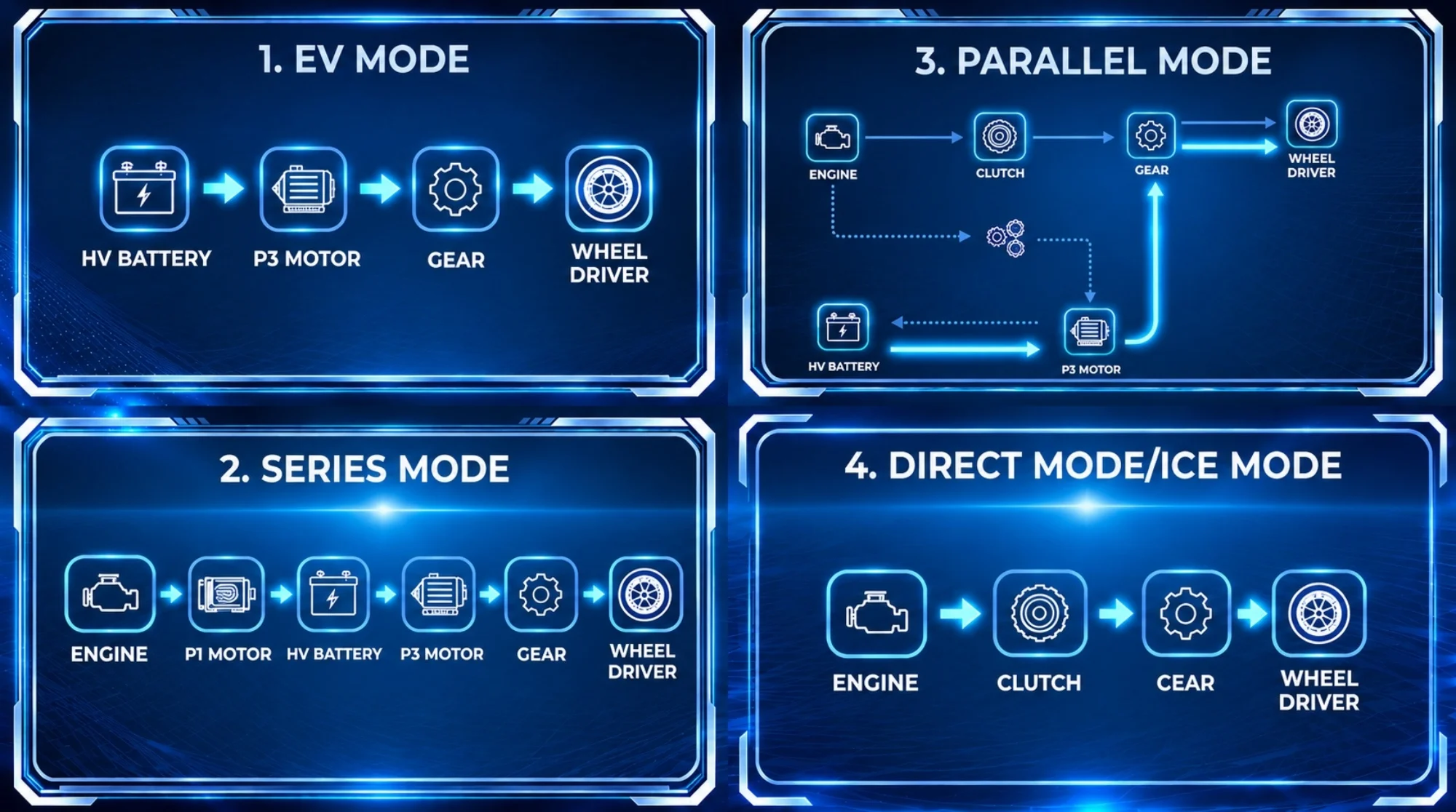
The engine is paired with a Dedicated Hybrid Transmission (DHT) incorporating two electric motors, designated P1 and P3. The former handles engine starting and electricity generation, while the latter drives the wheels and recovers energy during deceleration, delivering up to 163PS and 220Nm of torque.
A Power Control Module (PCM) coordinates the engine, motors and battery, automatically switching between four operating modes depending on driving conditions. These are EV Mode, Series Mode, Parallel Mode and Direct Drive Mode, with the system managing transitions without requiring driver intervention.
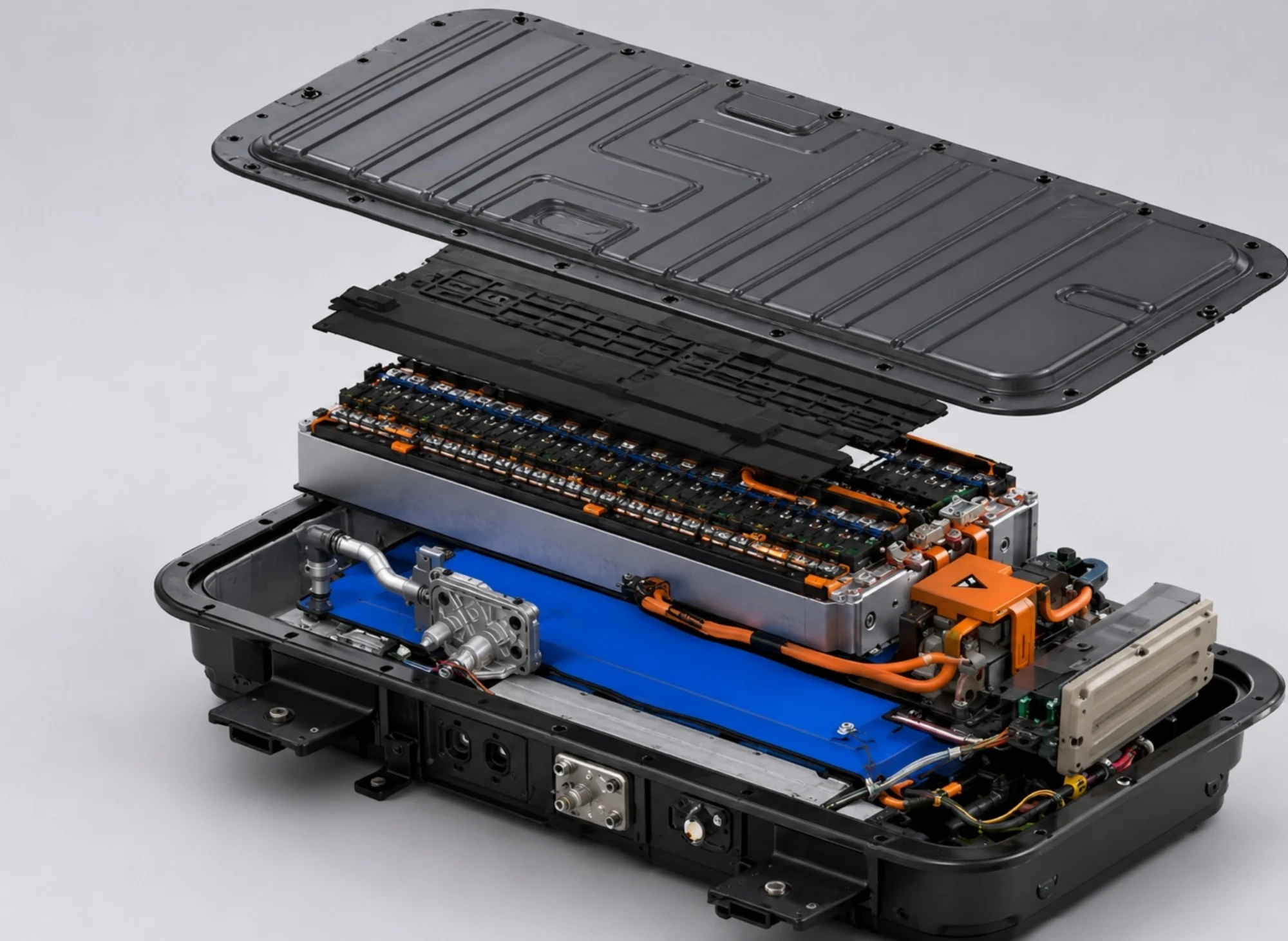
The i-HEV system also comes with a 1.38kWh battery, which stores energy for electric driving and motor assistance. Unlike the system used in the eMAS 7 PHEV, it is recharged through regenerative braking and electricity generated by the petrol engine, meaning there is no need for external charging. Proton says the system can reduce engine operation, noise and fuel consumption in stop-and-go traffic, while providing electric assistance during acceleration.
Locally Assembled
Proton also highlighted its efforts to strengthen local manufacturing capabilities for electrified vehicles. Its Tanjong Malim facility will handle local production of the DHE, alongside the assembly of DHTs and Electric Drive Units (EDUs). According to the automaker, these efforts will help develop local expertise in assembly, testing and quality control, while supporting Malaysia’s automotive supplier ecosystem.
(Source: Proton press release)
