
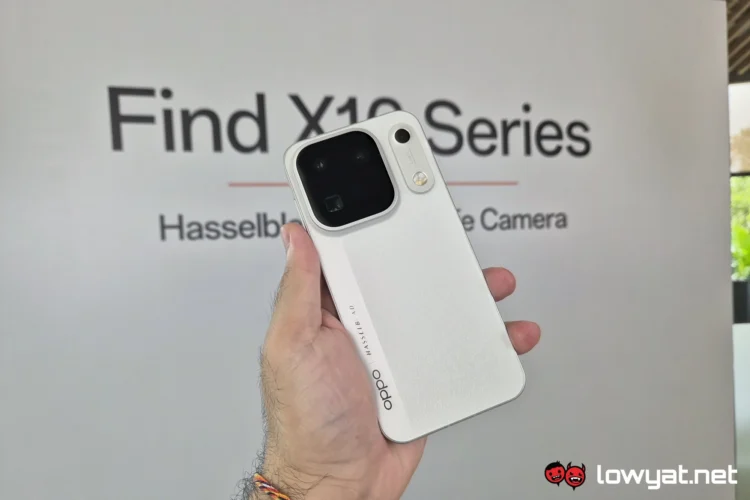
OPPO announced that the Find X10 series, consisting of a base and Pro Max model, will be launching locally on 22 October. That said, the company provided us with a bit of hands-on time with the larger model of the two. We didn’t quite have enough time to test out every bit of the phone, especially on the software end of things, but the brand did provide a venue for a brief photo-snapping opportunity
Before we go further, I would just like to express the oddity of the series which does not have a Pro model, but jumps straight to Pro Max instead. It definitely goes against existing naming conventions, and it’s arguable whether the difference between it and the base model justifies jumping straight to the Pro Max categorisation.
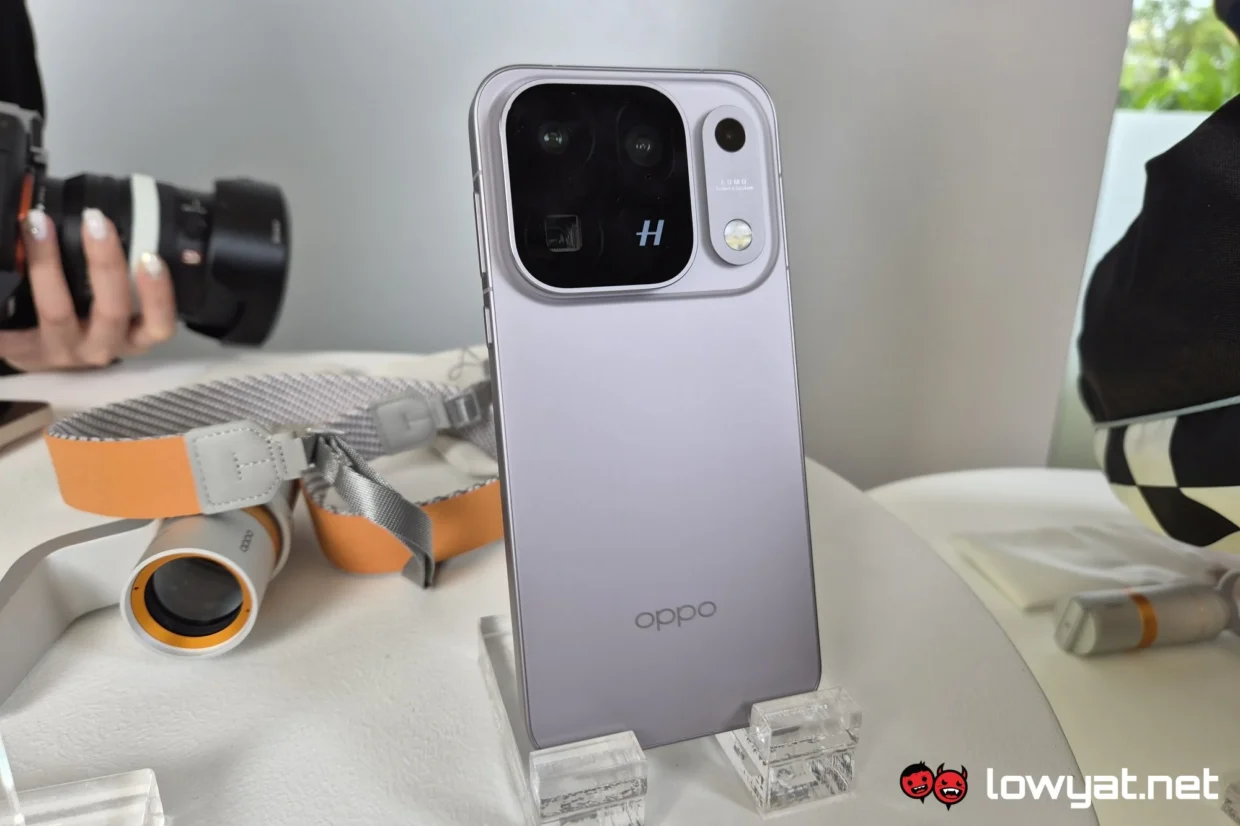
Of course, what a phone is called is secondary to what it is and what it can do. So let’s start with the former. What it is, is a slightly larger version of the base OPPO Find X10. Only slightly though, as it’s the difference between a 6.59-inch form factor and a 6.78-inch. Weight balancing naturally tilts towards the top, where most of the value of the phone – the cameras – is located, but the overall feel of its weight doesn’t deviate too far from its contemporaries. And that’s what makes its 8,000 mAh battery capacity quite amazing.
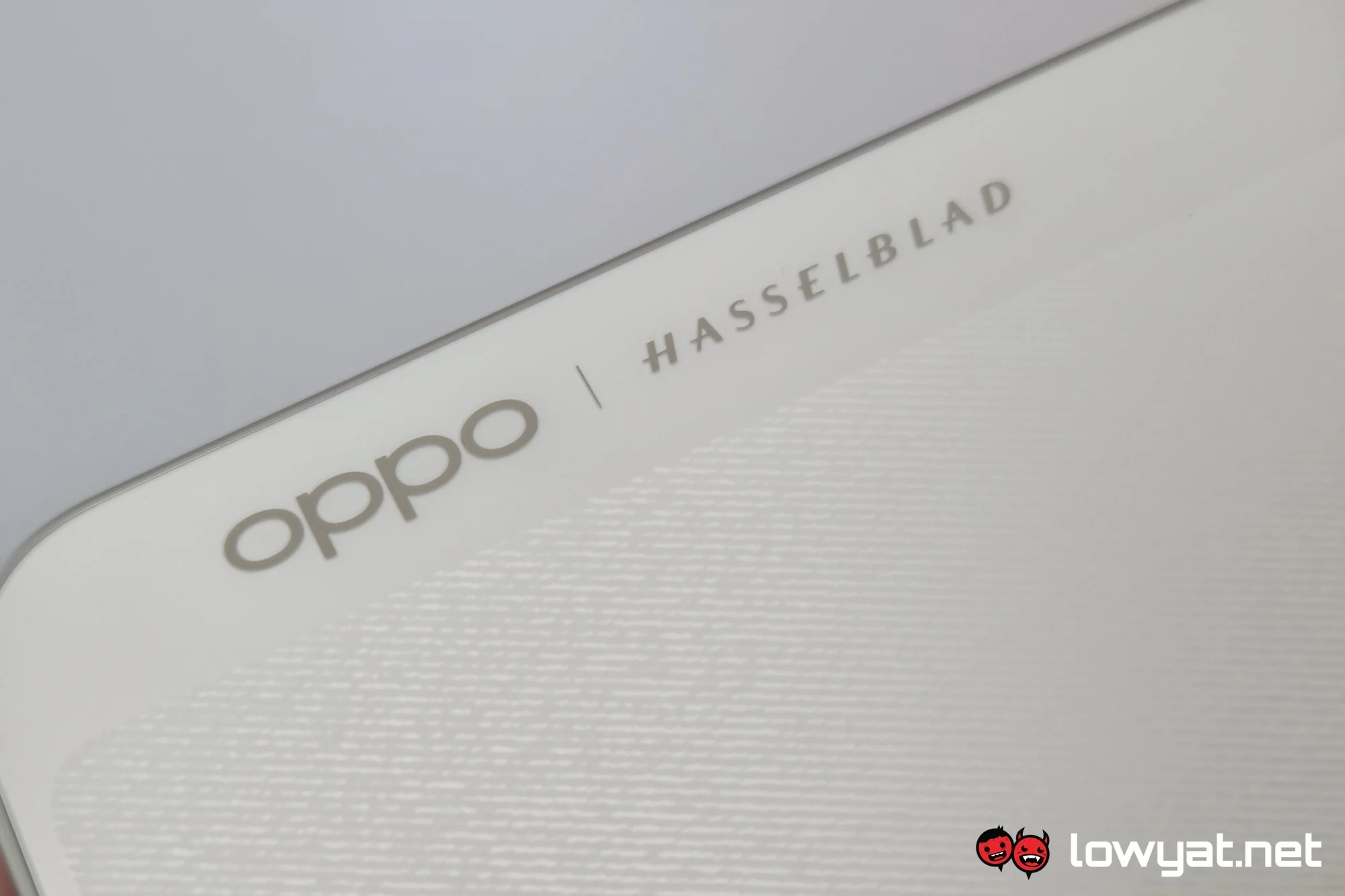
Speaking of cameras, it’s probably worth pointing out at this point that the OPPO Find X10 Pro Max comes in two colourways, with noticeable design differences between the two. One is White, which has Hasselblad’s branding as well as its own located on a strip on the left side. The texture difference between them also gives the illusion of a two-tone getup at a glance. But more noticeably, the camera island is noticeably split into two, with the LED flash and a sensor being on a separate, smaller island.
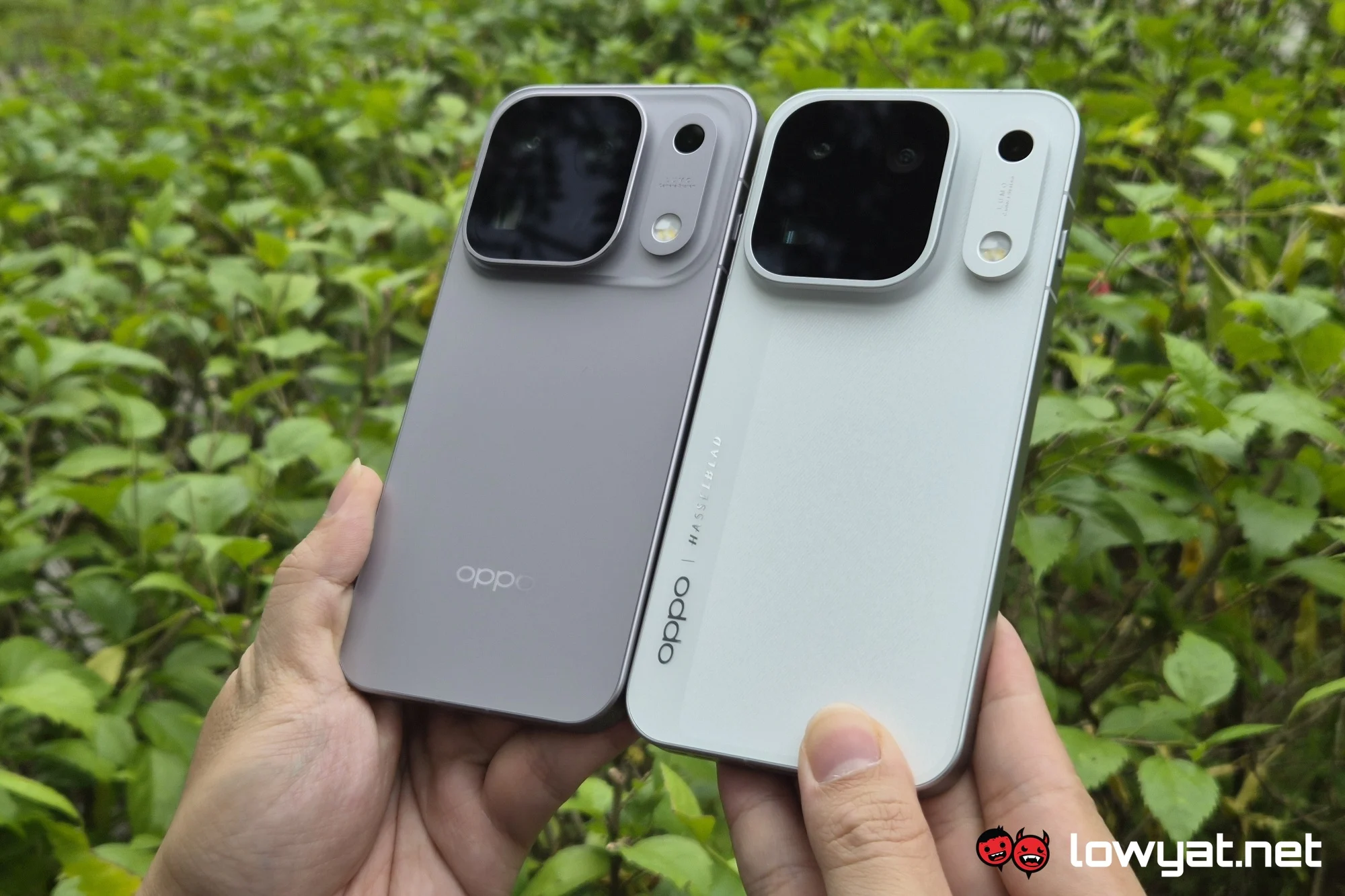
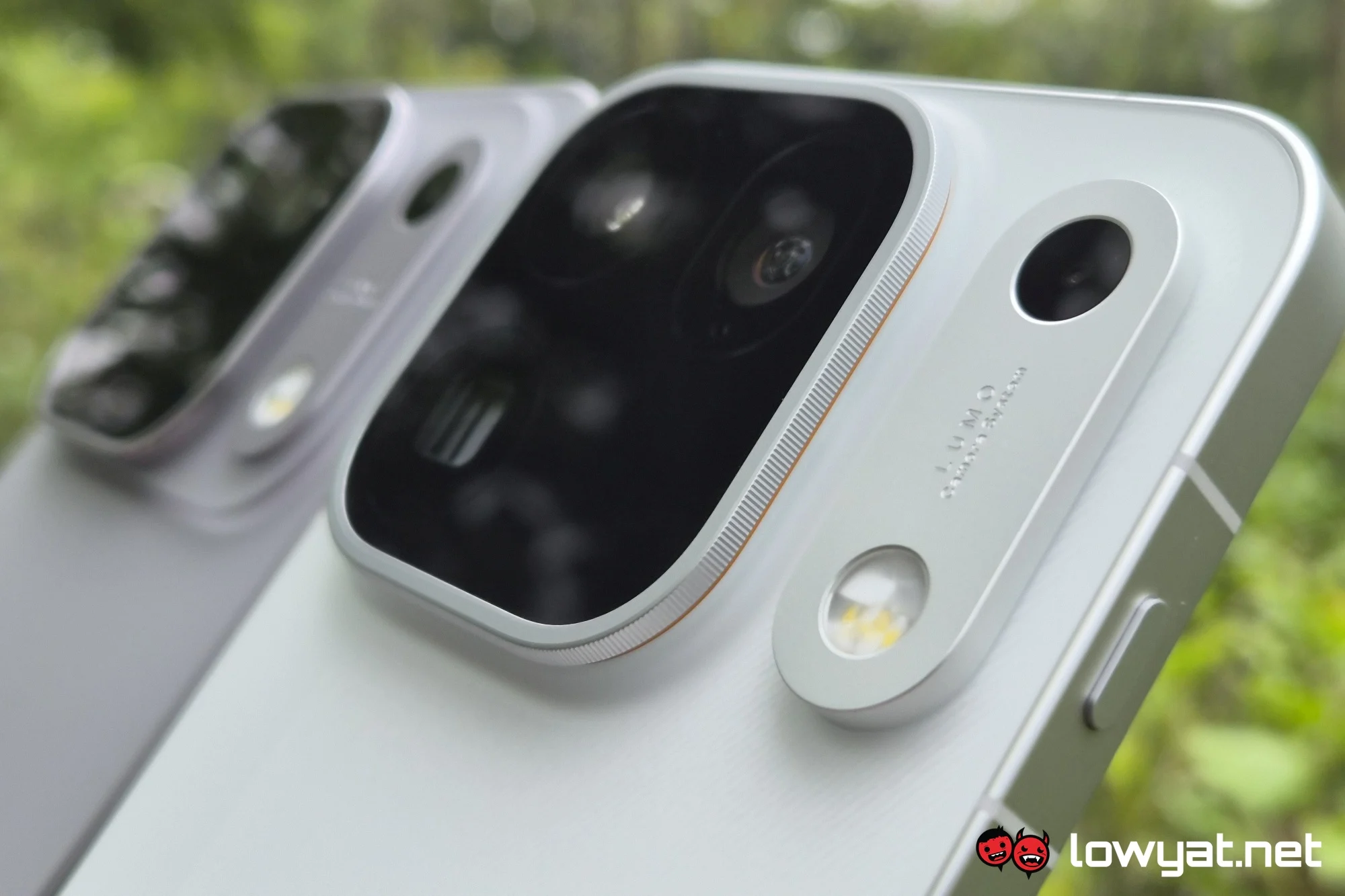
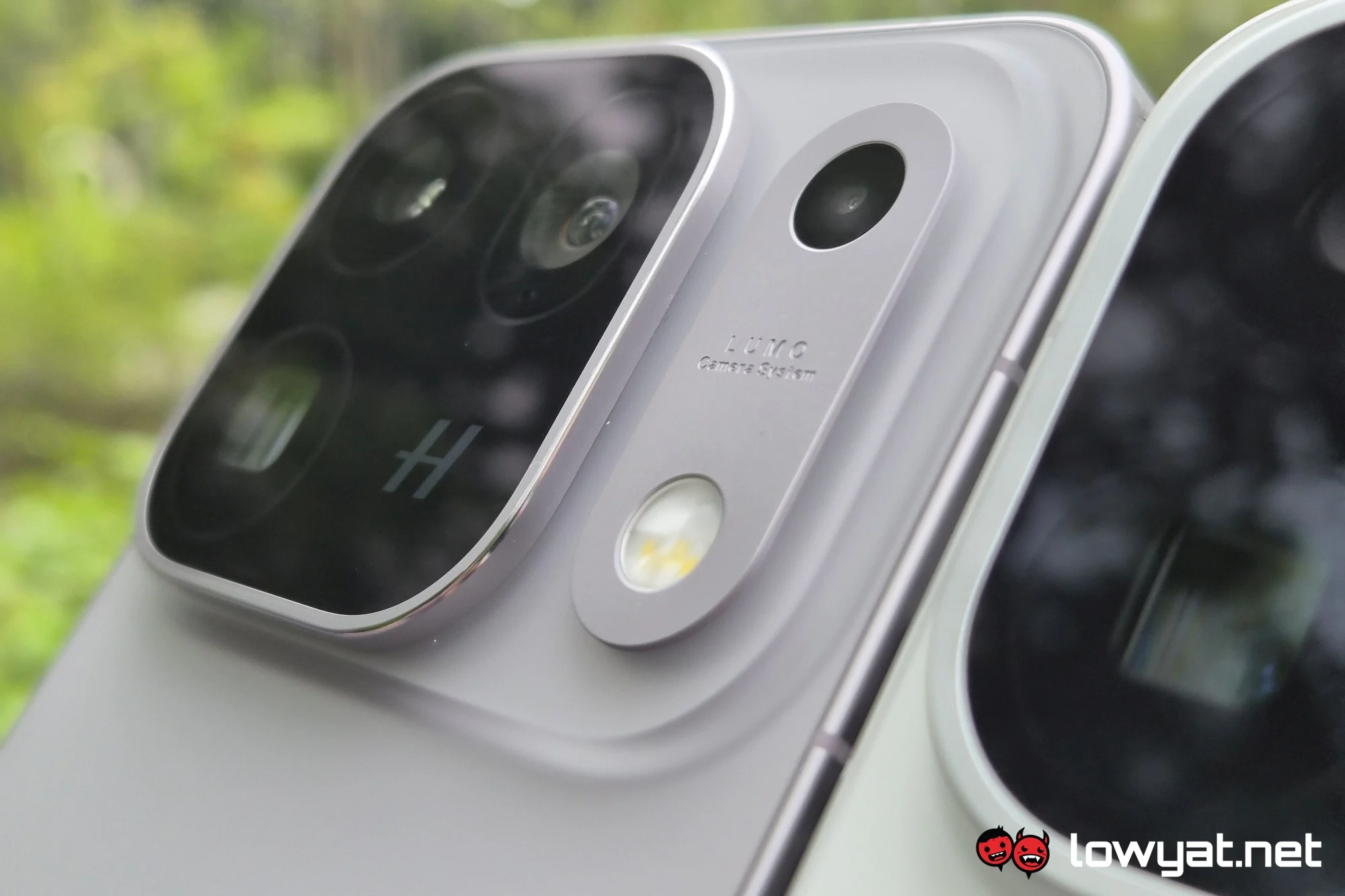
The second colourway, Grey, is a little more conventional. The OPPO branding is roughly in the middle, with the two camera islands joined together by what feels like a larger glass bump.
As you may notice in the more recent models released by some Chinese phonemakers, these come with an additional button on the left in addition to the usual power button and volume rocker on the right. If I’d hazard a guess, it’s a take on the Action button that has replaced the slider on recent iPhone models. And because it’s a button that can be reprogrammed to do other things, the utility is definitely there, and therefore worthy of “taking inspiration from”, let’s just say.
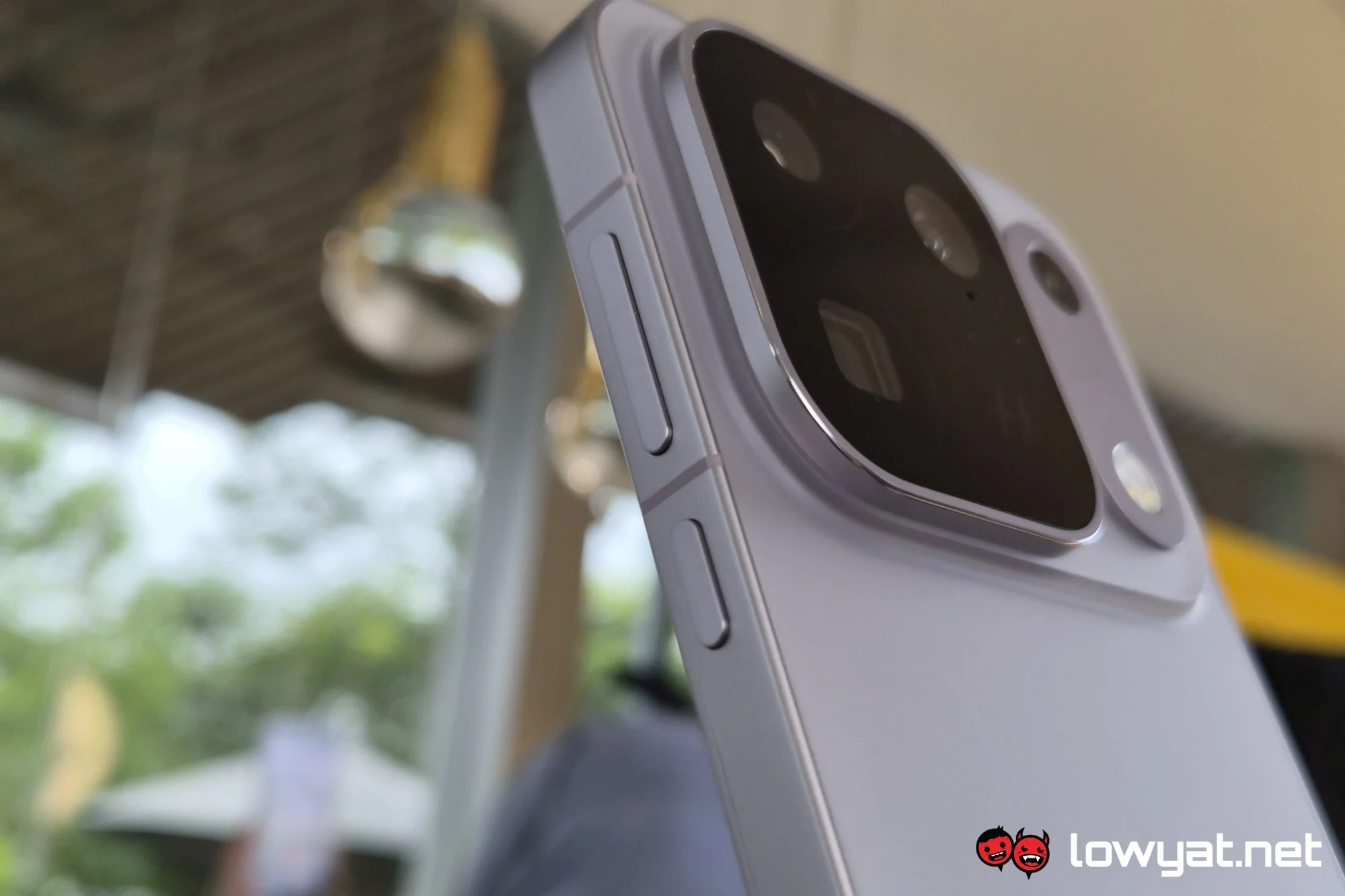
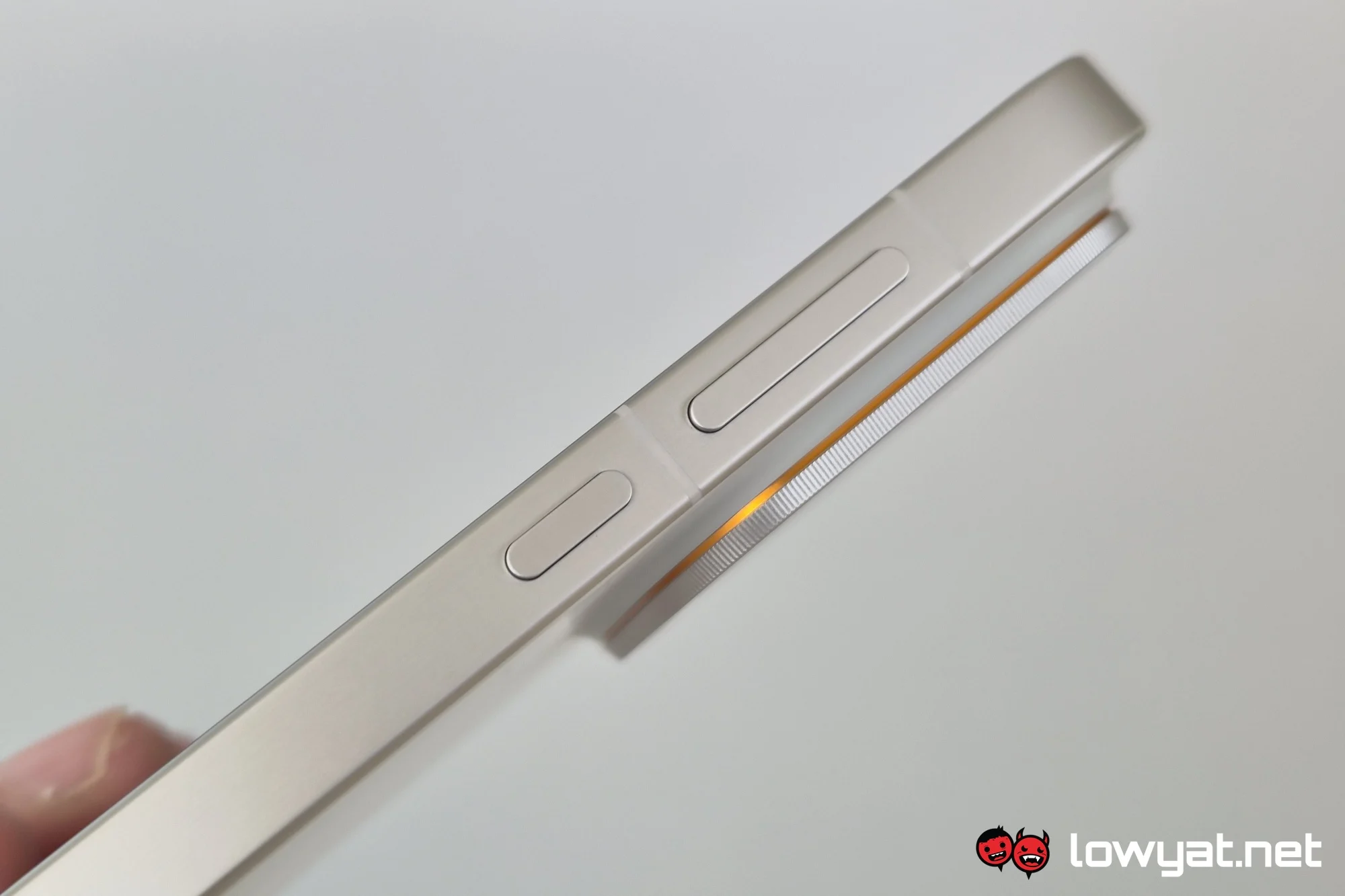
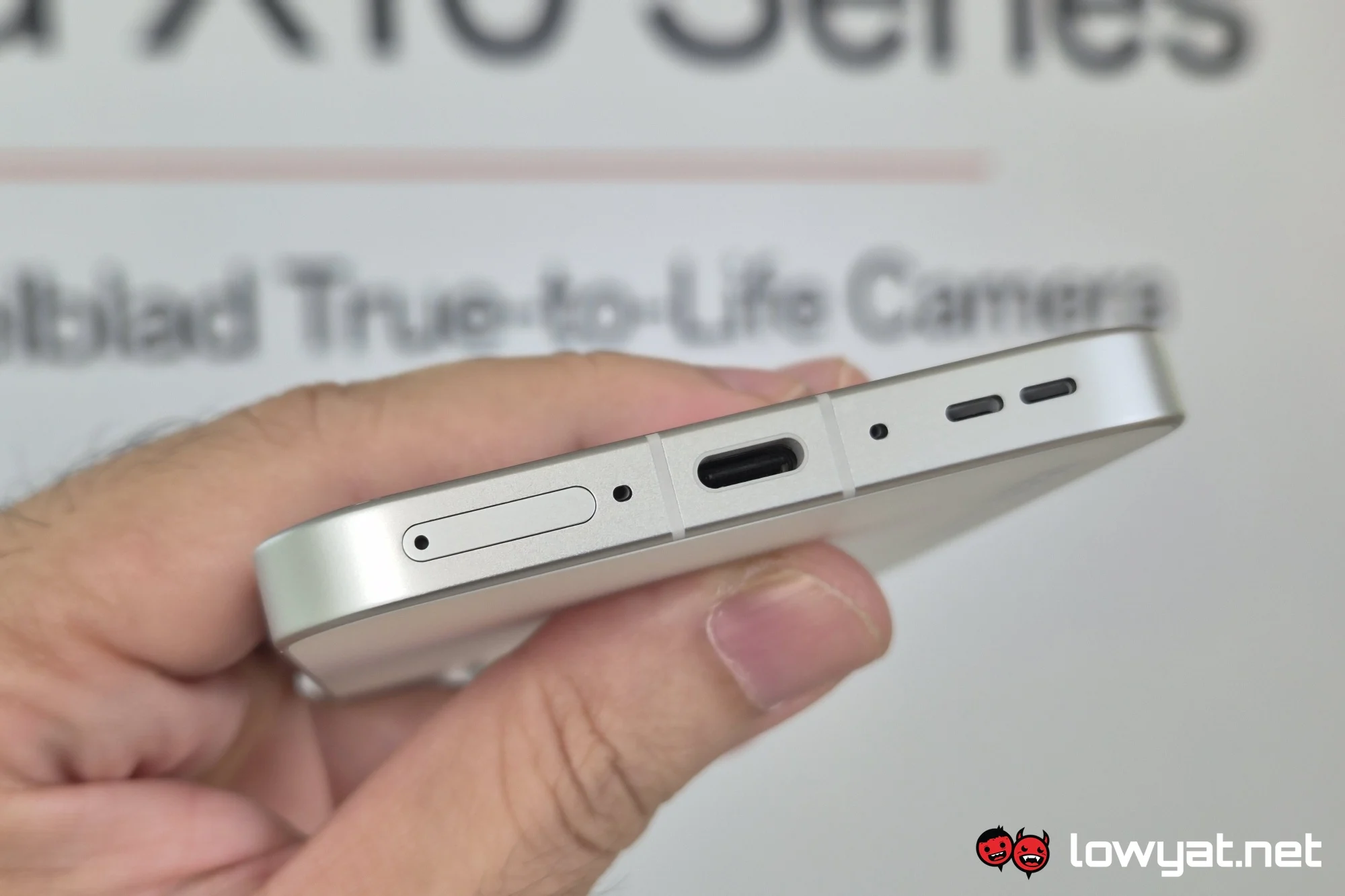
Either way though, as someone who likes to have the little finger close to the base of the phone, and who prefers one-handed operations, the placement of all buttons are just a tad too high up for my liking. Reaching for them means needing to shift my grip of the device, which would be fine if all I needed was the power button, to turn off the screen and then pop it into my pocket. But if I needed the Action button equivalent or the volume rocker, it means shifting the phone back into a more comfortable holding position. It may not be a dealbreaker for you, but it’s definitely an additional point of friction.
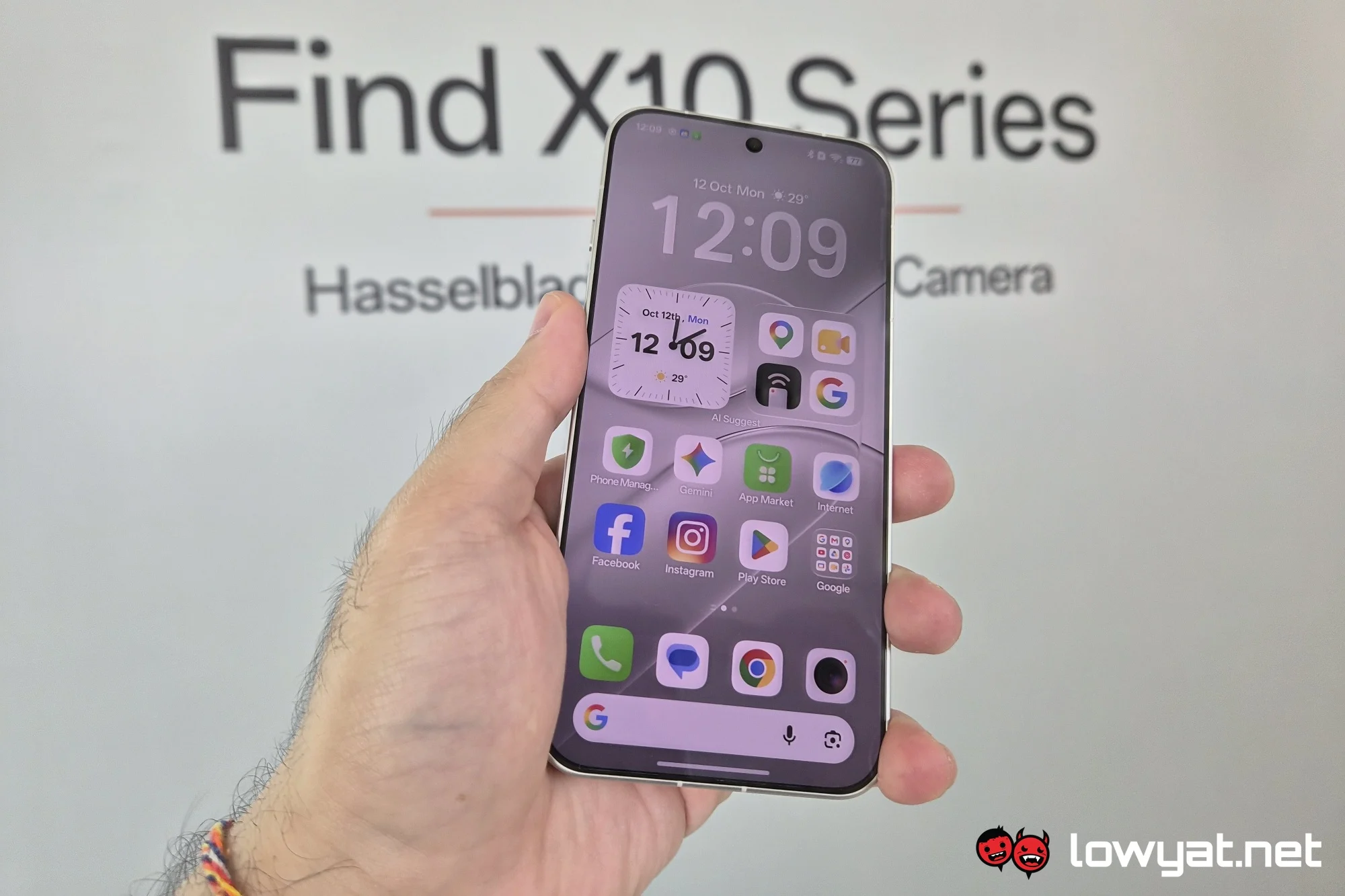
The OPPO Find X10 Pro Max runs the new ColorOS 17, though I didn’t test it thoroughly enough to provide a detailed opinion on it. Though from the briefing we got before the hands-on time, it looks to be more inspiration drawn from a certain bitten fruit brand. From the whole glass-like UI elements that you can control the opacity of, to the media player widget popping down from the front-facing camera island, it’s all very familiar at this point, and not in a bad way.
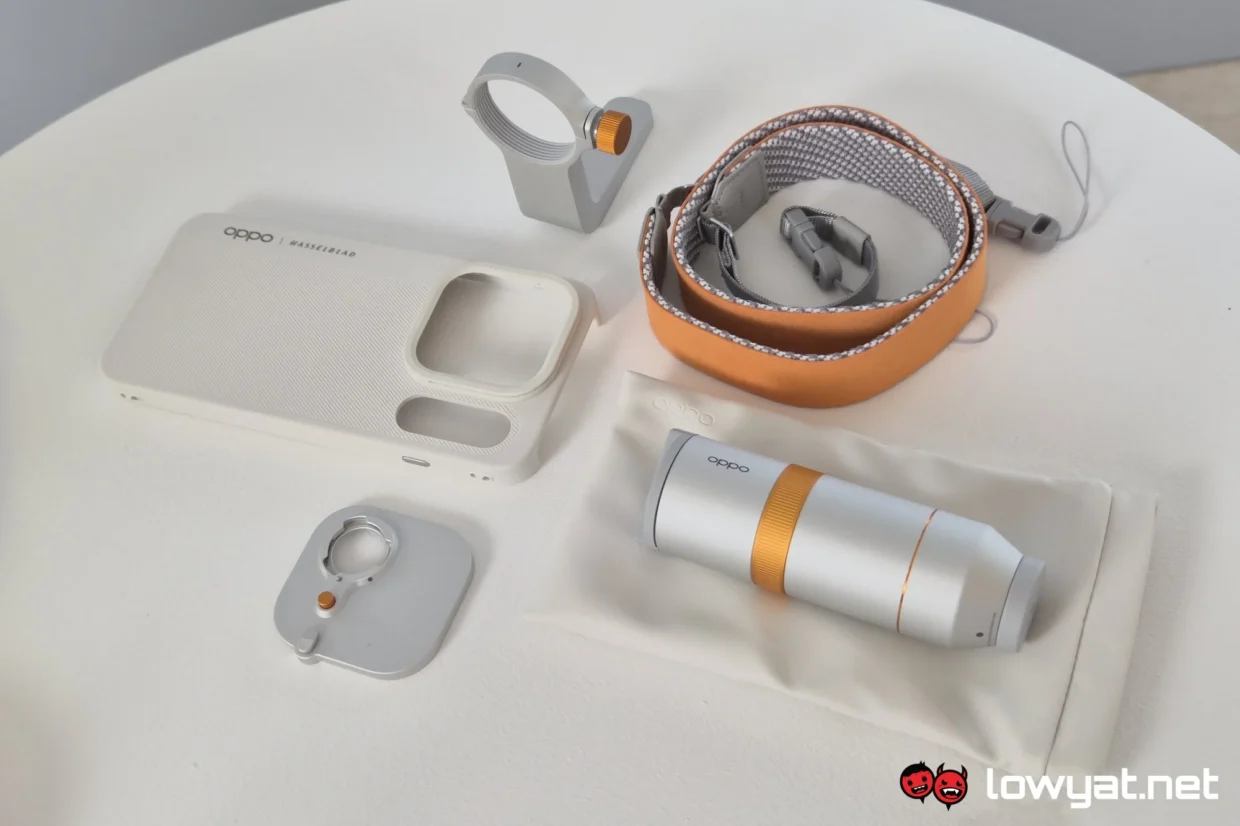
Now, for its cameras. The OPPO Find X10 Pro Max notably features three 200MP snappers at the back. This can be augmented with the teleconverter kit for a 10x optical zoom. While it wasn’t too extensive a shoot, the colours in the photos are closer to natural than before. You can still somewhat get the older, more vibrant photos with the help of some filters or – funnily enough – by using the portrait mode.
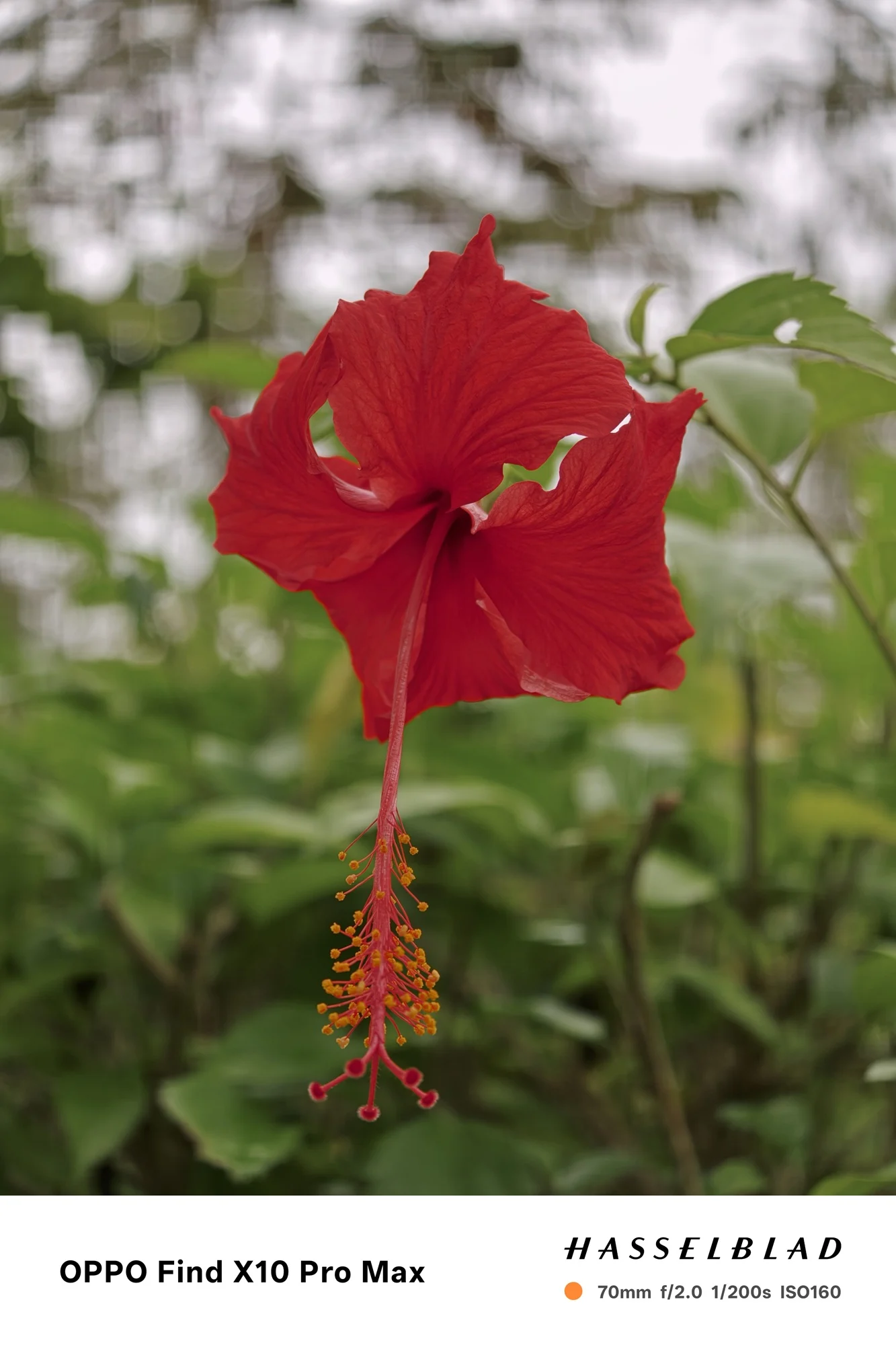
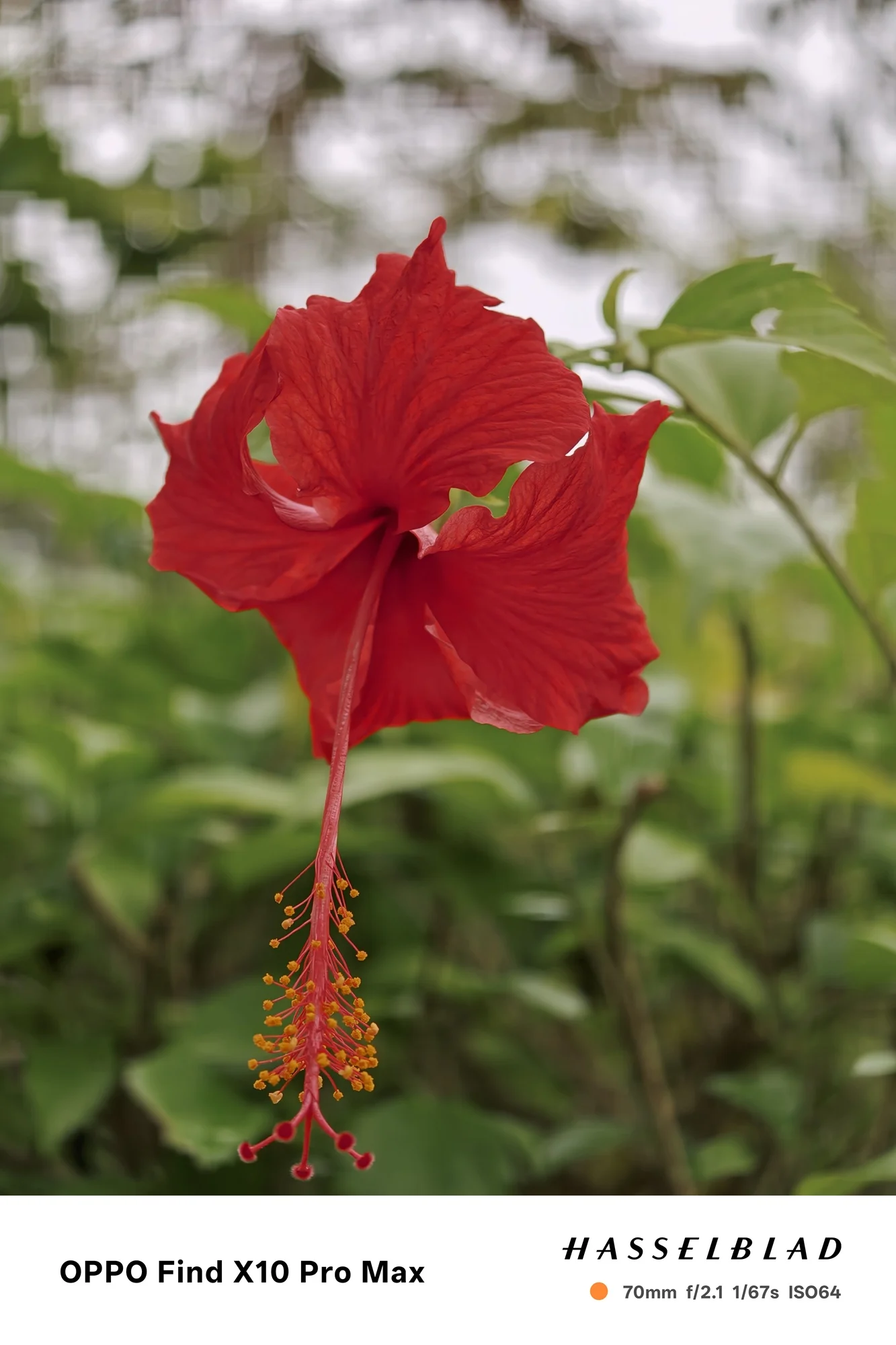
Computational photography has also been improved so that the simulated bokeh looks more natural, but pixel peep hard enough and you’ll still see artefacts near the edges of a subject, especially if there’s hair, fur or similarly challenging textures. For the best photos, it’s still probably best to use minimal simulated blur, or just shoot in normal mode with the aperture opened up wide.


For those who like macro shots, it’s worth mentioning that the OPPO Find X10 Pro Max automatically activates macro shooting when using the normal mode, but not portrait. The phone does struggle a bit with the initial focus locking at times, but nothing that tapping on where you want to focus can’t fix.
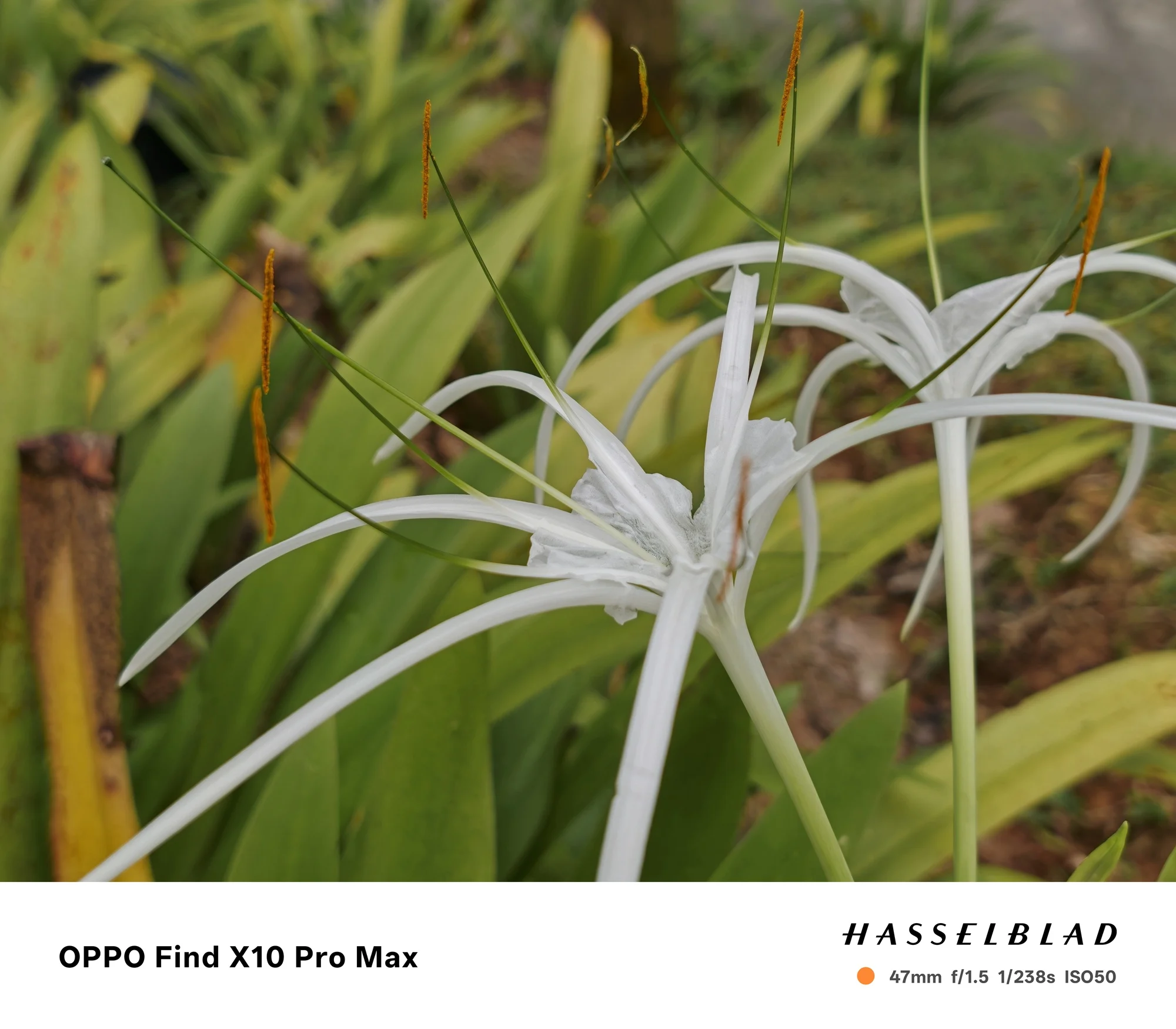
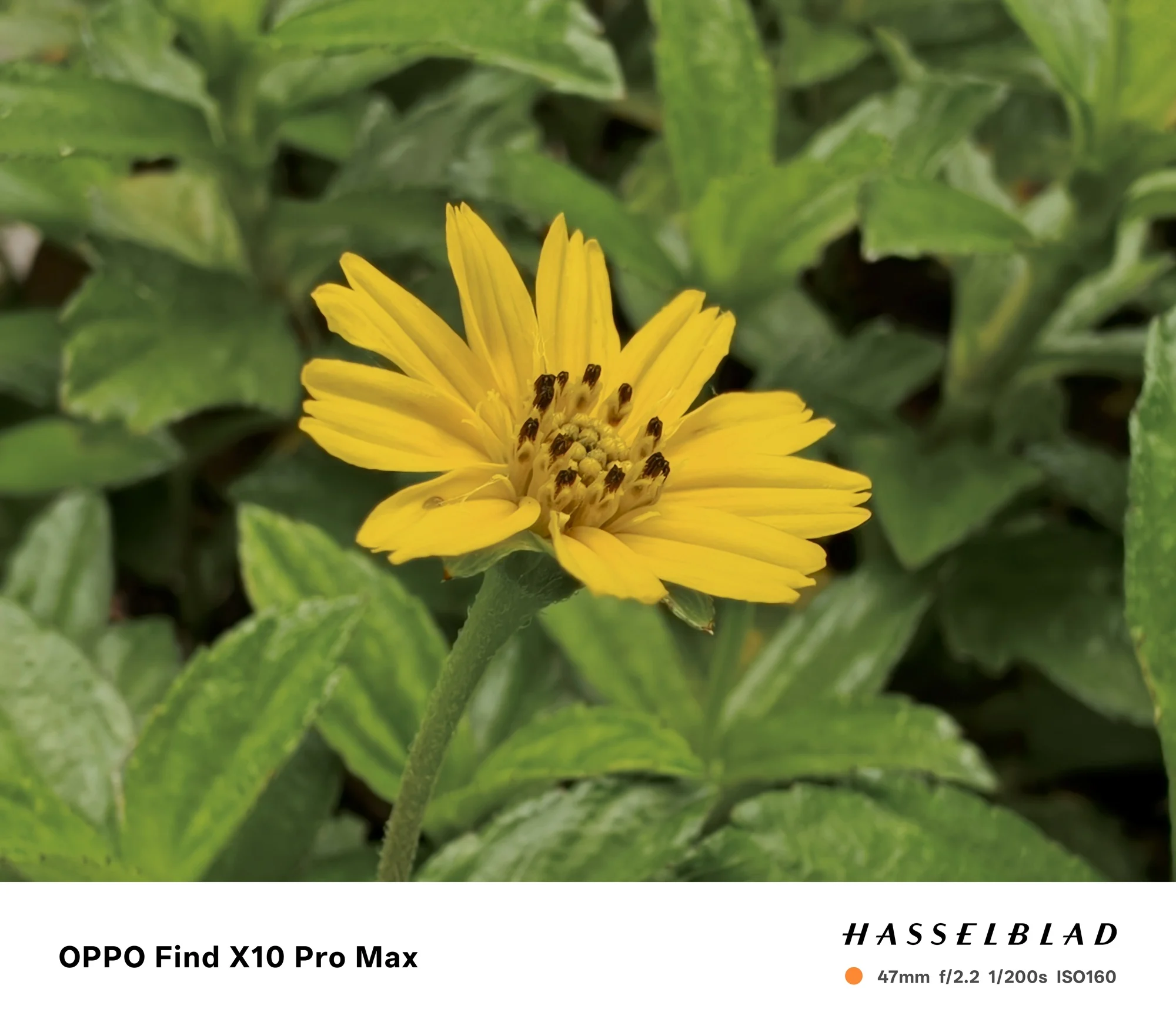
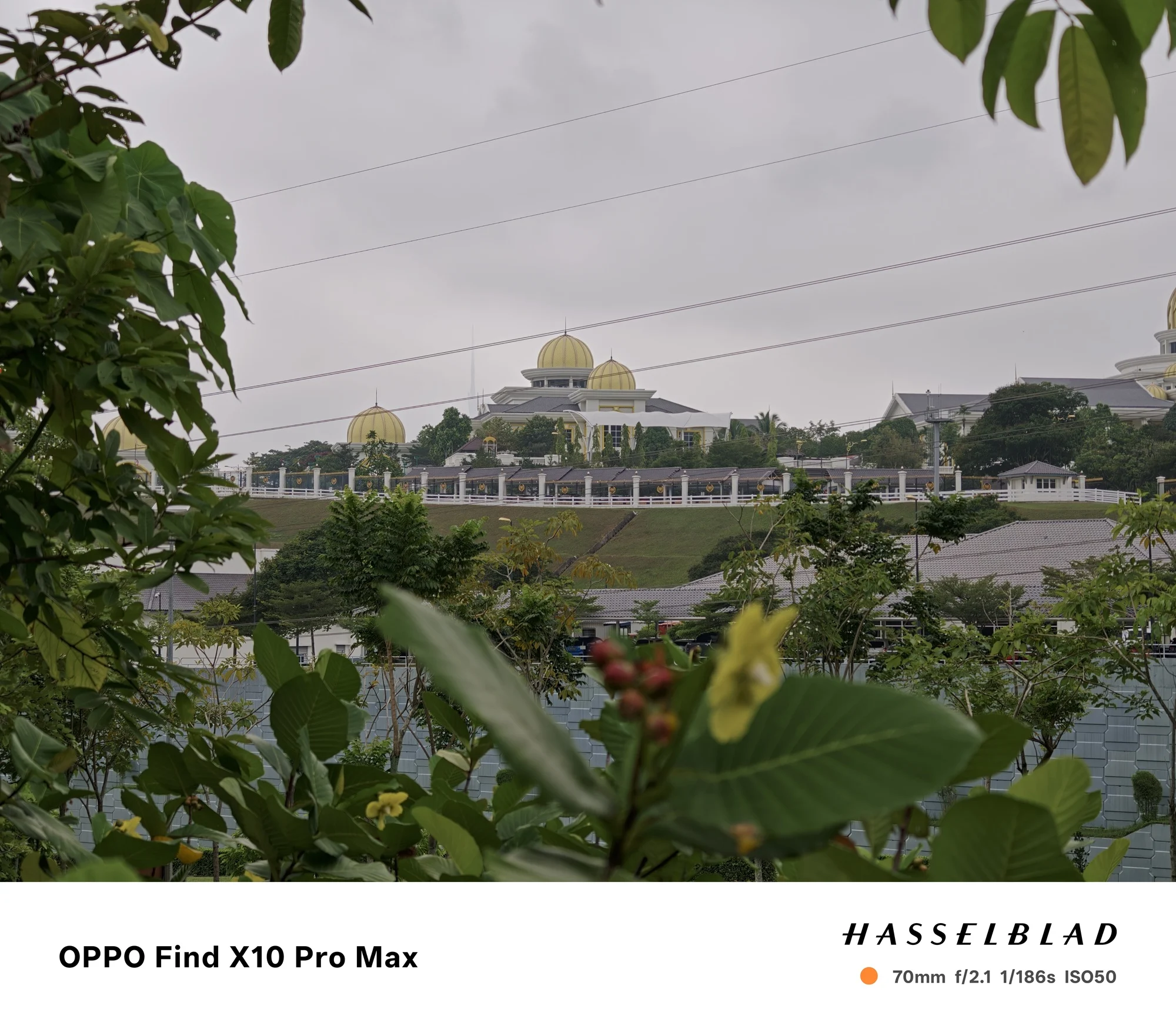
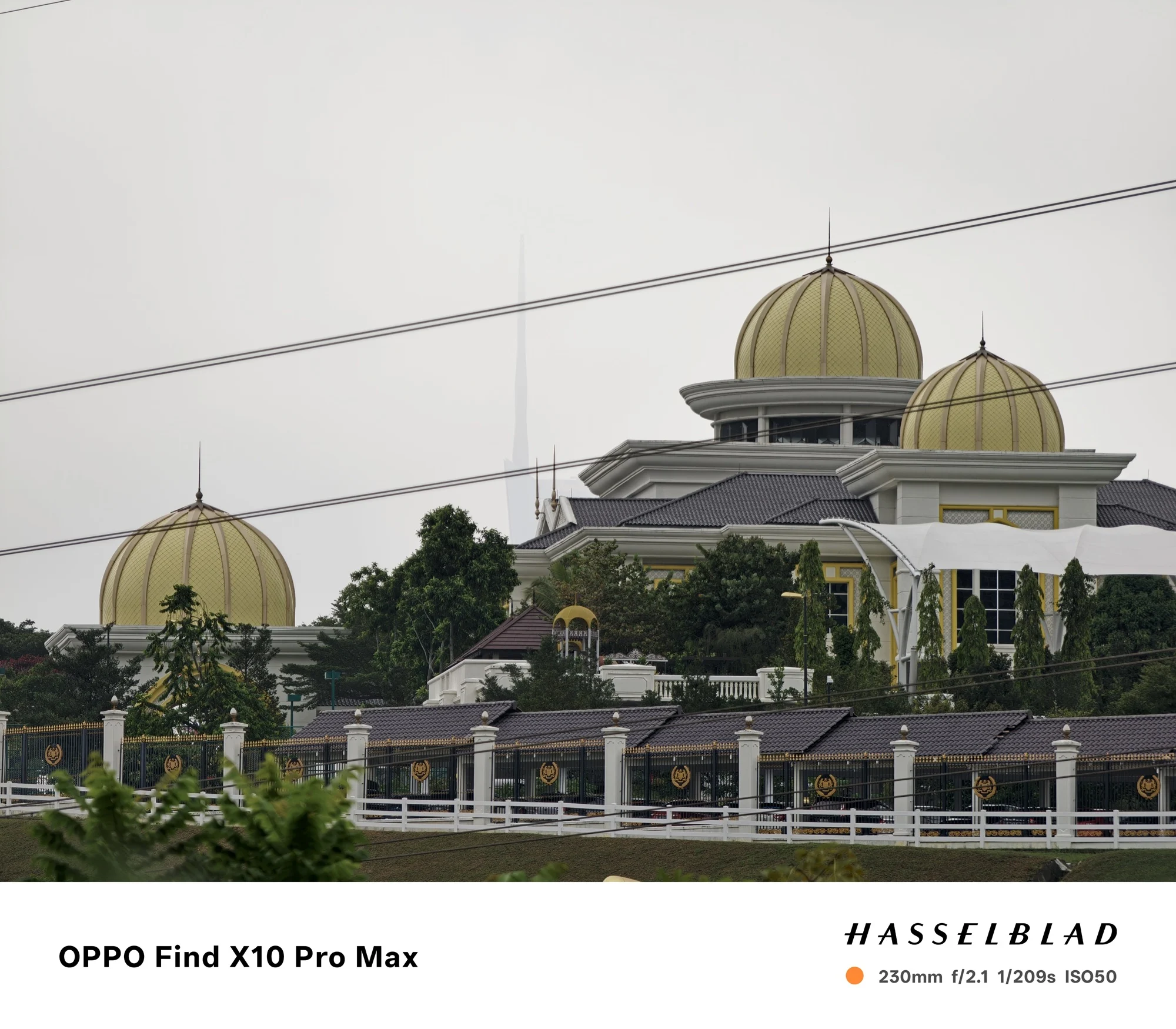
Then on the opposite end are the extreme zoom shots. It’s still a pretty niche use case scenario for mobile photography, but as before, it’s good enough to justify if you shoot this way often enough. It’s worth mentioning that finer details will still be a struggle.
To reiterate, the OPPO Find X10 Pro Max, alongside the base model, will be launching next week, on 22 October. That being said, pre-orders are running until 29 October, which may be an indication of its on-shelf availability date.
