
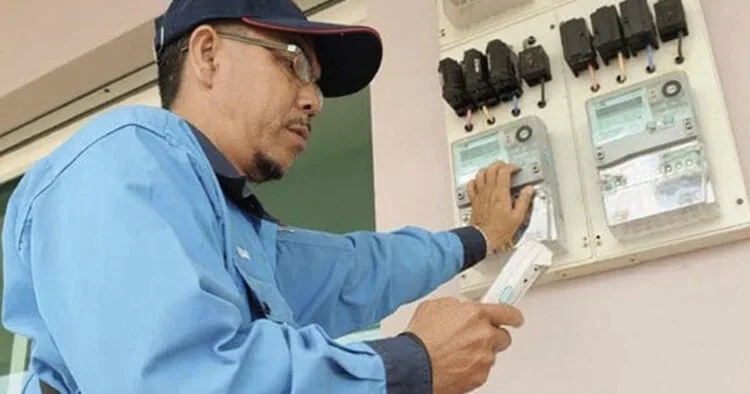
The government is reviewing a new electricity tariff mechanism to ensure fairer rates for domestic and industrial users. The proposed approach aims to keep household electricity bills affordable while ensuring that businesses remain competitive.
Deputy Prime Minister and Energy Transition and Water Transformation Minister Datuk Seri Fadillah Yusof said the Energy Commission (EC) has been tasked with conducting an in-depth study into measures to protect consumers. The study will also look into encouraging more efficient energy consumption, with the new tariff approach being considered for next year.

Higher Fuel Costs Contributing To Electricity Bills
Speaking during Question Time in the Dewan Rakyat on Thursday, Fadillah said rising global fuel prices amid the geopolitical crisis in West Asia were among the factors driving up electricity costs. Disruptions around the Strait of Hormuz have added to the pressure, as the waterway accounts for approximately 20% of global crude oil and liquefied natural gas (LNG) trade.
He also noted that the strait serves as a major route for around 40% of the fuel used by Malaysia. The resulting supply disruptions have contributed to higher fuel procurement costs for electricity generation.
Prolonged hot weather has also increased electricity consumption, particularly through more frequent and longer use of air conditioners. Meanwhile, reduced hydroelectric power generation and scheduled outages at coal-fired power plants have increased reliance on imported LNG.
According to Fadillah, fuel procurement costs during the crisis have exceeded projections under Regulatory Period 4. These factors have contributed to the recent pressure on electricity bills.

800kWh Subsidy Threshold Under Review
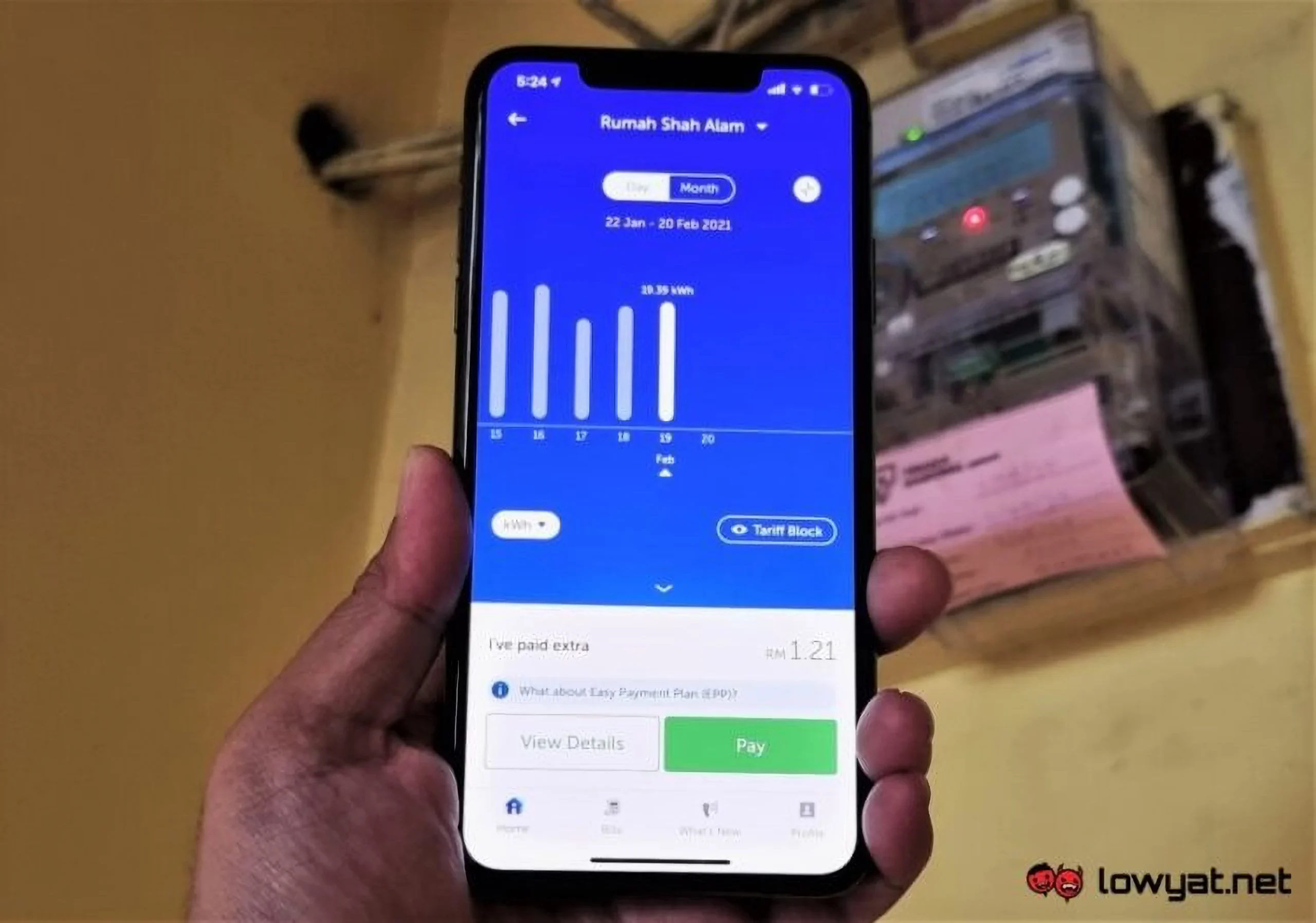
The proposed tariff mechanism was raised in response to a supplementary question from Azli Yusof (PH-Shah Alam). He asked whether the government planned to extend the existing 800kWh electricity subsidy threshold for domestic users in Peninsular Malaysia beyond 31 December 2026.
Fadillah said the government was studying additional measures to protect consumers from rising electricity costs. He added that domestic users consuming less than 600kWh of electricity had initially been assured protection from higher generation costs, before the threshold was raised to 800kWh.
However, the government has yet to announce whether the current threshold will be extended beyond the end of this year. The EC’s study is expected to help determine how electricity tariffs can balance consumer protection, more efficient energy consumption and industrial competitiveness.
Data Centres And Industries Could Face Different Rates
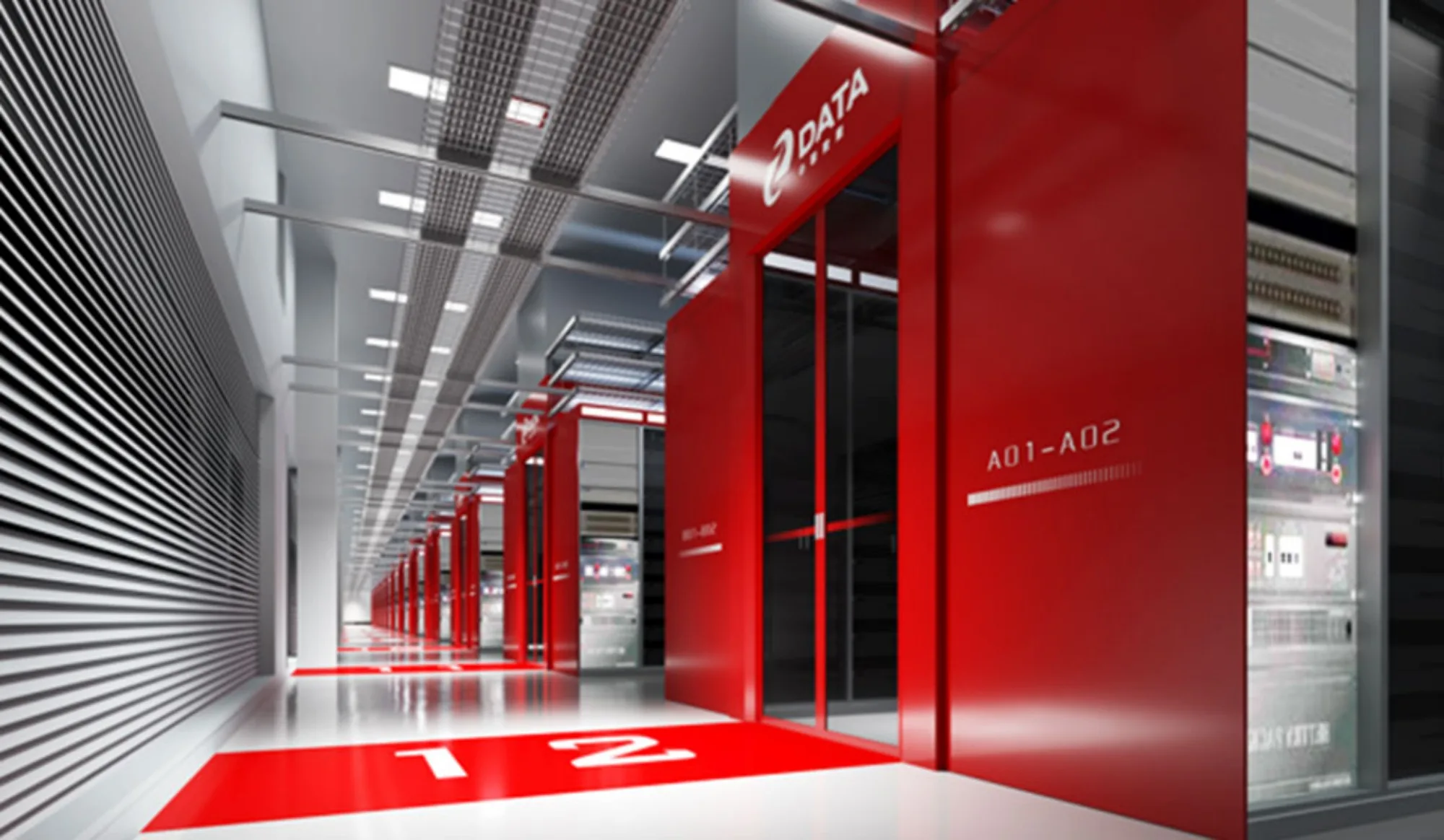
One of the approaches being considered is a user-pay mechanism. Under this proposal, consumers that use more electricity, particularly data centres and industrial players, could face different rates from domestic users.
Fadillah said the approach would help establish a fairer tariff structure while protecting households from higher electricity costs. This comes as Malaysia continues to attract investments in data centres, which require substantial amounts of electricity to operate.
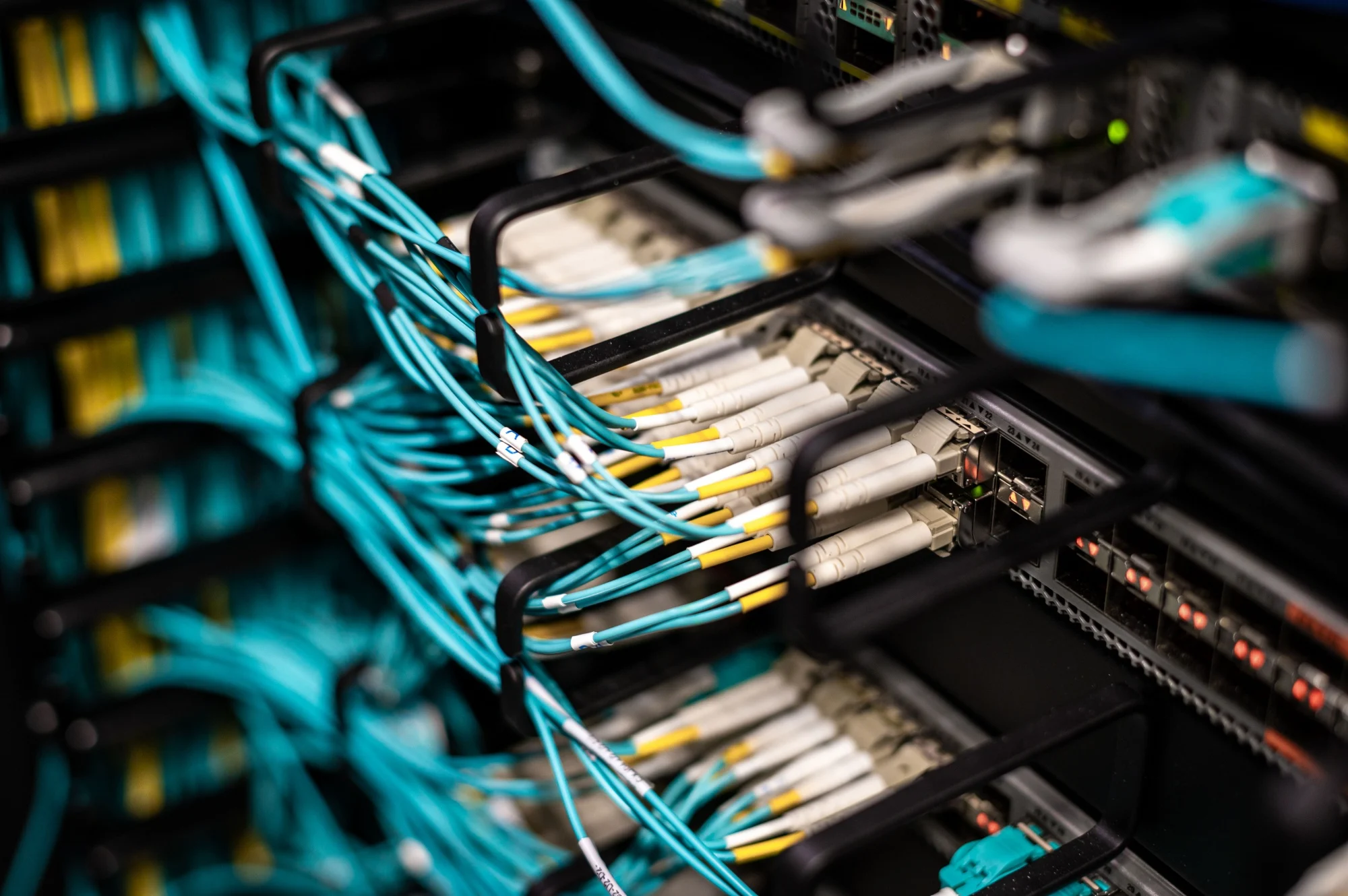
As reported previously, the government has approved 27 data centre projects in the country. The proposed tariff mechanism could therefore play a role in managing electricity demand and ensuring that power generation costs are distributed more fairly.
Fadillah added that the government would seek to keep electricity affordable for domestic users. At the same time, it wants to ensure that industrial electricity rates remain competitive compared with those in other countries.
(Source: Bernama)
