
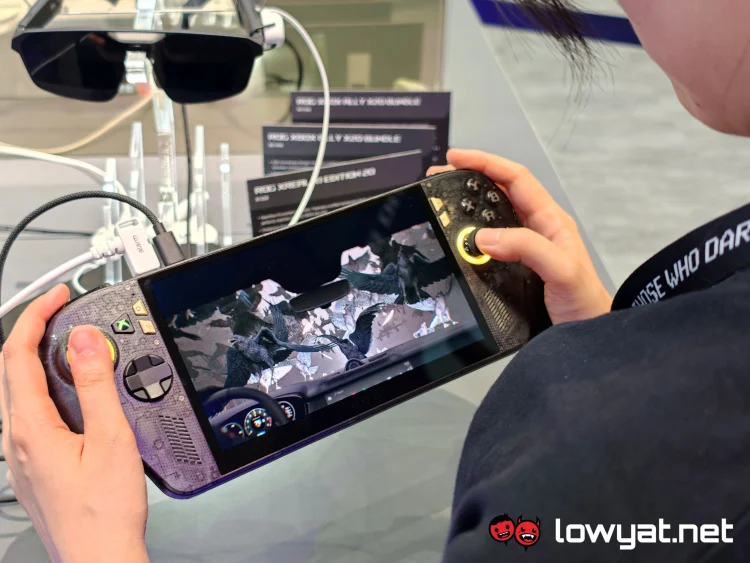
AMD is planning on expanding its fourth generation FidelityFX Super resolution, or FSR4, upscaling technology beyond its discrete graphics, and into the realm of APUs, gaming laptops, and gaming handheld devices powered by its chips. And it wants to do so before the end of 2026.
At least, that is according to Jack Huynh, AMD Senior Vice President and General manager of Computing and Graphics Group, who confirmed the roadmap during a meeting in Seoul, South Korea.
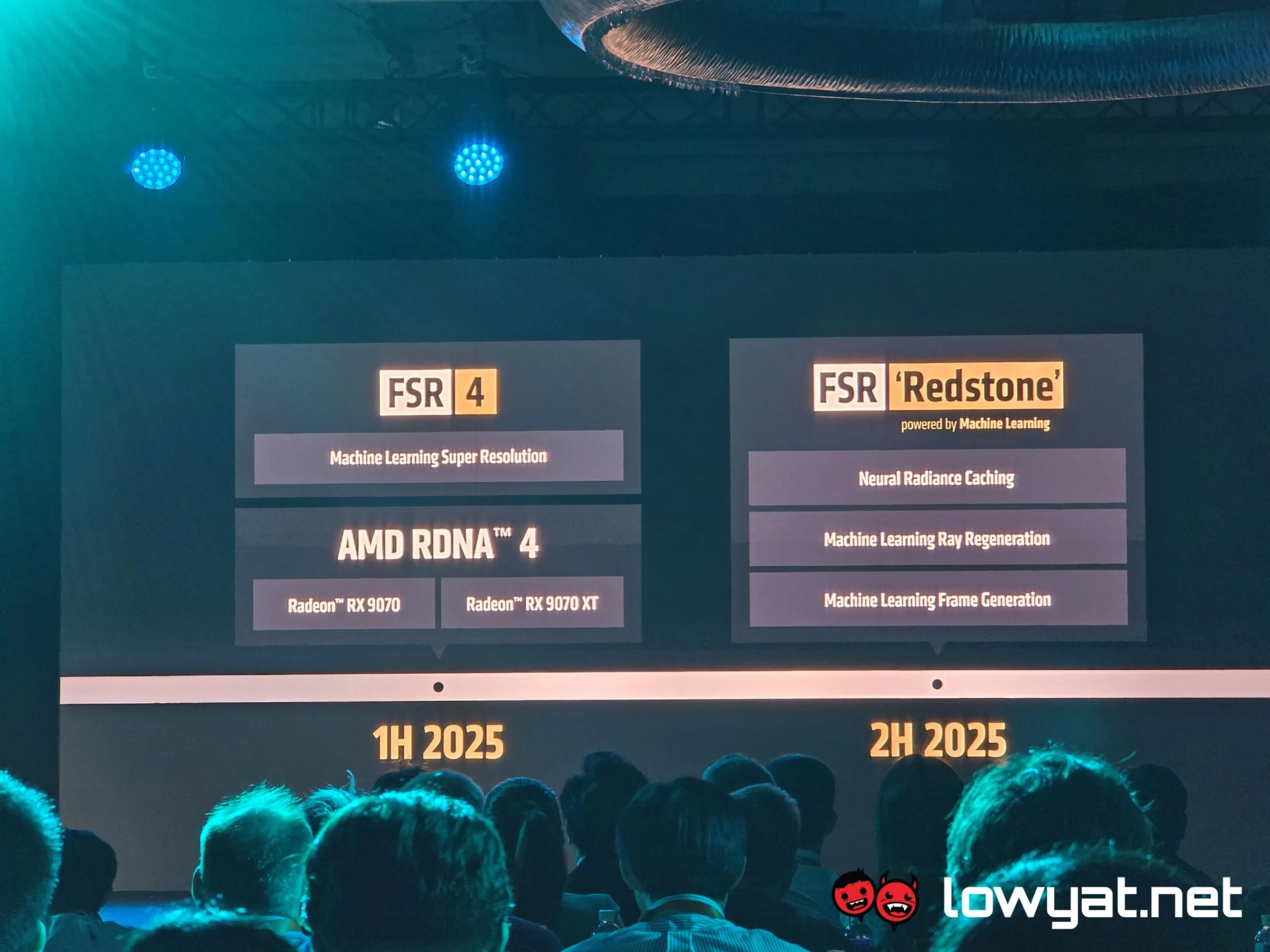
“We will expand the machine learning AI-based FSR4 technology, which was first introduced to existing external graphics cards, to the entire product line including APUs, gaming laptops, and handheld devices by the end of this year,” adding, “We plan to respond in two directions: launching existing APUs and new product lines.”
To be clear, The Elec, which is the South Korean portal that broke the news, isn’t providing the full quote from Huynh; they’re likely interpreting it as AMD probably releasing new APUs that would complement FSR4. This could also be Huynh alluding to the imminent arrival of the Ryzen Z3 Series APU, of which rumours suggest that it will be based on the red chipmaker’s Zen 6 CPU architecture and 12 RDNA4m cores.
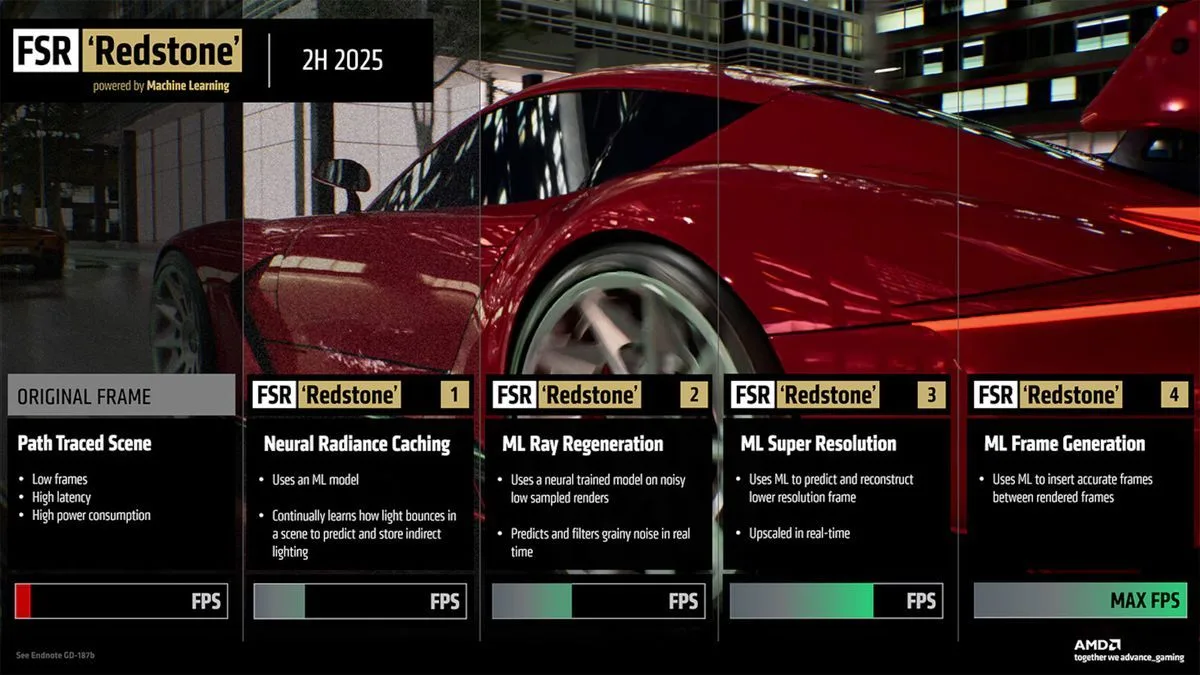
FSR4 was first announced during Computex 2025, more than a year ago. The upscaling technology was initially made available to RDNA4-based Radeon RX 9000 Series GPUs, followed by a rollout to older RDNA3 GPU, or Radeon RX 7000 Series, back in June this year.
As we surmised before, the decision to release it to older GPUs generations was likely a response to the outrage of the Radeon community, which really wanted the upscaler made available to older GPU. AMD did give in to their demands, and even said that it would also make FSR4 available to older RDNA2-based GPUs.

To be clear, AMD’s FSR technology is already available on APUs, laptops, and gaming handhelds, and speaking from the experience of this writer, having the upscaler on a gaming handheld makes the gaming experience all that smoother and more enjoyable.
