
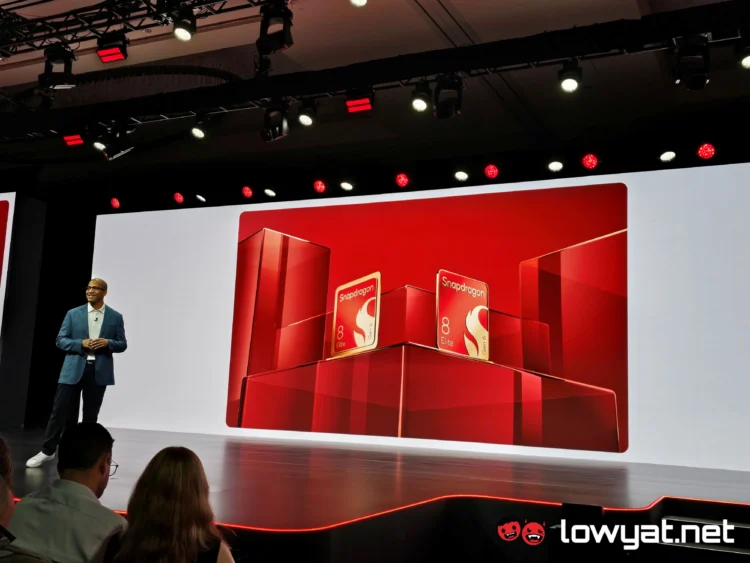
Qualcomm officially announced its yearly Snapdragon chipset update at its annual Snapdragon Summit 2026 with two mobile platforms today: The Snapdragon 8 Elite Extreme Gen 6 and the Elite Gen 6. Both platforms are flagships and designed for the new frontier of AI, but it’s clear which one of is the first among equals.
First Mobile Chipset To 5GHz
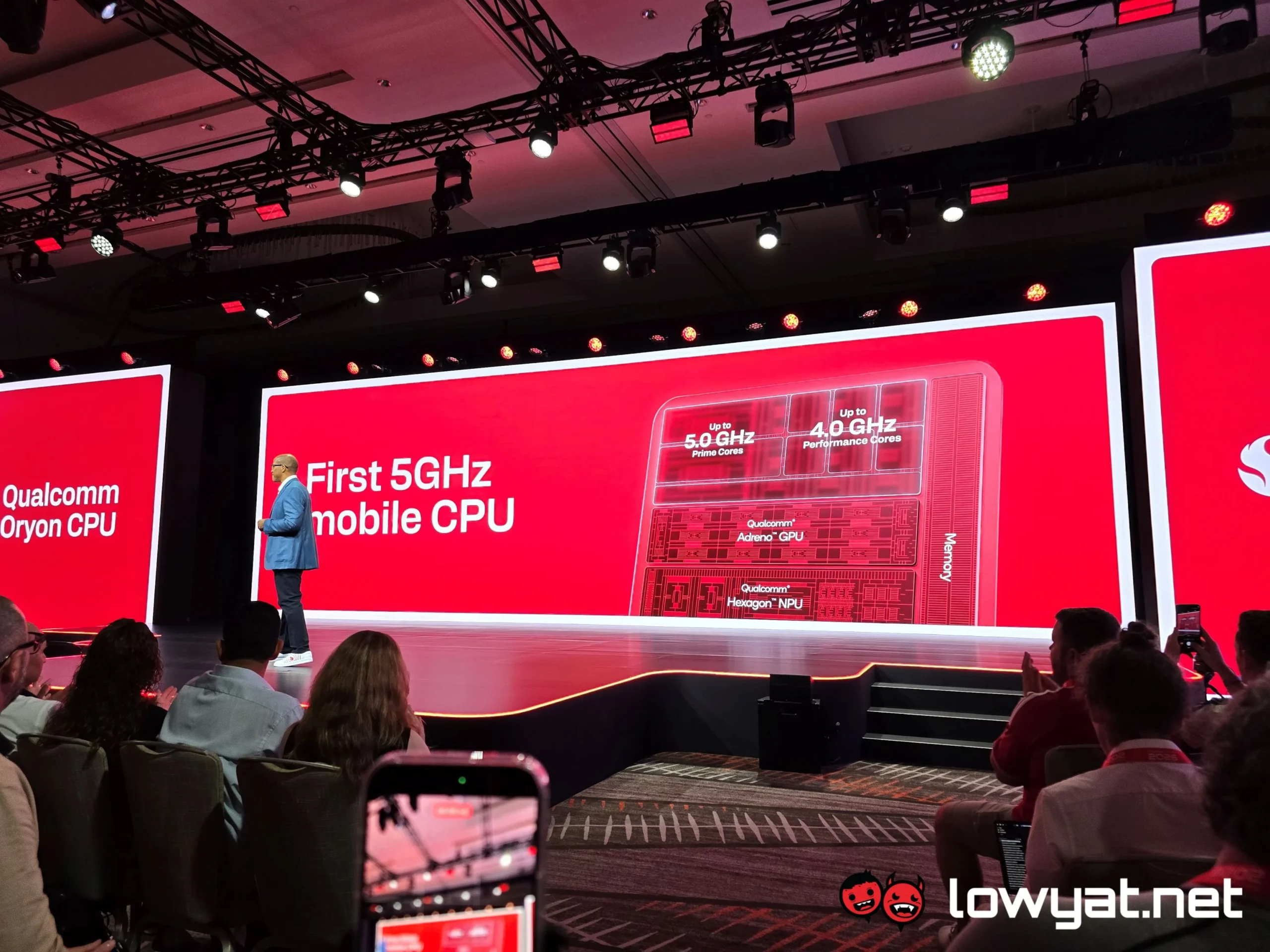
The 8 Elite Extreme Gen 6, or simply 8 Elite Extreme, is clearly the star of the show here. Built upon TSMC’s 2nm process node, the platform runs on two Prime Cores with the ability to run at a boost clock of 5GHz, along with six Performance Cores that run at a peak clock of 4GHz. Tying these two clusters together is a 16MB Qualcomm Oryon Flex Cache. Think of this like the L3 Cache that modern CPUs use, the difference here being for mobile.
We’ve actually covered this before, and to rehash what we’ve said before about the Oryon Flex Cache: The architecture is designed to scale with the workload in question, and wherever the demand is. Basically, the larger the workload, the more FlexCache will instruct the Snapdragon Oryon cores to maintain and hold its activity, rather than taper off when a task outgrows the processing power demanded.
Moving on, 8 Elite Extreme also introduces a new Sensing Hub that is, unsurprisingly, designed to alleviate the AI workloads. Using dual Micro NPUs, Qualcomm claims that it delivers 85% more performance over its predecessor, while also being 20% more power efficient while doing so. It can also handle bigger language models, with the capacity of up to 200 million parametres at a time. Not only that, but it can also serve as your personal scribe, enabling a smartphone to remember what matters, disseminate who said what, and also learn context from messages, emails, and conversations over time.
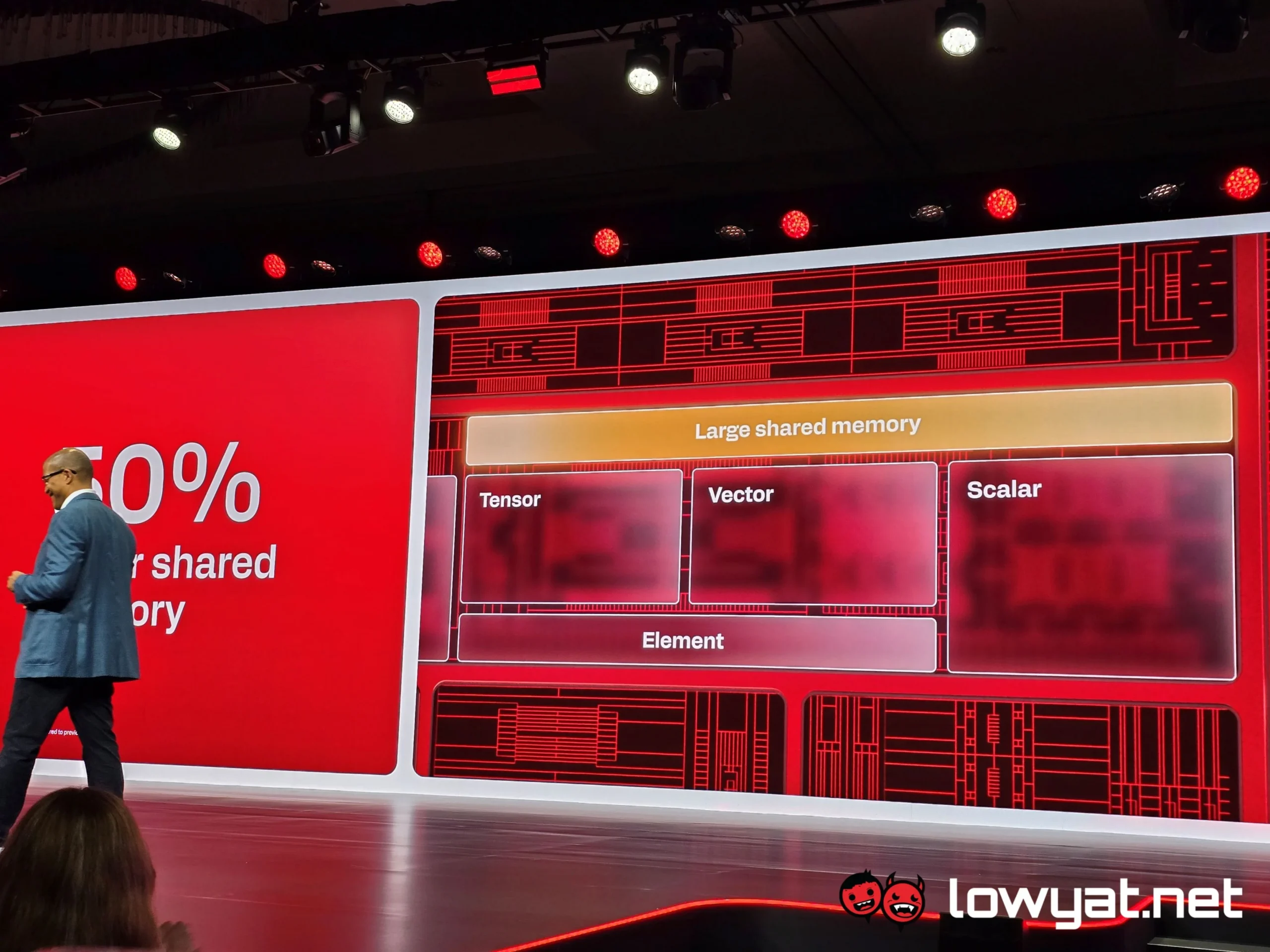
This, of course, is flanked by the 8 Elite Extreme Gen 6’s new Hexagon NPU that has a larger Shared Memory cache, up by 50% over the previous 8 Gen 5’s Hexagon NPU.
This brings us to a new function: The Agentic Loop. Basically, it’s a function that Qualcomm says is drawn into the die that lets the always-on Sensing Hub to hear everything that goes on around you. Sounds ominious, I know, but bear with us.
The Sensing Hub is designed to process voices and commands, all while consuming very little power. This information is then passed through to the NPU, which processes that information and provides context to what it is the user is saying or asking. The end result, then, is a plan or process that your system, using only relevant information.
Neural Fusion Engine For More Frames
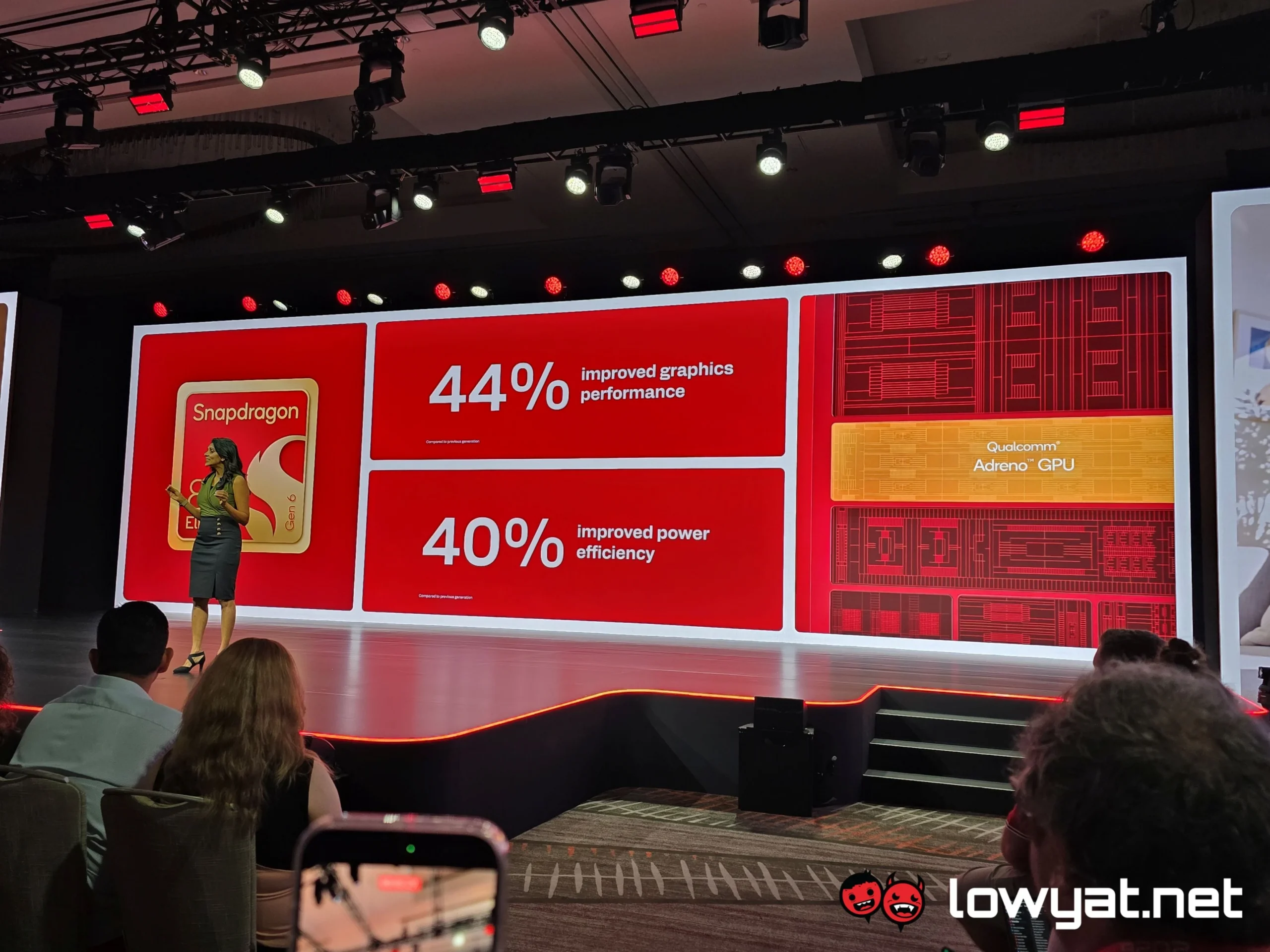
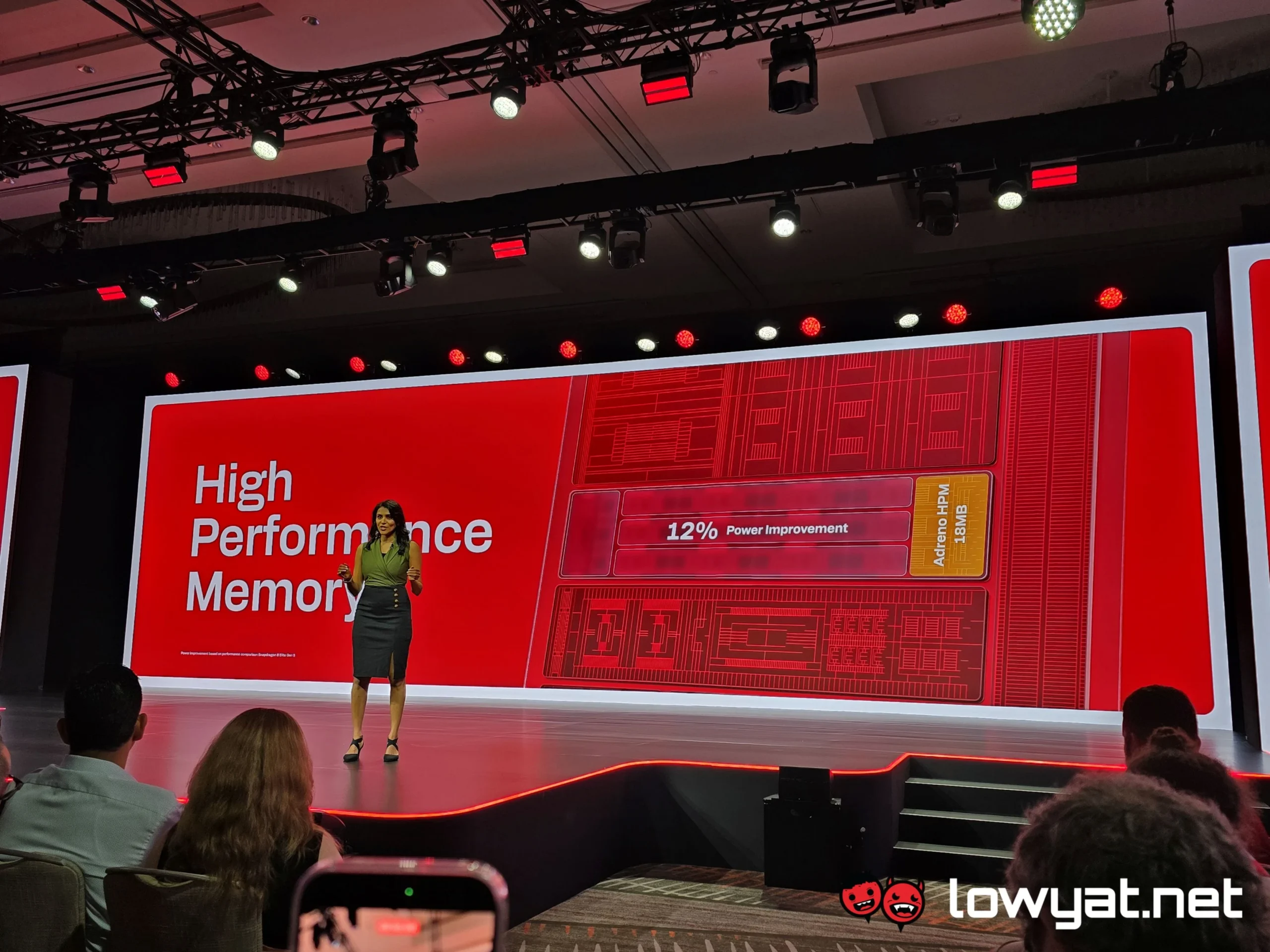
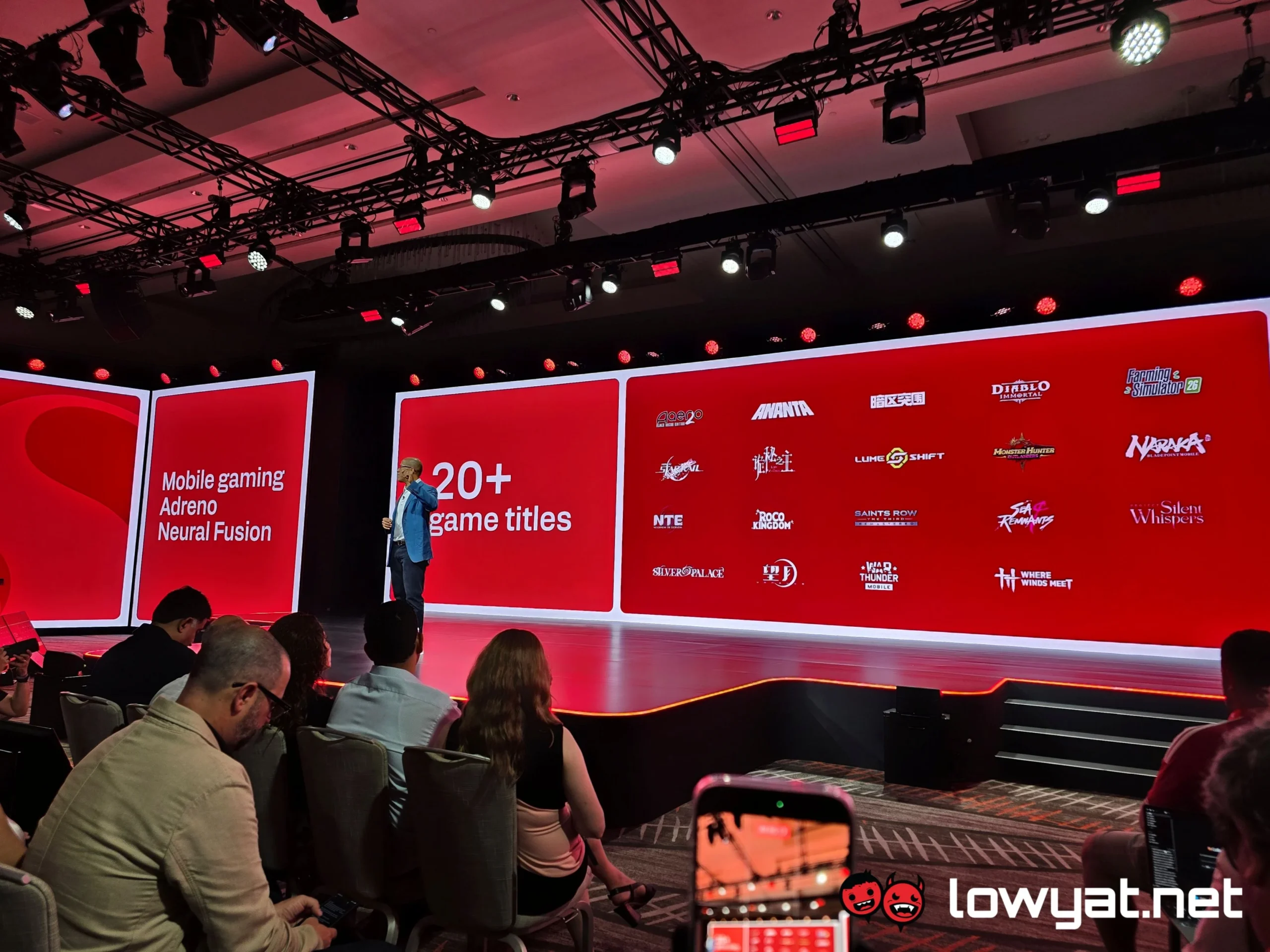
As with all Snapdragon platforms, the new Snapdragon 8 Elite Extreme Gen 6 and Standard 8 Elite Gen 6 introduce a new Adreno GPU and, as per earlier reports, it will introduce a new Neural Fusion engine. This engine will enable the integrated GPU to deliver Qualcomm’s own version of AI Super Resolutio, as well as Frame Generation, allowing said graphics cores to deliver higher frames while upscaling and enhancing details from a lower resolution in-game.
The Adreno Neural Fusion engine is already supported in developer builds using Unreal Engine, Unity, and the Messiah engines.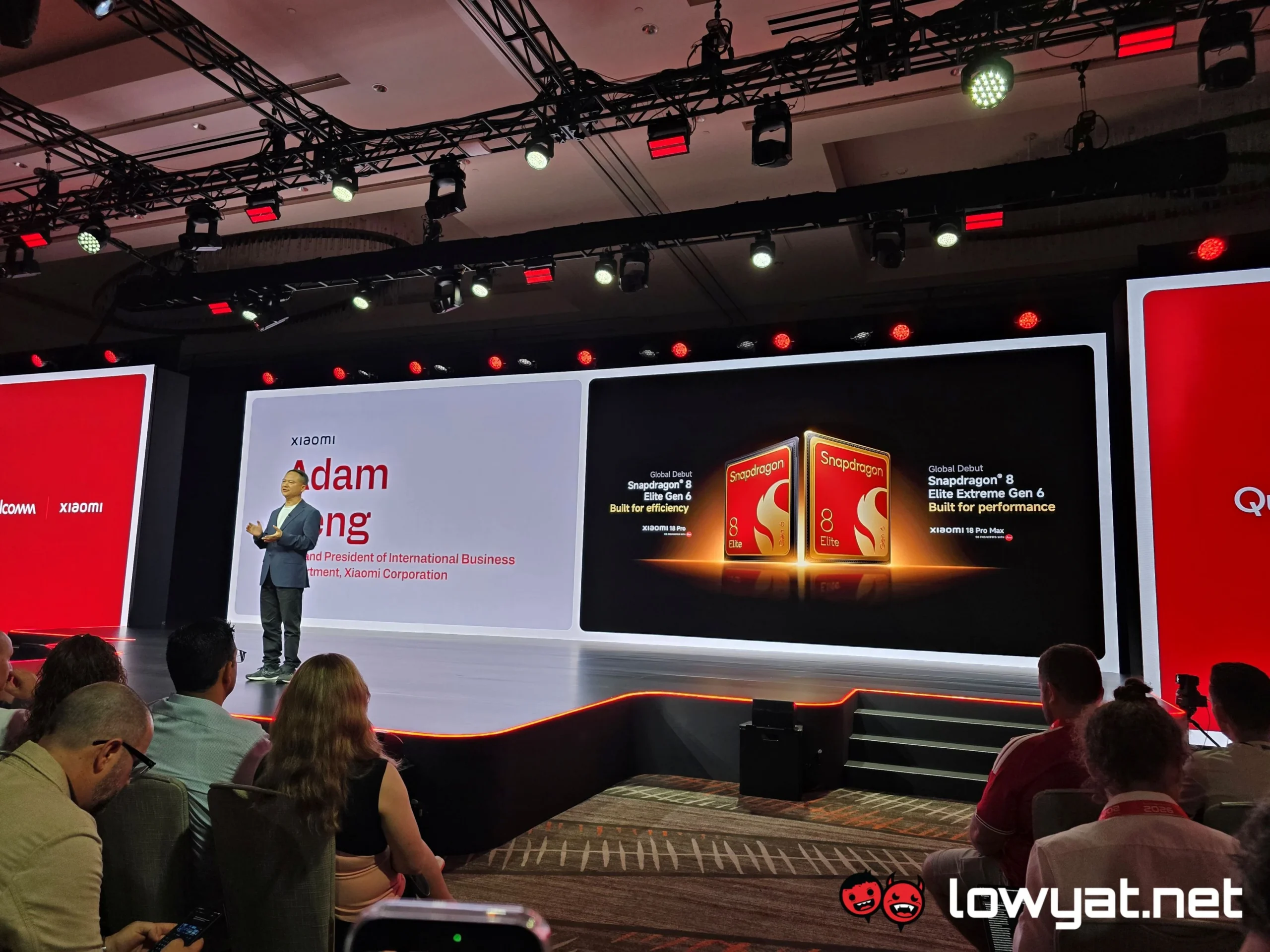
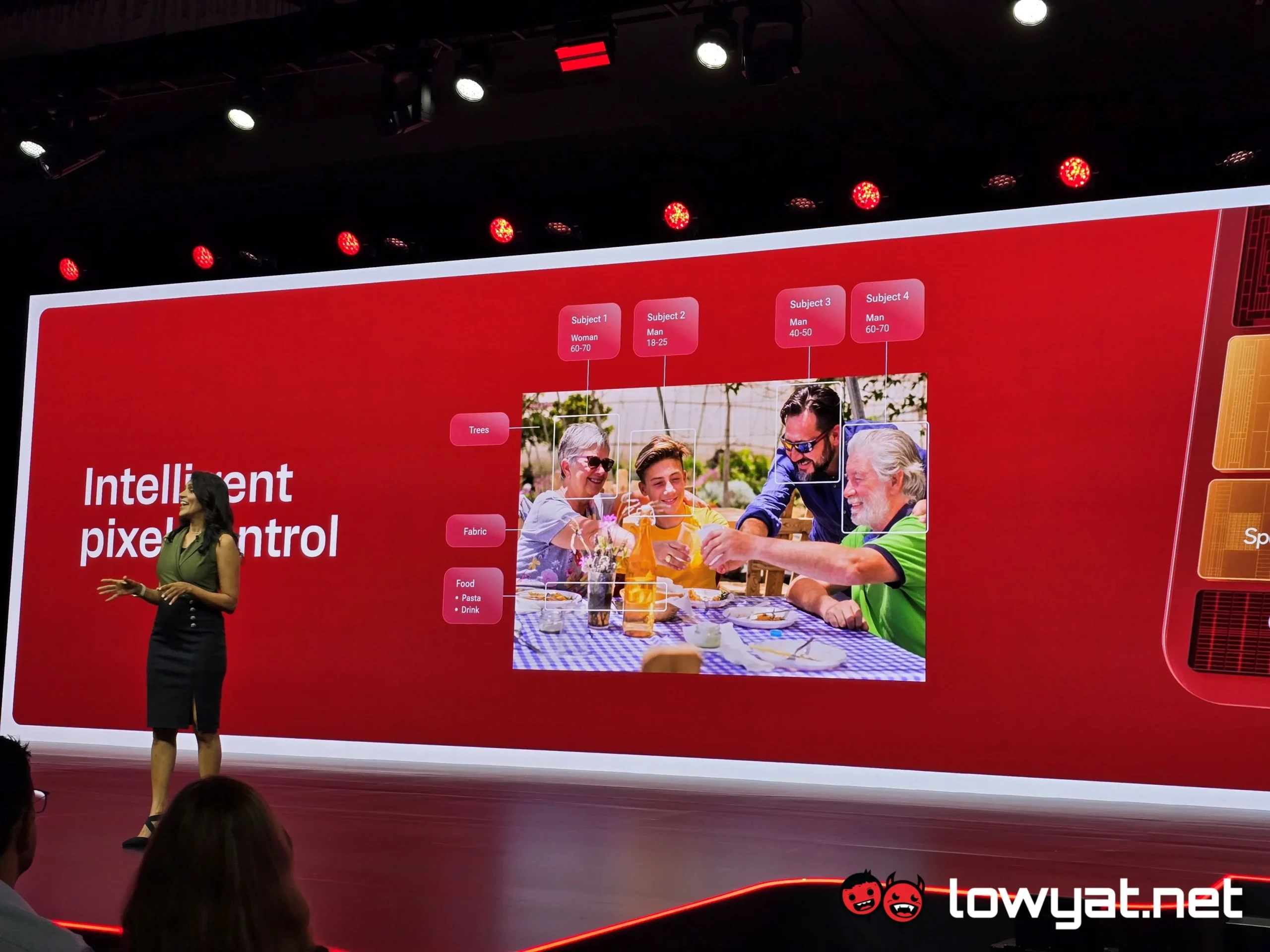
There is also the new Qualcomm Spectra Image Signal Processor (ISP) of the 8 Elite Extreme Gen 6, which the chipmaker says can push out 4x video throughput over its predecessor, with up to 8K60 videos and 4K240 Ultra HD super slow motion videos even.
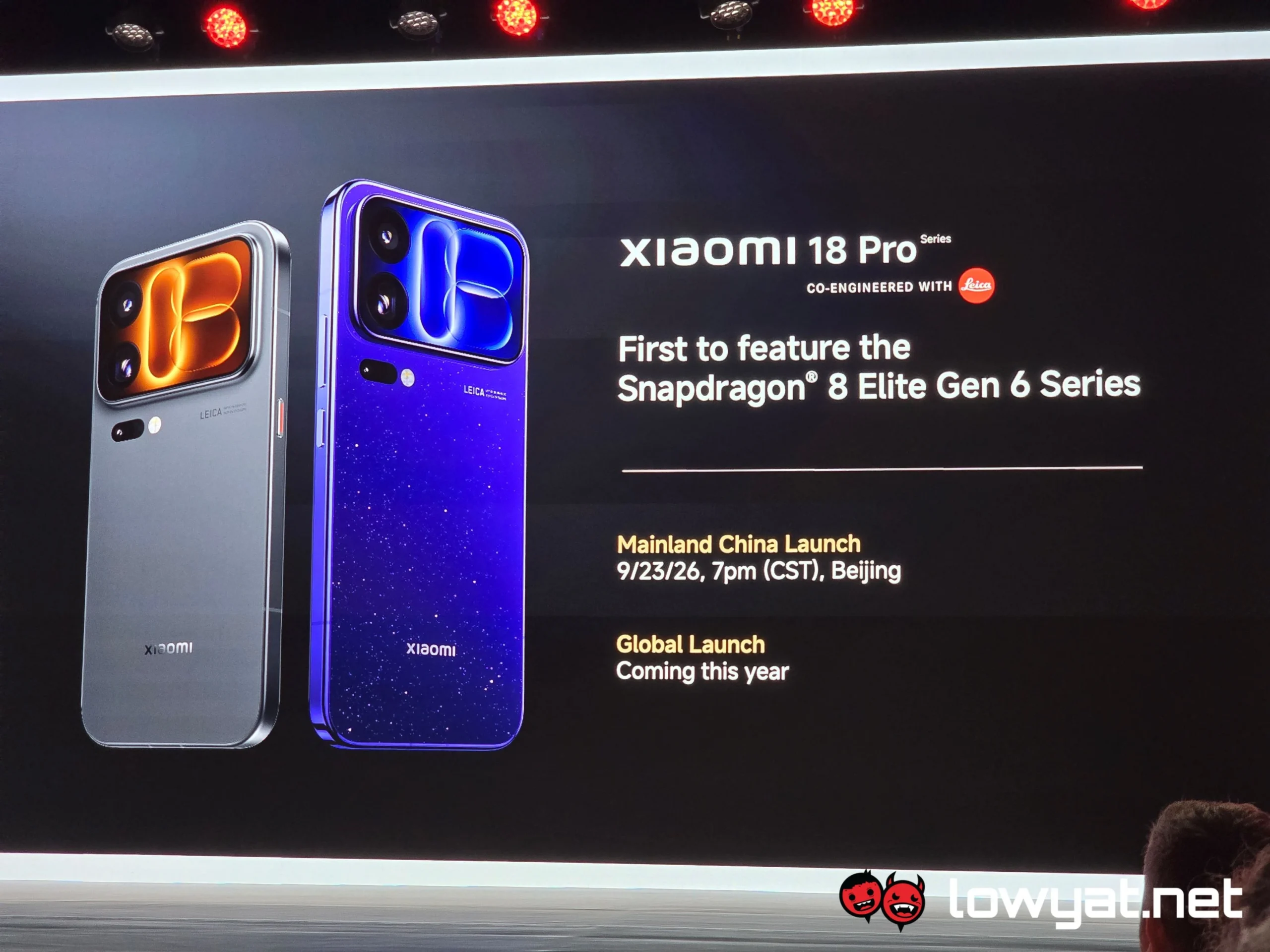
The new Qualcomm Snapdragon 8 Elite Extreme Gen 6 and Elite Gen 6 will make their debut through its mobile brand partners’ next flagships. Xiaomi will be the first brand to to launch its self-named Xiaomi 18 Pro and Pro Max smartphones powered by said processors. Specifically, the Pro will run on the non-Extreme 8 Elite Gen 6, while the Pro Max will run on the top-shelf 8 Elite Extreme.
@lowyatnet On Day One of Qualcomm’s Snapdragon Summit 2026, the brand launched the new 8 Elite Extreme, a new platform that introduces, among other things, a new Adreno Neural Fusion (ANF) engine that boosts in-game graphics with upscaling and Frame Generation. #Qualcomm #snapdragonsummit2026
