
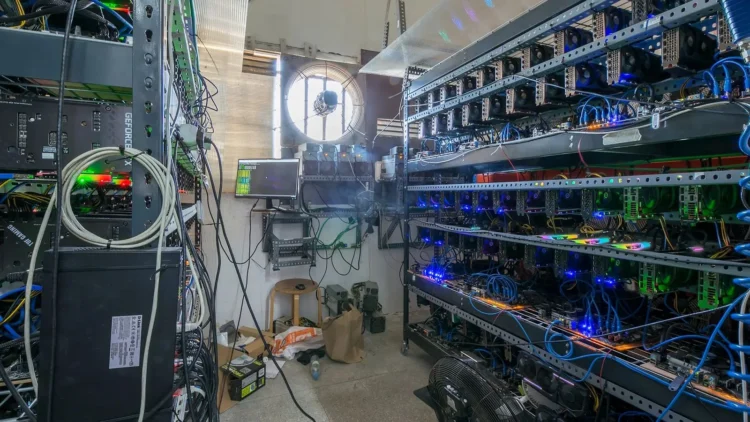
Mexican authorities recently raided a cryptomining farm operated by the drug cartels, nestled in the Puebla Sierra Norte mountain range. It’s a sign of the cartel’s diversification of income sources, which, at the same time, they use to launder their drug money and fund other illegal activities.
While not on a grand scale as some cryptomining farms – many companies have built factory-sized warehouses to house their hardware – the cryptomining farm Mexican authorities seized was still pretty sizable. According to Reuters, the building housed 300 GPUs, electricity infrastructure, and satellite equipment. The method in which the cartel was drawing power is the interesting part: they tapped into the power grid of a nearby hydroelectric dam. Secretly, of course. That high power draw and consumption, by the way, is how the Mexican authorities discovered the farm.
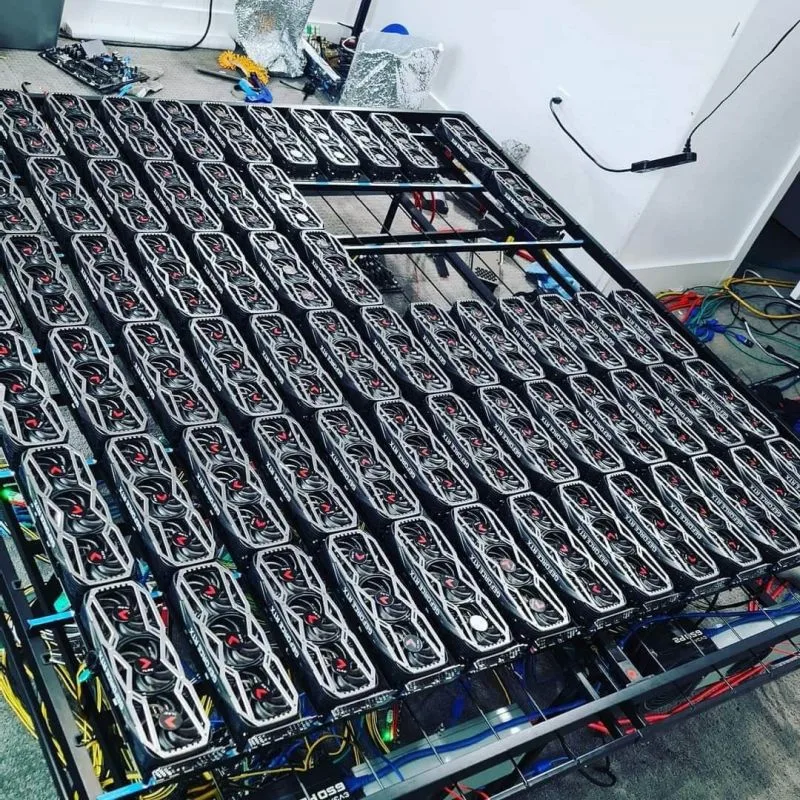
Specifically, the Mexican authorities seized 300 GPUs, 80 medium-voltage terminals, and eight satellite antennas. “Drug cartels appear to have reached a new level of sophistication,” said David Saucedo, a Mexico-based security analyst, adding that setting up such an operation would have required technical expertise and backing from a well-financed group, such as one of Mexico’s most powerful cartels.
Despite not being as rampant as it was almost a decade ago, cryptomining is clearly still a lucrative pastime, provided you have the hardware and utilities (read: electricity) for it.At the time of writing, the average value of one Bitcoin is above RM300,000, so even with the cryptocoin reaching its numerical limit of 21 million coins, having just tens or hundreds of coins is still worth a lot of money.

Of course, there are other costs to cryptomining, one of which is the large amount of electricity that these farms consume, given that they need to be running around the clock. As evidenced by the Mexican cartels’ action, this has led to cases of illegal farms that leech power from outside sources, to the point that they can cause electrical fires due to voltage irregularities.
These days, the cost of GPUs has skyrocketed because of another trend: the AI boom. Instead of mining for the volatile digital coin, datacentres and AI startups have been purchasing (specifically) NVIDIA GPUs in bulk, ranging from hyper accelerators to consumer GPUs, such as the Blackwell-based RTX 50 Series GPUs.
(Source: Reuters, Tom’s Hardware)
