
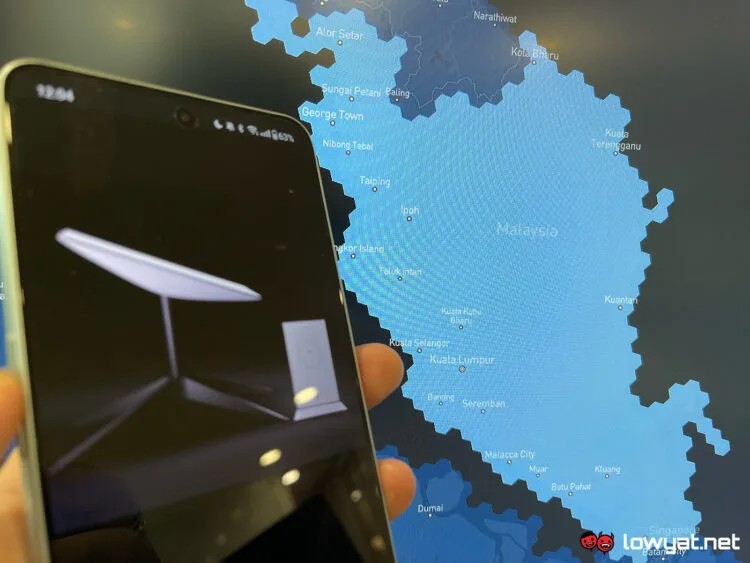
Malaysia could soon join the growing list of countries testing satellite-to-phone connectivity, with Starlink planning to conduct a trial of its Direct-to-Device (D2D, or also known as Direct-to-Cell) technology in the country. Speaking at the memorandum of understanding (MoU) exchange between the Malaysian Highway Authority (LLM) and the Malaysian Communications and Multimedia Commission (MCMC) earlier, Communications Minister Datuk Seri Fahmi Fadzil revealed that representatives from the SpaceX-owned service provider recently met with him to discuss plans for a local trial.
If successful, the technology would allow compatible mobile phones to connect directly to satellites in selected locations without relying on conventional telecommunications towers. Fahmi also described the technology as a significant step forward for connectivity, particularly in rural and sparsely populated areas.

A Potential Alternative To Building New Telco Towers
The Comms Minister says satellite-based D2D connectivity could help address coverage gaps in locations where constructing a new telecommunications tower is impractical or economically unfeasible. He noted that building a new mobile tower typically takes between 18 and 24 months. By comparison, Direct-to-Cell services could provide a faster and potentially more cost-effective way to deliver connectivity in remote areas.
Fahmi also said he has instructed the MCMC to invite local telecommunications companies to meet with Starlink and explore potential collaborations for deploying the technology. Unlike traditional mobile networks, Direct-to-Cell services do not necessarily depend on existing telecommunications infrastructure.
He added that the collaboration between the MCMC and LLM could become one of the earliest platforms supporting the rollout of the service. This could potentially enable better connectivity along highways and other underserved locations.
Malaysia Has Been Eyeing D2D For Some Time
Back in 2024, Fahmi said the government was in discussions with several foreign companies offering Direct-to-Device technology, although no formal applications had been submitted at the time. He also acknowledged that the technology was still in its early stages globally, with Malaysia’s rollout expected no earlier than 2027.
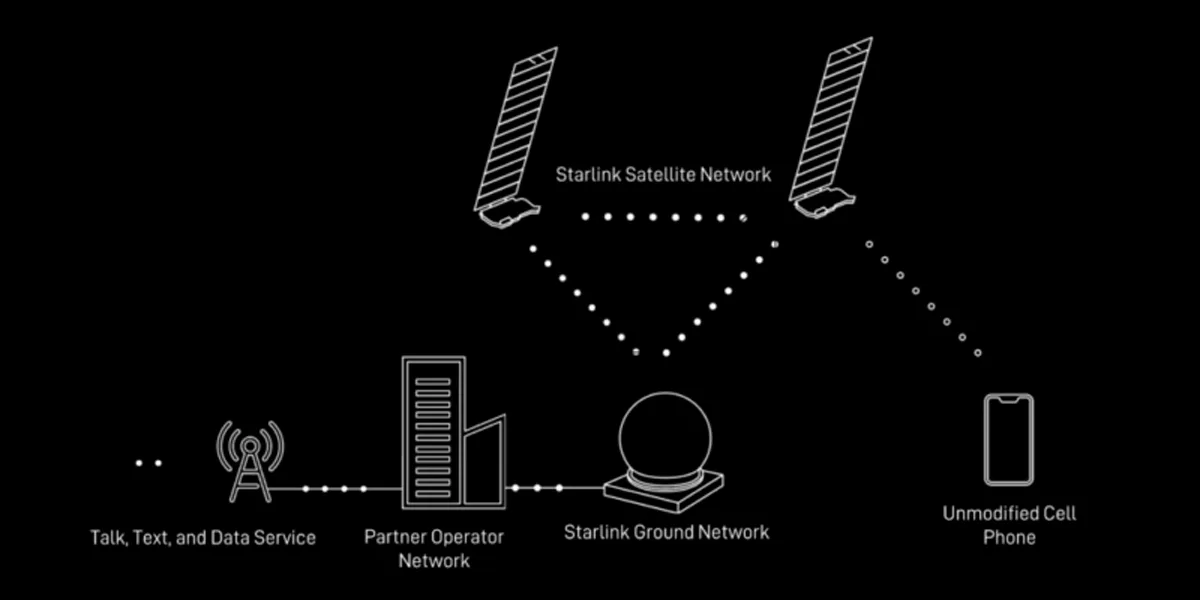
Unlike conventional Starlink broadband, which requires a dedicated satellite dish and router, Direct-to-Cell technology enables compatible LTE smartphones to communicate directly with specially equipped low-Earth orbit satellites. This extends mobile connectivity to areas beyond the reach of conventional terrestrial cellular networks.

The Philippines Already Offering A Glimpse Of What’s To Come
Starlink’s Malaysian trial would build on the company’s recent Direct-to-Cell rollout in the region. Earlier this month, the Philippines became the first Southeast Asian country to commercially launch the service through a partnership with Globe Telecom. It enables compatible smartphones to access voice, messaging and data services in areas without conventional cellular coverage, all without requiring any additional satellite hardware.
While Malaysia’s initiative is still at the trial stage, Starlink’s plans indicate that satellite-to-phone connectivity is steadily moving closer to reality. If the pilot proves successful, the government’s target of introducing the technology by 2027 could well be within reach.
(Source: The Edge Malaysia)
