
The Philippines has become the first country in Southeast Asia to commercially launch Starlink‘s Direct-to-Cell service through a mobile network operator. The rollout follows regulatory approval granted to Globe Telecom by the country’s National Telecommunications Commission (NTC), allowing the telco to offer satellite-to-mobile connectivity nationwide.
According to the telco, the service is aimed at extending mobile coverage to the estimated four per cent of Filipinos. These remain outside the reach of terrestrial mobile networks, while also serving as a backup communications option during emergencies and natural disasters.
Before its commercial launch, Globe says it deployed the technology following the magnitude 7.8 earthquake that struck parts of South Cotabato, Sultan Kudarat, and Sarangani in June. According to the company, the satellite service helped restore emergency communications for more than 150,000 affected subscribers. The NTC said its approval of the service supports the Philippine government’s efforts to improve digital inclusion and bridge connectivity gaps nationwide.

Direct-to-Cell
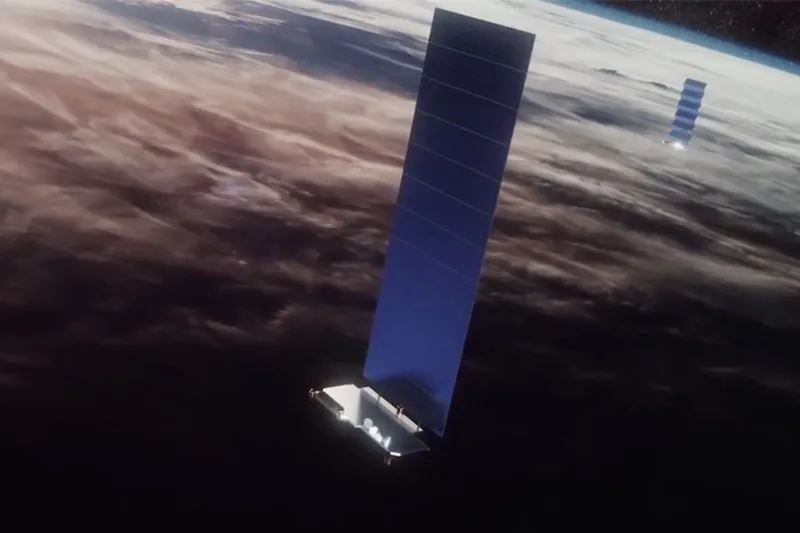
Unlike conventional mobile services, Starlink Direct-to-Cell enables compatible LTE smartphones to connect directly to Starlink’s constellation of more than 650 low-Earth orbit satellites. This applies when they are outside the coverage of Globe’s terrestrial network and have a clear view of the sky.
According to Globe, users can access SMS, messaging apps, voice and video calls through supported applications, basic navigation services, and mobile data over the satellite connection. The service operates through satellite roaming, allowing subscribers within the Philippines to connect to the Starlink network without incurring roaming charges.
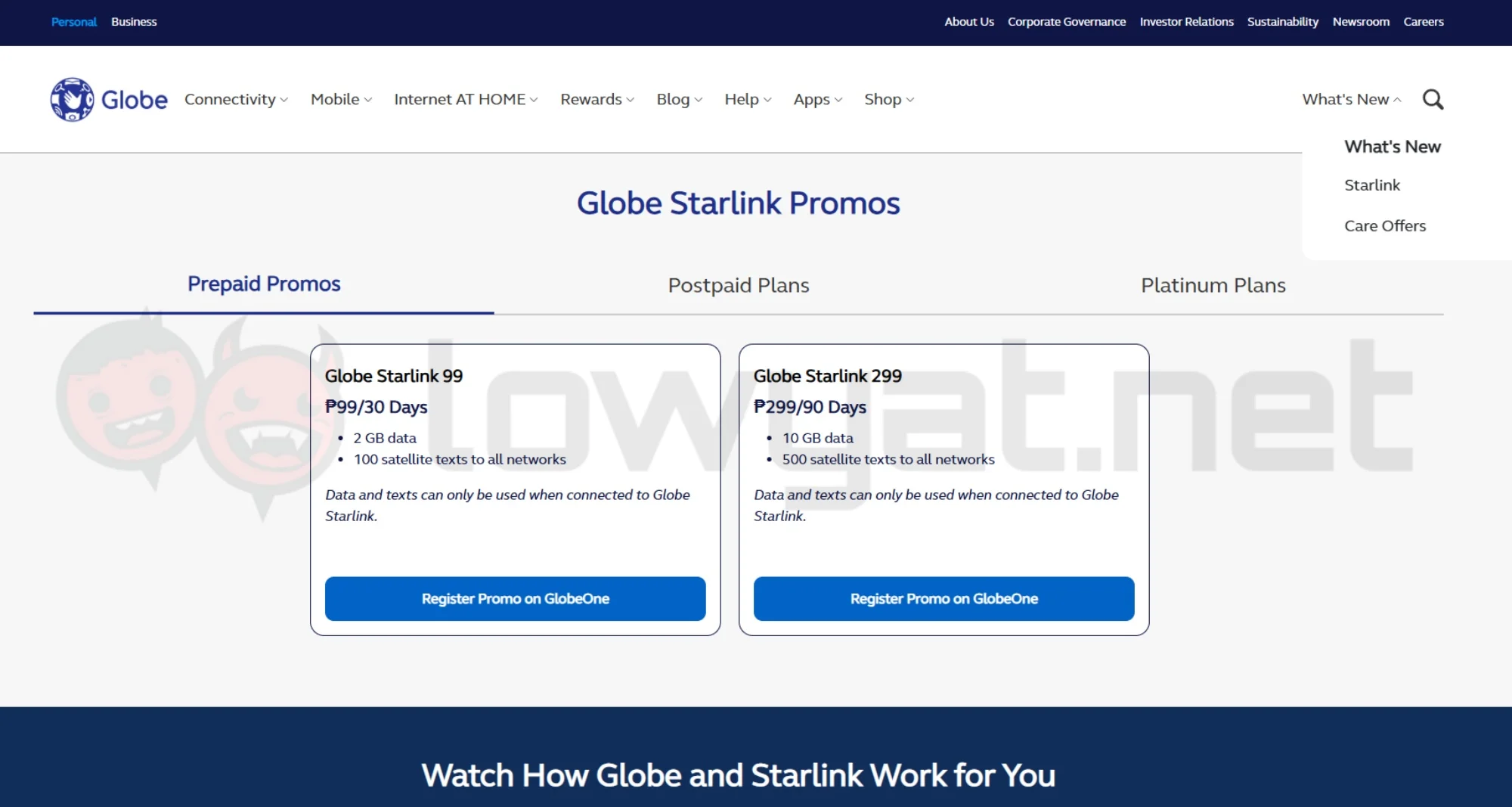
Globe Plans With Starlink Connectivity
Globe Prepaid subscribers can access the service by subscribing to a Globe Starlink add-on priced from PHP99 (~RM6.50). Meanwhile, Globe Platinum customers and Postpaid subscribers on Plan 1499 and above will receive access at no additional charge.
The telco says the service is particularly suited for remote communities where mobile towers are unavailable, as well as during disasters that disrupt conventional telecommunications infrastructure. At launch, the service is available on supported Android LTE smartphones with an active Globe SIM, while iPhone support has yet to be announced.
SpaceX Eyes Direct Consumer Mobile Services
The Philippines launch also comes as SpaceX is reportedly looking beyond partnerships with mobile operators. According to a recent Financial Times report, the company has told investors it is considering launching its own Starlink-branded mobile service for consumers in the United States, potentially putting it in direct competition with established carriers such as Verizon, AT&T, and T-Mobile.
The proposed offering is said to go beyond SpaceX’s current strategy of working with telecom partners through Direct-to-Cell agreements. The company is reportedly evaluating a retail mobile service and could even build its own terrestrial mobile network in the US, although no official launch timeline has been announced.
