
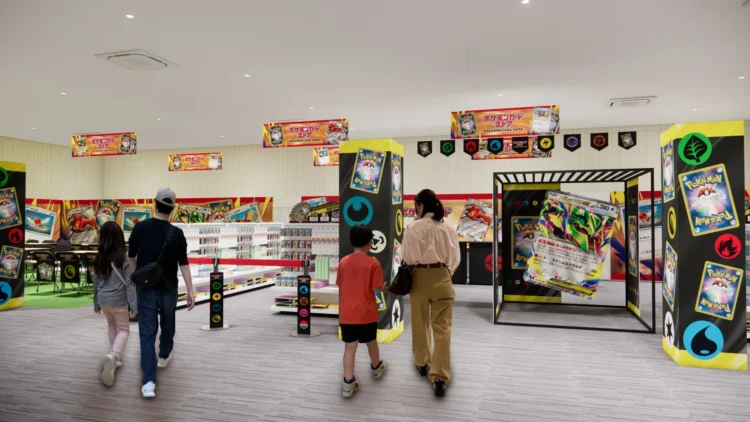
The Pokemon Company is taking another major step in its fight against trading card scalpers. As per the company’s recent announcement, select Pokemon Card Stores in Japan will soon require customers to undergo facial recognition scans before entering.
The move follows a previously introduced anti-scalping measure that requires shoppers to use Japan’s government-issued identification cards to purchase certain Pokémon Trading Card Game (TCG) products or participate in purchase lotteries. Together, the measures represent the company’s strongest attempt yet to curb repeat purchases and ensure more products reach genuine fans.
Facial Recognition To Flag Repeat Visits
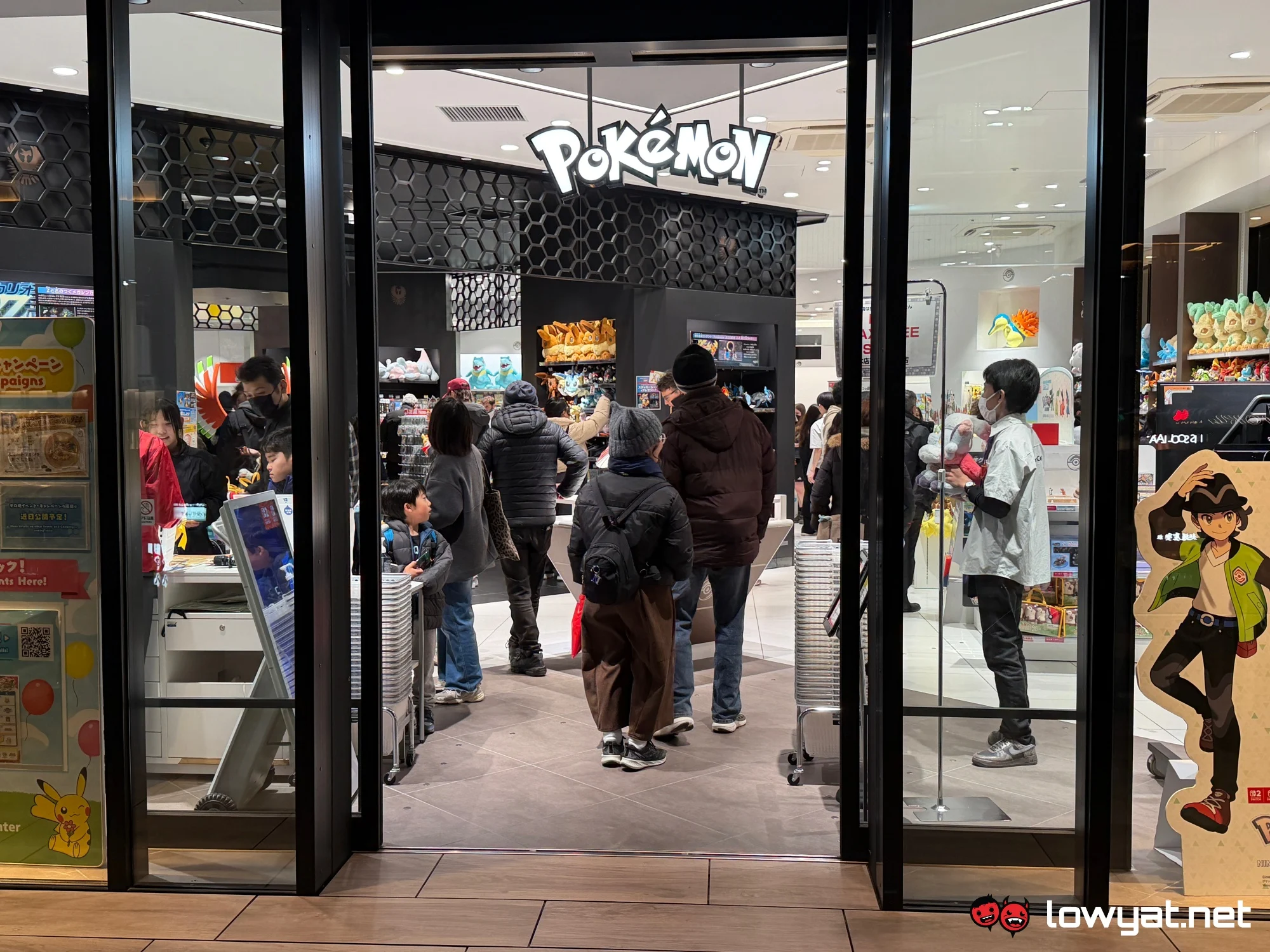
According to a notice published on the official Pokemon Card Game website, customers of elementary school age and above will have their faces scanned when entering participating card stores or when obtaining numbered queue tickets during busy periods. The company says the facial recognition system is intended to provide a safer shopping environment, prevent crime, and ensure compliance with store entry and purchase rules.
If the system detects that someone has attempted to enter the same Pokemon Card Store more than once in a single day or obtain multiple queue tickets within 24 hours, store staff may approach the customer and, if they suspect scalping activity, refuse entry. Meanwhile, children under the age of six are exempt from the facial scan requirement, but they must still be accompanied by a parent or guardian to enter the stores.
The company added that facial recognition data and visit records will only be retained for as long as necessary to fulfil its security and anti-scalping objectives before being deleted. For now, the new system appears to apply only to Japan’s dedicated card stores rather than the larger Pokemon Center retail outlets.
An Unexpected Use Of The Technology
While facial recognition is commonly associated with airport immigration, banking authentication or other high-security applications, seeing it deployed to regulate access to trading card shops is arguably one of the more unexpected uses of the technology. That said, the decision also reflects how severe the scalping problem has become. According to reports, popular Pokemon TCG releases frequently sell out within minutes in Japan, with many products immediately appearing on resale platforms at significantly inflated prices.
Initial reactions outside Japan have been mixed, largely due to privacy concerns. However, comments from Japanese fans on social media appear to be overwhelmingly supportive, with many viewing the move as a necessary deterrent against scalpers.
What Comes Next?
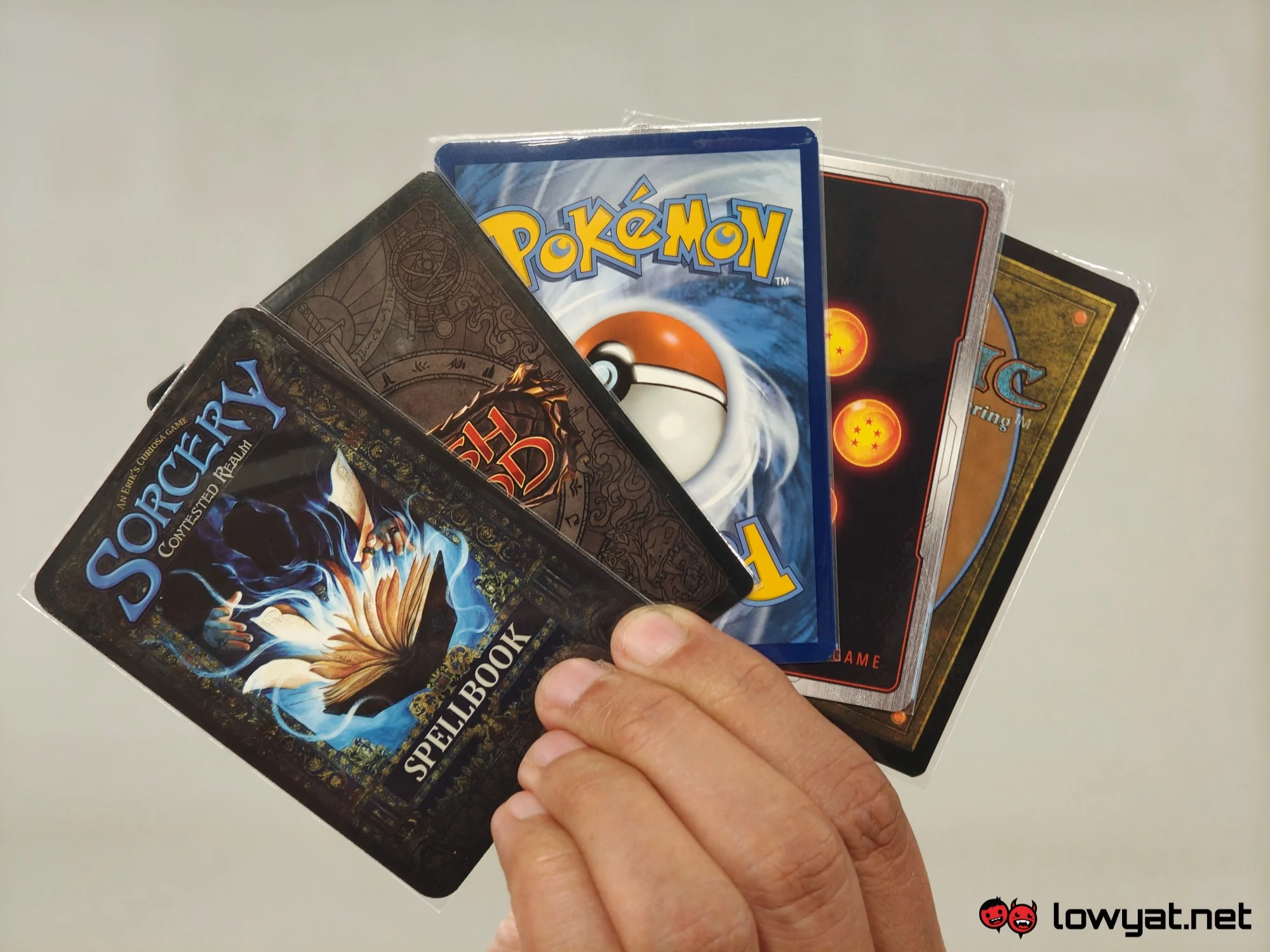
Although the facial recognition requirement currently applies only to Pokemon Card Stores in Japan, it highlights how valuable trading cards have become over the past few years. The popularity of the beloved franchise, alongside other card games and even collectibles, has transformed what was once a niche hobby into a lucrative resale market.
In fact, the trend is also being felt closer to home. As you may recall, the Royal Malaysian Customs Department (JKDM) announced last month that travellers bringing trading cards into the country may be required to declare them depending on their value and intended purpose.
Whether facial recognition-based purchase enforcement remains unique to Japan or eventually spreads to other markets remains to be seen. However, its introduction raises a question: if retailers view biometric verification as an effective way to combat scalping, could similar systems one day be applied to other highly sought-after products apart from trading cards?
