
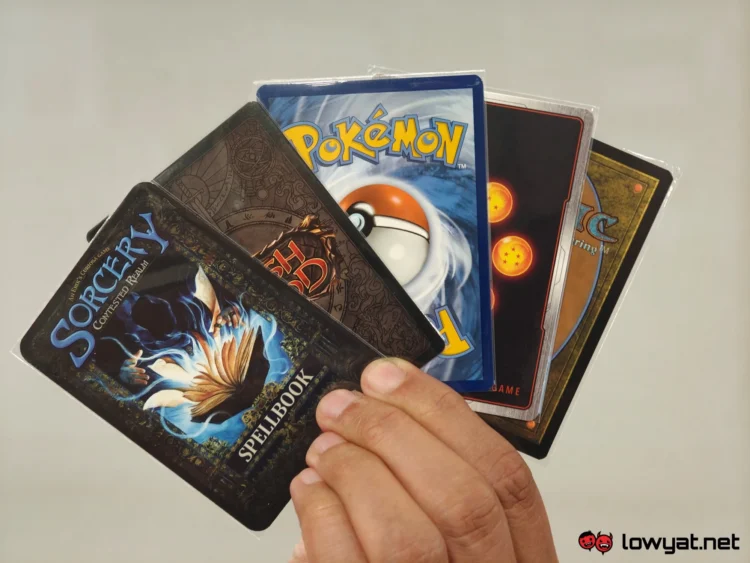
Just yesterday, the Royal Malaysian Customs Department (JKDM) issued a reminder advising travellers to declare trading cards when travelling overseas, even if they are not intended for commercial purposes. The department noted that this helps travellers avoid potential duties or taxes when re-entering the country.
The reminder raises an interesting question about why such guidance is necessary in the first place and whether it reflects the growing value being placed on trading cards today. It also highlights how a hobby once associated with childhood play has increasingly entered a more formal, high-value space.
There was a time when these cards were casually traded, tied together with rubber bands, or left stacked in drawers without much thought. Today, however, some collectors view them very differently, as assets to be flipped for profit or even long-term value. This shift raises a broader question: how did trading card games evolve to the point where they are increasingly discussed in the same breath as alternative investments like cryptocurrency rather than as a hobby?
From Playground to Portfolio
Even as far back as the 90s, people knew that pricey cards had always been part of the hobby. Oftentimes, what determines the price of these game pieces is if they are foiled or feature some other special treatment, if there is a limited number of them in circulation, or if the demand for them is simply incredibly high. The most popular example that exhibits all of the above is the 1st Edition Base Set Holo Charizard. An ungraded copy can retail for as low as US$2,000 (~RM8,286), while a gem-mint copy can sell for upwards of half a million dollars (~RM205,869).
Many people collect trading cards simply for the joy of collecting. In the case of Pokémon, some enthusiasts aim to complete entire card sets, while others focus on collecting cards featuring every Pokémon from a specific generation. One YouTuber even challenged himself to collect cards featuring all 1,025 Pokémon (as of 1 January 2025) in a single oversized binder. For these collectors, the cards themselves are the reward, representing a personal goal, a nostalgic connection to the franchise, or simply a passion for the hobby.
@brooktrafton When I found the One Ring, the first person who came to mind was @Post Malone. I have played MTG since I was a kid and obviously it would be amazing to keep this card. But for a guy like me, being able to sell it is life changing. I just really hoped it would go to someone who would appreciate it as much as I do. This is my dream come true, meeting Post Malone and him buying the One Ring card from me is literally a moment straight out of a fairytale. Post Malone @Magic: The Gathering you have changed my life. Things like this don’t happen to people like me, I guess it’s magic. I am forever grateful 🙏 ✨ #postmalone #onering #oneofone #mtg #magic #mint #psa #card #magicthegathering #lordoftherings #trading #tradingcards #theonering #sauron #collector #edition #one #gandalf #tradingcardgame
As mentioned earlier, these cards still hold value to many collectors, sentimental or otherwise. But when faced with hard times, they often don’t mind letting go of parts of, if not all of, their collection. Like many premium assets, people are willing to pay an extraordinary amount for specific cards. And to some, no price is too high.
Perhaps one of the more recognisable and one of the most expensive purchases in recent memory is the “1-of-1 One Ring” from Magic: The Gathering’s Tale of Middle-Earth set, which sold for US$2 million (~RM8.25 million). The Customer? It was none other than the famous singer and songwriter Post Malone, who turned out to be a long-time MTG fan.
Meanwhile, on the local scene, collector Damiral Imran put his Pokémon card collection up for sale for a staggering RM4,444,444. He was also willing to consider a trade involving a Mercedes-AMG GTS, although the buyer would still need to fork out an additional RM3.8 million top-up.
While it may not have been Imran’s or Malone’s intention, it is these kinds of high-profile sales and listings that have helped transform trading cards from a hobby into an investment in the eyes of many. However, transactions of this scale are relatively rare and cannot fully explain the growing perception of trading cards as assets. More importantly, headline-grabbing card sales are not a new phenomenon. So why does the hobby feel different today? To answer that, we need to look at the role the internet and social media have played in reshaping the market.
The Technology Behind the Boom
Perhaps in your daily social media scroll, you might have come across livestreams of people opening trading card packs in real time. In many cases, these streams even display the estimated value of each card as it is revealed. Occasionally, viewers also witness the streamer’s reaction when a major “hit” is pulled, sometimes meaning they have effectively recovered their purchase cost or even turned a profit on the spot.
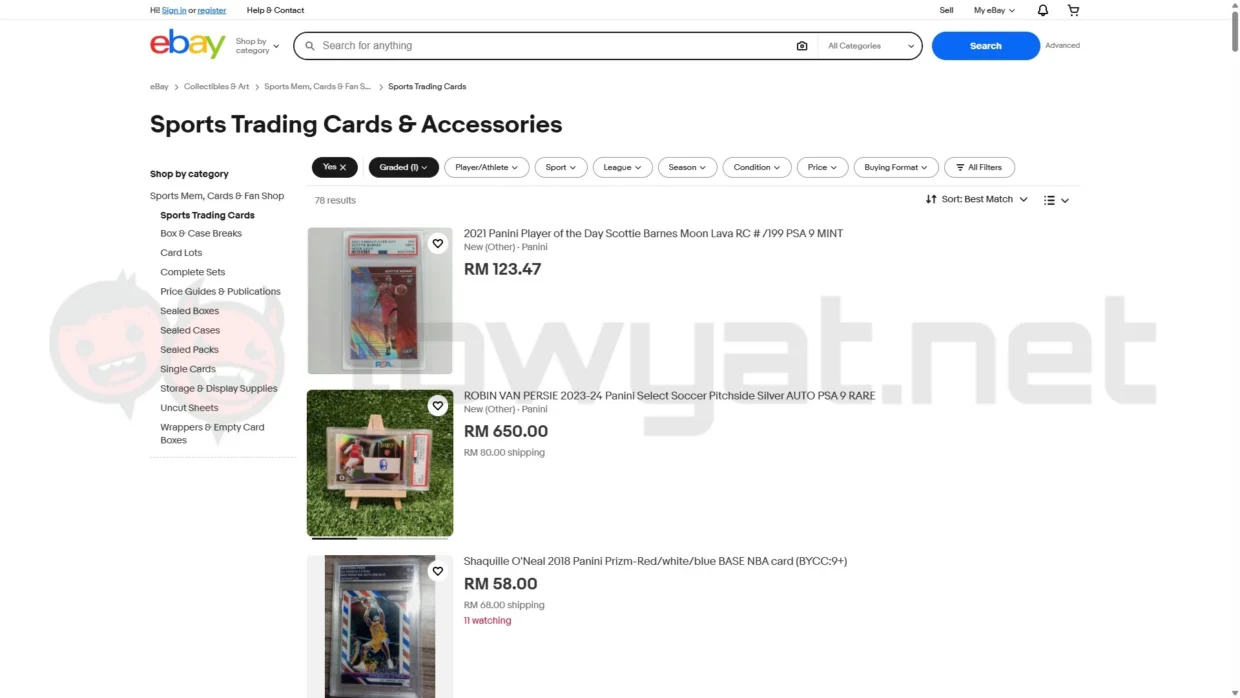
What has fundamentally changed the hobby is the emergence of multiple platforms where cards can now be bought and sold at scale. Marketplaces such as eBay and TCGplayer have made it significantly easier for collectors to liquidate their cards almost instantly, while also enabling global price discovery. At the same time, the availability of online pricing data has made it easier for buyers and sellers to make more informed decisions, reducing the guesswork that once defined the hobby.
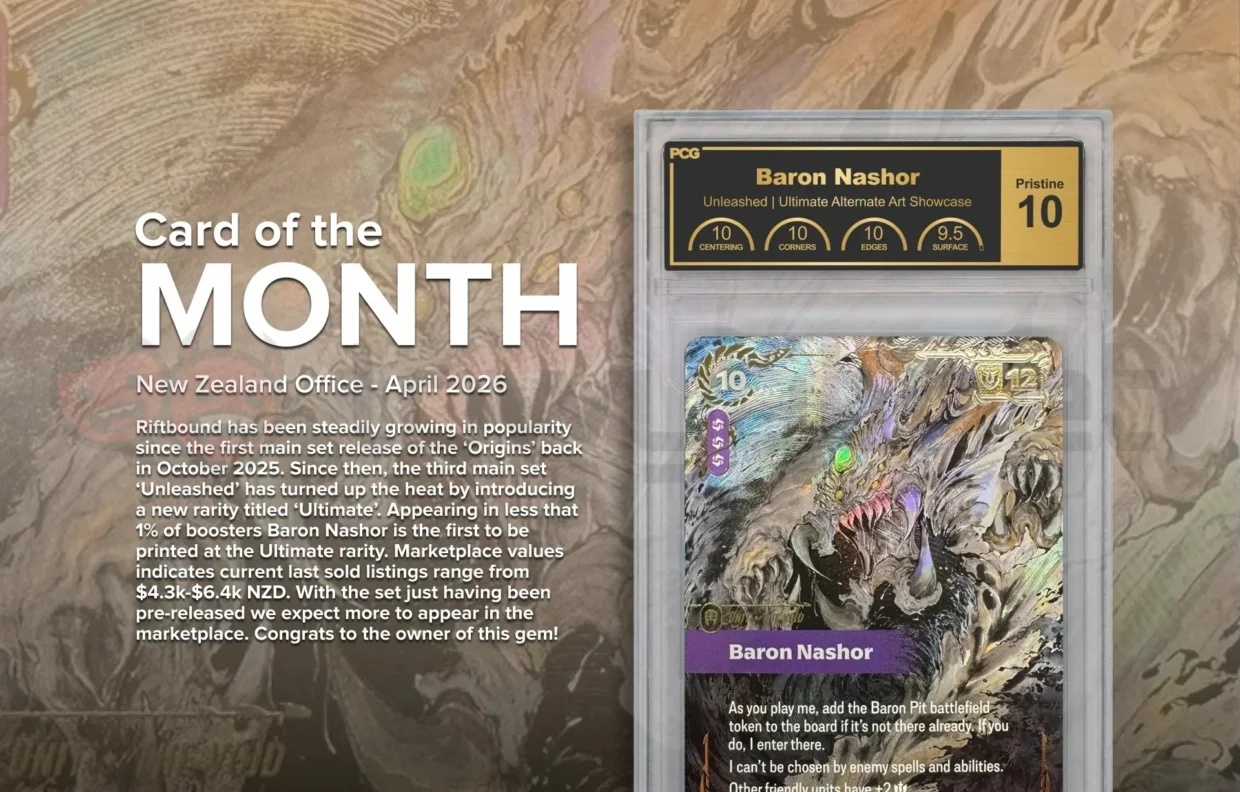
Card grading companies have also become a cornerstone of the modern trading card ecosystem. These third-party services encapsulate cards in protective cases, commonly known as slabs, while assigning them a numerical grade based on condition. In today’s market, grades such as PSA 10 or BGS 9.5 are often seen as the gold standard, with the same card potentially increasing in value from hundreds to thousands depending on its assigned grade. In this sense, grading has helped formalise collectibles into more standardised assets.
Social media has further accelerated this cycle. Platforms such as YouTube, Instagram, and TikTok have become primary entry points for newcomers, particularly through pack opening videos and livestream content. These videos often include real-time overlays showing estimated card values, alongside comparisons between raw and graded prices. This form of content has arguably played a key role in reframing trading cards from a game with a collectible aspect into assets with perceived investment potential. However, the same visibility has also attracted opportunistic behaviour, with some participants attempting to capitalise on hype cycles and short-term demand spikes.
Bad Actors

Perhaps alongside livestreams of people opening trading card packs, viewers may also come across footage of retail shelves being cleared out during major Pokémon product releases. This behaviour is commonly referred to within the hobby as “scalping”.
Scalping generally refers to the practice of buying high-demand products at retail price in bulk, with the intention of reselling them at a higher price once supply runs low. In the trading card scene, this is most visible during new set launches, where products often sell out quickly and reappear in the secondary market at significant markups, leaving casual collectors and players with limited access.
While often criticised within the community, scalping has become a recurring feature of modern trading card releases. Videos and discussions on platforms such as YouTube frequently highlight how quickly stock disappears during major drops, reinforcing the perception that scarcity and competition are now central parts of the hobby.
I made this simple visual guide to help folks identify counterfeit cards.
byu/loglow_ inmagicTCG
Counterfeits and scams are another persistent issue in the trading card market, especially as prices for certain cards continue to climb. Fake cards, resealed packs, and misrepresented listings can occasionally surface on secondary marketplaces, particularly in peer-to-peer transactions where verification is limited. While grading and reputable platforms have helped reduce some of this risk, collectors are still advised to be cautious, especially when dealing with high-value purchases outside established stores or certified listings.
On the gaming side, there is also the issue of unsportsmanlike behaviour within competitive play. Some players can become overly reactive when matches do not go their way, leading to frustration, hostility, or generally poor conduct during games. While this does not represent the broader community, such behaviour can affect the experience for newer or more casual players and, in some cases, discourages participation altogether.
With all that said, it’s no wonder why the Customs Department of Malaysia, as well as other countries, are so wary of the hobby. By hyping up the price of cards to an excessive amount, many now see this as an investment first and game pieces second. And if they do view them as game pieces first, they are often associated with unsavoury groups of people that ruin the hobby. This has certainly harmed players looking to travel overseas to compete in tournaments, let alone join conventions and other social spaces. As a result, the hobby has unfortunately become too valuable for its own good, with negative connotations to boot.
That said, these issues, while real, do not define the hobby as a whole. The trading card scene continues to grow and evolve, supported by a large base of collectors, players, and enthusiasts who engage with it in good faith.
A Unique Point In Time
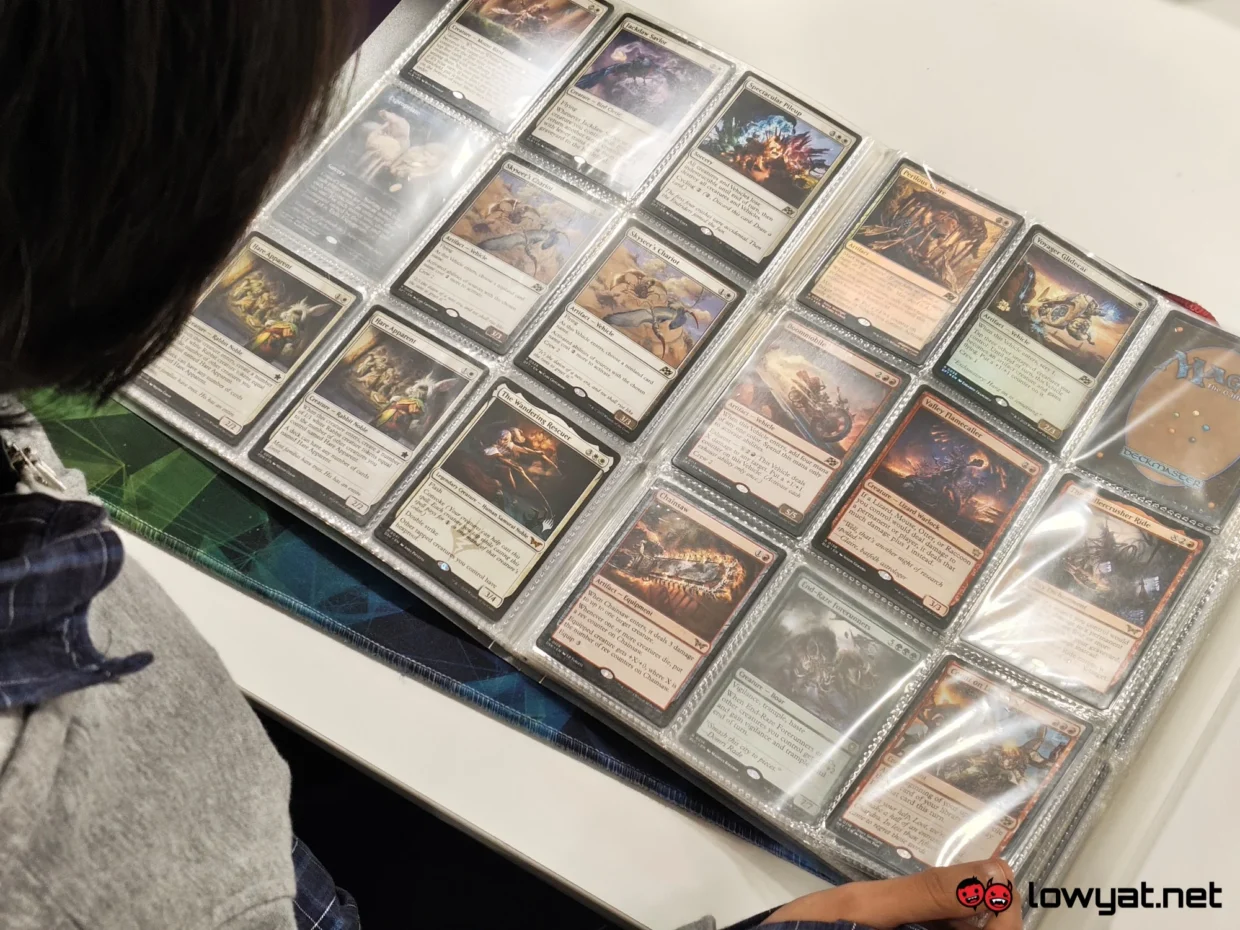
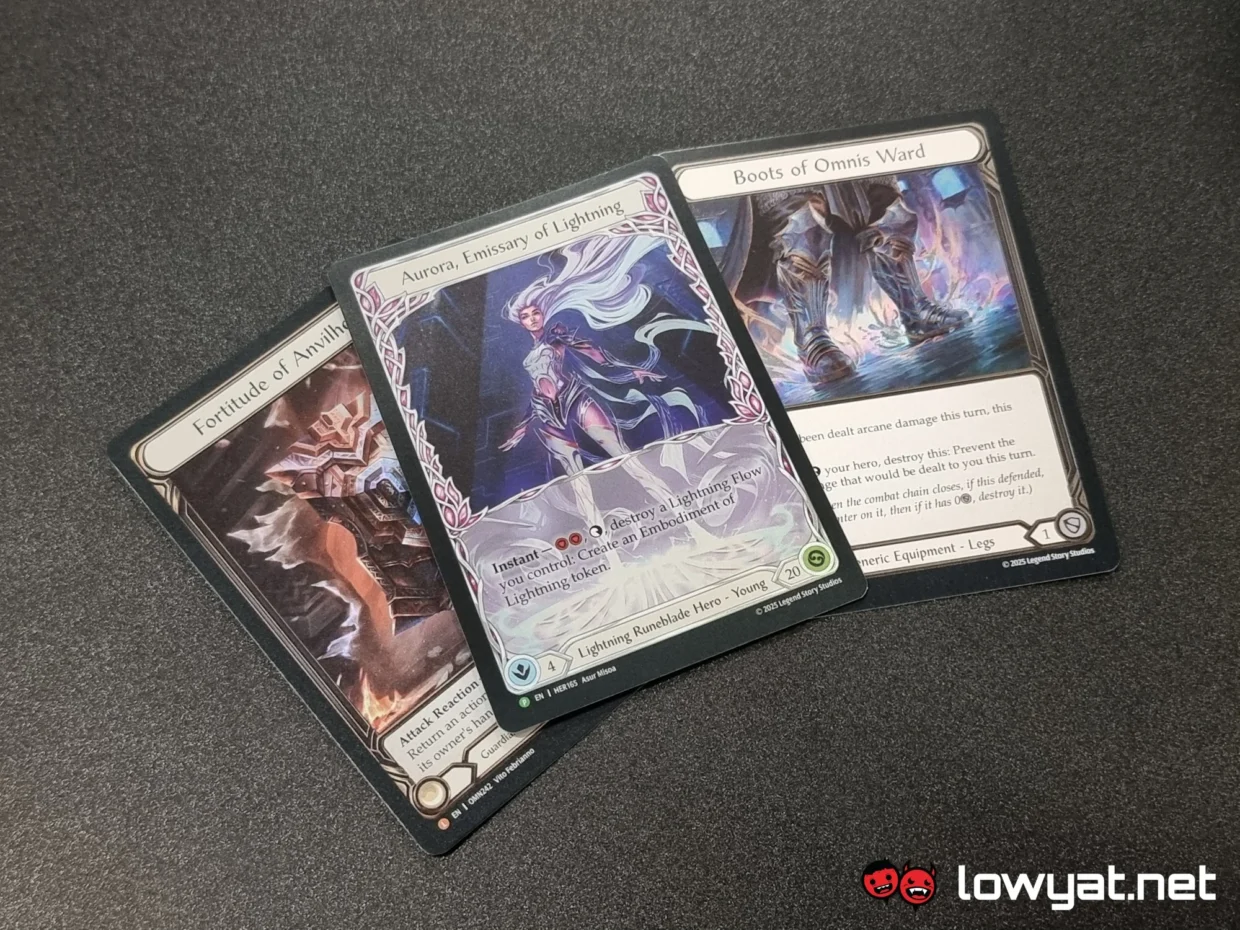
When you look past the negativity, we are actually experiencing a unique point in time for the hobby. For years, if not decades, the trading card scene was largely dominated by Pokemon, Magic: The Gathering, and Yu-Gi-Oh. But in recent years, several other TCGs have cropped up, locally and overseas. Games such as Flesh and Blood, Sorcery, and Riftbound, to name a few, are slowly stealing away the player base from the established titles while also being a starting point for many budding hobbyists.
Malaysians who are not part of the trading card hobby might be surprised by how large the local scene has become. Earlier in the year, Riot Games’ trading card game Riftbound, set in the League of Legends universe, launched in Southeast Asia, including Malaysia. While its player base is still relatively small compared to more established trading card games, early indicators suggest that it is gradually gaining traction, based on activity on its official Malaysian Facebook page.
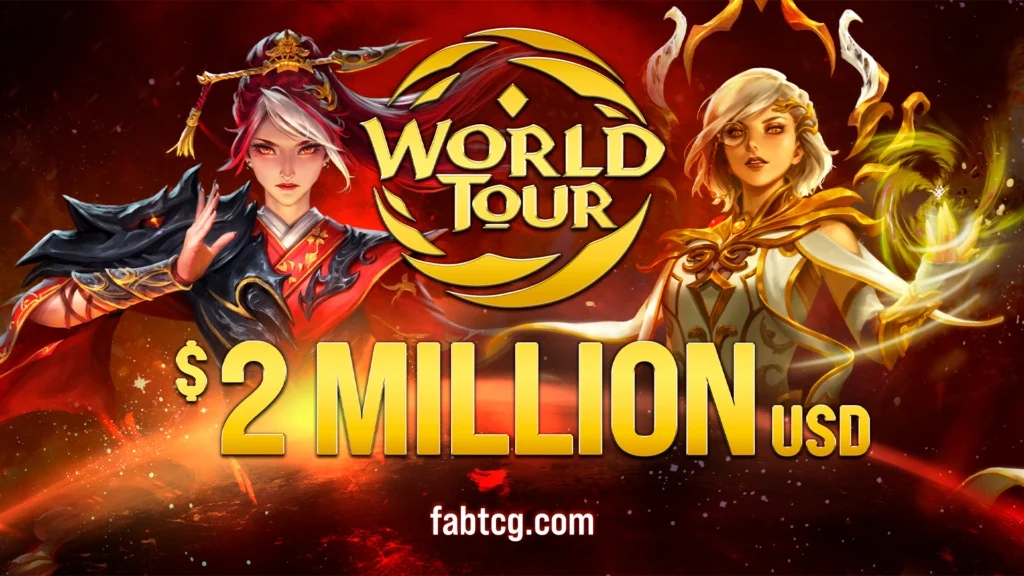
Beyond flipping cards on the secondary market, there is also another avenue where trading cards intersect with money: competitive play. In recent years, organised tournaments with cash prizes have become increasingly prominent in the trading card game scene.
Flesh and Blood, a trading card game developed in New Zealand, for example, has publicly stated that it offers up to US$2 million in total prize support annually across various international events. At the recently concluded United States National Championship, the champion took home US$10,000 (approximately RM41,430), along with a trophy and an exclusive promotional card reserved for top finishers.
If you’re curious about the local scene, the game has a Malaysian national tournament coming up later in July. While the local champion won’t take home the same sum as the US victor, US$2,400 (~RM9,943) is nothing to scoff at.
Is The Hobby Still Worth It?
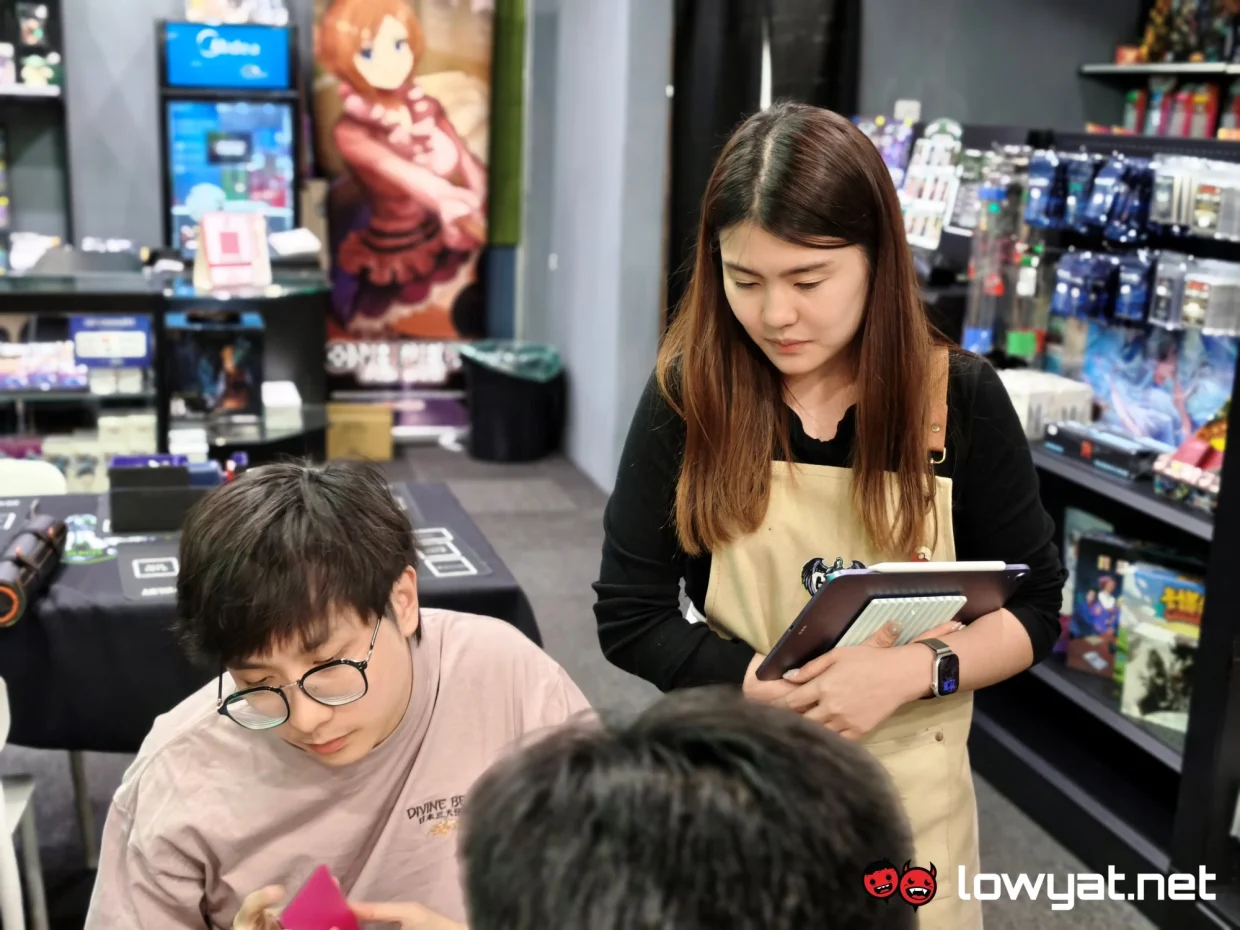
While not everyone will walk away with an extraordinary sum of money, there are still many reasons why people remain in the hobby. One of the most significant, beyond the financial aspect, is the sense of community and the friendships formed through collecting and playing trading card games.
Ultimately, trading cards still offer value, just not always in the way the market headlines suggest. For anyone looking to enter the hobby, it is better to approach it as a pastime rather than an investment. Doing so helps manage expectations, reduces disappointment with every pack, and allows the experience to be enjoyed for what it truly is.
