
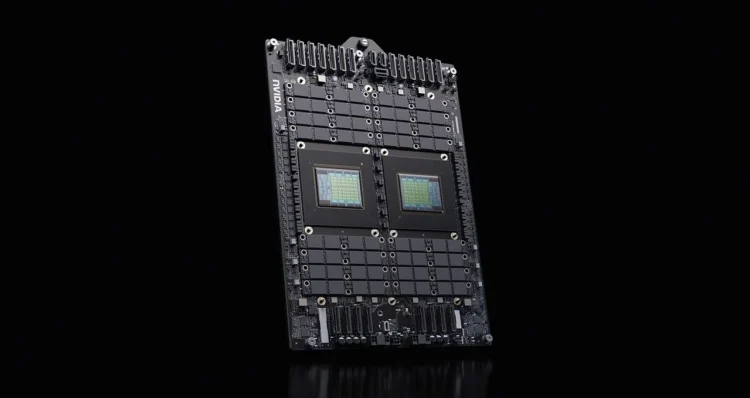
NVIDIA announced that it will be making full use of its Vera CPU to speed up the design and testing of its own next generation CPUs, GPUs, and AI systems. To do this, it is teaming up with industry companies Cadence and Synopsys.
For context, the art of processor development relies rather heavily on tasks that include logic simulation, formal verification, regression testing, as well as digital implementation. These processes, as you can imagine, require equally powerful hardware to run them, which is where Vera comes into play.
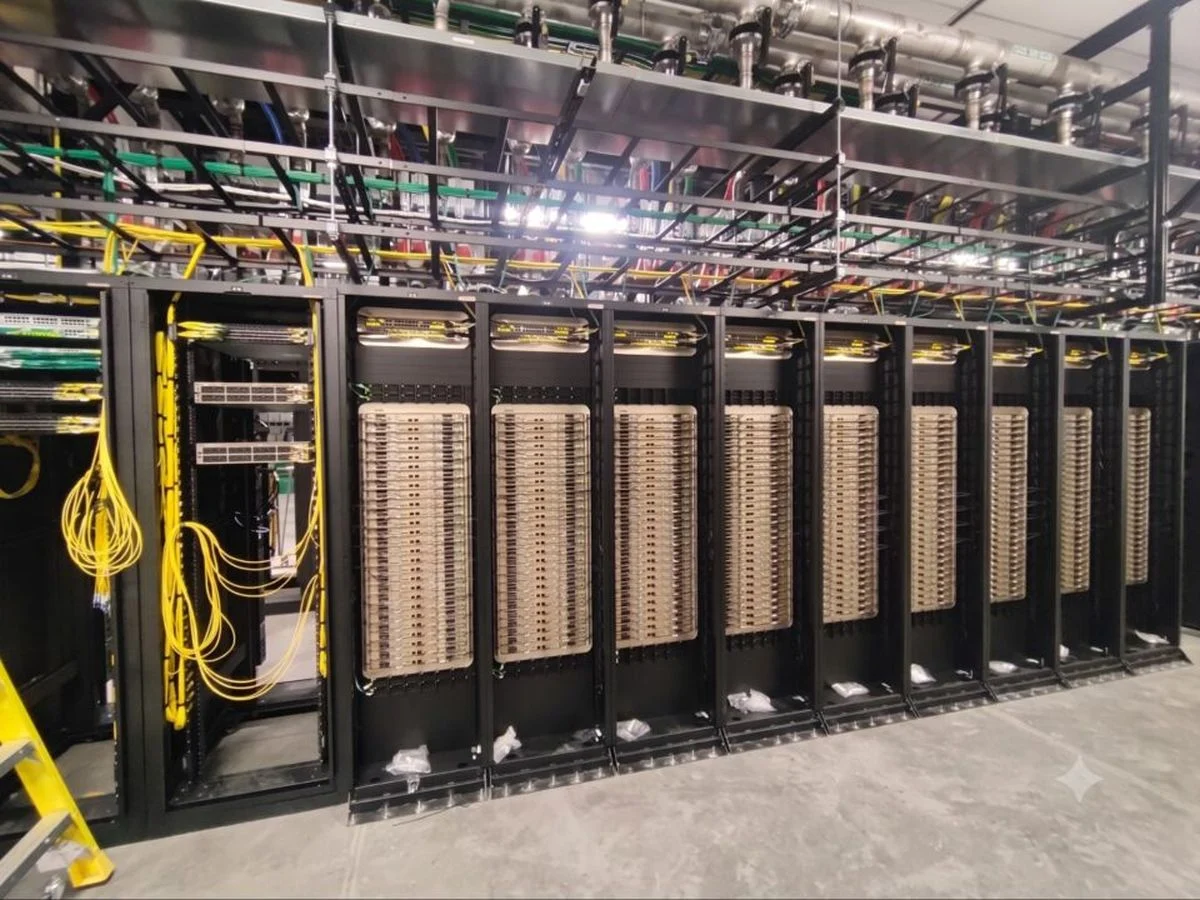
“NVIDIA is deploying Vera throughout the EDA workflows used to create future NVIDIA processors. Vera combines 88 custom NVIDIA Olympus CPU cores with a high-efficiency LPDDR5X memory subsystem and 2nd generation NVIDIA Scalable Coherent Fabric designed to deliver strong per-core performance, high memory bandwidth and consistent low latency for demanding engineering applications. These capabilities are particularly important for workloads that mix latency-sensitive jobs with large-scale regression testing across compute farms. Faster execution can shorten individual verification runs, while greater throughput enables engineers to evaluate more design alternatives and complete more validation within the same development window.”
NVIDIA’s collaboration with Cadence and Synopsys is because the latter two have the technologies necessary to optimise critical electronic design automation, otherwise known as EDA, for the GPU brand’s Vera CPU.
NVIDIA first announced Vera via its new Vera Rubin platform, which it claims to be the “next frontier” of Agentic AI. Specifically, the new platform houses the Vera CPU, Rubin GPU, an NVLink 6 Switch, a ConnectX-9 SuperNIC, a BlueField-4 DPU, and NVIDIA Spectrum-6 Ethernet switch, as well as the newly integrated Groq 3 LPU.
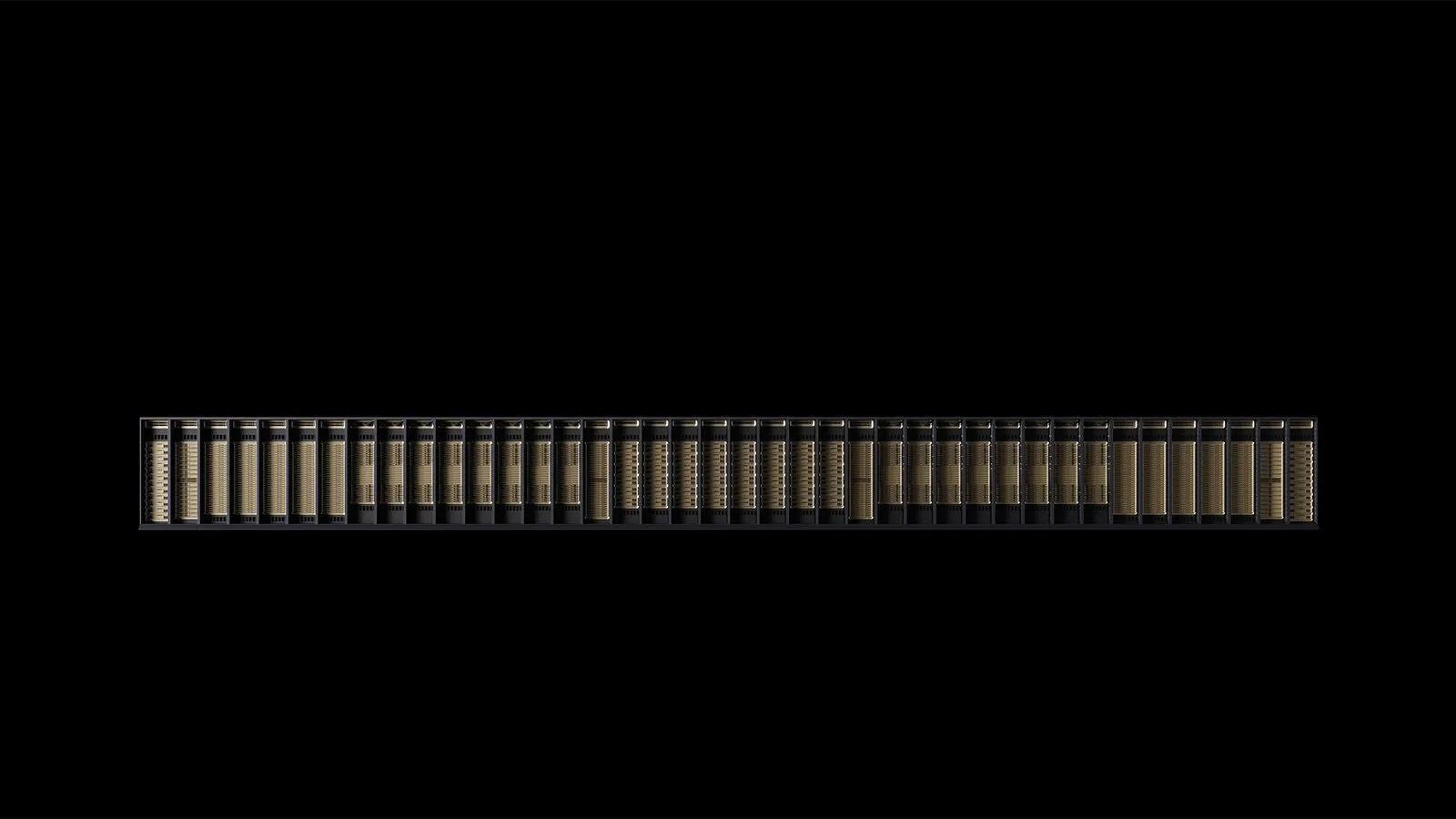
Breaking it down even further, each rack houses 72 Rubin GPUs, 36 Vera CPUs, all connected by NVLink 6, plus ConnectX-9 SuperNICs and BlueField-4 DPUs, as mentioned. There is also a dedicated Vera CPU Rack, housing 256 units of the processor, and liquid-cooled with a MGX infrastructure.
(Source: NVIDIA)
