
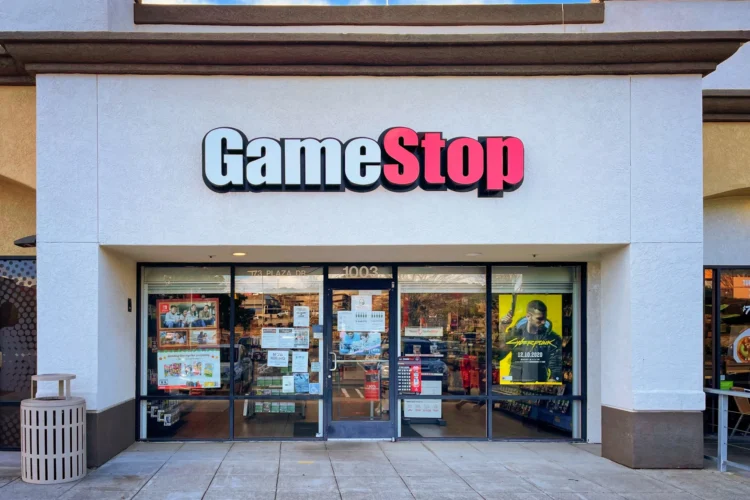
PlayStation started the month by declaring that physical videogames are dead, at least for its consoles starting 2028. You’d think that, of all the companies that should be worried, it would be GameStop which, famously or infamously depending on perspective, has been known for second-hand games sales. But the company’s CEO Ryan Cohen has recently said that the death of physical games actually makes no real difference to the company.
Bloomberg cites Cohen as saying that “it doesn’t matter at all … it is totally, totally irrelevant”. This is despite the company’s software business – physical and digital – making up 18% of its revenue in the most recent quarter. But more recently, GameStop has pivoted its focus towards collectibles instead, such as trading cards. The report notes that this now accounts for 41% of the business. This was the trajectory that motivated the attempt to acquire eBay, the latter of which has formally rejected the offer.
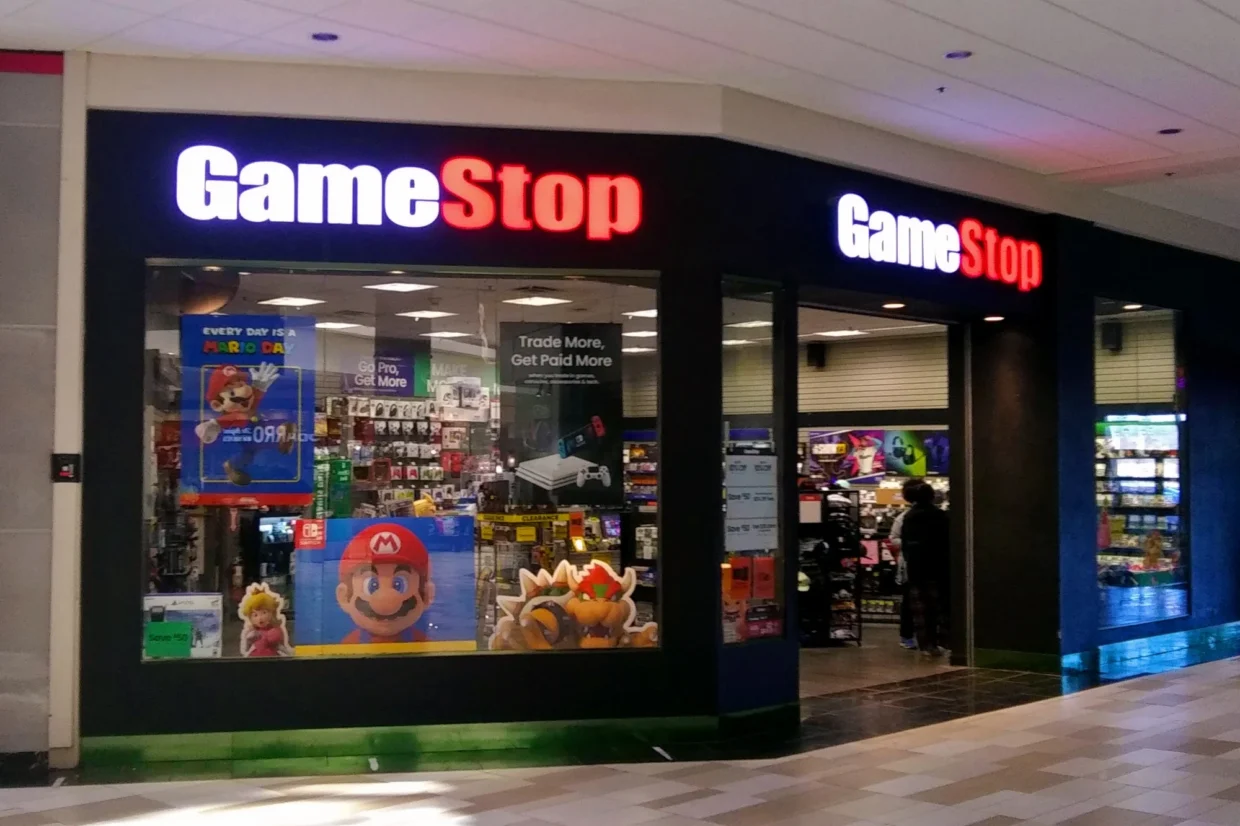
As an aside, from the report, it’s clear that Cohen has not given up on the idea. He insisted that a combined GameStop and eBay could potentially be a “US$1 trillion (~RM4.1 trillion) business”. Initial reports of the potential acquisition indicated that Cohen would also entertain the possibility of a hostile takeover, making the offer directly to eBay’s shareholders. Those reports also indicated that GameStop had already been “quietly building a stake” in shares.
It is also worth reiterating the absurdity of the idea. After all, eBay is, in terms of market cap anyway, four times the size of GameStop. But the insistence in heading down this path may lend credence to the company CEO saying physical games don’t matter. With that in mind, at some point down the line the “game” in the company name would stop meaning videogames and more physical types of games like trading cards or even tabletop games.
(Source: Bloomberg)
