
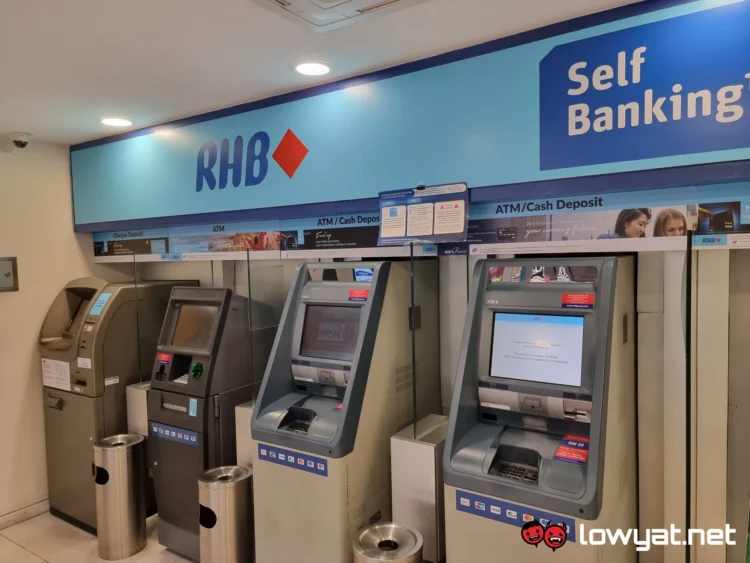
RHB Bank has announced that it has integrated with Payments Network Malaysia Sdn Bhd (PayNet) to expand its cross-border payment ecosystem. The integration means RHB merchants can now accept QR payments from more bank apps and e-wallets in the region. Or more specifically, the ones from participating apps from China, Singapore, Indonesia, Cambodia, Thailand and South Korea. This allows merchants to serve more international visitors while they retain the use of payment methods that they are already familiar with.
For the average user, the bank also says that its customers can already make QR payments in Singapore, Indonesia, Cambodia and Thailand using the RHB Mobile Banking app. This mirrors the Southeast Asian countries as the list above, leaving China and South Korea as the exceptions.

Nurjesmi Mohd Nashir, RHB’s Managing Director of Group Wholesale Banking, said “as Malaysia welcomes more regional and international visitors, it is increasingly important for our merchants to offer payment experiences that are familiar, convenient and secure. Through our collaboration with PayNet, RHB merchants can now accept QR payments from participating overseas banking applications and e-wallets, making it easier to serve overseas customers using payment methods they already know and trust. At the same time, our customers continue to enjoy seamless cross-border QR payments across participating regional markets”.
Similarly, Azrul Fakhzan B. Mainor, Chief Commercial Officer of PayNet, said “expanding cross-border QR acceptance is a collaborative effort across the payments ecosystem and PayNet is pleased to work with RHB to help merchants better serve international visitors through familiar payment methods. As Visit Malaysia 2026 continues to drive tourism and cross-border spending, initiatives like this strengthen regional payment connectivity while creating greater opportunities for local businesses”.
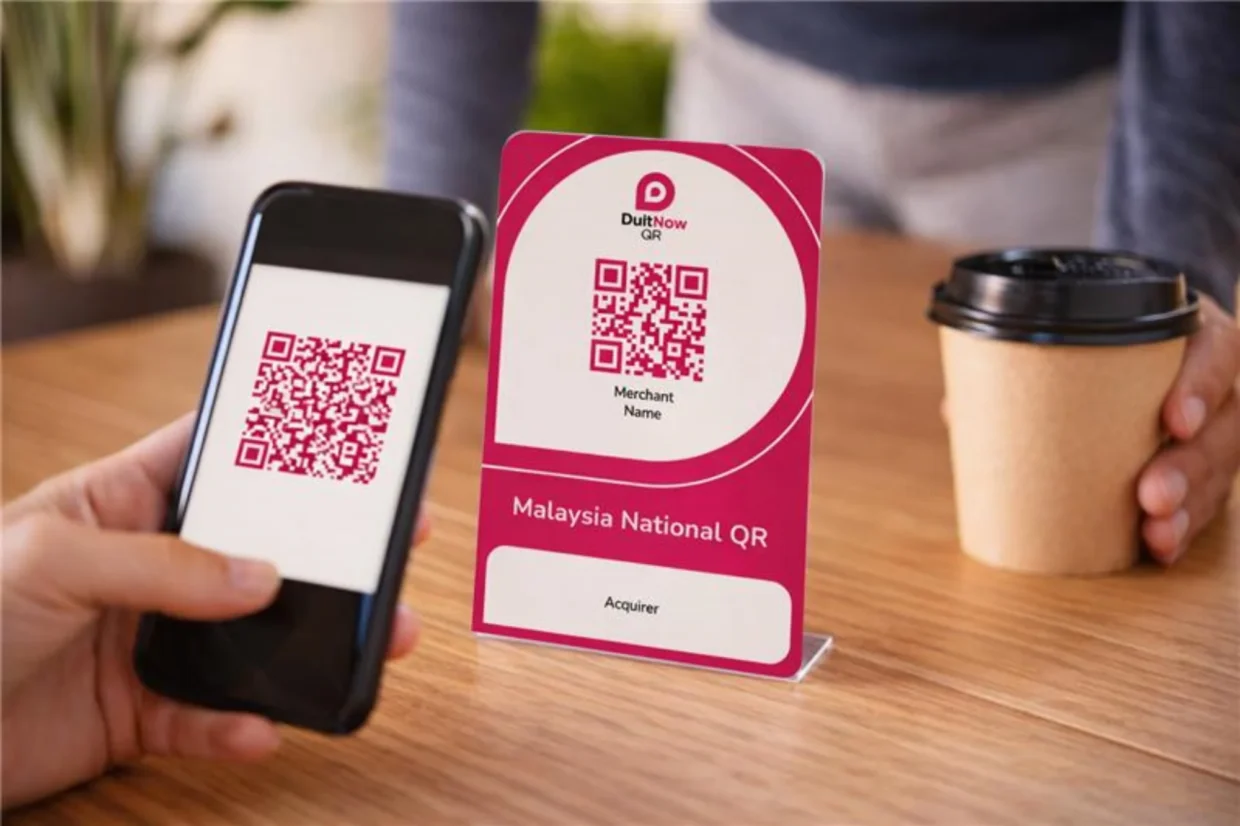
Incidentally, Bank Negara Malaysia recently announced that proprietary QR payment networks will be phased out over the next two years. Instead, merchants will have to make use of the Real-time Retail Payments Platform (RPP) operated by PayNet.
