

The Ministry of Investment, Trade and Industry (MITI) has reaffirmed that it has no plans to reverse the recently introduced regulations governing the import of completely built-up (CBU) electric vehicles (EVs), despite concerns that the new requirements could limit access to more affordable EVs. In a written reply published on Parliament’s website, MITI said the policy is aligned with the objectives of the National Automotive Policy (NAP), which seeks to balance the availability of EV models with the long-term development of a competitive and sustainable local automotive industry.
The ministry was responding to a question from Pang Hok Liong (PH-Labis), who asked whether the government would reconsider the new policy, arguing that it contradicts Malaysia’s efforts to accelerate EV adoption and could make affordable EVs priced below RM100,000 or RM150,000 less accessible to consumers. It maintained that the government is taking a balanced approach between protecting consumers’ interests and supporting domestic industry.

MITI also stressed that the government has not slowed its push for EV adoption. The ministry pointed out that fully imported EVs are not the only route to affordable electric mobility, highlighting the continued tax incentives for locally assembled EVs.
Specifically, MITI noted that completely knocked-down (CKD) EVs will continue to enjoy a 100% exemption on import duty, excise duty and sales tax until 31 December 2027. According to the ministry, this allows manufacturers to price locally assembled EVs more competitively while encouraging technology transfer, local assembly and the growth of domestic suppliers.

The latest remarks follow the introduction of new regulations that came into effect on 1 July 2026, which tightened the requirements for importing CBU EVs into Malaysia. To recap,newly imported CBU EVs under the revised rules must have a minimum cost, insurance and freight (CIF) value of RM200,000 and a minimum motor output of 180kW. Existing vehicles that had already arrived in Malaysia or were in transit before the policy took effect remain exempt and can continue to be sold until existing inventories are depleted.
Following criticism that the new requirements could reduce the availability of lower-priced imported EVs, MITI previously clarified that the policy is intended to encourage local assembly and investment rather than discourage EV adoption. The ministry has consistently maintained that the move is aimed at building a stronger local automotive ecosystem while ensuring the country remains attractive to long-term automotive investments.
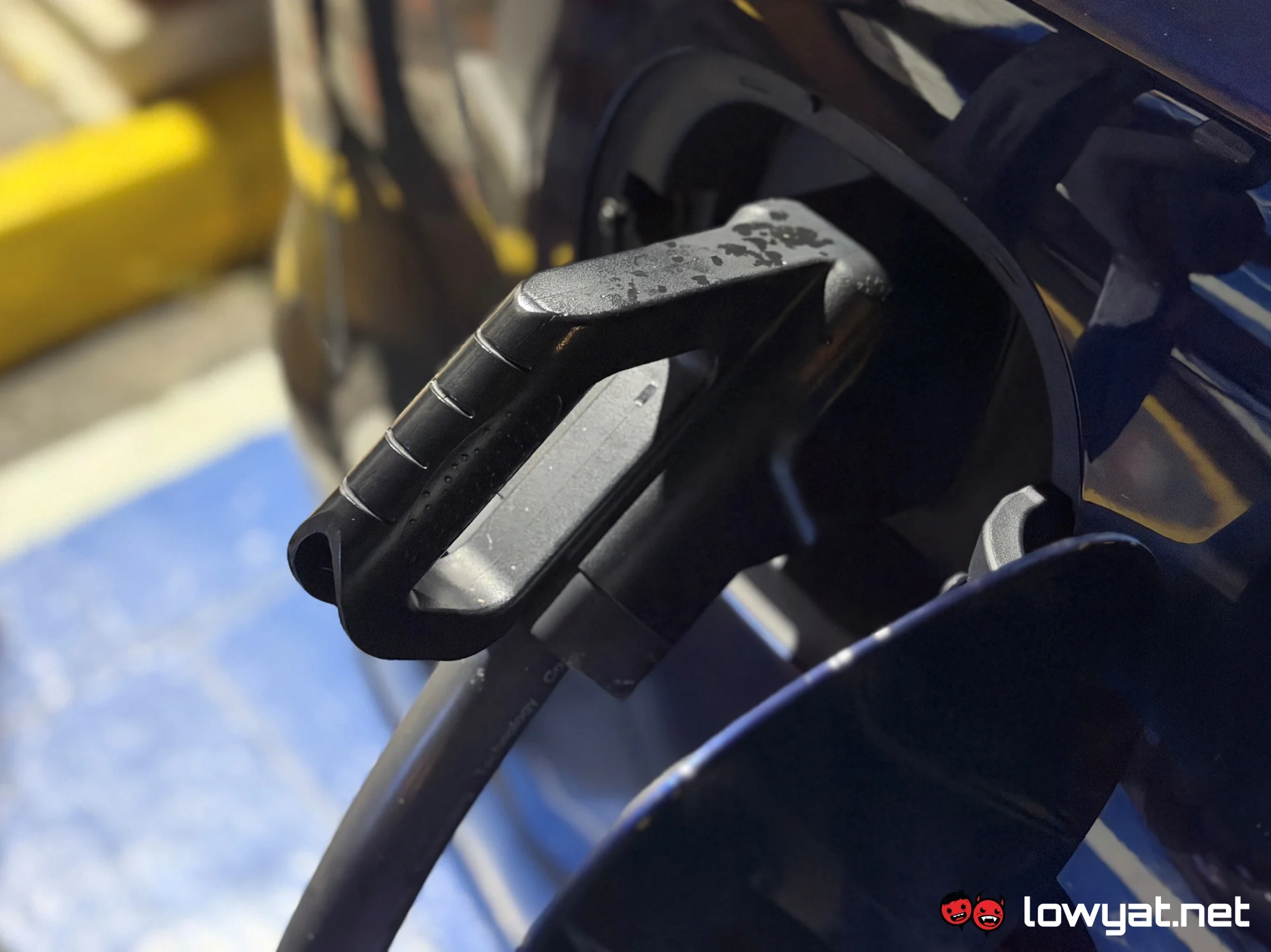
On a related note, the Malaysian Automotive Association (MAA) has recently advised prospective EV buyers not to delay their purchases solely because of the new policy. The association noted that consumers can still choose from existing stocks of fully imported EVs that arrived in Malaysia or were already in transit before the revised regulations took effect, as these vehicles are exempt from the new requirements and can continue to be sold until inventories are exhausted.
MAA also pointed out that the revised rules only apply to newly imported CBU EVs from 1 July onwards, meaning the availability of current models will not be immediately affected. Buyers considering imported EVs are therefore encouraged to secure existing stock while it remains available, particularly for models that may no longer qualify under the updated import requirements.
(Source: The Edge Malaysia)
