
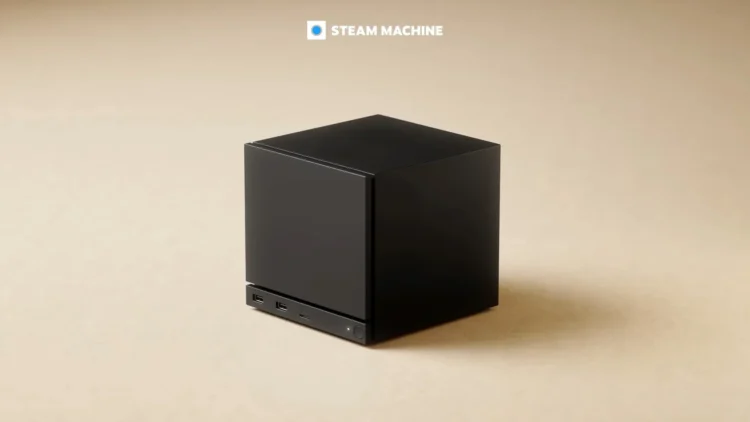
In case you’ve been living under a rock for the past month, the Steam Machine is finally here and first impressions thus far are…less than stellar. Part of the distaste for it comes from the somewhat lacklustre specs, no doubt.
But the one factor that really compounds that entire sentiment is the price: US$1,049 (~RM4,340) for the base model, which in Malaysia would net you a PS5 Pro and some change.
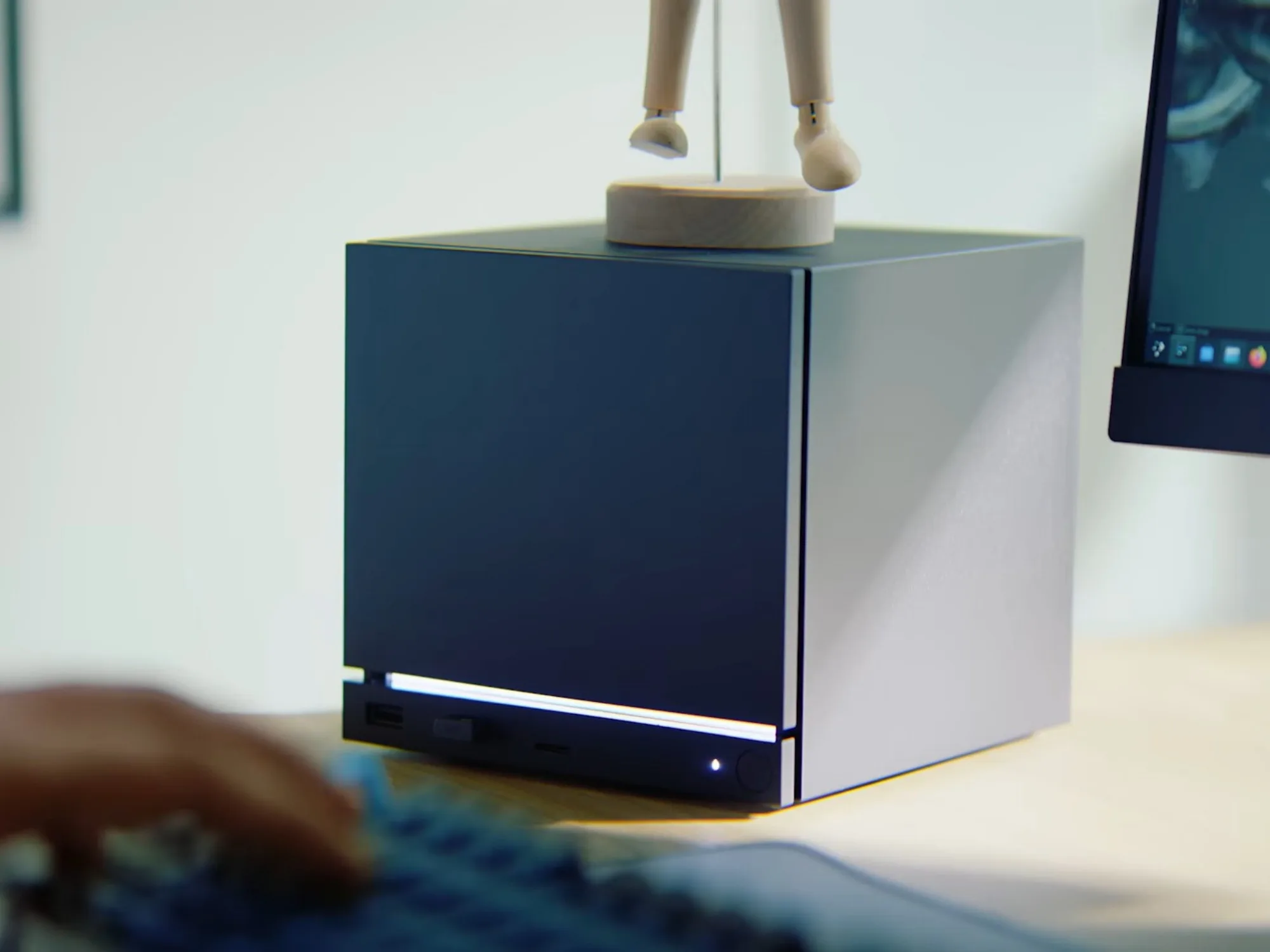
Those points then beget a question that we’re certain some of you are asking: Why, then, is Valve’s living room PC selling like hot cakes, to the point that the company had to enact a lottery-style sales system for retailers, and preorders for it have stretched all the way into the following year?
At The Mercy Of The Memory Market
Long story short: Valve is charging the price it is charging for the Steam Machine simply because it had no leverage with memory suppliers. While the company hasn’t openly admitted it, it’s pretty clear that the company didn’t factor in the ongoing memory and storage crisis.
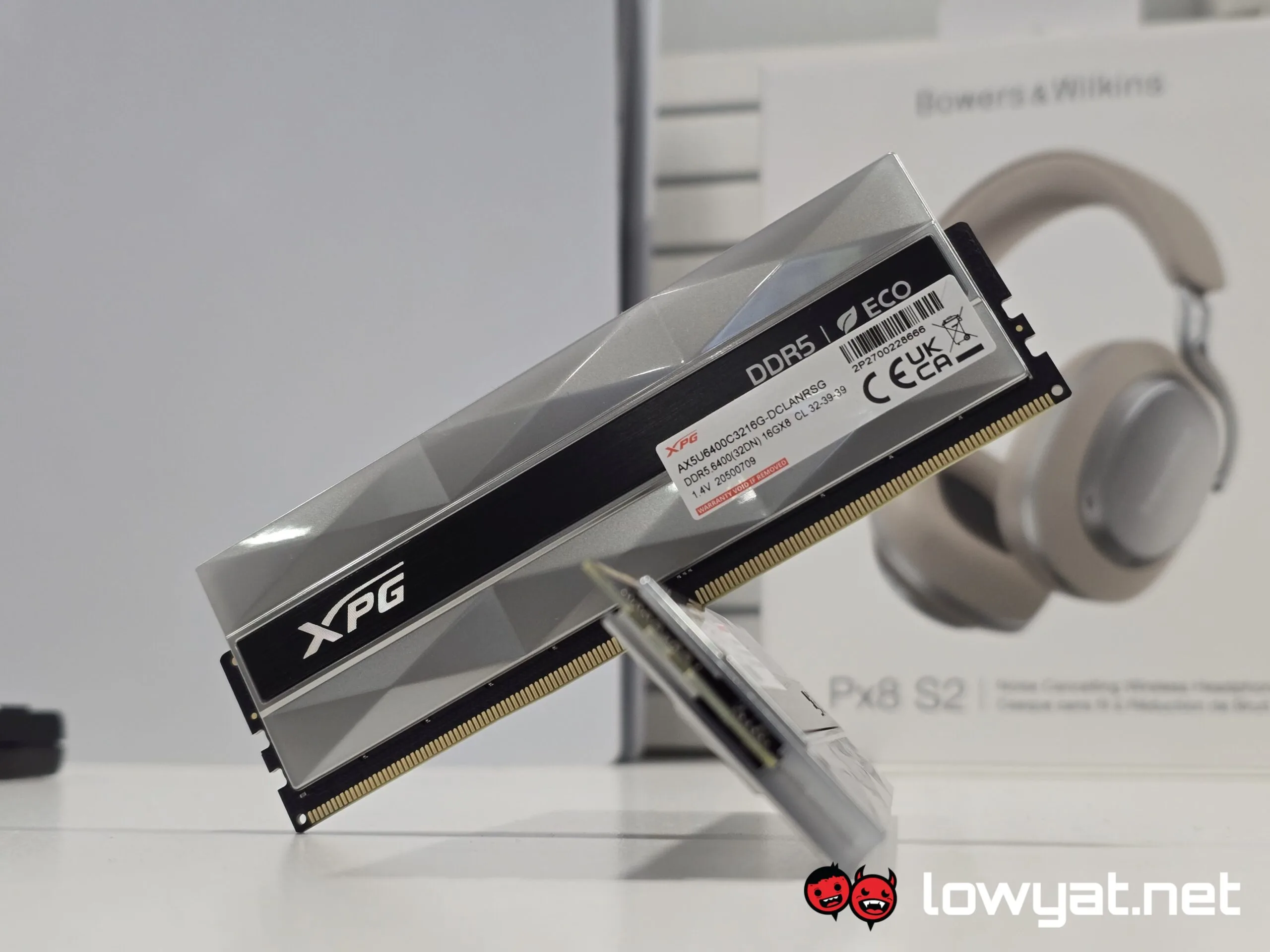
The problem Valve has here is that, unlike PC retailers and builders, the Lord Gaben-owned digital distributor of games took a fairly Laissez-faire approach to the whole situation. To be clear, I’m not saying that the company got lazy, but it obviously didn’t take the current memory crisis with the gravity it so deserves right now.
Needless to say, without reserve stocks in its production, the company now has a backlog that could stretch well into the following year. Assuming it can secure enough of the components it needs.
Internal Specifications Are “Meh”
As a quick recap, the Steam Machine has custom hardware that is supposed to be on par with an entry-level to mid-range PC. And I’m using “on par” quite liberally here. Per their official listing:
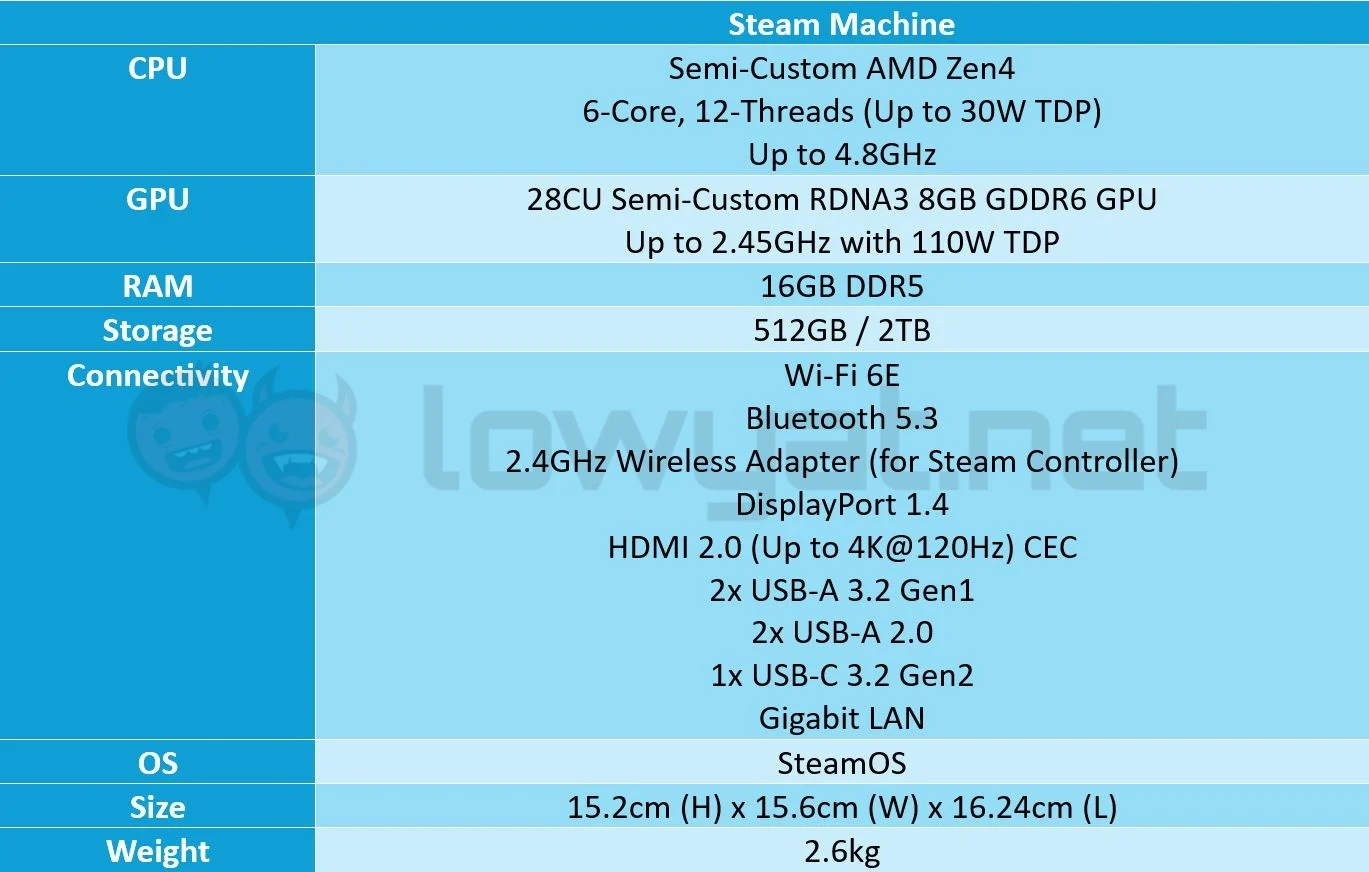
By any and all accounts, those specs aren’t world-shattering, but it is certainly more modern than the hardware nestled within the Steam Deck – Valve has said that the Steam Machine’s hardware is, after all, approximately six times more powerful than the handheld and has the ability to run games at up to 4K resolution. And on that note…
Performance Is…Okay-ish
Based on the reviews from folks who got a unit in the Northern Hemisphere, the average performance of the Steam Machine is subpar at best. At 4K, the Gabe Cube seemingly delivers an average of 35 fps across a suite of games, including titles like Doom the Dark Ages, which has ray-tracing baked into it. Oh, and this is with AMD’s FSR upscaling technology set to Performance, in most cases.

As a PC gamer, one alternative to boosting the frames, in this case, would be to drop the resolution, either to 1440p or FHD, but on a TV and with a machine such as this, the trade-off is obviously going to be grainy textures.
But that, in itself, can be an issue for some: whether you’re purchasing a fully-built PC, a GPU, or a CPU, you purchase them for the performance they are promised to deliver. With the Steam Machine, Valve’s promise of up to 4K gaming isn’t wrong, but it still feels like a stretch. And so, we cycle back to the question that we asked at the beginning: how the hell is this cube still in such high demand?
The Convenience Of It All
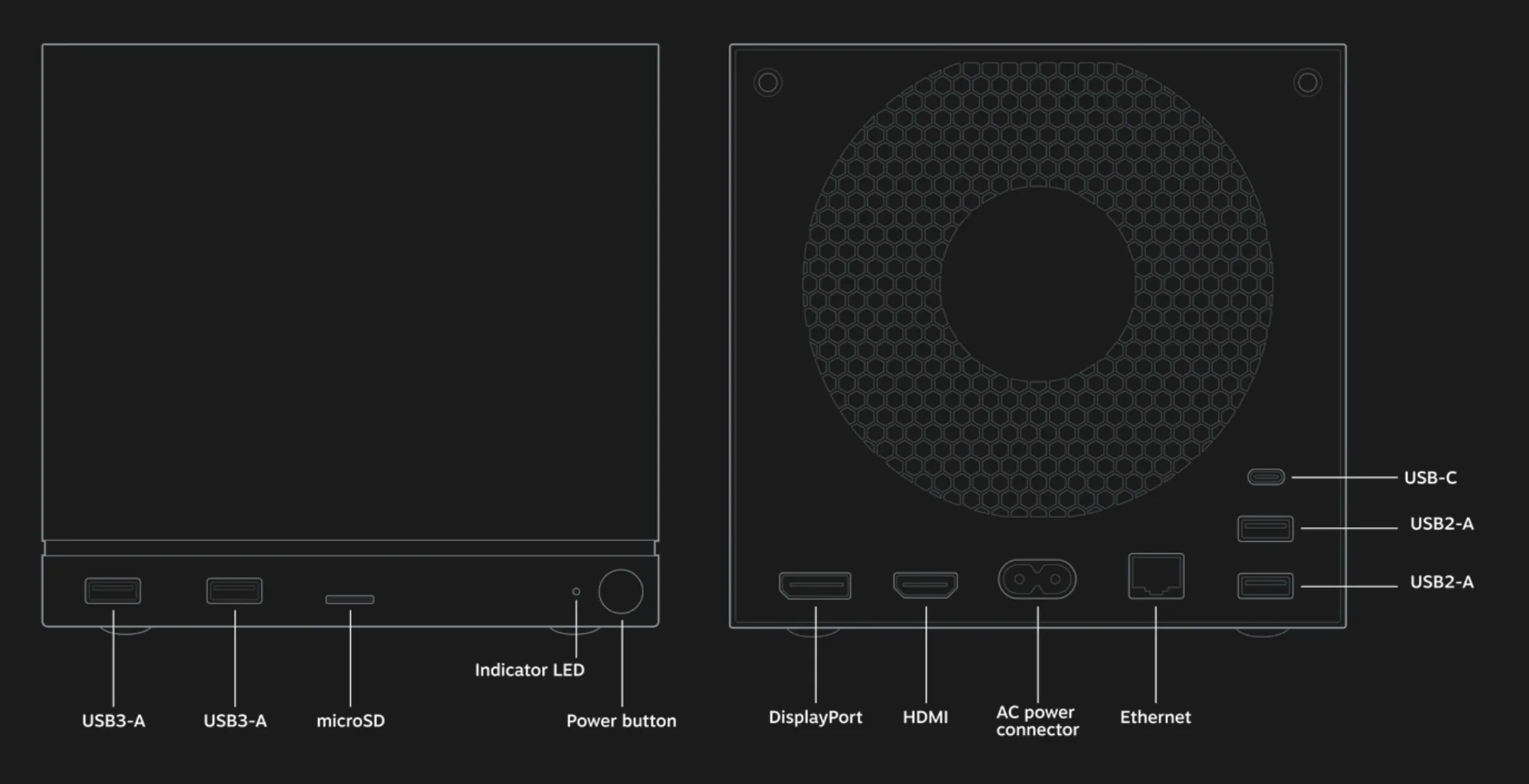
The simple reason of it all, I suppose, is the convenience offered. Think about it: it’s prebuilt, meaning there’s no need to buy your own components; it runs on SteamOS directly out of the box, meaning all you need to do is to log into your Steam account, download the games you want to play or, if you’re used to it, access the Steam Desktop mode if you’re looking to be productive on a Linux-based system; and it fits right on top of your desk or right next to your 4K TV in the living room.
There is one other benefit that comes with the Steam Machine if you’re using it in your living room too: HDMI CEC. This basically allows the console to communicate with other devices connected to the TV. Oh, and Valve also has a handful of custom plates for the machine in tow, sans dbrand’s Companion Cube, because casing and skins company made a boo-boo.
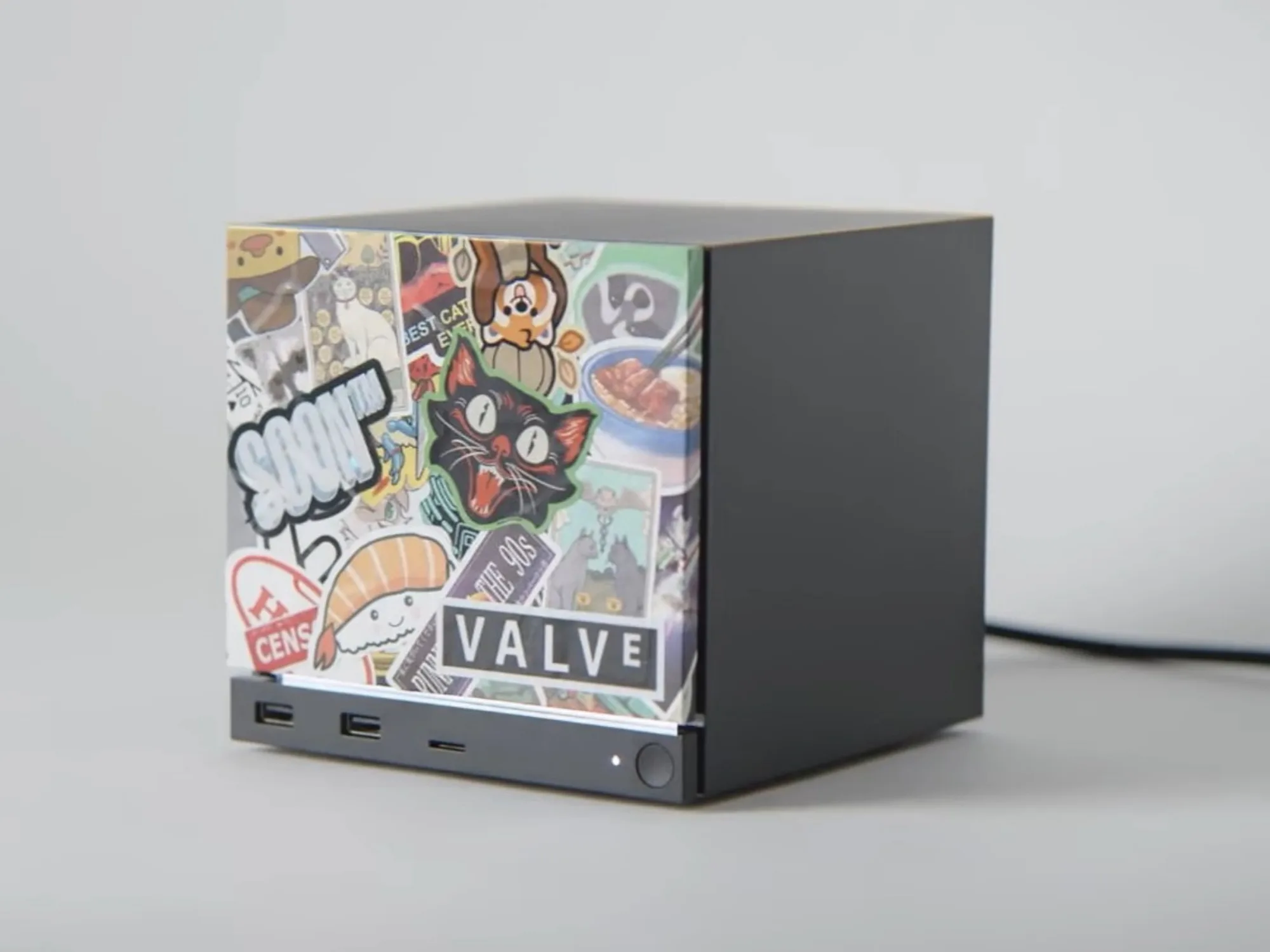
All this, and if the gamer isn’t a pixel peeper – they don’t mind that the overall textures aren’t as sharp, compared to a gaming PC with better specs – and are willing to compromise on the resolution to get more frames, and the Steam Machine one very convenient machine.
Of course, all this boils down to the Steam Machine actually being available, and in our case, the situation is technically limited to one avenue: grey imports.
Our (Only) Option, Plus Alternatives
Until such a time that Valve actually lists Malaysia as one of its official countries of distribution, the chances of getting a Steam Machine, Controller, the Frame, or even the Steam Deck in an official capacity are non-existent. That, in turn, means that we are at the mercy of grey import sellers and suppliers.
Case in point, local game shop M4G is currently the only official physical retailer that is bringing in the Steam Machine, but because they are the only ones bringing in said machine, they are able to charge what I will simply describe as a cutthroat premium. As per the earlier report, the store said that the estimated cost of the machine bundled with the Controller is RM9,000, and that’s just for the 512GB model alone.
Go online to Shopee and Lazada and unsurprisingly, there are actually some sellers out there selling it individually, but just like M4G, they aren’t as cheap. By that, we mean that they’re selling the same console at an average of RM6,400 for the 512GB, while some seemingly managed to get their hands on a 2TB SKU and are selling them at the same price as M4G’s bundle.
The alternative, then, to all this is the one avenue that runs contra to the theme of convenience: build your own Steam Machine. At the end of the day, it has been proven that you can just build a simple gaming machine that is way more powerful, as well as being slightly cheaper. We say slightly because, you know, current cost of RAM and storage.
