
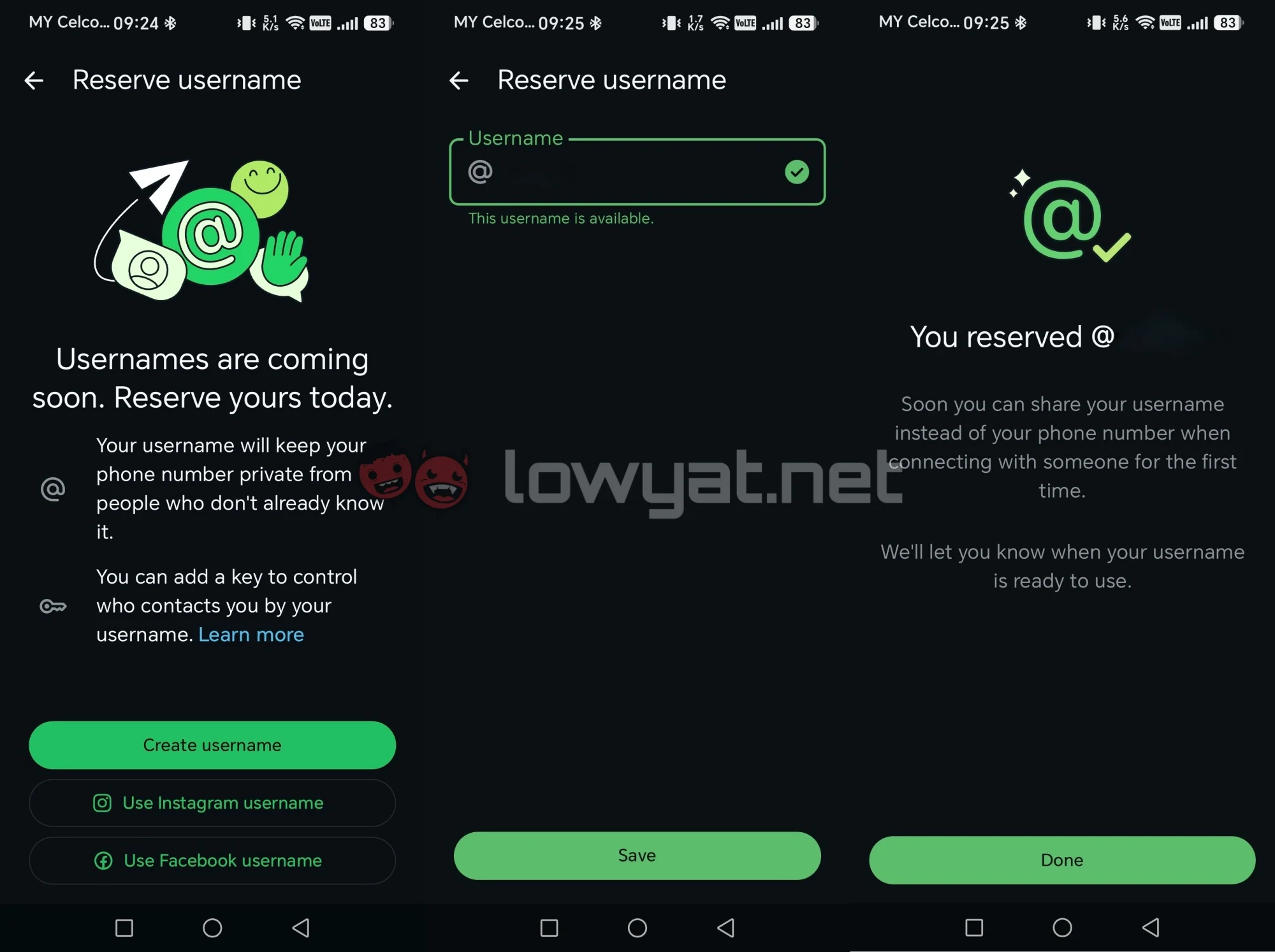
WhatsApp announced earlier this week that it has begun allowing users to reserve usernames in advance, giving them an opportunity to secure their preferred handle before the feature becomes widely available. While reservations are now live, usernames cannot yet be used for messaging.
Following this, the messaging platform has issued a detailed clarification addressing some of the most common questions from users. The company said the feature is still being prepared for its full launch later this year and stressed that several safeguards are already in place to reduce impersonation, scams, and unwanted contact.
Usernames Are Optional, Not Required
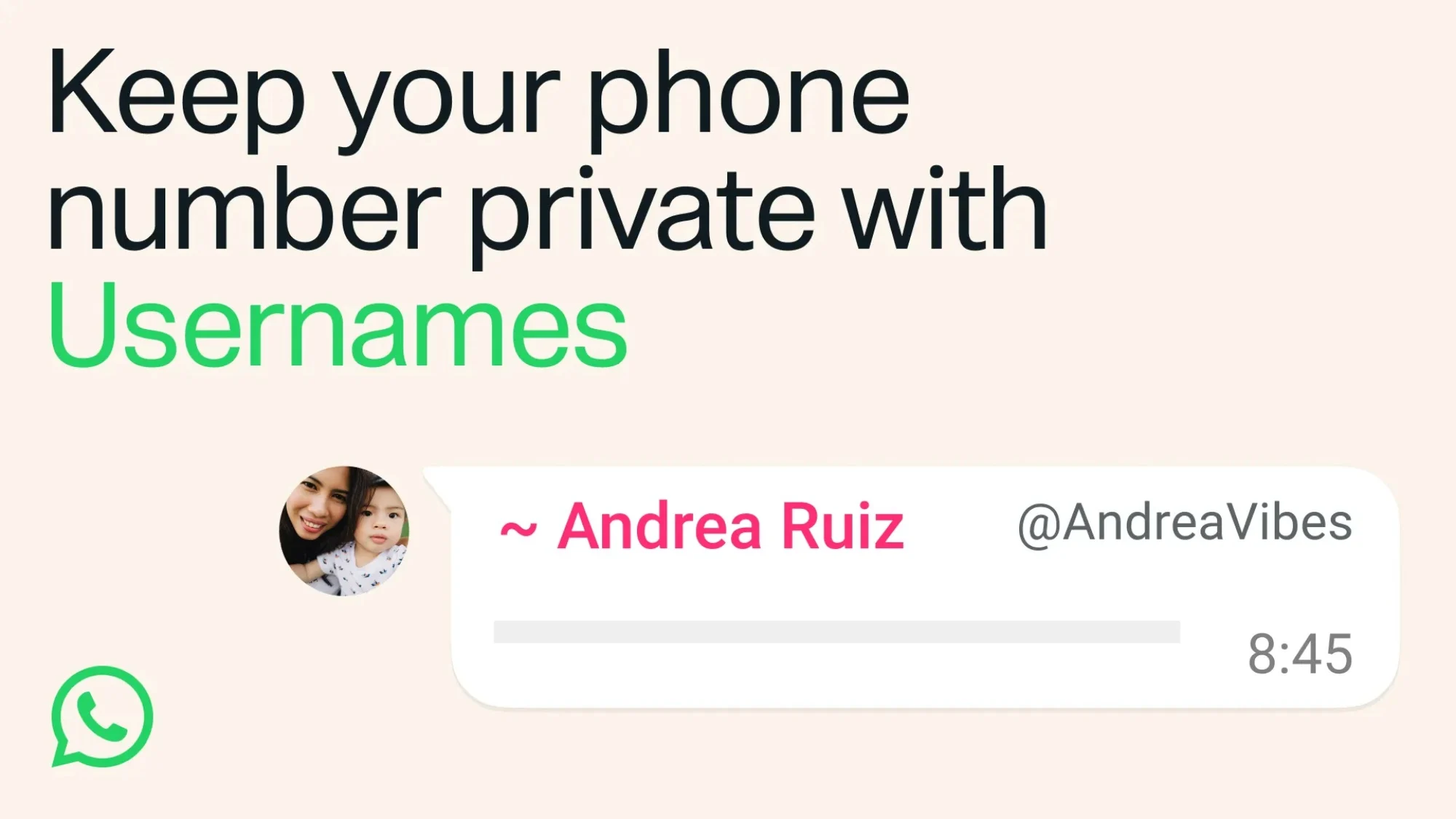
One of WhatsApp’s biggest clarifications is that usernames are entirely optional. Users can continue using the app with their phone numbers just as they do today, without ever setting a username.
According to the platform, usernames are designed to let users connect without having to share their phone numbers. If users decide to reserve one, they can also change it later, provided their preferred replacement is still available.
WhatsApp also clarifies that username reservations have been introduced ahead of the feature’s launch because users are likely to care about securing their preferred handle. The company said it is intentionally taking more time to gather feedback before enabling username-based messaging later this year.
WhatsApp: Claims Of Username Sales Are False
The company also addressed online claims suggesting that people are selling or reserving popular usernames for others. According to WhatsApp, these claims are false, as protected public-figure usernames can only be reserved by their verified owners.
As per the platform’s initial announcement, existing Instagram and Facebook usernames are reserved for their legitimate owners. If users want to use the same handle on WhatsApp, they will need to temporarily link their Instagram or Facebook account to verify ownership. Once the username has been secured, they can unlink the account if they wish.
The company has also reserved usernames belonging to well-known public figures, celebrities, government entities, and Meta Verified accounts, along with certain variations of those names. These can only be claimed by their legitimate owners as part of WhatsApp’s efforts to reduce impersonation. If a common username has already been taken by another user, WhatsApp recommends using its built-in username generator to find an available alternative.
New Protections Against Spam And Impersonation
WhatsApp shared several of the protections that will accompany the feature. When someone receives a message from an unfamiliar user via a username, WhatsApp says it will provide contextual information such as the sender’s country of origin and display warnings indicating that it is a first-time conversation.
Existing safety features, including the ability to block and report users, will also remain available. The company added that it will actively monitor blocks and user reports to identify and take action against scammers attempting to abuse the new system.
WhatsApp also emphasised that usernames will not be publicly searchable. Similar to how users cannot search for phone numbers on the platform, usernames cannot be looked up through a search function either. The company recommends choosing a unique username and enabling a username key to further reduce the chances of unwanted contact.
Another upcoming security feature is the “username key”, which acts as an additional layer of protection. When enabled, someone must know both a user’s username and their username key before they can initiate contact through the username. Users can also reset their username key at any time, preventing new inbound contact using the previous key.
(Source: WhatsApp, via X)
