
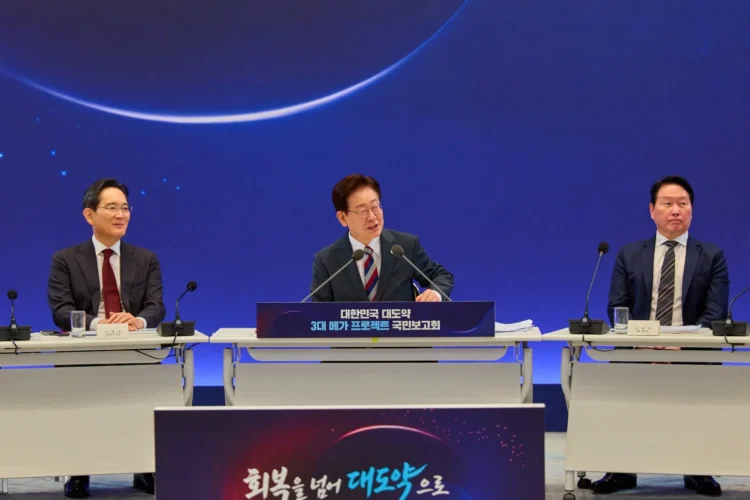
By this point, we are all feeling the pinch of the memory shortage. As demand for AI hardware continues to surge, South Korea has unveiled a US$576 billion (RM2.34 trillion) investment plan to further expand its AI and semiconductor industry.
In a televised address yesterday, President Lee Jae Myung said the initiative will be backed by Samsung Electronics and SK hynix, South Korea’s two largest chipmakers. According to Lee, the project aims to strengthen the country’s AI and semiconductor industry while narrowing regional disparities and revitalising economies outside the Seoul metropolitan area.
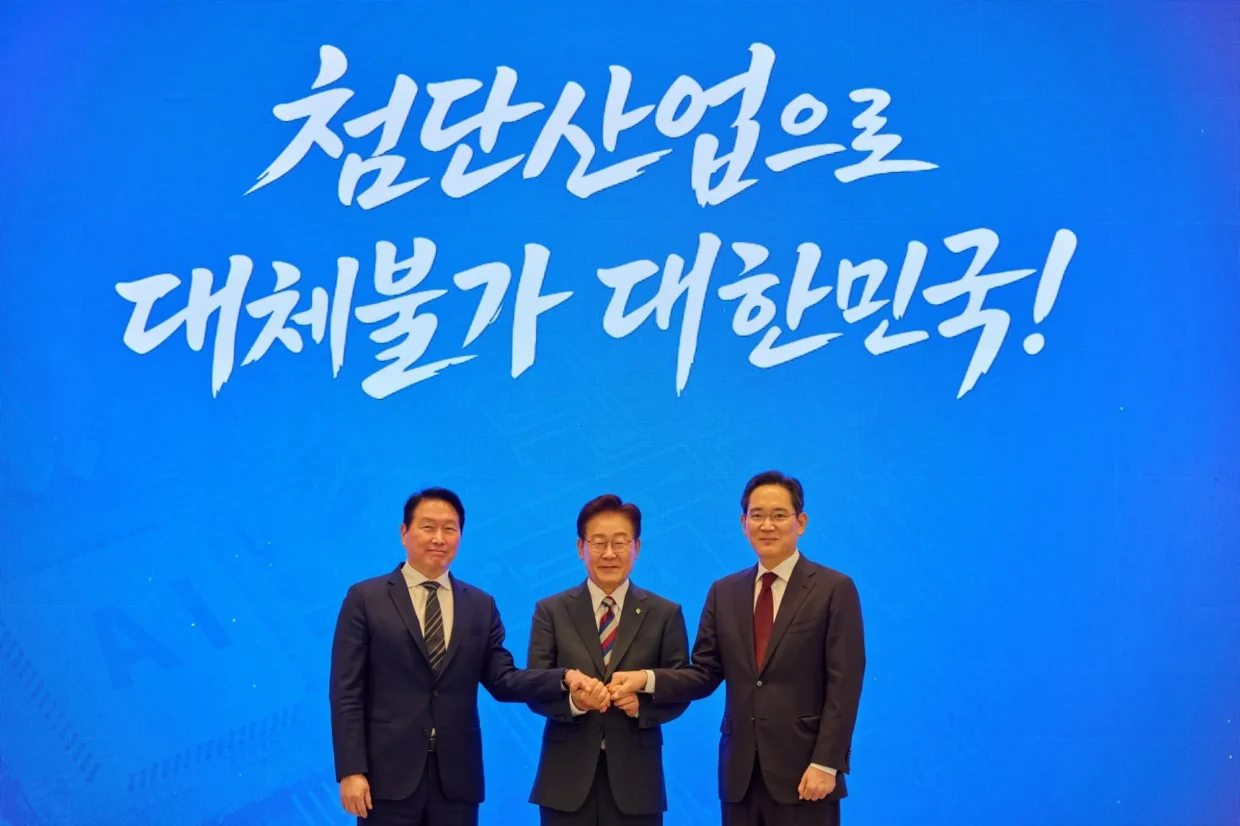
“We must secure the core elements of AI faster than any other country,” the president said. “Semiconductors, physical AI, and AI data centres are the triple axis for our great leap forward.”
He adds that Samsung and SK Hynix will invest 800 trillion won (~RM2,098.78 billion) to build two new chip fabrication sites in the country’s southwest region. Lee also notes that the southwestern city of Gwangju and South Jeolla province will invest 5 to 20 trillion won (~RM13.12 billion to ~RM52.47 billion) in the project. South Korea will also invest 81 trillion won (~RM212.50 billion) to develop a chip packaging cluster in the Chungcheong region near Seoul.
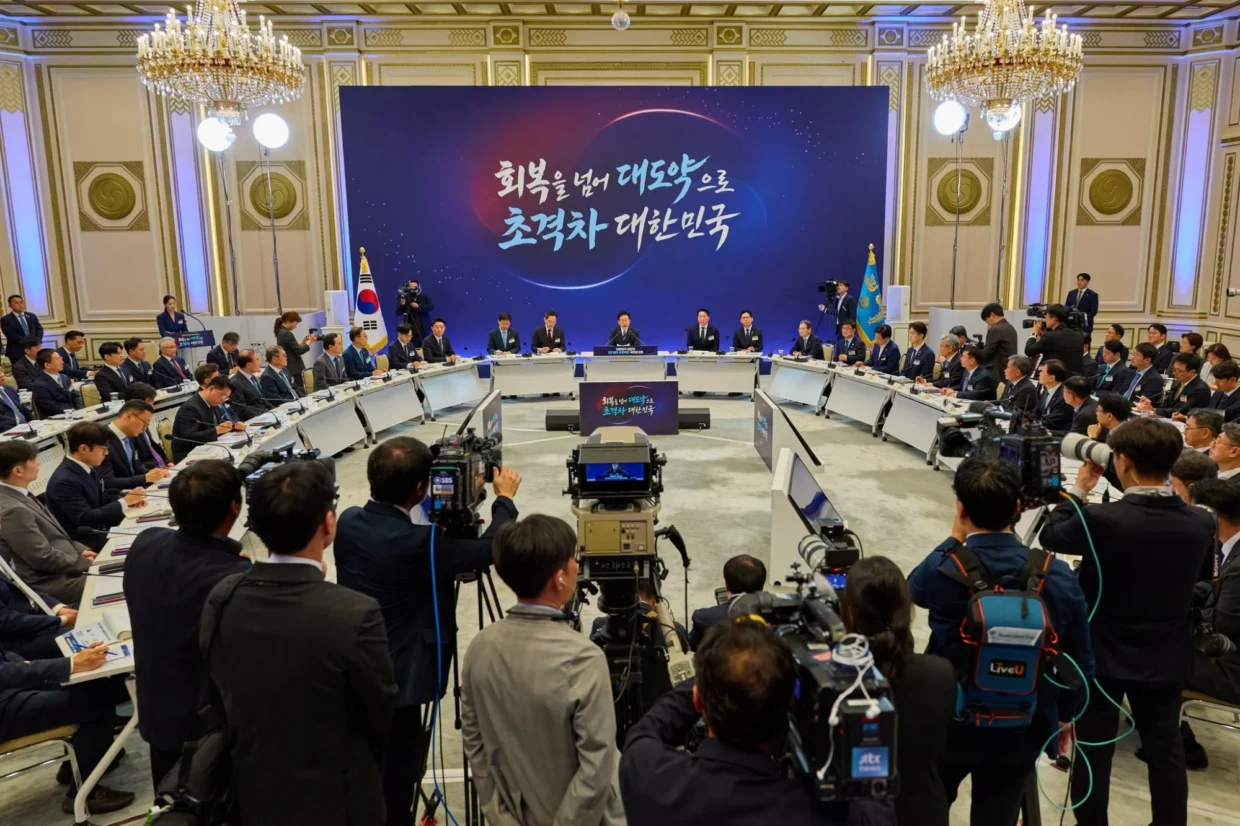
Lee said the investment is intended to meet rapidly growing demand for semiconductors, adding that the production hubs must be completed as quickly as possible. “At the same time, we must secure overwhelming production capacity in advance through large-scale new investments, including in the southwestern region,” he adds while explaining that existing sites centred around Yongin and Pyeongtaek have already reached their limits.
Lee said the investment is intended to meet rapidly growing demand for semiconductors, adding that the production hubs must be completed as quickly as possible. “At the same time, we must secure overwhelming production capacity in advance through large-scale new investments, including in the southwestern region,” he said.

He also noted that existing sites centred around Yongin and Pyeongtaek have already reached their limits. According to Lee, the southwestern region was chosen for the new production hubs due to its abundant, underutilised power supply.
According to Reuters, the move could help ease existing infrastructure bottlenecks, although it also presents new challenges. The news agency said the production hubs require vast amounts of electricity, water, advanced logistics, a deep supplier network, and a highly skilled workforce, all of which may take time to develop in the new region.
“To execute something of this magnitude properly requires an extraordinary amount of deliberation. I am sure there has been extensive internal review, but from the outside, it still appears to be moving too fast,” said Lee Jong-ho, a professor at Seoul National University’s Department of Electrical and Computer Engineering. “It would be ideal if demand remained strong for the next 20 or 30 years, but no one can know that with certainty… If demand were to decline, the consequences would be severe.”
South Korea On HBM Chips
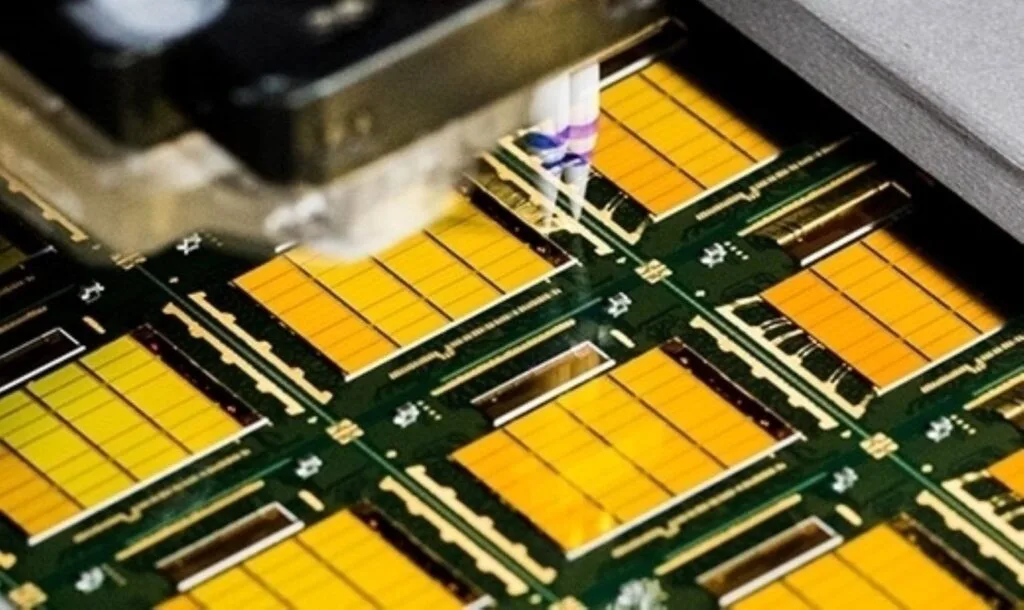
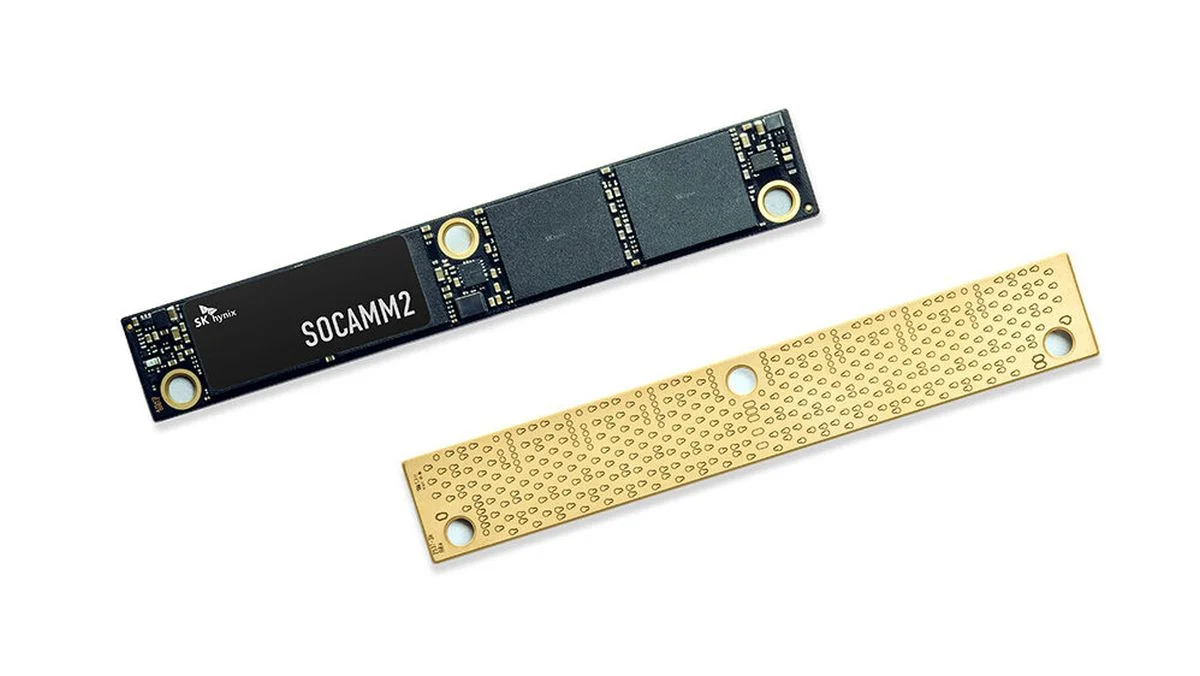
South Korea is emerging as a major beneficiary of the global AI investment boom, driven largely by Samsung Electronics and SK hynix’s strong position in high-bandwidth memory (HBM) chips. These chips are a critical component in advanced AI processors.
Industry minister Kim said the country plans to double production of dynamic random-access memory (DRAM) within five years. This will be achieved by accelerating the construction of semiconductor fabrication plants in the Seoul metropolitan area, targeting completion in the mid-2030s.
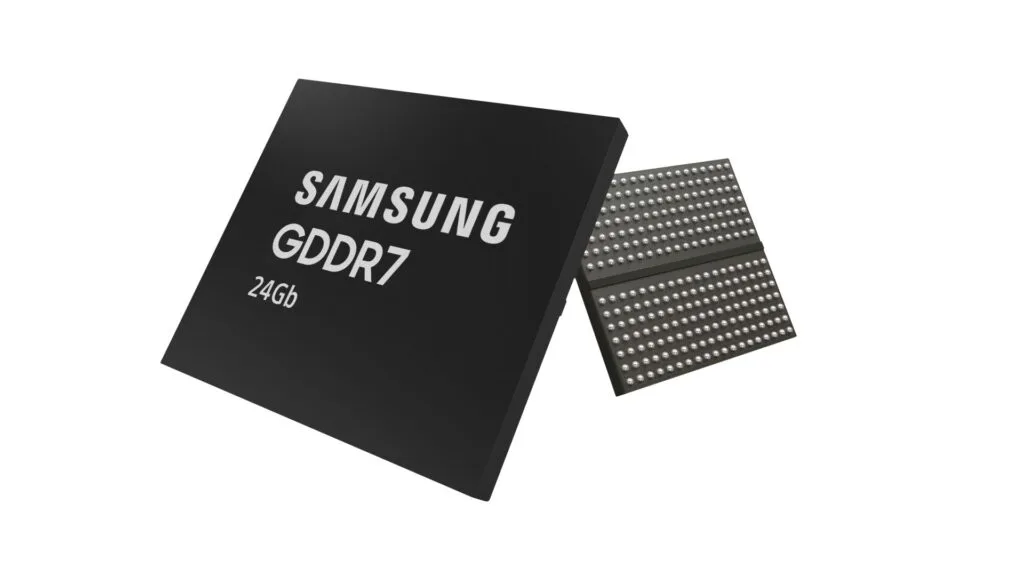
Samsung Electronics chairman Jay Y. Lee said at the event that the company has selected Gwangju as the site for its new chip cluster. Meanwhile, SK hynix chairman Chey Tae-won said the company still needs more time to finalise a site and secure infrastructure in the southwestern region.
“It took nine years to create a cluster in Yongin,” Chey said. He added that chip production facilities require massive land, power, water and talent.
(Source: Reuters, The Star, Lee Jae Myung [Facebook])
