

The rollout of Malaysia’s next-generation MyKad will not result in higher fees for the public, with the government confirming that the existing RM10 processing charge will remain unchanged. Home Minister Datuk Seri Saifuddin Nasution Ismail said the fee structure for MyKad applications and replacements will be maintained despite the introduction of the new card, which features enhanced security elements designed to combat forgery and identity fraud.
The clarification comes amid public discussion in Parliament surrounding the government’s contract for the supply of the new-generation MyKad, which is valued at RM732.72 million over six years. Saifuddin also disclosed that the government’s cost for each next-generation MyKad stands at RM40 under the current procurement model.

Saifuddin said the RM40 figure represents the amount paid by the government for every new-generation MyKad that is successfully issued. This is separate from the RM10 processing fee charged to applicants mentioned earlier.
For additional context, NexG Bhd was awarded the contract to handle the supply of MyKad and MyTentera cards from June 2026 until May 2032. The minister explained that the new procurement arrangement operates on a pay-per-issue basis, meaning payments are only made when a card is produced and issued. Based on an estimated issuance volume of around three million cards annually, the government expects to spend approximately RM120 million each year on the programme.
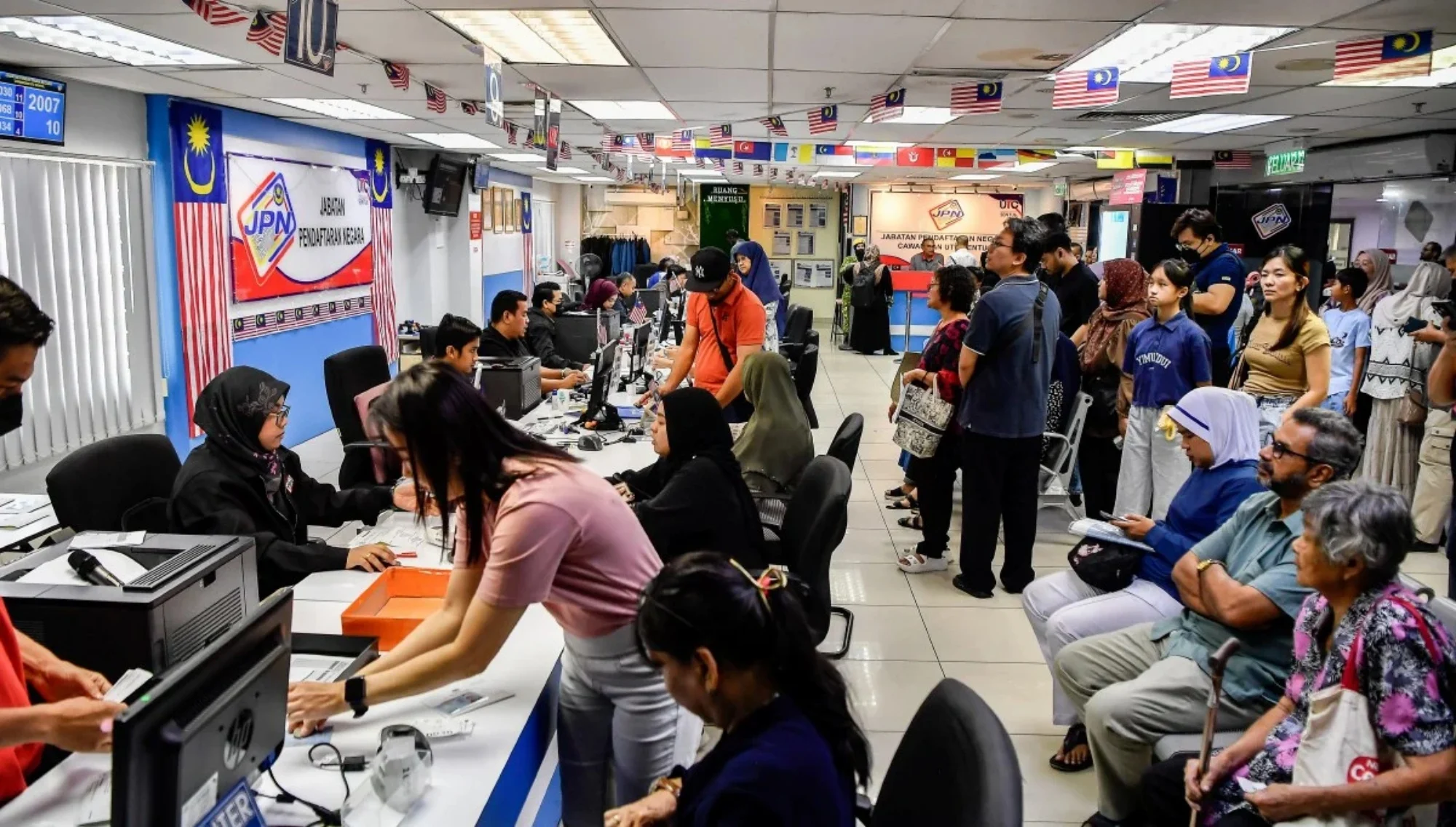
Saifuddin’s statement also echoed an earlier announcement by the National Registration Department (JPN), which stressed that existing MyKad holders do not need to rush to replace their cards. As such, the current version of the card are still valid and can continue to be used for government services and daily transactions. JPN also noted that a nationwide mass replacement exercise is not being planned, helping to avoid unnecessary costs and congestion at registration offices.
To recap, the next-generation MyKad was officially introduced earlier this year and features 53 physical and digital security elements aimed at making counterfeiting significantly more difficult. Among the notable changes is the removal of the Touch ‘n Go functionality that had been integrated into MyKad for years. The government explained that usage of the feature had declined considerably following the widespread adoption of dedicated Touch ‘n Go cards, RFID, and digital payment solutions.
JPN has also previously assured the public that the migration to the new MyKad will not affect the distribution of government assistance programmes. Existing identity cards remain fully recognised across government systems, ensuring uninterrupted access to public services and aid schemes during the transition period.
(Source: The Edge Malaysia)
