
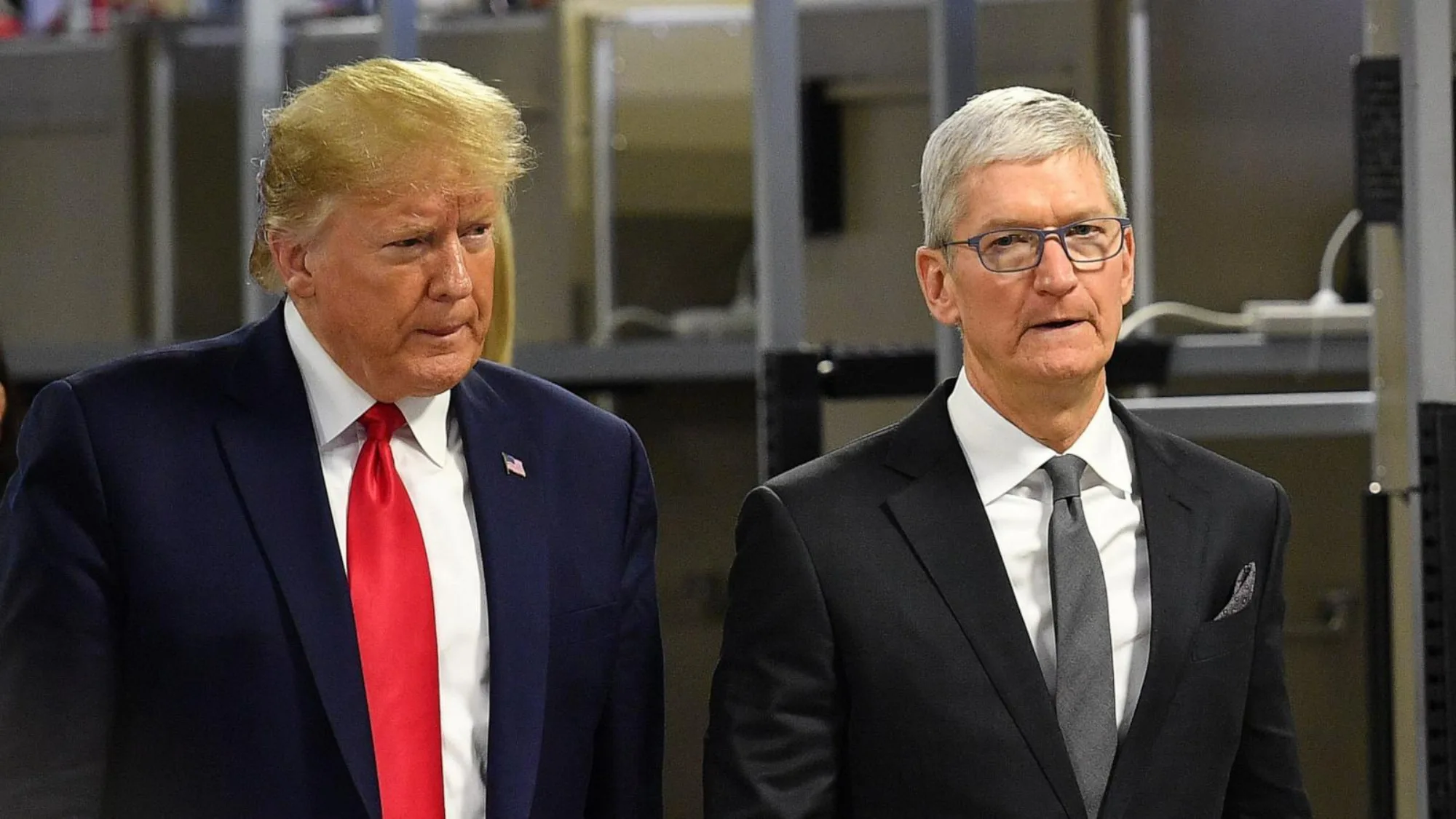
Apple and Intel could soon be working together again, with US President Donald Trump claiming that the two companies have agreed to jointly design and manufacture chips for the Cupertino-based tech giant in the United States. In a post on Truth Social, Trump said the agreement would see Intel produce chips for Apple, although he did not specify which products or chip families would be involved.
Neither Apple nor Intel has officially confirmed the arrangement at the time of writing. If the claim proves accurate, the partnership would mark a significant development for both companies. Apple would gain an additional manufacturing partner for its custom silicon, reducing its reliance on Taiwan Semiconductor Manufacturing Company (TSMC), which currently produces the company’s M-series and A-series chips.
The move would not signal the end of Apple’s relationship with TSMC. Instead, it would provide Apple with another source of manufacturing capacity, particularly as demand for advanced semiconductor production continues to rise. TSMC has been facing growing pressure from major customers in the artificial intelligence sector, including NVIDIA and AMD, both of which compete for access to the foundry’s most advanced process nodes.
Rumours of a potential partnership between Apple and Intel first surfaced earlier this year, with reports suggesting that Apple was exploring Intel’s foundry services for future chip production. A subsequent report by analyst Ming-Chi Kuo also claimed that the Cupertino-based tech giant had already begun testing production of iPhone chipsets using Intel’s manufacturing technologies, fuelling speculation that the company was seriously considering bringing Intel back into its supply chain.

The two companies have a long history together. Intel supplied processors for Mac computers for around 15 years before Apple transitioned to its own in-house Apple Silicon chips in 2020. Since then, the M-series processors have been widely credited with improving the performance and efficiency of Mac devices.
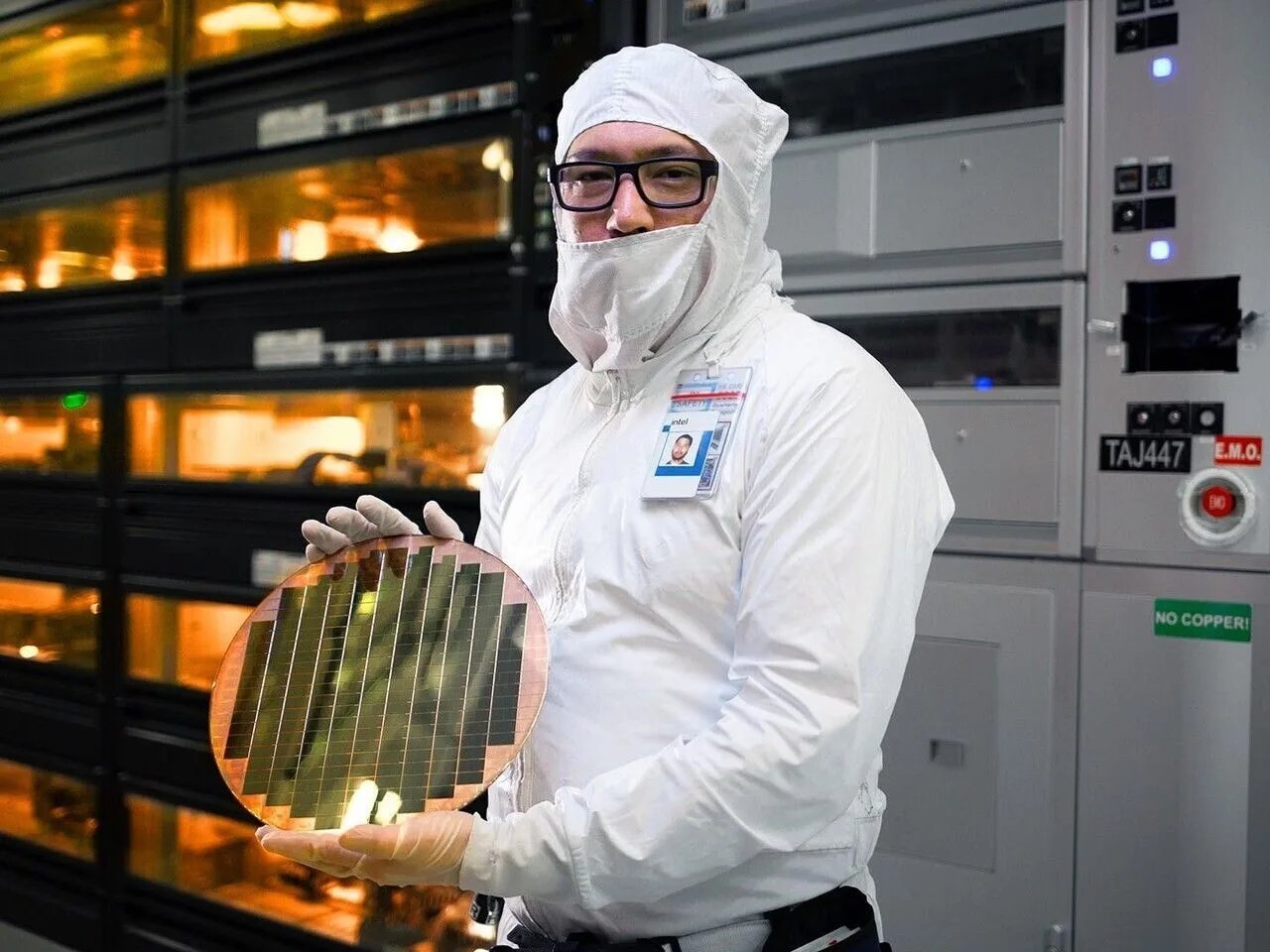
For Intel, securing Apple as a customer would represent a major vote of confidence in its contract manufacturing ambitions. The company has been working to expand its foundry business and position itself as a viable alternative to TSMC and Samsung. Earlier this year, Intel also announced that Tesla would become the first major customer for its next-generation 14A manufacturing process, which is expected to enter mass production in 2029.
Trump also highlighted the US government’s involvement in Intel, noting that Washington currently holds a 10% stake in the chipmaker. The government acquired the stake as part of efforts to support the company and strengthen domestic semiconductor manufacturing capabilities.
Should the reported agreement move forward, it would align with broader US efforts to expand semiconductor production within the country. However, based on Trump’s comments, the arrangement appears to be focused specifically on chip design and manufacturing activities in the United States. As such, Intel’s manufacturing and assembly operations outside the country, including those in Malaysia, are not expected to be affected and would continue operating as usual.
(Source: Reuters)
