
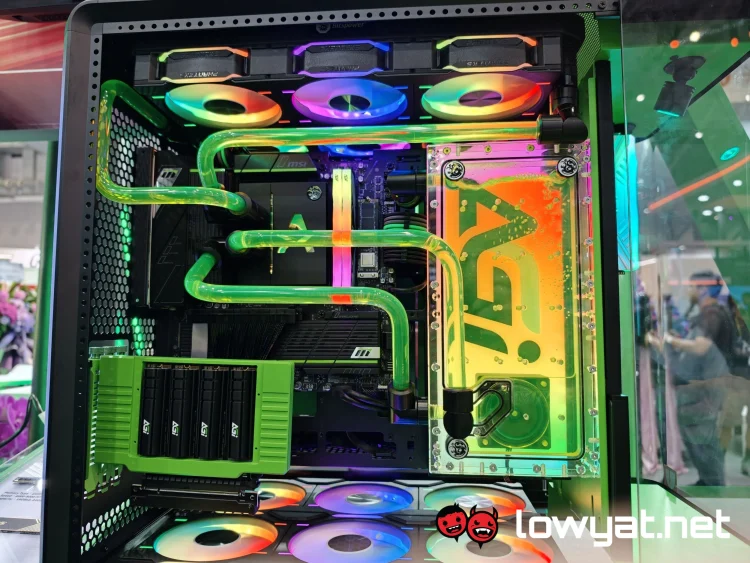
Over at the AGI booth, the brand had a couple of new products to show off for Computex 2026. Namely, some memory sticks with heatsinks that change colour, along with some anime-themed products. Specifically, Dandadan.
Focusing on the Dandadan-themed products, it’s actually pretty self-explanatory. The collaboration with the manga’s publisher, Shuiesha, and probably Science Saru, the studio that produced the anime, provided the rights to AGI to plaster the characters on to its products, thus making them limited-edition items.
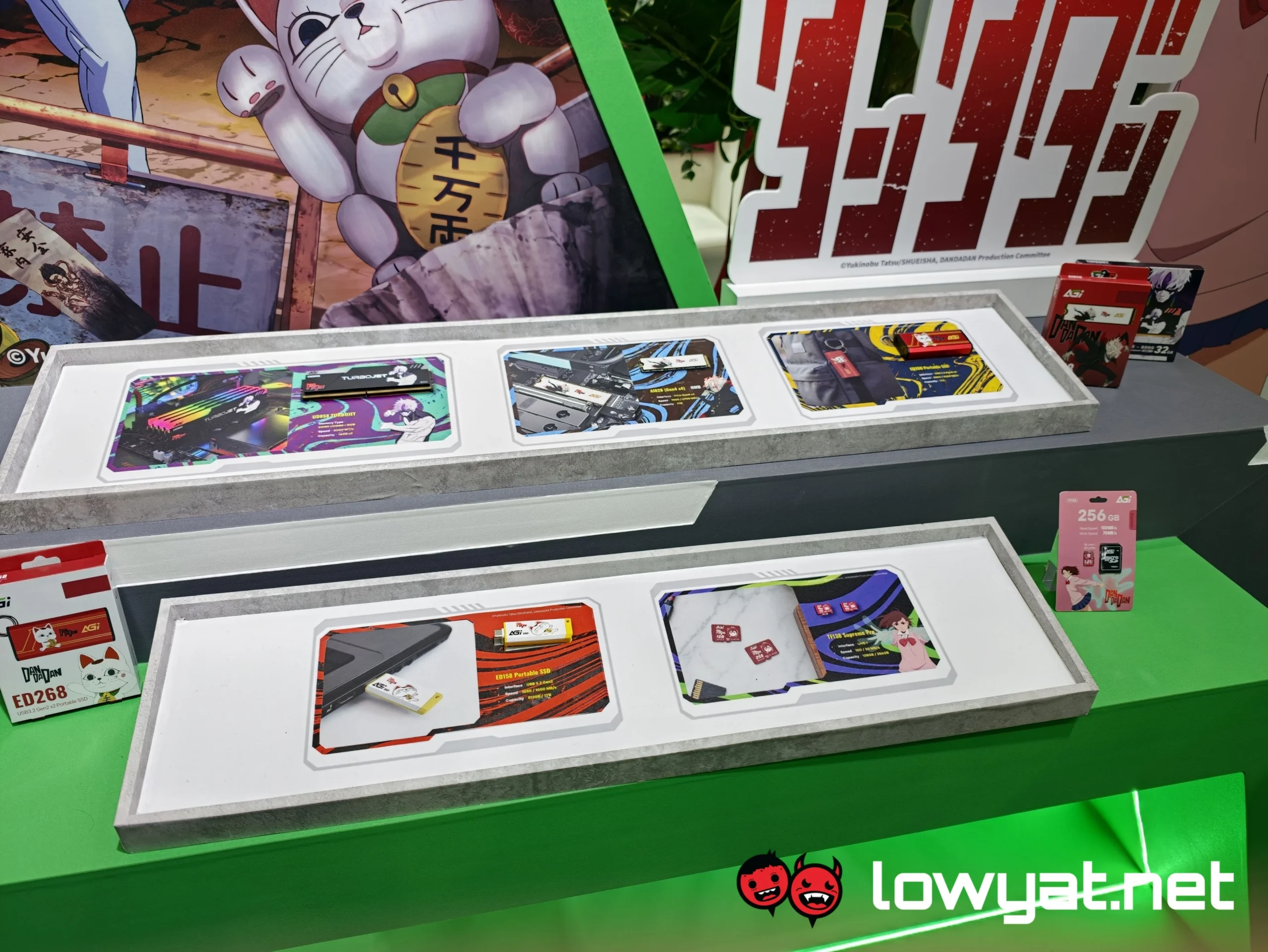
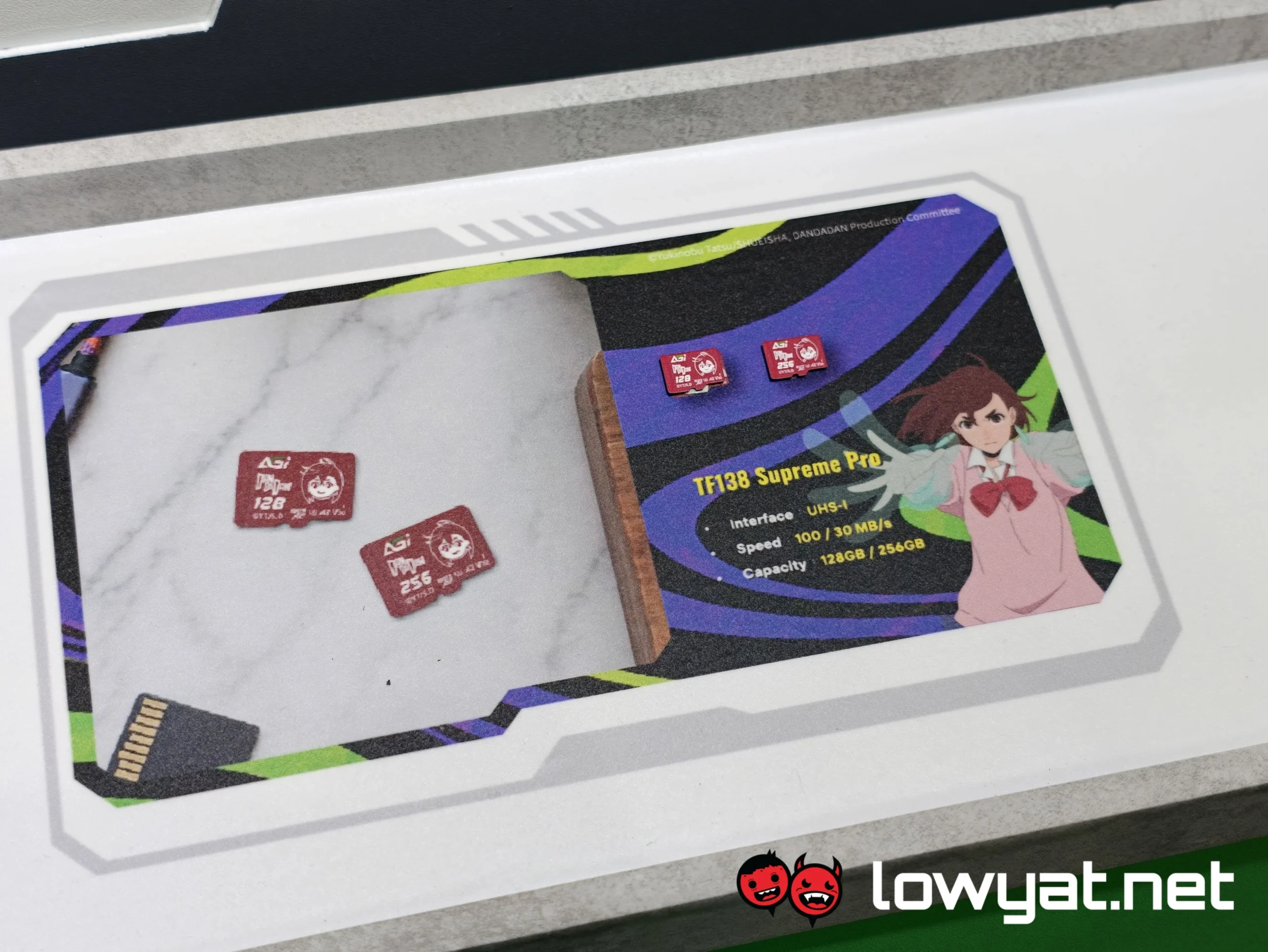
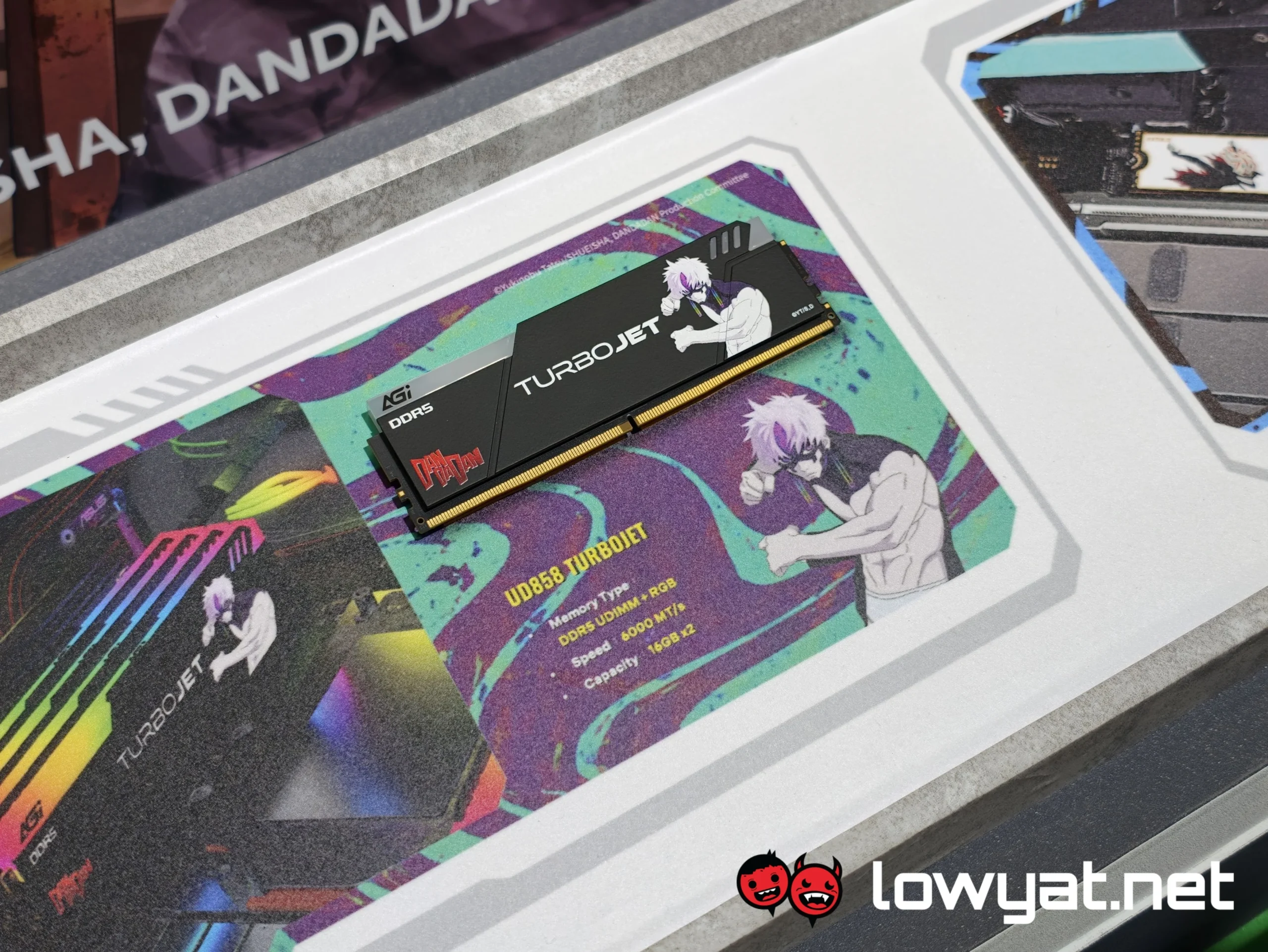
Again, it’s not just limited to PC memory. Beyond DDR5 memory modules, the merchandising extends to microSD Express cards, USB thumb drives, external SSDs, and of course, the M.2 SSD heatsinks.
Now for the bad news. If you’re a fan of Dandadan and you’re interested in collecting these products, you’re not going to be able to do so in Malaysia, for now. AGI tells us that, at current, the new Dandadan-themed memory products will only be available in three countries: Taiwan, Vietnam, and the Philippines. That being said, the company did inform us that it is trying to get them made available in more countries, but fell short of providing an exact timeline.
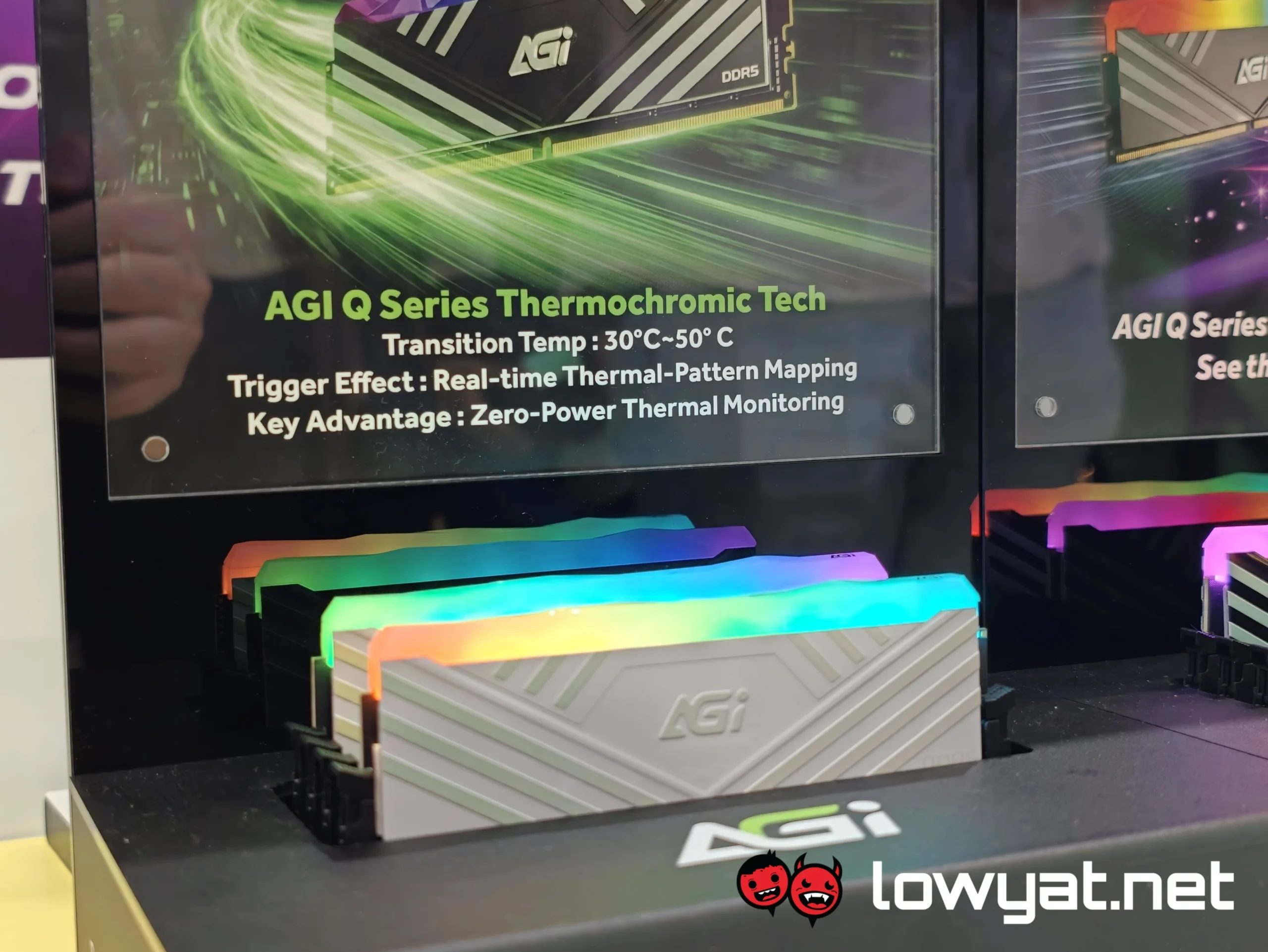
Then there were the memory modules with heat sensitive cooling plates. As per AGI’s description, these heat sinks change colour based on the amount of heat being generated by the memory chips on the RAM stick, but honestly…it was a little hard to tell. Basically, the model on display had two default colours: green when the temperature of the RAM stick was cool or warm, and pure white when working under a full load. The issue I had was that the supposed “green” looked nothing more than a light hue, and wasn’t easy to discern.
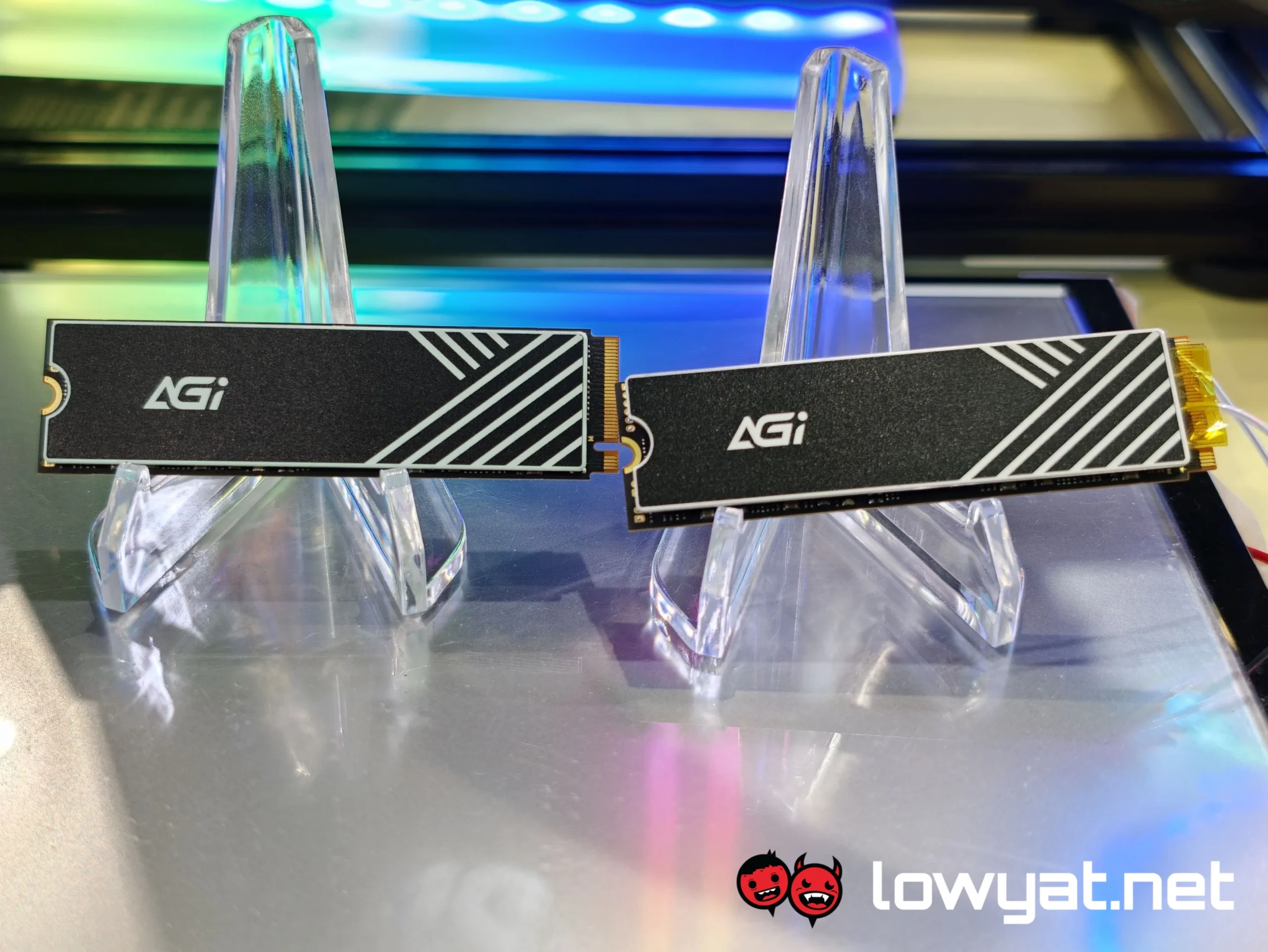
We should be clear that AGI’s Thermochromic technology won’t just be limited to RAM. There were also demonstrations of it working with M.2 SSDs, although this writer doesn’t quite see the point in this; whether you’re using the SSD as your main or secondary storage, the heat shield of your motherboard – and let’s be honest, most motherboards these days almost always come with their own – will just cover the entirety of the SSD anyway.
