
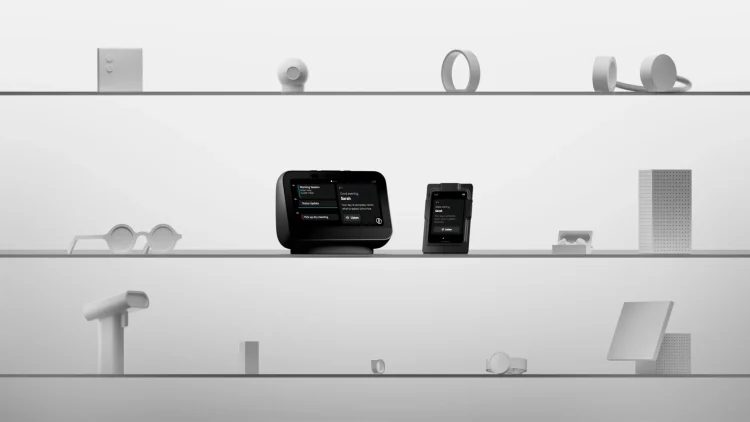
As artificial intelligence (AI) continues to evolve, companies keep looking for ways to integrate the tech into the day-to-day user experience. Right now, agentic AI is the next big thing, with the promise of reshaping how people interact with their devices. Like many other tech firms, Microsoft is developing its own take on this idea. Enter Project Solara, a platform for AI agents.
Described as a chip-to-cloud platform, Project Solara does away with traditional apps. Instead, it uses agents to generate interfaces on the fly. According to Microsoft, this “just-in-time UI” capability allows for flexibility as the agent can adapt to the device and the user’s preferred mode of interaction.
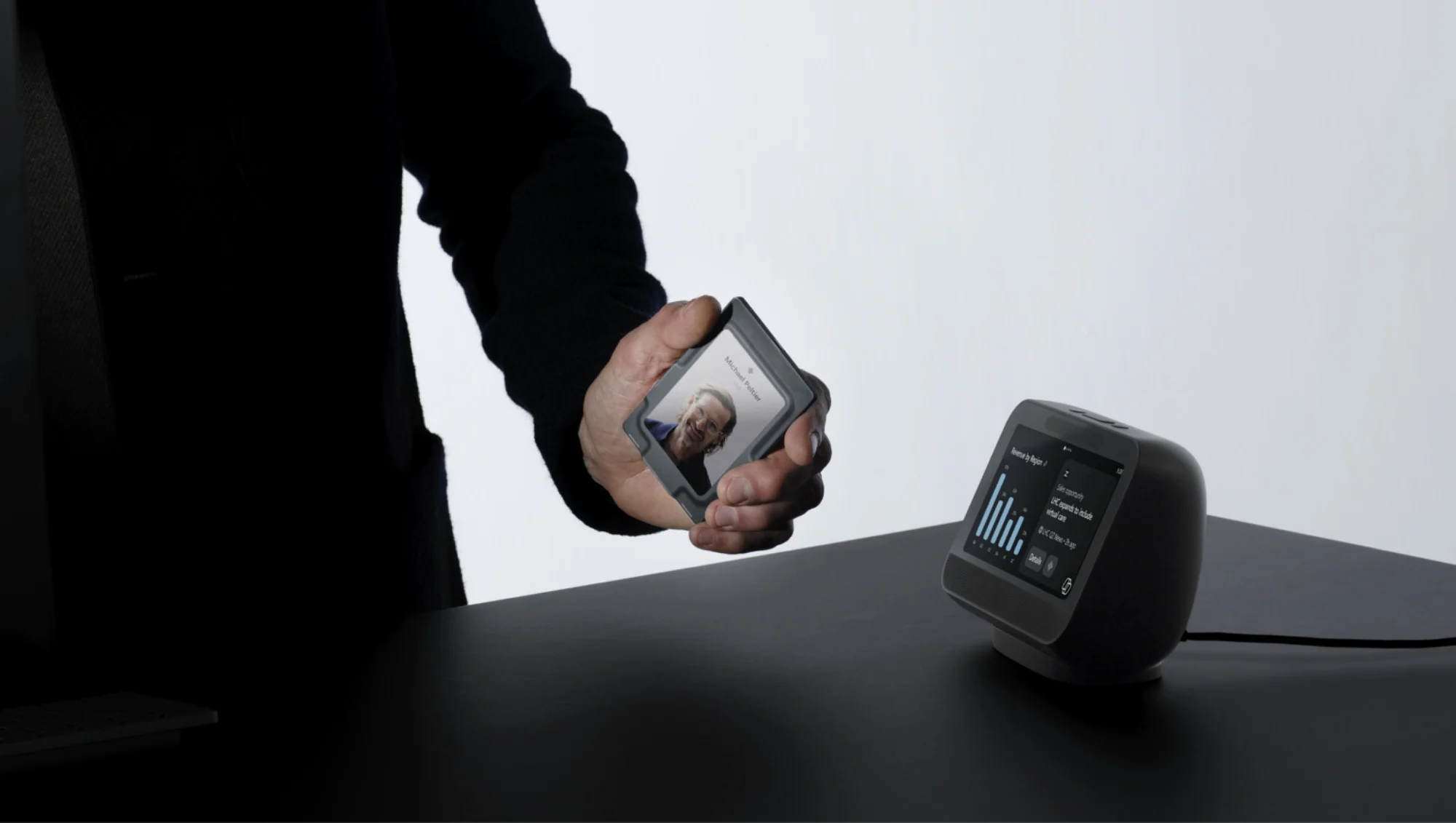
Aside from that, the platform will not rely on a single dominant agent. So, the user can manually decide which agent they wish to use. Furthermore, the company hopes to introduce specialised agents like agent dispatchers and agent task managers. These tools will automatically activate or surface agents on the user’s behalf.
It is worth noting that Project Solara is built on Android, rather than Windows. To be more specific, it uses Microsoft Device Ecosystem Platform (MDEP), an enterprise-grade operating system. This does say a lot about the company’s vision for the “new era of agent-first devices”. In fact, the two concept devices showcased alongside Project Solara seem to be created for professional settings.
For these reference designs, Microsoft partnered with Qualcomm and MediaTek. That said, they may not become proper products, as they currently serve to test the capabilities of the operating system. At the moment, it seems that the company is not looking to create its own Project Solara devices, leaving that part to OEMs and other product makers.
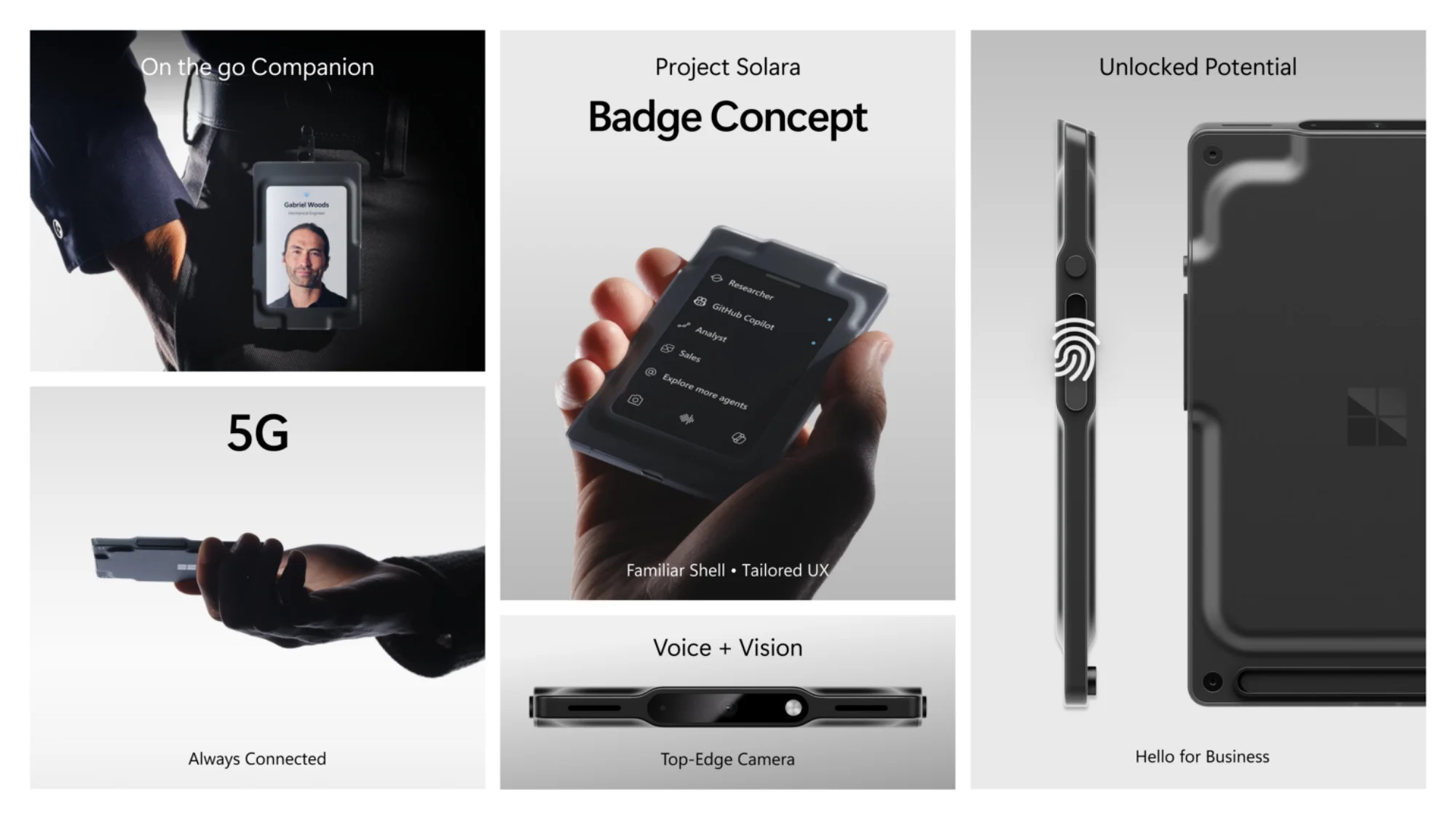
Between the two designs, the “Badge Concept” is closer to the traditional smartphone. The device is portable and comes with WiFi, Bluetooth, and 5G connectivity. Beyond that, it features a touchscreen and a camera for input. Of course, it also packs a microphone and speaker, as well as a fingerprint sensor button with Hello for Business. Despite these phone-like features, Microsoft is pitching the device as a smart access badge for nurses and other front-line workers.
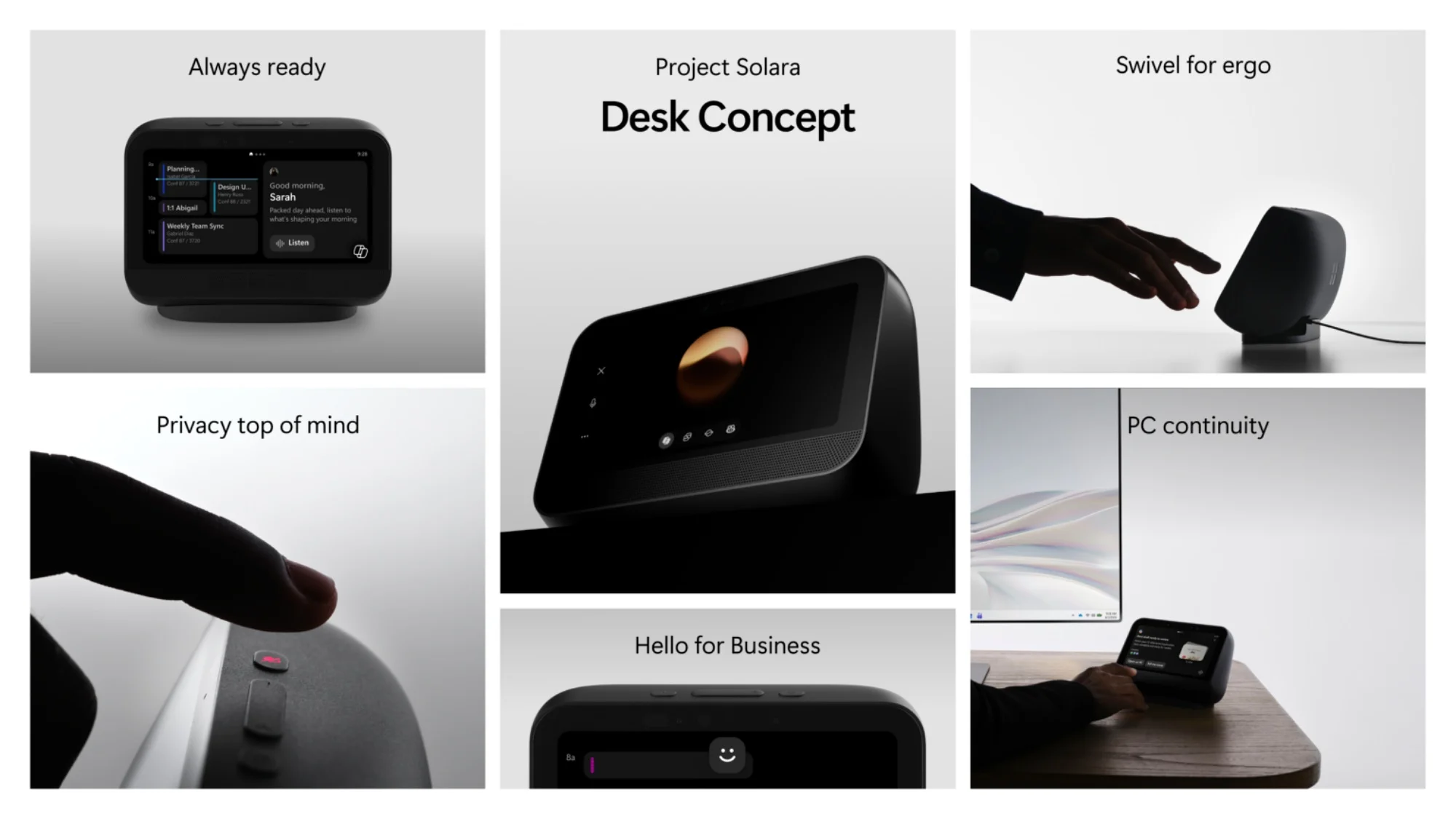
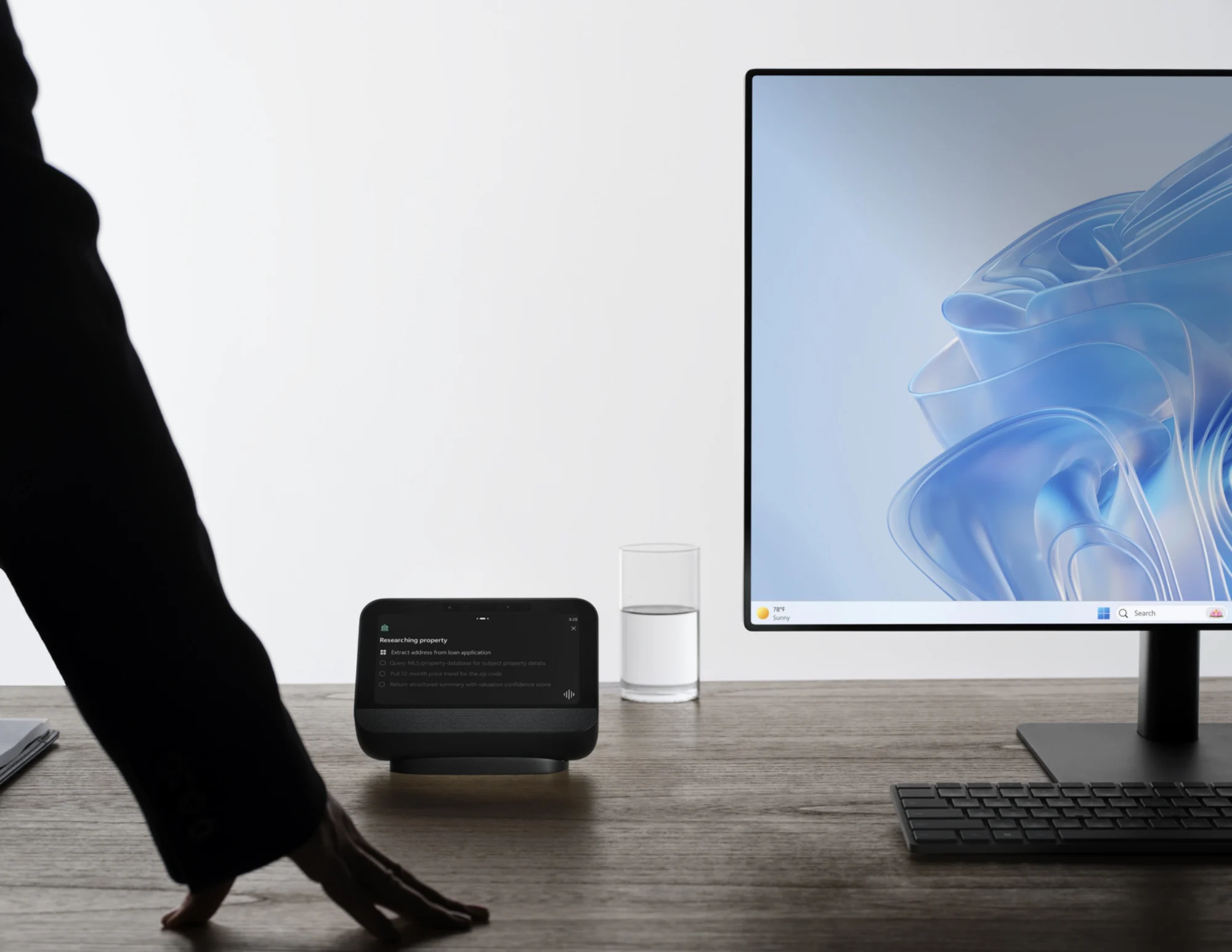
Meanwhile, the “Desk Concept” is more of a smart display with WiFi and Bluetooth connectivity. In terms of functionality, it can show information stored in Microsoft 365, including upcoming events and Excel data. Other than that, it can connect to an external display or other peripherals.

With all this in mind, though, it’s hard to say whether AI-first devices are the future. So far, past products have failed to catch on. In any case, it seems Microsoft believes that Project Solara is the key to making it all work.
(Source: Microsoft)
