
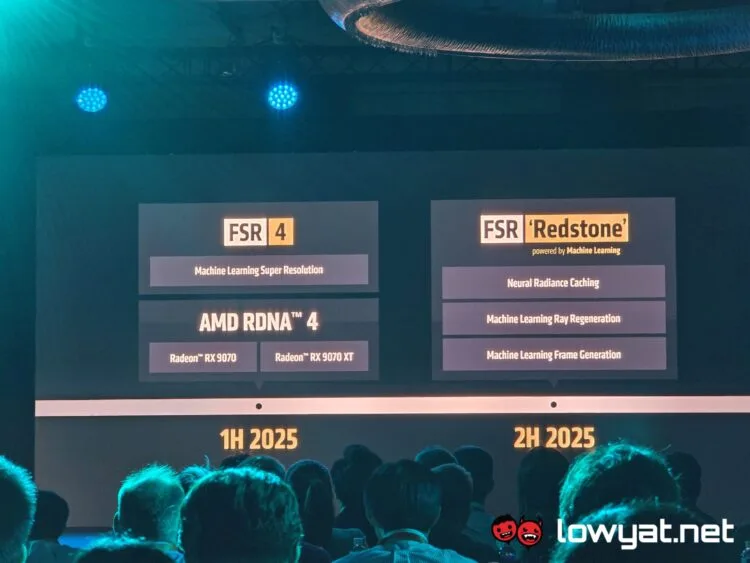
AMD has announced that it is officially bringing support for FSR4.1 to RDNA3 GPUs this year and more specifically, by July. Simply put, owners of AMD’s Radeon RX 7000 Series cards will soon be able to utilise the red CPU and GPU brand’s upscaling technology.
“This July, RDNA 3 players will experience FSR Upscaling 4.1, delivering sharper visuals and smoother gameplay than ever before. I’m grateful to our fans. Your enthusiasm and ideas inspire us to keep pushing gaming forward. FSR Upscaling 4.1 on RDNA 3 will be ready out of the box for Radeon 7000 Series players in over 300 supported games at launch.” Jack Huynh, SVP and GM, Computing & Graphics, AMD, said via his post on X.
AMD isn’t just stopping at RDNA3. In the same post, Huynh also said that FSR4.1 will also be heading to the older RDNA2 GPUs by early 2027. “For our RDNA 2 players, we have something exciting coming in early 2027. FSR Upscaling 4.1 will be coming to your cards as well, bringing sharper visuals and smoother gameplay to even more gamers.”
FSR4.1’s main upscaler, FSR4 was first announced at Computex 2025 and released in September of that year. The AI upscaler is a precursor to AMD’s upcoming FSR Redstone, which is currently only available with Radeon RX 9000 Series GPUs, or more specifically, RDNA4 GPUs.
Getting back on point, FSR 4.1 is the intergenerational update to FSR4, with the main improvements being sharper visuals and the near-complete elimination of smearing and blurring when in motion.
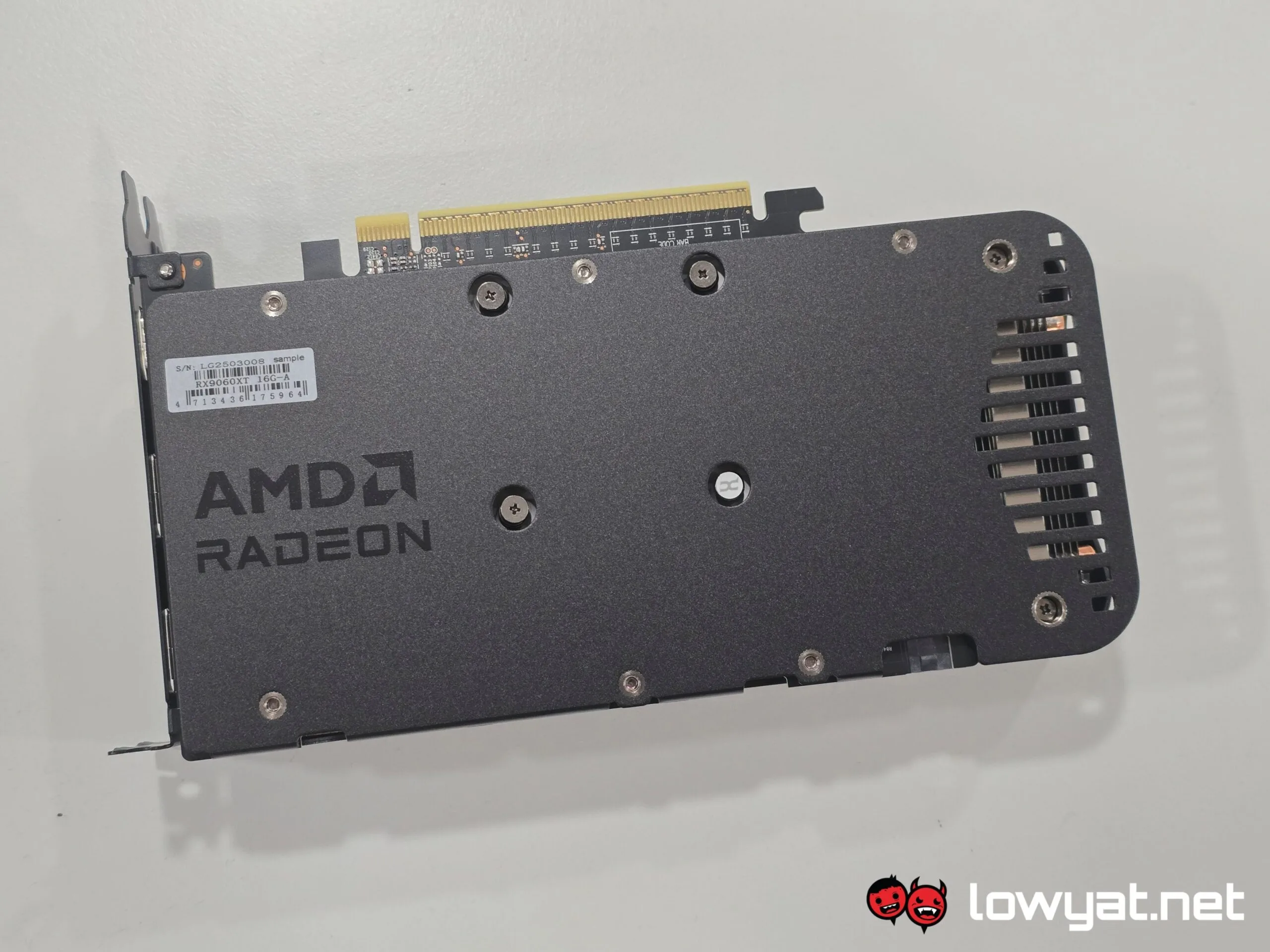
It is also very obvious that AMD’s decision to bring FSR4.1 support to older GPUs is a response to community outcry, many of whom have been begging the company for it. One reason the GPU maker has been quite reluctant to do so is actually due to hardware, or lack thereof, in the RDNA3 architecture. RDNA4 GPUs feature FP8 and INT8 processing units, while RDNA3 only had the latter, making things a little more difficult.
The fact that FSR4.1 is coming to RDNA2 GPUs is equally exciting news, especially for those who own the Steam Deck. Since the handheld console is based on a custom APU made around the GPU architecture, there is no doubt that the gaming experience would be more pleasant, if and when Valve – the game developers too – choose to bake it into SteamOS.
(Source: Jack Huynh via X)
