

It seems that some changes will be made to the existing fuel subsidies, particularly for high-earning Malaysians. According to Prime Minister Datuk Seri Anwar Ibrahim, the government is currently looking into a proposal for more comprehensive targeted fuel subsidies. This proposal concerns the rationalisation of RON95 subsidies for high income groups and is expected to be finalised soon.
Anwar explained that a paper on this matter was prepared by the National Economic Action Council’s (MTEN) crisis management task force, which is led by Tan Sri Hassan Marican. This proposal was tabled a month ago and has since been reviewed and studied over the past three weeks.
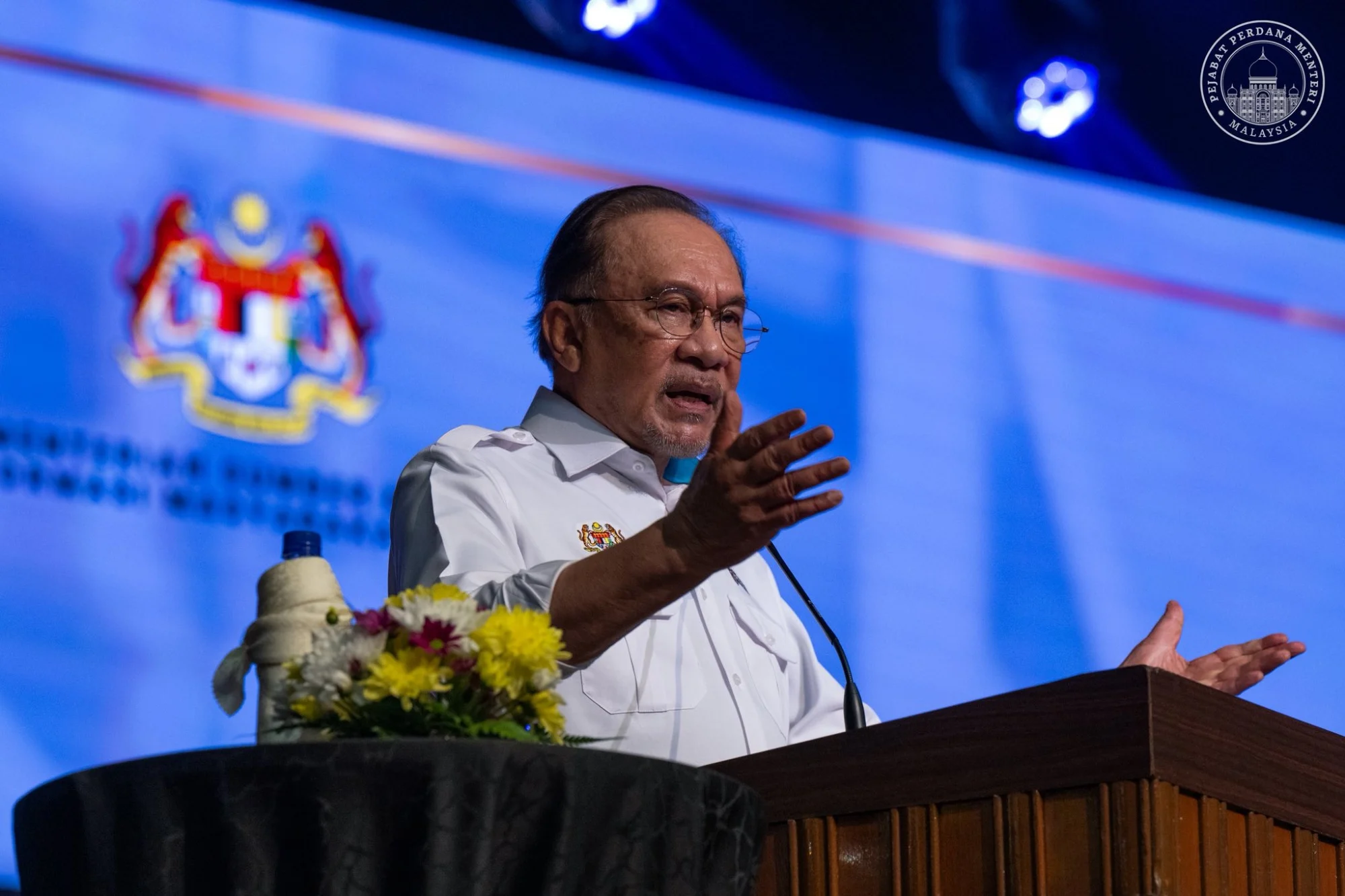
However, at the moment it is unclear which income groups will be affected. The Prime Minister stated that the government has yet to determine whether the changes will apply to the T20, T15, T10 or T5. Basically, the government is aiming for a threshold that will not burden the upper-middle income group.
“In principle, we agree, but we want to ensure it does not affect the upper-middle class,” Anwar said. “They are working on it, and I hope it will be finalised soon.”
Back in September, the government introduced the BUDI95 programme, which allows Malaysians to purchase RON95 petrol at a subsidised price of RM1.99 per litre. At its inception, eligible users could purchase up to 300 litres of fuel through this programme.
However, the quota was reduced to 200 litres in April due to the ongoing Middle East conflicts. This adjustment was conceived as a temporary measure to manage the increasing subsidy costs due to rising global oil prices.

Excluding the T20 group could be a way to further mitigate the effects of global supply uncertainties. Meanwhile, the B40 and M40 groups are more affected by the rising costs of living. Umno Youth chief Datuk Dr Muhamad Akmal Saleh previously argued that subsidies should be better targeted at these groups.
Furthermore, the Prime Minister is expected to announce a plan to ensure oil supply continuity sometime later this month. In the past, the government revealed that the current domestic oil supply will last until June.
(Source: The Star)
