

Intel’s Robert Hallock argues that there is one key factor that would make his employer’s hybrid CPU design really good: software optimisation. No, really. That’s currently all he’s asking for from game developers and studios.
In an interview with German tech portal PC Games Hardware, Hallock said that the difference between a game that has optimised its software and a game that hasn’t is about 30%. Hardware-based performance improvements, he says, fall short, and without software optimisation, the full potential of its new CPUs is underutilised.

“…And that performance is, yes, you can make the game faster with a faster piece of hardware, but there’s always going to be 10, 20, 30% performance hidden behind the fact that that game was just not optimised for your CPU.”
“I truly believe, and this might get me in trouble, but I truly believe that the general PC gaming market and especially enthusiasts, like really hardcore PC enthusiasts, are significantly underestimating the importance of software to the PC experience, like really, really seriously.”
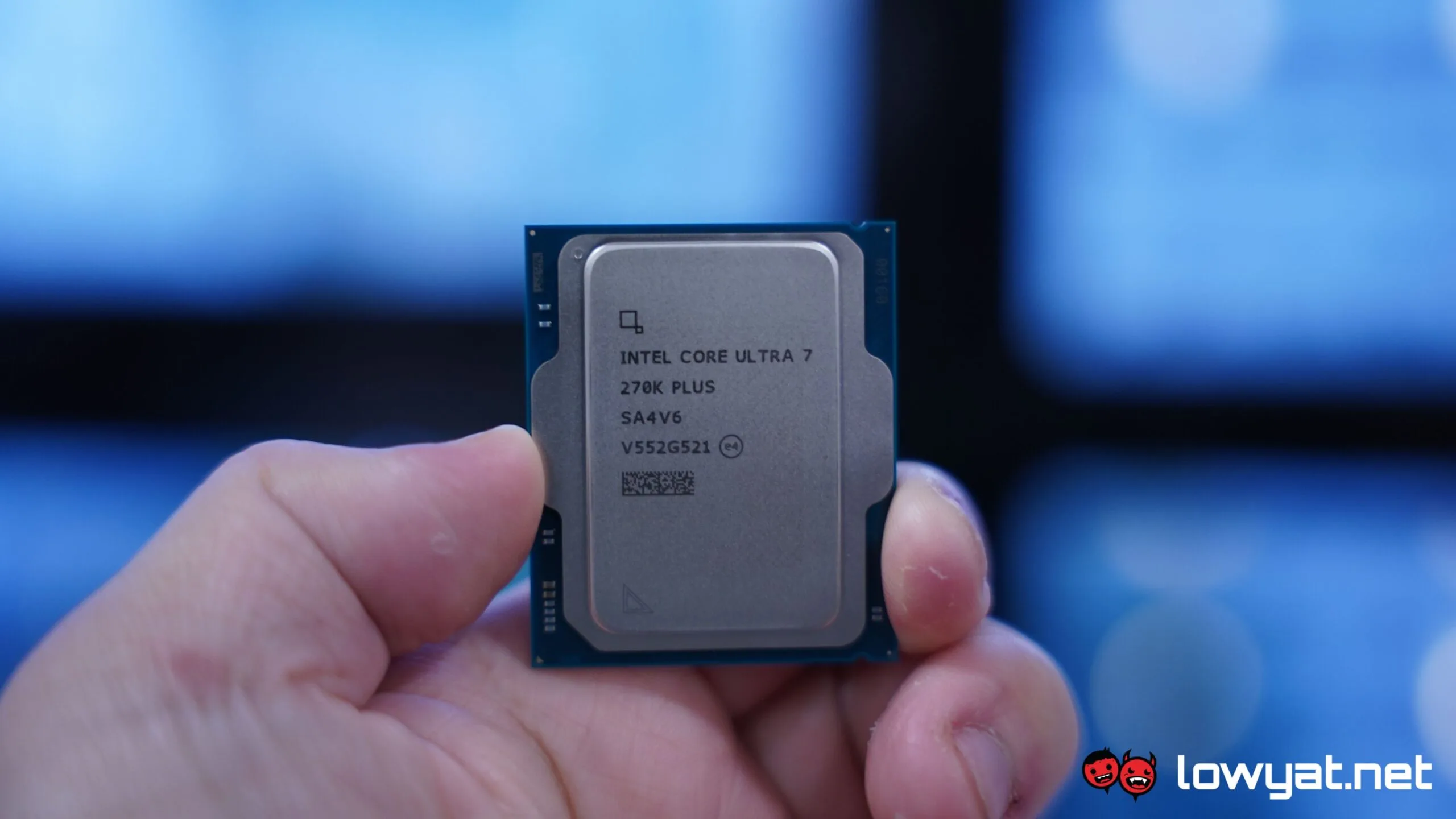
Hallock’s comments come after a string of comments from the community that some users who use Intel’s hybrid CPU design would still disable the onboard E-Core, in order to boost performance. Hallock says that that is no longer the case, and the difference between having P-Cores only and letting the E-Cores run in tandem with current CPUs can be much smaller than users can expect.
Software optimisation or not, there is no denying that pure hardware performance is crucial and still a driving factor as to why folks are choosing CPUs like AMD’s Ryzen X3D processors. That said, Intel is preparing a response to its red rival: Nova Lake is set to debut next year, with the lineup expected to introduce a new big last-level cache (bLLC), which is essentially the blue chipmaker’s own answer to AMD’s 3D V-Cache.
(Source: Videocardz, PC Games Hardware)
