

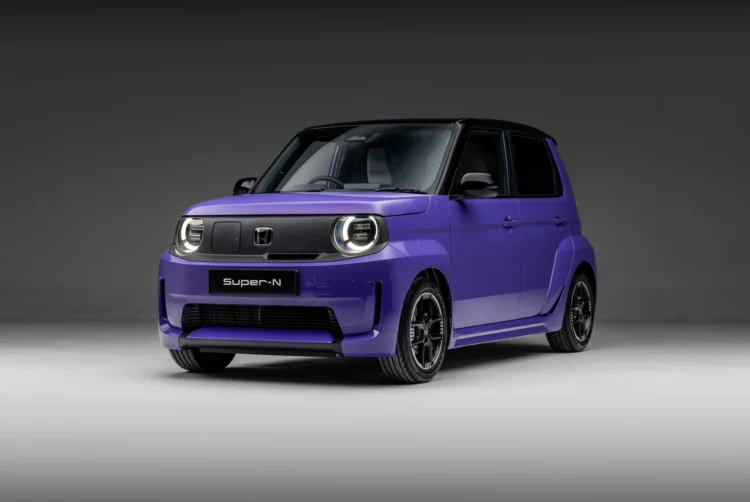
Honda has finally revealed the remaining details of the Honda Super-One, its upcoming compact EV that builds upon the N-One e model. These include its under-the-hood specifications, along with other information that was previously withheld from the last announcement.
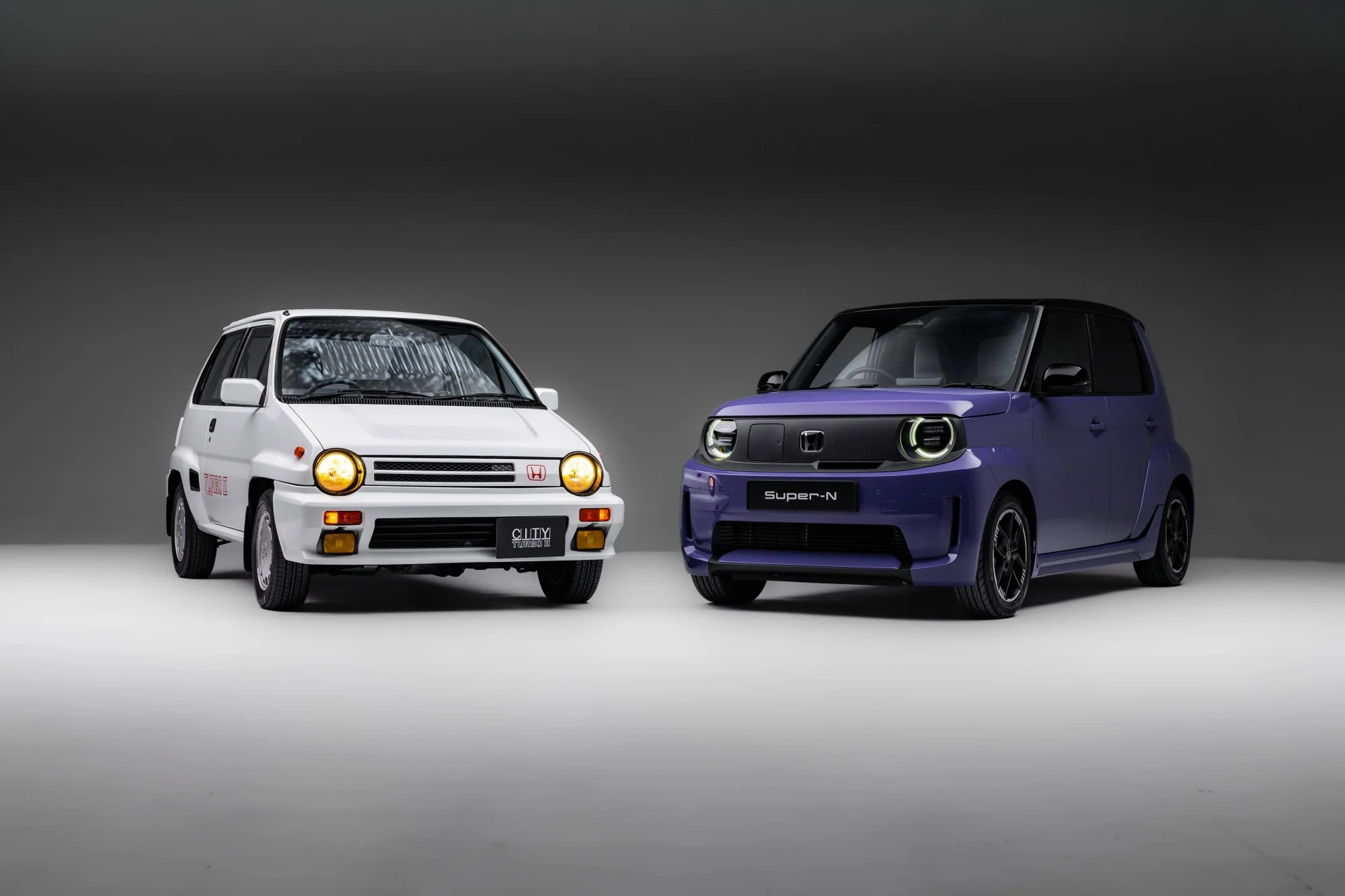
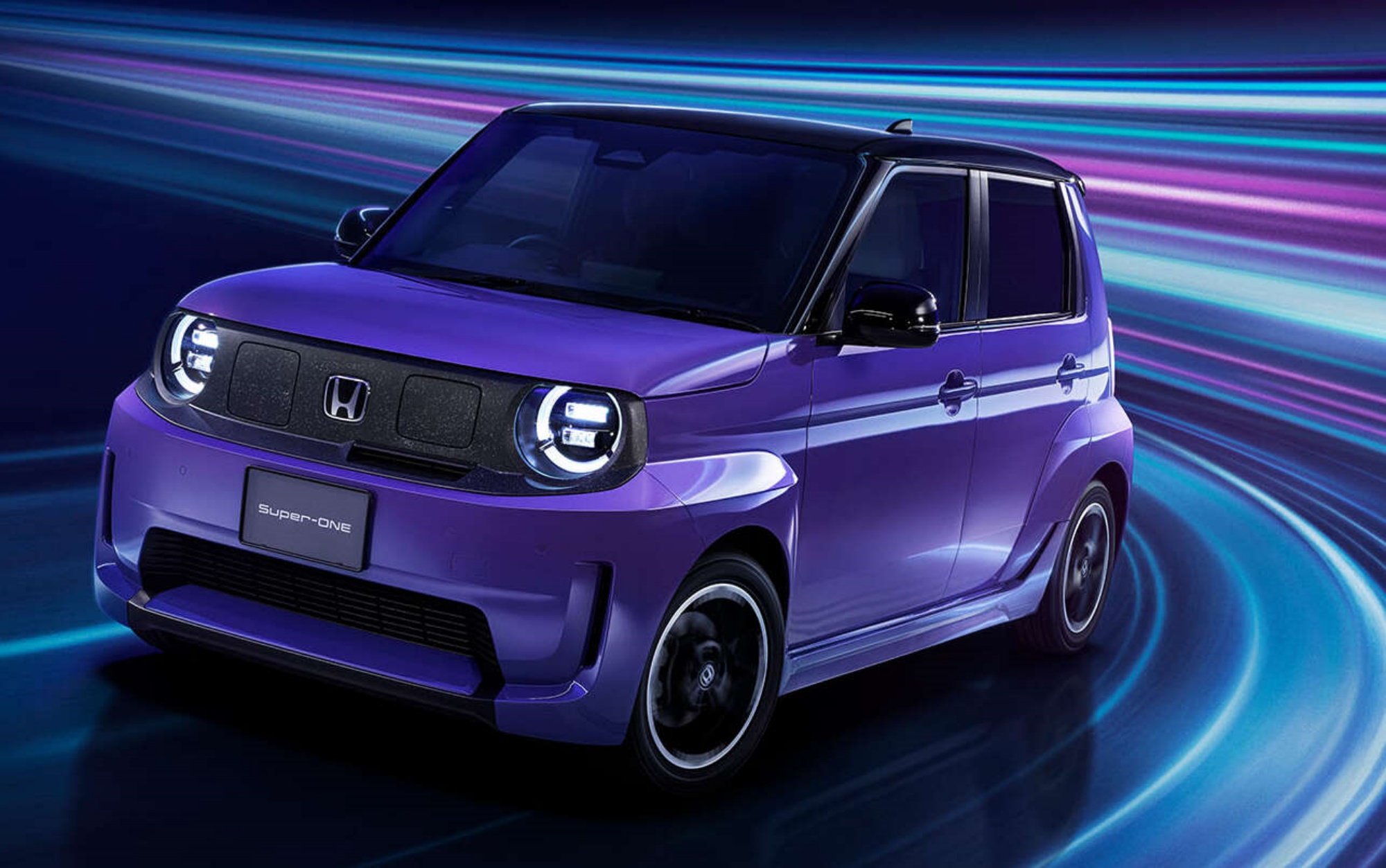
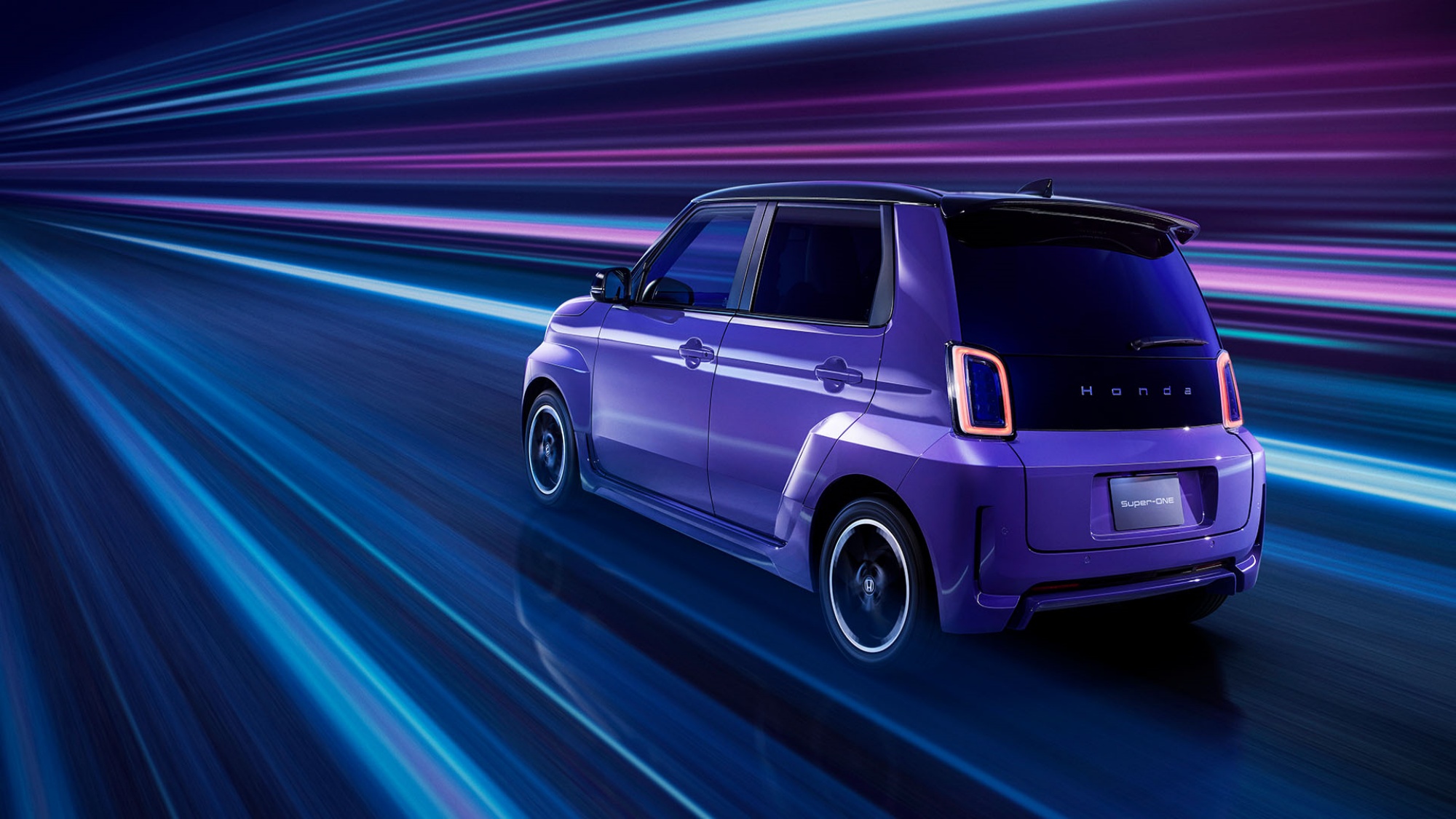
The Japanese automaker leans heavily into heritage with the Super-One, positioning it as a modern interpretation of the 1983 Honda City Turbo II. As mentioned above, the design builds on the upright proportions of the N-One e, but adds boxy, flared fenders that give it a wider, more planted stance.
Exterior
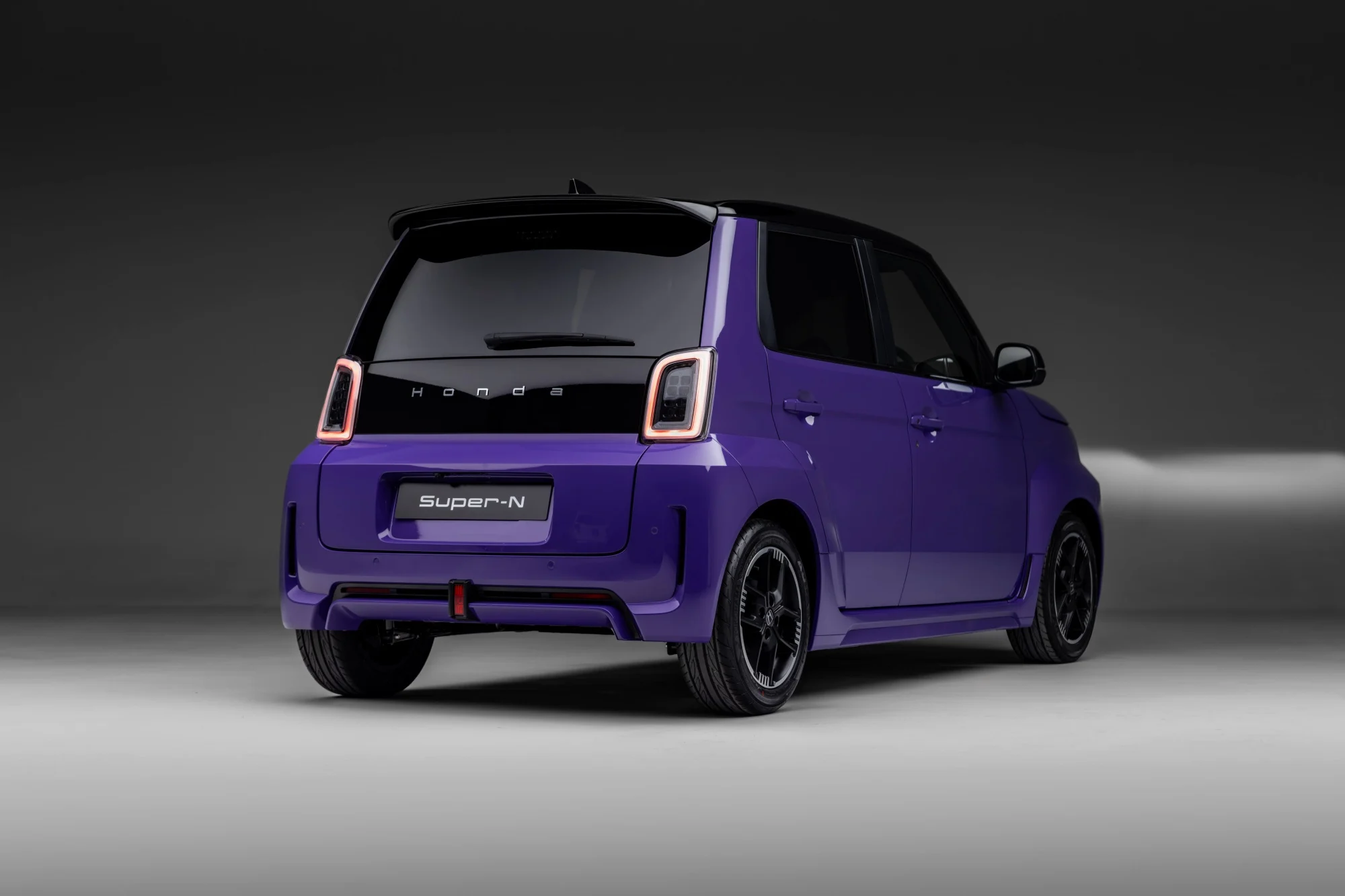
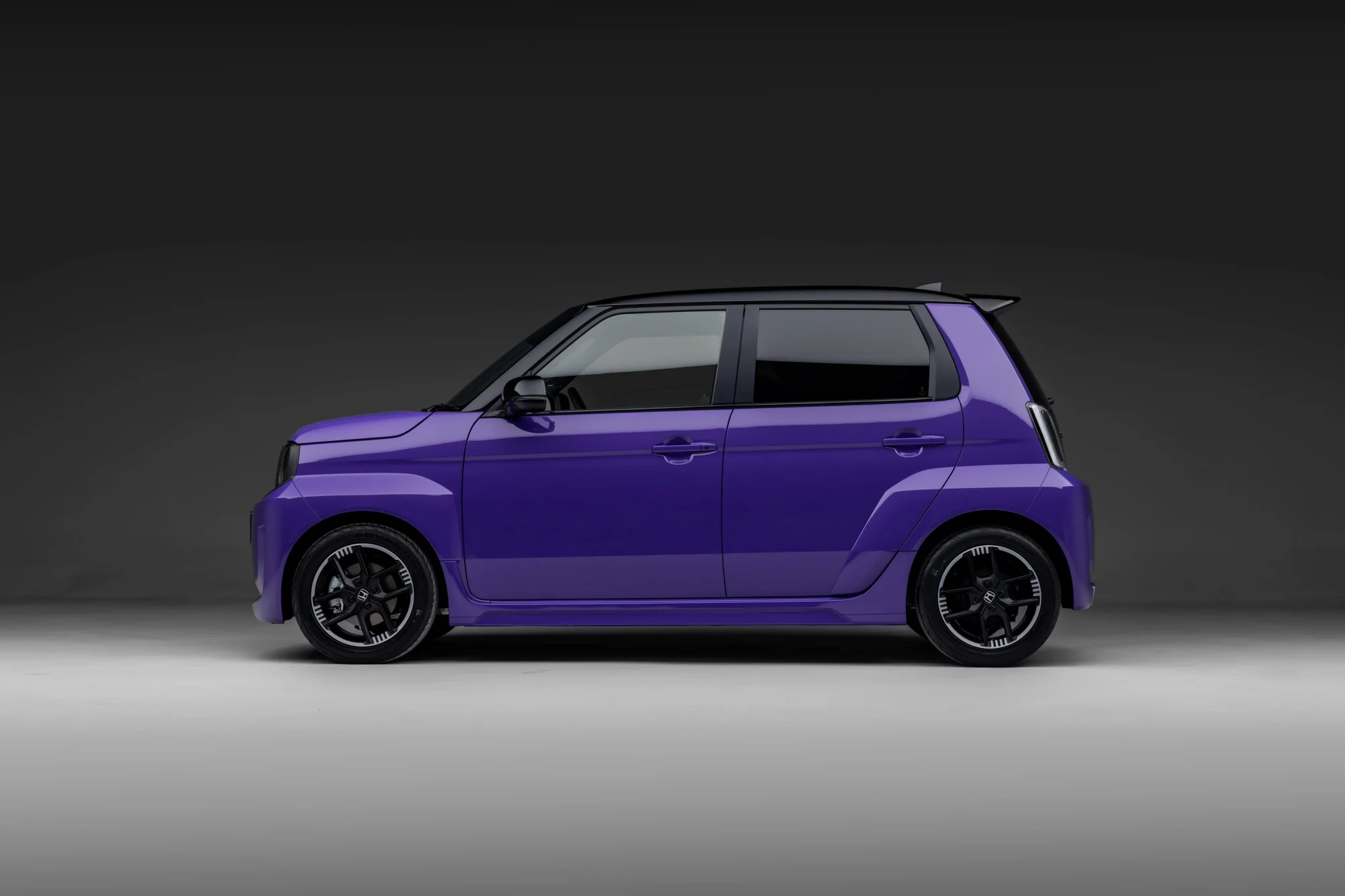
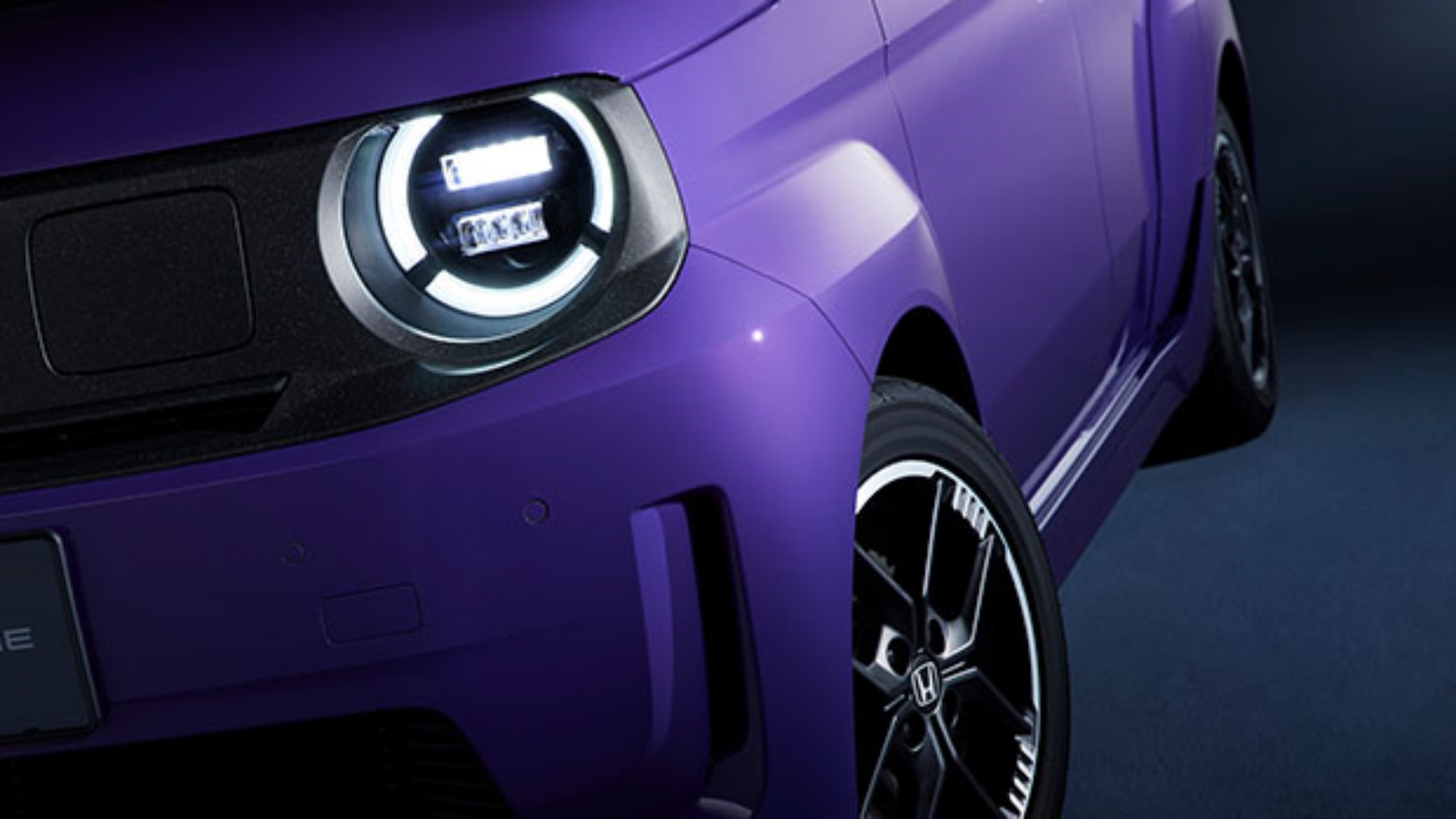
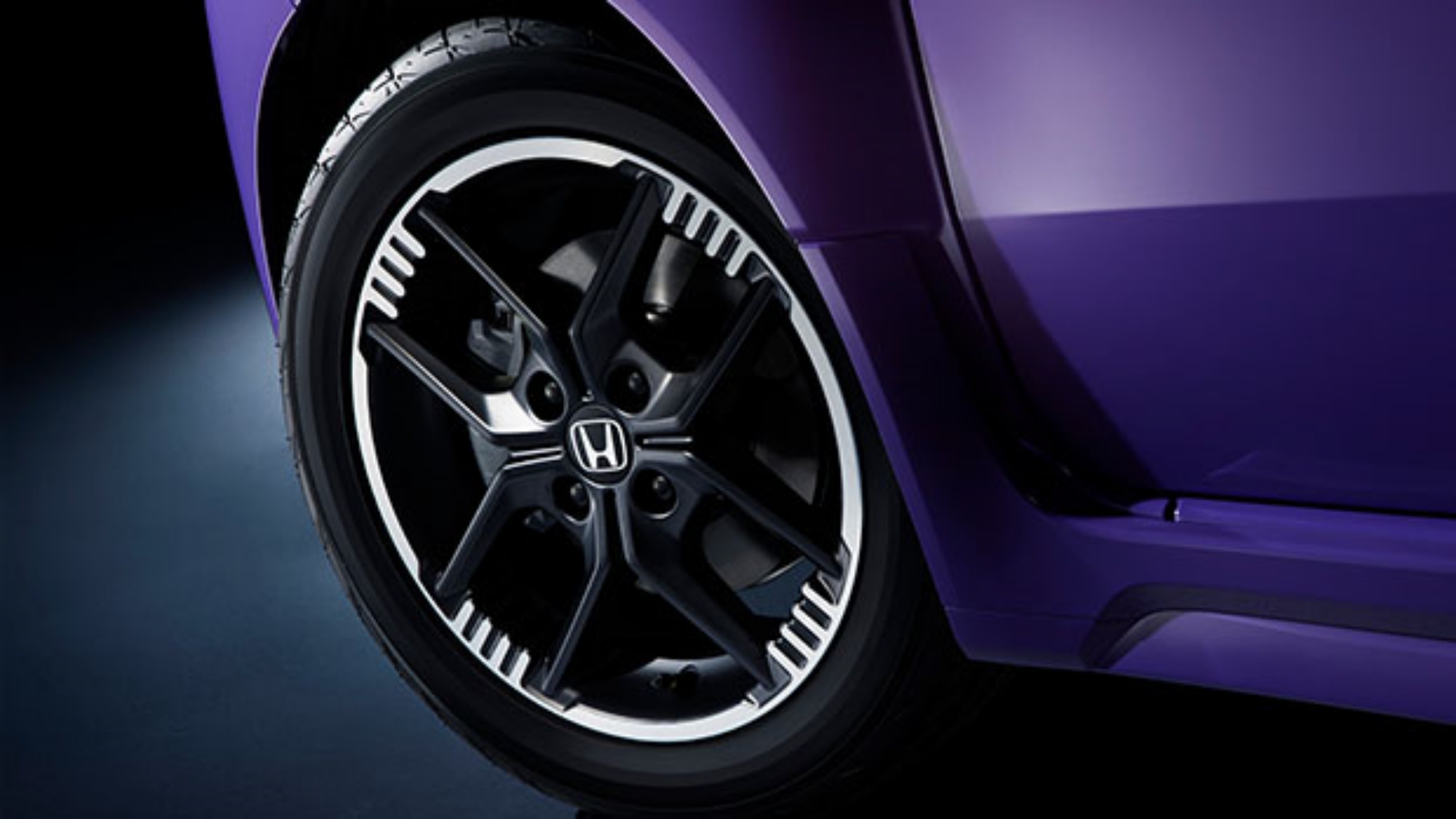
The exterior of the Honda Super-One features air ducts at the bumper corners to help channel airflow around the wheels, while rear outlets reduce lift by minimising the so-called parachute effect. Additional design highlights include Berlina Black 15-inch alloys with machined accents and a finned motif on both the wheels and front intake.
Honda reveals that global models adopt a CCS2 charging port located on the driver’s side, replacing the dual-port setup seen on the Japanese version. Buyers will have a choice of five colours, including a standout Boost Violet Pearl inspired by the rare atmospheric phenomenon known as blue jets.
Interior
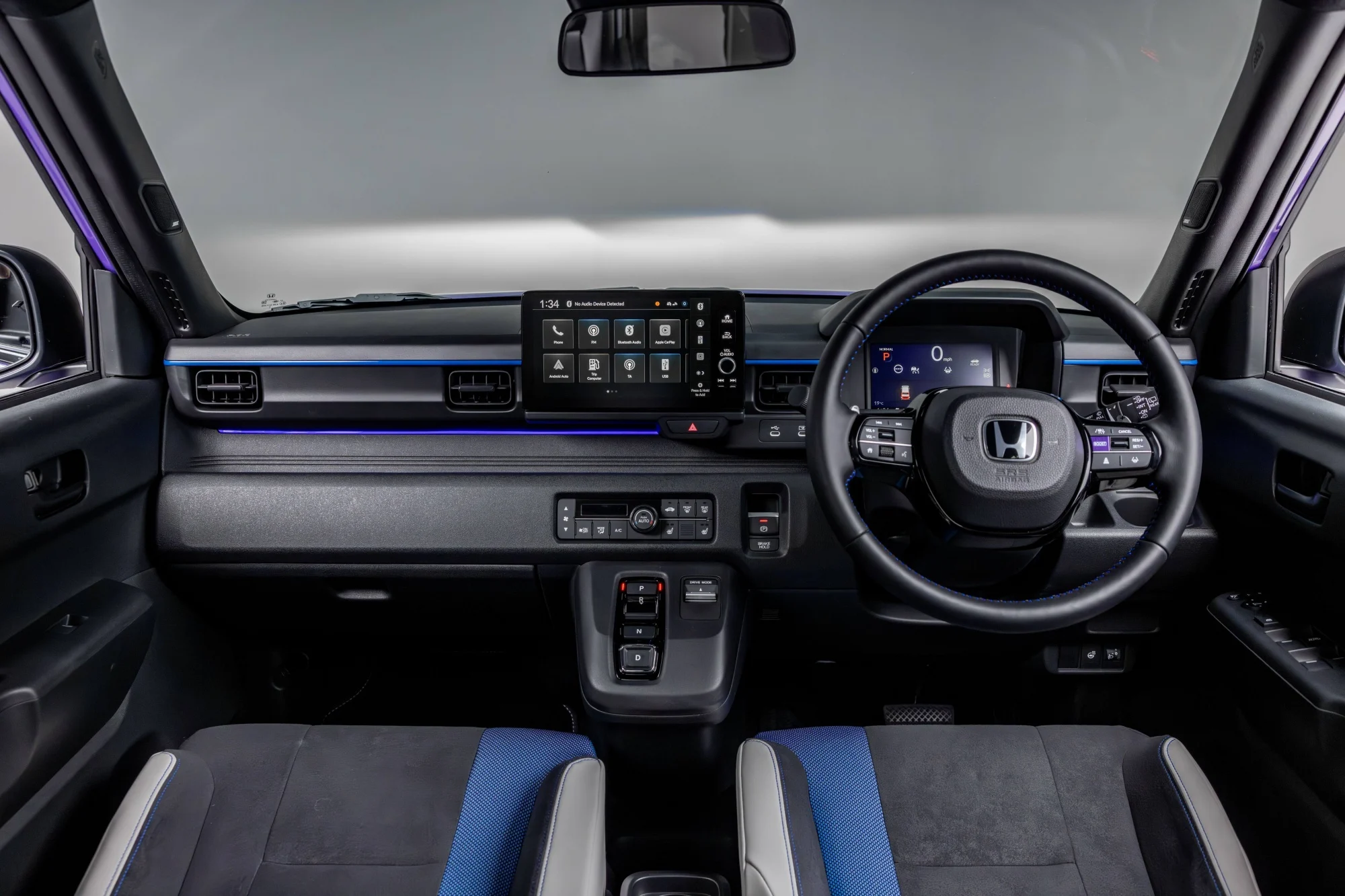
Inside, the Super-One largely mirrors the N-One, but introduces sportier details. Black and white seats feature an asymmetric blue stripe as a nod to its retro inspiration, while the cabin is equipped with a nine-inch infotainment system supporting Apple CarPlay and Android Auto.
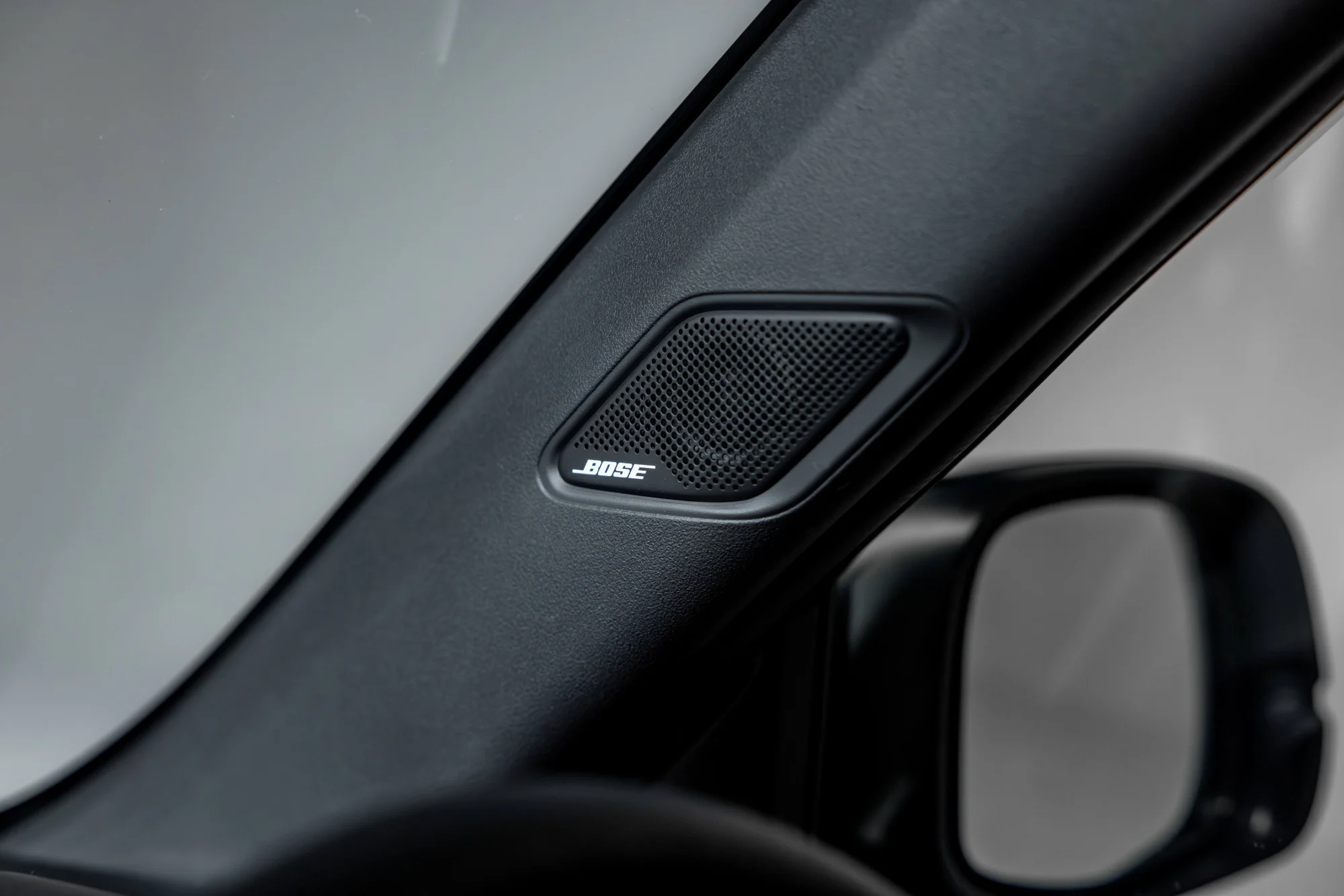
A seven-inch instrument display adds a unique three-gauge layout, showing battery temperature, power output, and simulated “revs” when Boost Mode is active. Activating the feature also changes the ambient lighting from blue to purple, reinforcing its performance theme. Honda also includes an eight-speaker Bose sound system as standard, complete with a 13.1-litre subwoofer mounted beneath the boot floor.
Lightweight Body
One area where Honda has invested more effort is chassis tuning. The Super-One benefits from suspension adjustments developed through testing in both Japan and the UK, aimed at improving ride and handling on varied road conditions.
Its relatively low kerb weight of 1,090 kg also plays a role here, contributing to agility and efficiency. The modest mass stems largely from its compact battery, which remains one of the trade-offs of the package.
Performance, Range And Battery
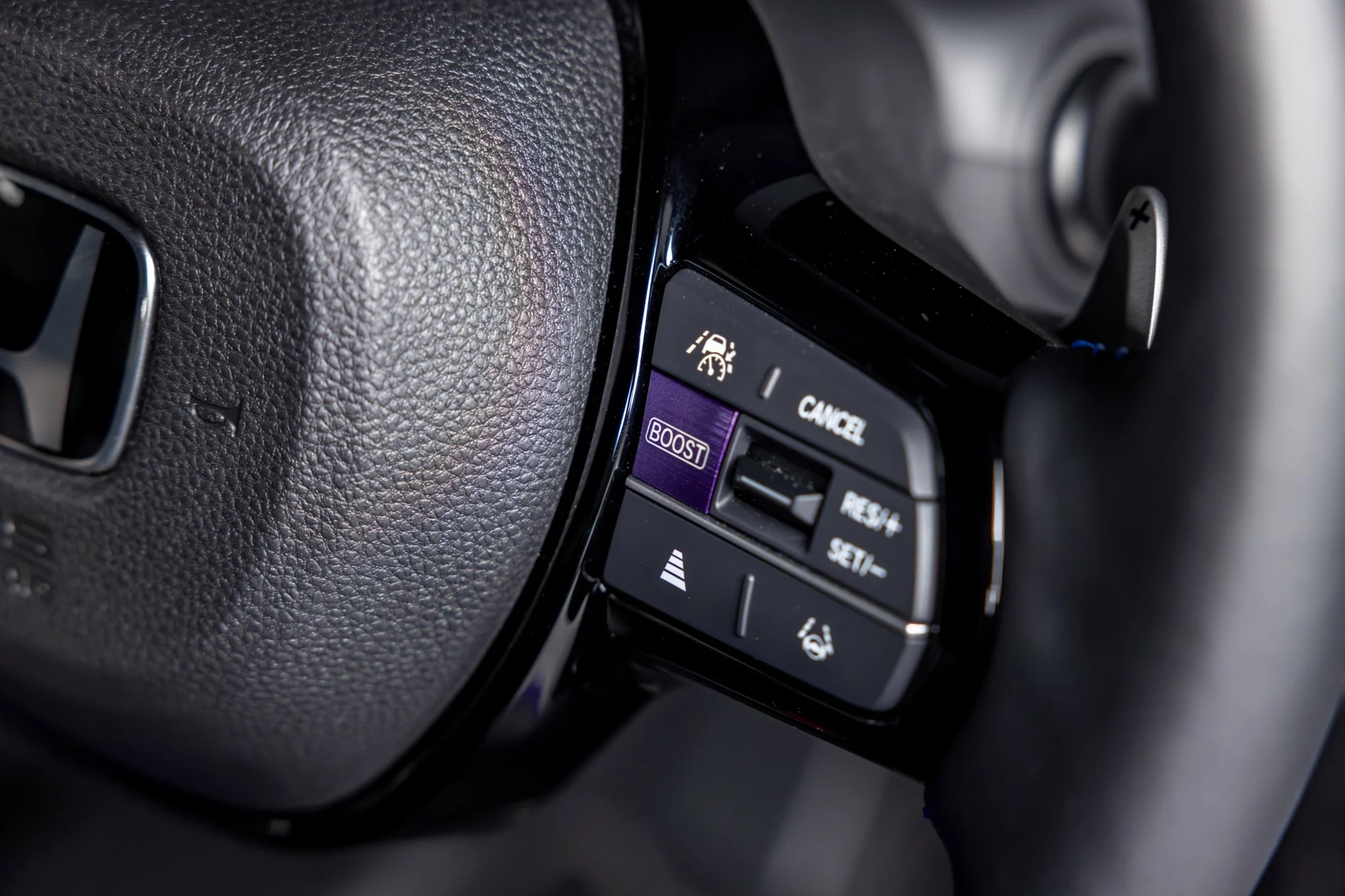
Despite its sportier positioning, the Super-One does not deliver additional performance in normal driving, retaining the same 64 PS (47 kW) and 162 Nm figures as the N-One e:. Things get more interesting with the introduction of a Boost Mode. Activated via a dedicated button on the steering wheel, this function unlocks the car’s full 95 PS (70 kW) output, offering a short burst of extra performance when needed.
Boost Mode also enables paddle shifters that simulate a seven-speed gearbox, adding a layer of driver engagement that is uncommon for a compact EV. However, this added performance comes at a cost, as increased power draw inevitably impacts driving range.
Speaking of range, the automaker says the Super-One achieves 275 km under Japan’s more lenient testing cycle. Meanwhile, charging capabilities are expected to carry over from the N-One, with support for up to 50 kW DC fast charging, enabling a 20 to 80% top-up in roughly 30 minutes. AC charging, on the other hand, should accept up to 6 kW.

Launching In Japan First
Honda will open pre-orders for the Super-One in Japan starting 16 April 2026, with a UK launch scheduled for July under the name Super-N. Closer to home, the model has already made an appearance in Malaysia, with a prototype spotted on local roads back in November. However, this may not necessarily guarantee a local launch, at least until Honda Malaysia confirms it in the near future.
