

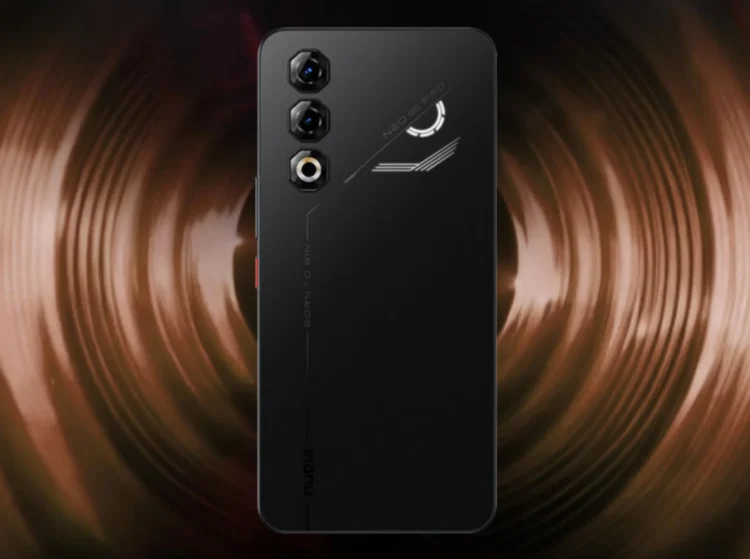
Nubia has officially introduced the Neo 5 Pro in the Philippines, the latest addition to its current-gen Neo series. Being a gaming-centric mid-range handset, it places emphasis on touch responsiveness, audio quality and thermal management, aiming to deliver a more consistent experience during extended gameplay sessions.
The Neo 5 Pro features a 6.8-inch OLED display with a 1.5K resolution and a 144Hz refresh rate. Nubia equips the phone with Magic Touch 3.0 to improve screen responsiveness, and there’s an under-display fingerprint sensor as well. Meanwhile, the inclusion of shoulder triggers adds a layer of physical control, a Z-axis linear motor further enhances haptic feedback, while additional sensors such as a gyroscope and accelerometer to support motion-based inputs.
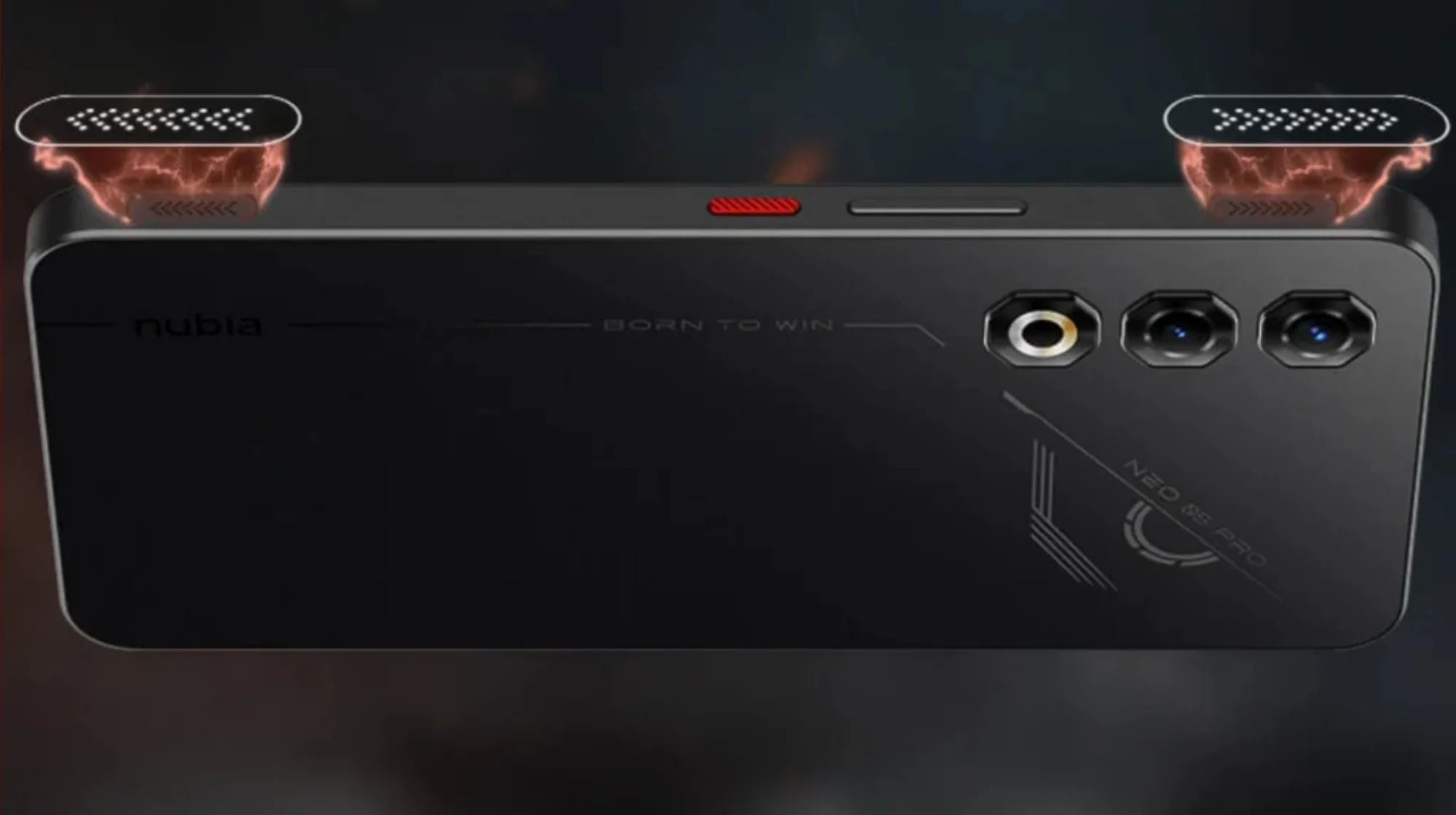
To sustain performance, Nubia integrates a 4083mm² vapour chamber cooling system. This setup aims to keep temperatures in check during prolonged sessions, reducing the likelihood of thermal throttling. Audio is handled by stereo dual speakers with DTS:X Ultra support, contributing to a more immersive gaming and media experience.
Under the hood, the phone runs on MyOS 16 based on Android 16 and is powered by the MediaTek Dimensity 7400 chipset. Nubia pairs the processor with up to 12GB of RAM and 256GB of storage. The Neo 5 Pro packs a 6,210mAh battery with support for 80W fast charging, allowing users to get back into games with less downtime. Connectivity options include 5G, Wi-Fi 6, Bluetooth and NFC.
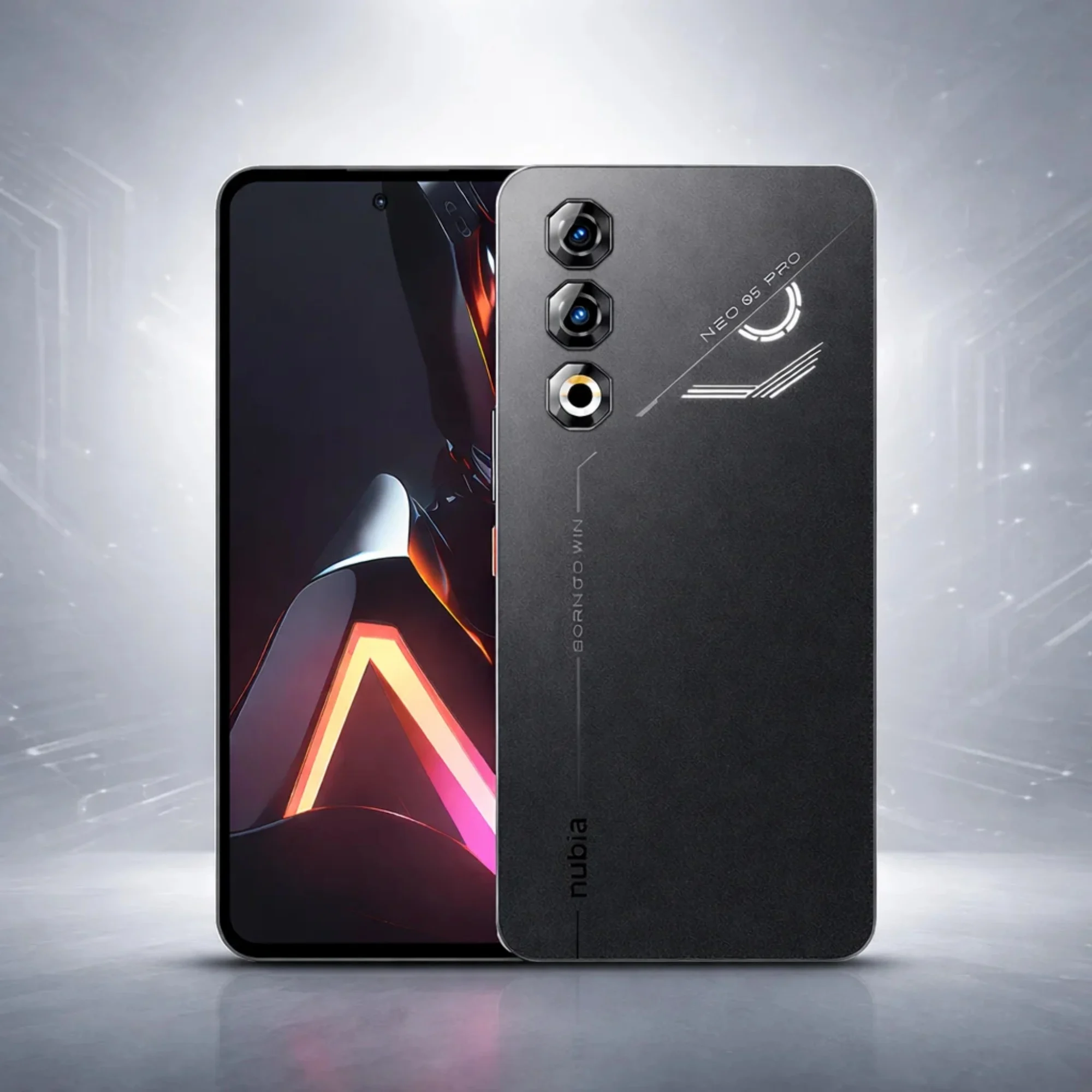
On the camera side, the Neo 5 Pro comes with a 50MP main sensor and a 2MP secondary camera. For selfies and video calls, it features a 16MP front-facing camera, which rounds out a relatively standard imaging setup for its segment.
In the Philippines, the Nubia Neo 5 Pro is priced at PHP14,999 (~RM1,090) for the 12GB+128GB variant and PHP17,999 (~RM1,200) for the 12GB+256GB model. It is available in black and white colour options. At the time of writing, there is no confirmation of a Malaysian release, although the GT variant has previously appeared in SIRIM’s database.
(Source: Gizmochina)
