

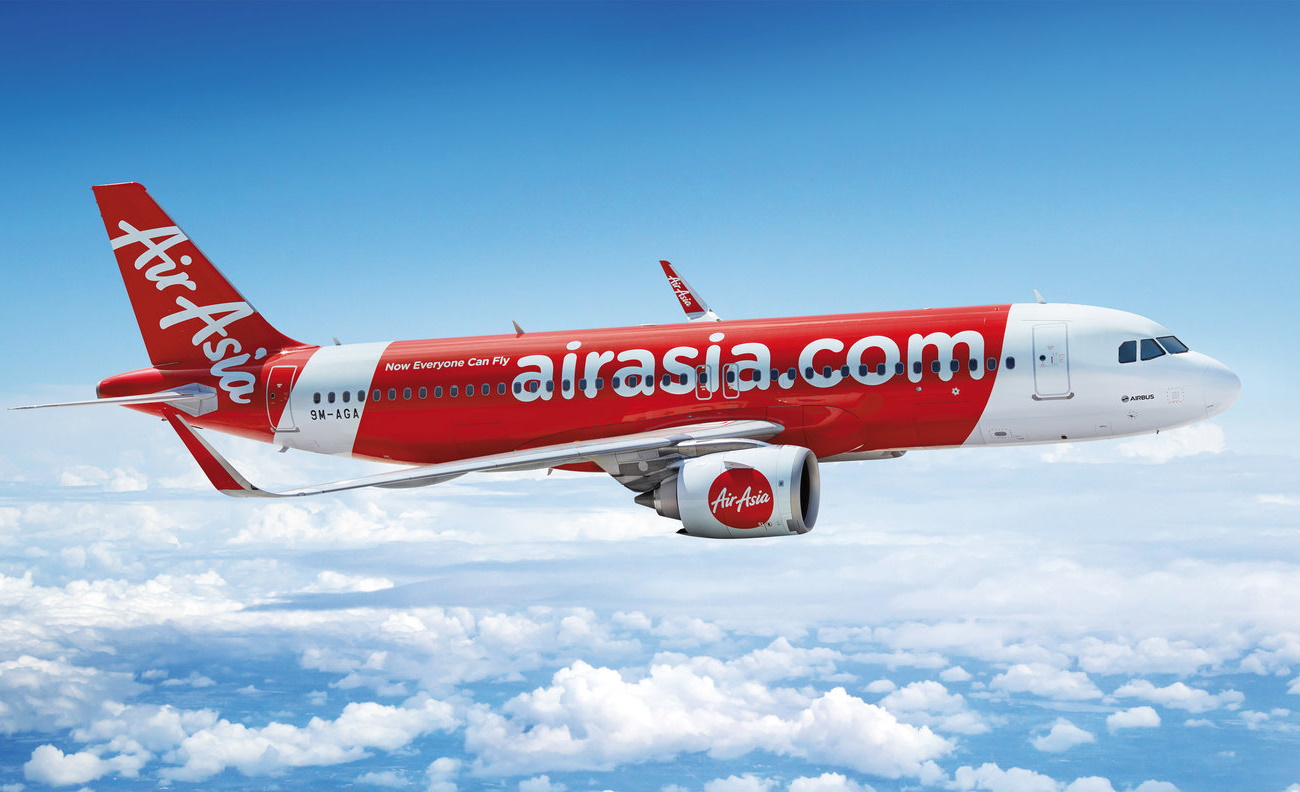
Capital A CEO Tony Fernandes has indicated that AirAsia may implement modest fare increases following the ongoing conflict in West Asia, as rising crude oil prices begin to impact operating costs. However, he stressed that the low-cost carrier intends to keep ticket prices as affordable as possible.
Speaking at a press conference, Fernandes acknowledged that higher fuel prices will inevitably lead to some fare adjustments, but maintained that AirAsia’s increases would remain more restrained compared to competitors. He added that AirAsia is working to manage costs carefully while maintaining service levels.
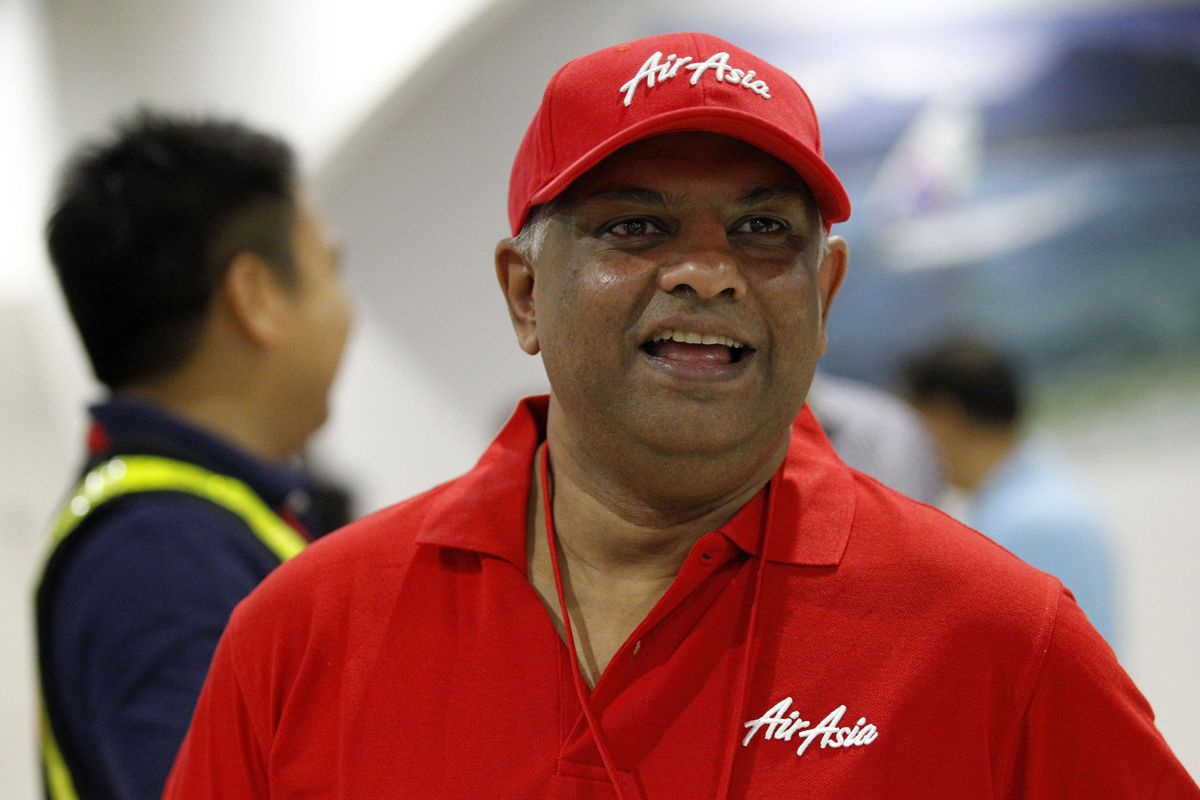
According to Bernama, Fernandes also pointed out that reduced flight capacity from Gulf carriers has helped offset some of the pressure. Airlines such as Emirates, Etihad Airways, and Qatar Airways have reportedly cut seat capacity by around 15% to 20%, creating opportunities for other regional players.
He said this shift could position ASEAN countries as alternative aviation hubs, as demand remains robust despite the geopolitical tensions. At the same time, Fernandes emphasised that airlines should not bear the burden of rising costs alone. He also called for cooperation across the aviation ecosystem, including fuel suppliers, airports, and other stakeholders, to help manage the impact.
“The burden cannot be shared by the aviation industry alone. Fuel companies must also play their part. Airports have to play a part. Other supply chains have to play a part,” he said. According to The Edge, Fernandes noted that the group is in discussions with Petronas and airport operators on the matter, but did not elaborate further.
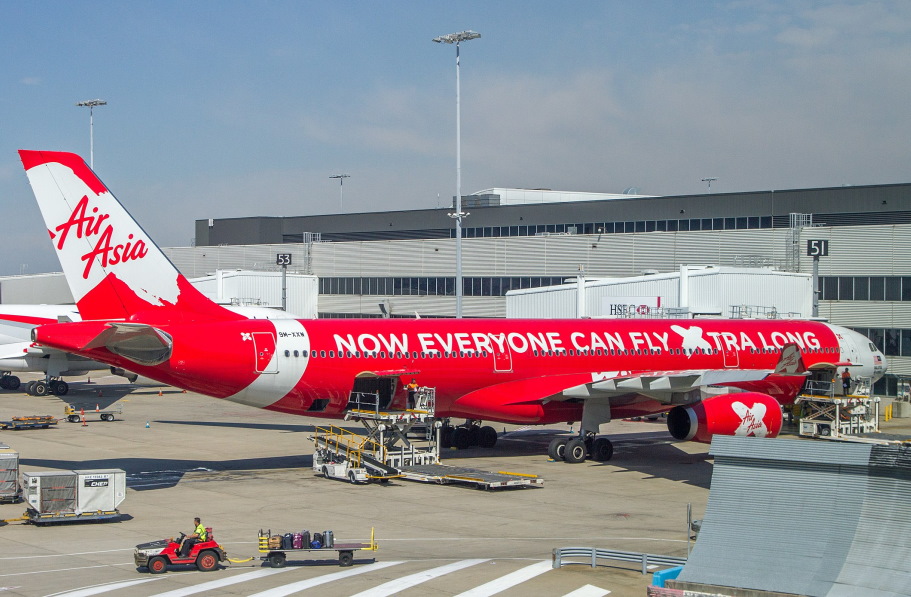
The Capital A CEO also said that AirAsia has no plans to cancel flights despite the current situation, citing strong travel demand. However, he did not indicate whether the developments would affect AirAsia X’s recently announced Kuala Lumpur–Bahrain–London route, which is slated to commence in June this year. For context, Bahrain is among the locations impacted by the ongoing West Asia conflict, which has also disrupted operations among several Gulf carriers.
