


Rumours of the Oppo Find X9 Ultra coming to the global market have been churned out from the mill for months now, with no concrete date having been set. Recently, however, the smartphone brand confirmed that its flagship phone will be reaching the global market “later this year”.
The announcement of its global availability was made during MWC 2026, along with the tagline “Built To Be Your Next Camera”. No surprise there, then, that the phone’s main camera system is to be both the highlight and focus of the phone.
“The true meaning of Ultra is not about having an ultra phone. It is about delivering an Ultra camera,” Elvis Zhou, COO of Oppo Europe, said during a media briefing at the annual event.
Little detail about the Find X9 Ultra is known to date, and what little is known are still just rumours and half-whispers. Back in December last year, rumourmongers and leaksters hinted at the phone having a 6.8-inch 2K display, that it will be powered by Qualcomm’s Snapdragon 8 Elite Gen5, and a massive 7,000mAh battery.
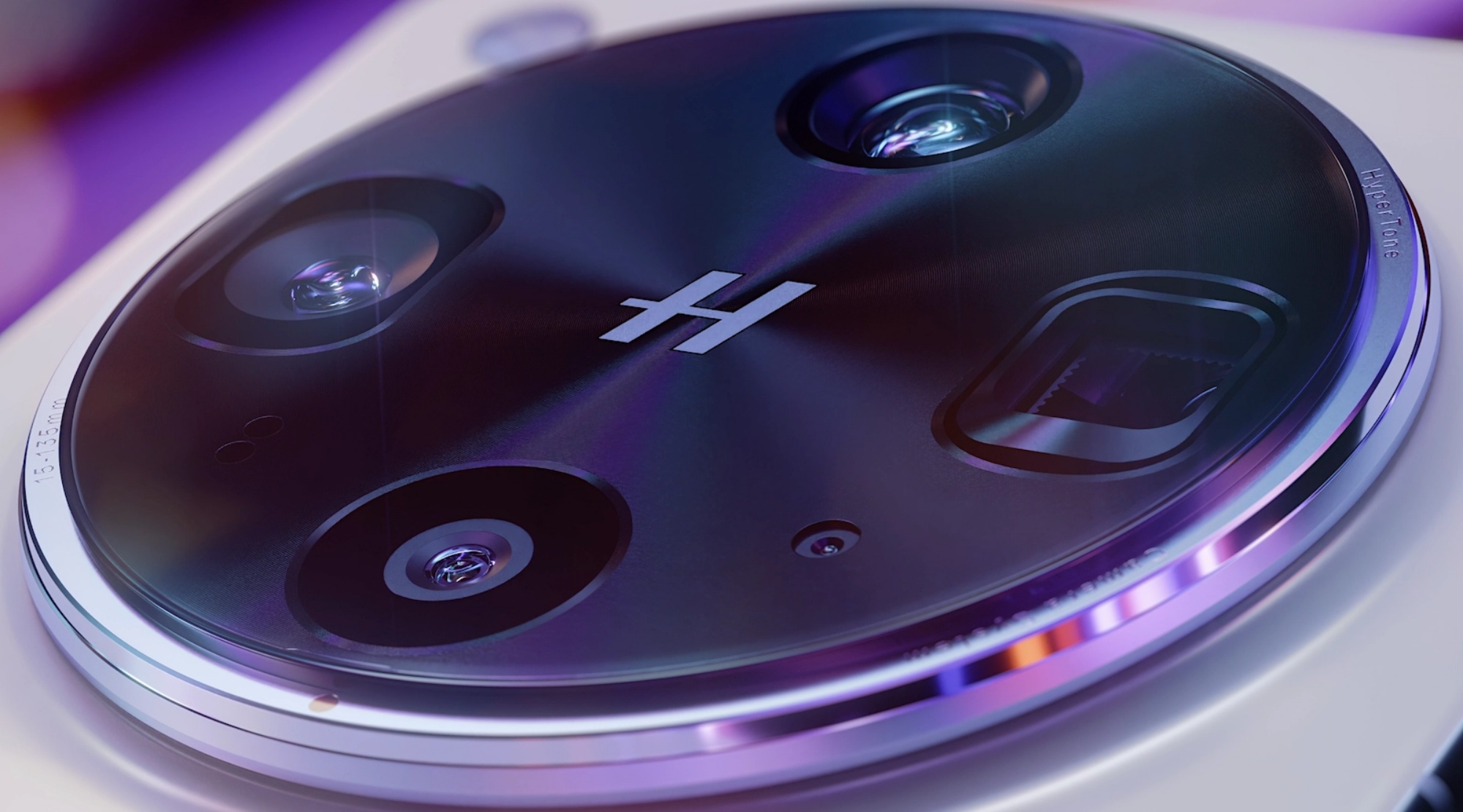
Additionally, rumours are suggesting that the phone’s imaging system will be a quad-camera system, comprising a 200MP LYTIA 901 main; either a 200MP or 50MP 3x mid-focus periscope telephone; a 40MP periscope super telephoto; and a 50MP ultrawide. All of which, by the way, should be housed within a circular module, instead of the square-shaped housing used with the rest of the Find X9 family.
Completing The Find X9 Family
Oppo launched the Find X9 Series all the way back in October last year, with both the Find X9 and X9 Pro. Both phones run on the MediaTek Dimensity 9500 SoC, which is both interesting and weird, given the Snapdragon 8 Elite Gen5 that will supposedly be powering the X9 Ultra.

Both devices feature a 6.59-inch AMOLED Display with a 120Hz refresh rate and a peak brightness of 3,600 nits. Other internal specifications include 16GB RAM and 512GB internal storage, plus a 7,025mAh battery.
What sets the X9 Pro apart from the non-Pro is the Hasselblad teleconverter kit, which essentially transforms the phone’s main camera into a semi-professional camera system.
(Source: GSMA, ChannelNews, Pandaily)
