

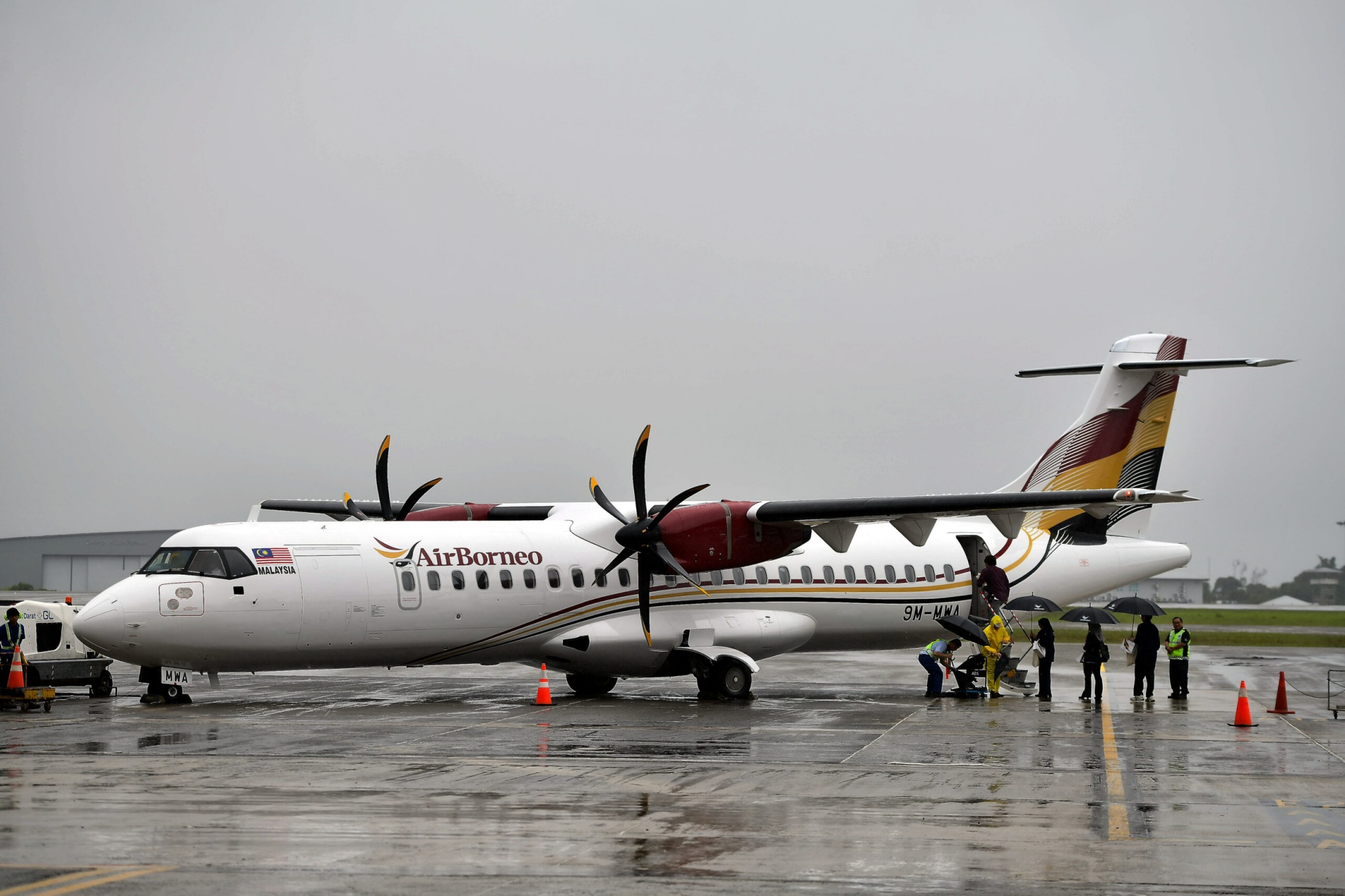
Sarawak-owned airline, AirBorneo, has partnered with IBM Malaysia Sdn Bhd, along with support from consultancy firm SALIHIN Digital. The goal of this collaboration is to develop artificial intelligence-driven data and automation solutions as it prepares for commercial operations later this year.
In a statement, IBM Malaysia said the partnership will see AirBorneo adopt an integrated digital architecture designed to support seamless operations, data-driven decision-making, and an improved customer experience. The move implies that the airline intends to embed AI at the core of its systems rather than layering it on later.
AirBorneo chief executive officer Megat Ardian said the airline is laying the groundwork for jet operations scheduled for July 2026, with a focus on strengthening regional connectivity within Sabah and Sarawak. He added that the collaboration aims to harness AI across intelligent customer interactions and optimised flight operations, positioning the airline to set a new benchmark for the nation’s aviation landscape.
What This Collaboration Means For AirBorneo

Under the agreement, AirBorneo will implement IBM webMethods Hybrid Integration and IBM Cloud Pak for Integration to automate and connect critical business processes, applications, and data flows across its operational ecosystem. These platforms will serve as the backbone linking systems such as booking, flight operations, maintenance, and internal workflows.
By integrating these systems early, the airline expects to gain real-time visibility across departments, enable secure data exchange, and improve operational agility. In practical terms, this could mean better coordination between ground operations and flight crews, more efficient aircraft utilisation, and faster decision-making when disruptions occur.
IBM Malaysia country general manager and technology leader Dickson Woo said that building a competitive airline requires more than aircraft and infrastructure, emphasising the need for an intelligent digital foundation that anticipates passenger needs and streamlines operations. Meanwhile, SALIHIN Digital director Mohd Sheeril Azri added that combining industry expertise with advanced technology can accelerate large-scale transformation efforts.
How It Could Benefit Customers
For passengers, the integration of AI and automation could translate into smoother booking journeys, quicker responses to enquiries, and more proactive service updates. An integrated system may also allow the airline to personalise offers or provide timely notifications in the event of schedule changes.
Operationally, better data visibility and automation could reduce delays, improve turnaround times, and enhance overall reliability. While travellers may not directly see the backend systems at work, the impact could surface in the form of more predictable schedules and a more seamless end-to-end travel experience.
IBM Malaysia noted that the initiative aligns with Sarawak’s digital economy agenda. By strengthening air connectivity, the state aims to attract investment, support economic expansion, and promote inclusive and sustainable growth.
AirBorneo’s Developments So Far
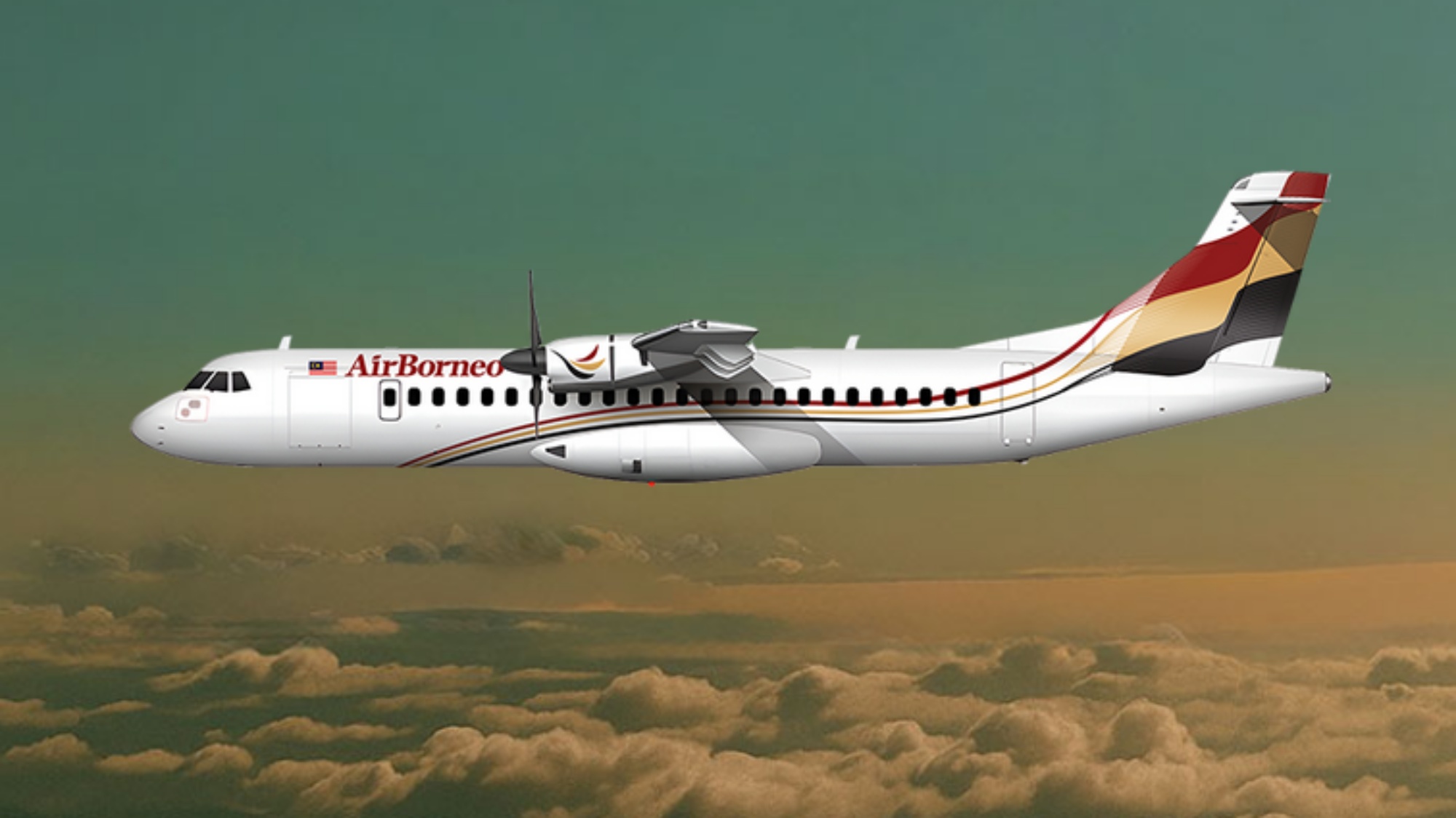
In terms of recent developments, AirBorneo airline plans to introduce jet-powered aircraft by the third quarter of 2026, initially leasing up to three planes to serve routes within Borneo before expanding to Peninsular Malaysia, Singapore, and eventually the wider Southeast Asian region. At the same time, it is preparing new routes linking East and Peninsular Malaysia, with further regional expansion to destinations such as Thailand, Indonesia, and the Philippines targeted for 2027, subject to operational readiness.
(Source: Borneo Post / IBM [newsroom])
