
• Hype
  • Murai
  • Lipstiq
  • Varnam
  • Hangat
  • Autofreaks
Lowyat.NET
  • News
    • Lifestyle
    • Computing
    • Hardware
    • Internet
    • Rumours & Leaks
    • Software
  • Forums
    • Kopitiam
    • Tradezone
    • Property Talk
    • Finance & Business
    • Fast and Furious
  • Gaming
    • PC Gaming
    • Console
    • Mobile Gaming
    • Esports
  • Mobile
    • Apps
    • OS
    • Tablets
    • Phones
    • Telco
      • Celcom
      • DiGi
      • Maxis
      • Tune Talk
      • U Mobile
      • Buzzme
  • Pricelists
    • Compu-zoneUpdated
    • ViewnetUpdated
    • Sri ComputersUpdated
    • StartecUpdated
  • More
    • Automotive Tech
    • Drone
    • Enterprise
    • Entertainment
    • Fashion
    • E-Hailing
    • Wearables
No Result
View All Result
Lowyat.NET
  • News
    • Lifestyle
    • Computing
    • Hardware
    • Internet
    • Rumours & Leaks
    • Software
  • Forums
    • Kopitiam
    • Tradezone
    • Property Talk
    • Finance & Business
    • Fast and Furious
  • Gaming
    • PC Gaming
    • Console
    • Mobile Gaming
    • Esports
  • Mobile
    • Apps
    • OS
    • Tablets
    • Phones
    • Telco
      • Celcom
      • DiGi
      • Maxis
      • Tune Talk
      • U Mobile
      • Buzzme
  • Pricelists
    • Compu-zoneUpdated
    • ViewnetUpdated
    • Sri ComputersUpdated
    • StartecUpdated
  • More
    • Automotive Tech
    • Drone
    • Enterprise
    • Entertainment
    • Fashion
    • E-Hailing
    • Wearables
No Result
View All Result
Lowyat.NET
No Result
View All Result
Home News

ASUS And Acer Banned From Selling PCs In Germany Over Nokia Patent Dispute

The dispute in question stems from a HEVC H.265 patent ruling from the Finnish telecommunications brand.

by John Law
February 16, 2026
233
SHARES
Share on WhatsappShare on TelegramThreads

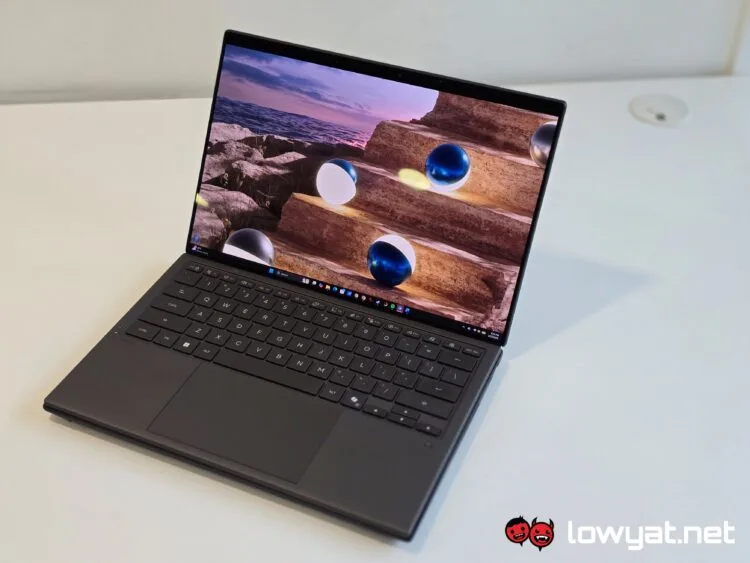
ASUS and Acer have been banned from selling their PCs in German, with immediate effect. The ruling includes both desktop PCs and laptops from both brands, and was decided after a patent dispute between them and Finnish telecommunications brand, Nokia.

The court case between the three parties originated from a patent dispute tied to H.265, or HEVC, which is a video coding format. Nokia claims that both ASUS and Acer had infringed on the Finnish brand’s patent – EP2375749 under the European Patent Register, if you’re looking for specificity – of the codec.
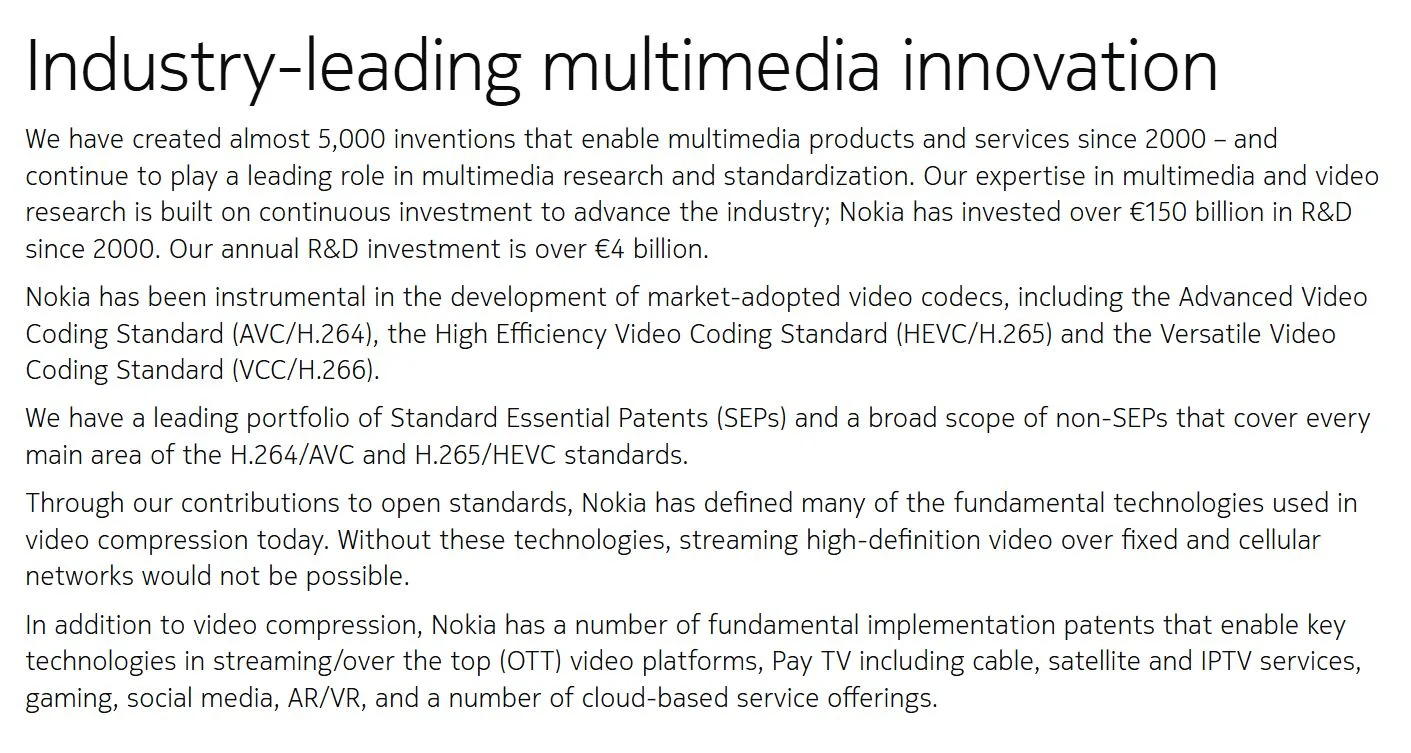
Image: Videocardz.

To be even more precise, the German court ruled that both ASUS and Acer were not acting as willing licensees of the FRAND framework, which stands for Fair, Reasonable, and non-dscriminatory licensing framework. Nokia had also taken an injunction out against another brand, HiSense, but the company clearly had the sense (pun intended) to take a license out on the patent in January this year.

We’re certain that it’s a surprising bit of news to some at this point, but Nokia does actually own the patents to many of the video technology codecs that exists to day. H.265 notwithstanding, it also owns standard-essential patents to other common video codecs like H.264 and H.266 (VVC). Additionally, it also owns patents to the wider video pipeline, including methods of encoding and decoding for both hardware and software, streaming and delivery optimisations, adaptive bitrate playback, and the list goes on.

Acer Germany gave the new portal PC Welt a statement in response to the German court’s ban. “Acer respects the intellectual property of other companies and organizations. Following a ruling by the Munich I Regional Court (Case No. 7 O 4100/25 of January 22) between Nokia and Acer, we have had to temporarily suspend our sales activities in Germany for the affected products. At the same time, we are examining the possibility of pursuing further legal action to reach a fair solution as quickly as possible. While the proceedings are ongoing, we cannot comment on any further details. Numerous product categories, such as monitors, routers, e-scooters, and accessories, remain unaffected by the ruling and are available.”

RELATED:  ASUS Confirms No New Smartphone Models; Goes All In On AI

That said, German customers won’t be affected immediately. The ban against ASUS and Acer are targetted at the manufacturers, not the retailers, meaning that consumers should still be able to purchase the currently existing stock directly from the shelves. As for newer and more recent products, that’s likely going to drive some folks to seek out their desired product from either brands from outside the country, or wait and see how the whole situation plays out between the two Taiwanese brands and Nokia.

(Source: Videocardz, PC Welt, HardwareLuxx, Nokia)

Filed Under acerAsusgermanyNokia
Updated 4:43 pm, Mon, 16 February 26
https://lowy.at/cslig
SendShareShareShare93Tweet58

Follow us on Instagram, Facebook, Twitter or Telegram for more updates and breaking news. 

No Result
View All Result

TRENDING THIS WEEK

  1. 1
    News

    Jalan Bukit Bintang To Close From 29 April To 2 May

  2. 2
    Social Media

    WhatsApp Plus Lands In Select Regions; Here’s What’s New

  3. 3
    Tablets

    Huawei MatePad Mini Debuts In Malaysia With 8.8-Inch Display, 6,400mAh Battery

  4. 4
    Mobile Phones

    Redmi A7 Pro Arrives In Malaysia With HyperOS 3, 6,000mAh Battery

  5. 5
    Mobile Phones

    HONOR 600 Series Launched In Malaysia with 200MP Main Camera

NETWORK

  • Hype
  • Murai
  • Lipstiq
  • Varnam
  • Hangat
  • Autofreaks

ABOUT

  • Advertise
  • Careers
  • Privacy Statement
  • Editorial Policy
  • Terms of Use
  • Contact Us

©2026 VIJANDREN RAMADASS. ALL RIGHTS RESERVED.

No Result
View All Result
  • News
  • Forums
  • Laptops
  • Telco
  • Mobile
  • Gaming
  • Fintech
  • Artificial Intelligence
  • Cryptocurrency
  • Cyber Security
  • Hybrid Vehicles
  • Advertise with Us

©2026 VIJANDREN RAMADASS. ALL RIGHTS RESERVED.

No Result
View All Result
  • News
  • Forums
  • Laptops
  • Telco
  • Mobile
  • Gaming
  • Fintech
  • Artificial Intelligence
  • Cryptocurrency
  • Cyber Security
  • Hybrid Vehicles
  • Advertise with Us

©2026 VIJANDREN RAMADASS. ALL RIGHTS RESERVED.