
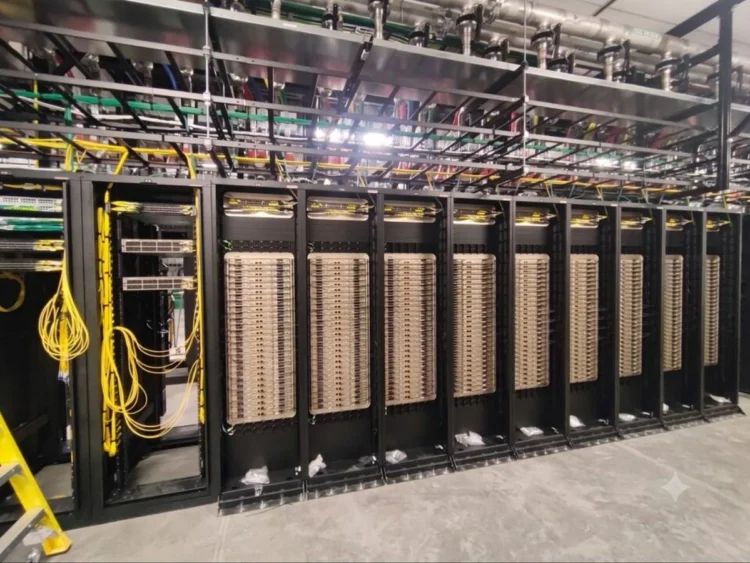
Malaysia is looking into whether a local company linked to the ongoing NVIDIA chip controversy has breached the country’s export restrictions. At the same time, the government is drafting a new law to strengthen oversight of data centres and prevent advanced AI chips from being diverted to other countries.
Investment, Trade and Industry Minister Datuk Seri Johari Abdul Ghani said the government would review whether Speedmatrix Sdn Bhd, a Malaysian subsidiary of Singapore-based Megaspeed International, had re-exported imported graphics processing units (GPUs) to China. However, he noted that Malaysia has yet to receive any formal requests from foreign authorities concerning the company.
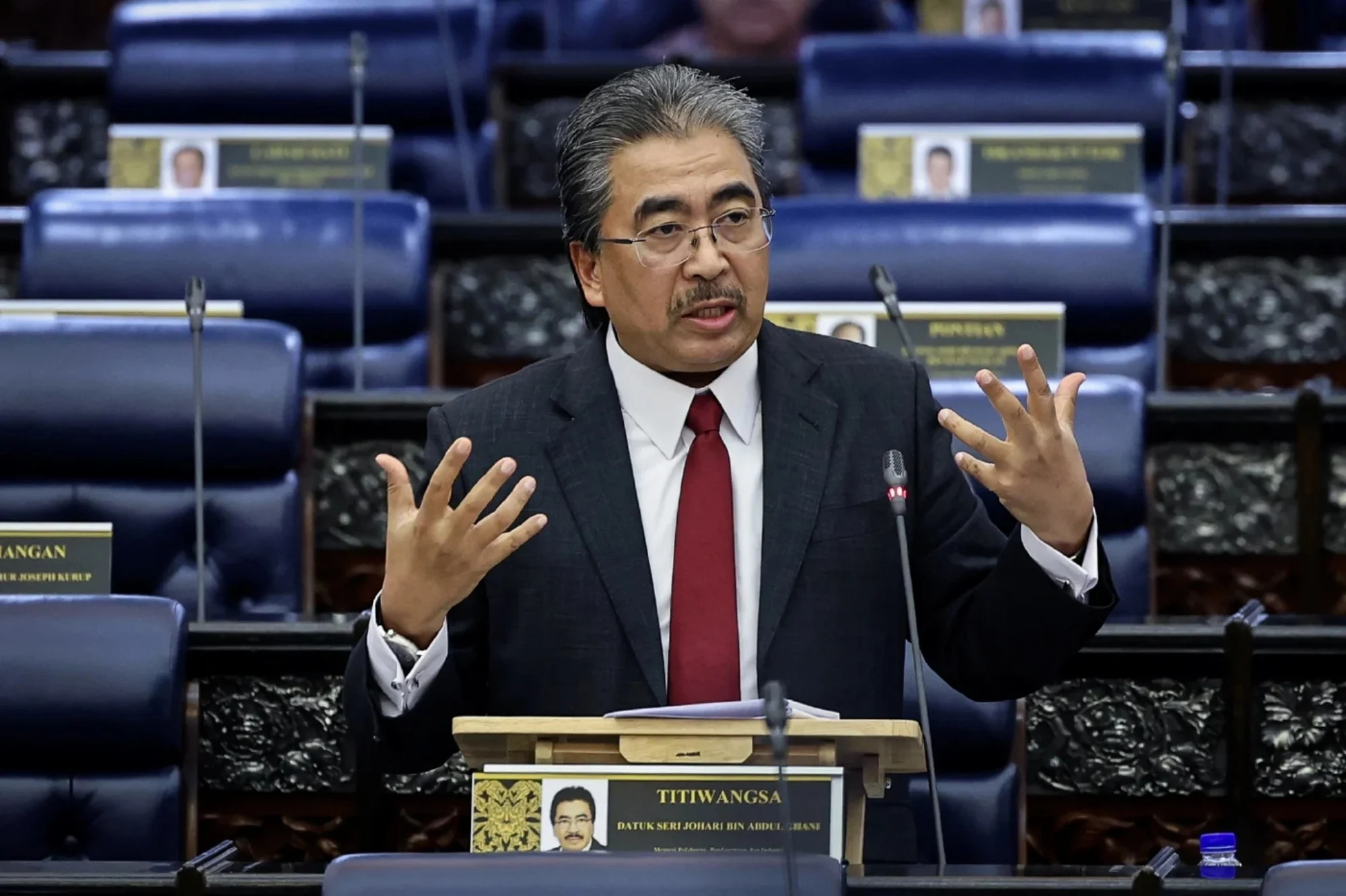
Speaking to reporters earlier today, Johari said the government would facilitate any investigation if necessary. He added that there would be little reason to take action if Speedmatrix Sdn Bhd had purchased the GPUs for its own data centre operations, but any re-exports that violate applicable restrictions would warrant further scrutiny.
As reported previously, Megaspeed International has come under scrutiny over allegations that it helped circumvent US export restrictions on advanced NVIDIA chips destined for China. The controversy also involves NVIDIA CEO Jensen Huang and former Megaspeed executive Alice Huang (no relation to Jensen), who is suspected by US intelligence officials of being a Chinese spy. The company has since launched an internal investigation into the matter.

New Law To Monitor Data Centre Operations
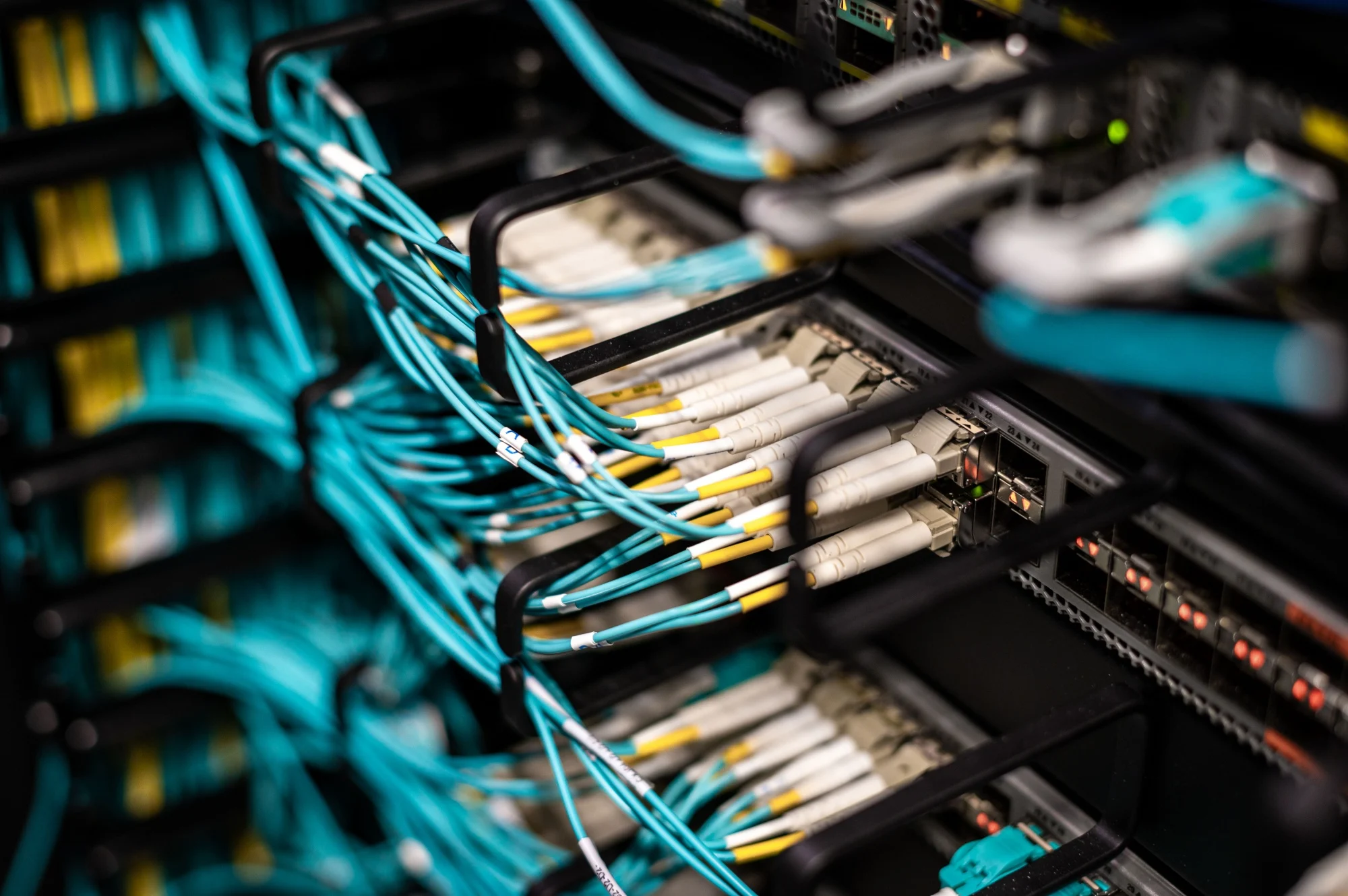
Separately, Johari revealed that the government is drafting new legislation to strengthen oversight of data centres and prevent the transshipment of advanced computing hardware. The proposed law, which is being developed separately from the Digital Infrastructure (Data Centre) Bill, would require operators and hyperscalers to disclose their identities, facility locations, electricity consumption and the number of GPUs imported into Malaysia.
According to the minister, the government wants to ensure that imported GPUs and servers are actually being deployed in local data centres instead of being shipped elsewhere. He explained that some companies had previously rented space in Malaysian data centres and imported GPUs into the country, only to re-export the hardware without putting it to use locally.
Johari added that the government was examining whether existing laws could be used to address such activities, particularly those involving transactions that violate US export restrictions. The proposed legislation is intended to give the authorities better visibility over data centre operations and help prevent Malaysia from becoming a transit point for restricted technology.
