

Microsoft has announced a series of performance improvements for Windows 11, claiming that the operating system is now up to 20% more responsive following months of optimisation work. The changes focus on making better use of system resources, particularly on PCs with limited memory.
According to Navjot Virk, Microsoft’s corporate vice president of Windows Experiences, the improvements cover various parts of the operating system, including Start, File Explorer, Search, Snipping Tool, Microsoft 365 and Edge. Microsoft says the changes are intended to make everyday interactions feel faster, from launching applications to searching for files.
Part of the effort involves improving Windows 11’s memory management. Microsoft says the operating system can now keep up to 2GB more active data in memory instead of moving it to slower storage, which should help PCs remain responsive when users open more applications or browser tabs.

The improvements are particularly relevant to computers with 8GB of RAM or less. Microsoft says Widgets now load only when opened on these systems, freeing up more than 200MB of memory for applications and other tasks. This is part of a wider effort to reduce Windows 11’s background memory usage and make better use of available resources.
Microsoft noted that the performance figures are based on measurements comparing selected interactions between Windows 11 builds, with actual results varying depending on the device, configuration and usage. The improvements are beginning to roll out more broadly following testing with the Windows Insider community.
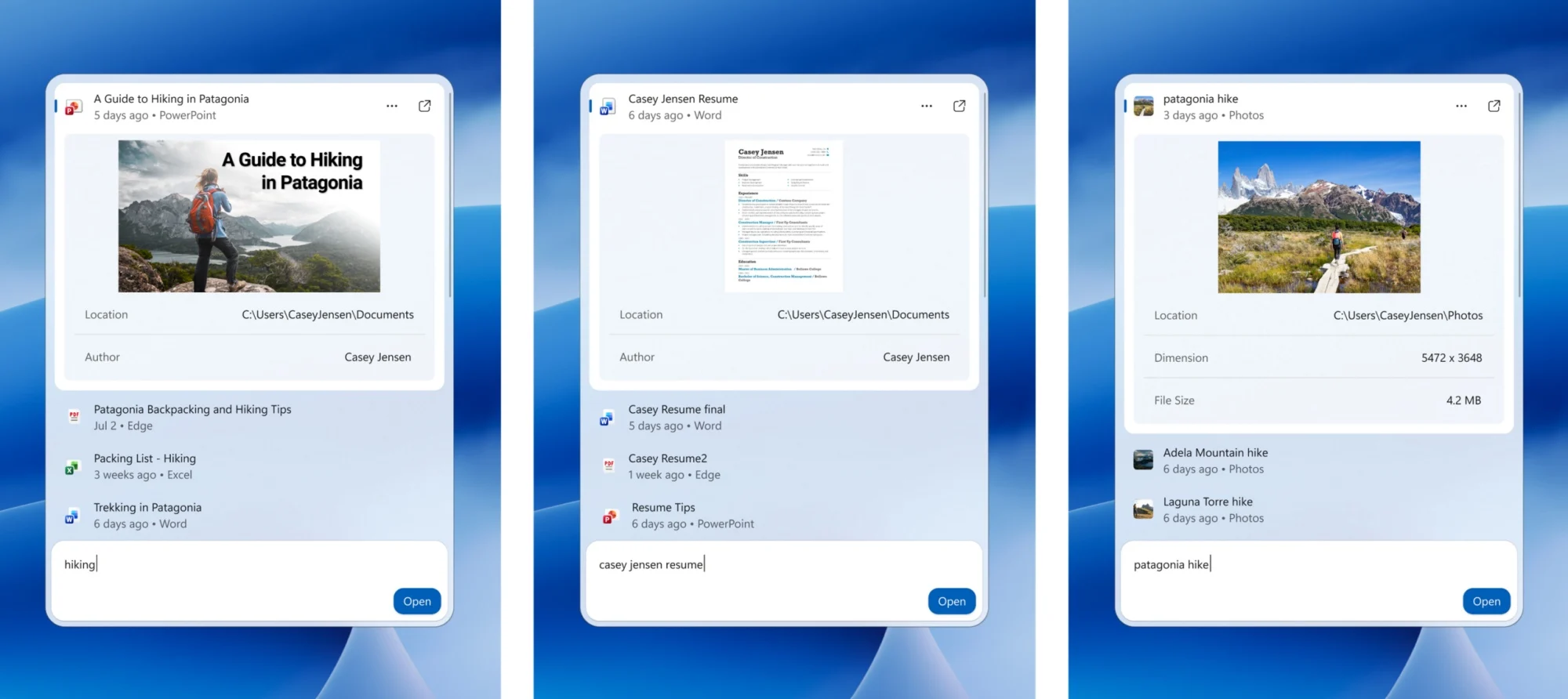
On a related note, the company recently introduced a new Windows Search experience that can perform certain system actions directly from search results, effectively turning it into a control hub for common tasks. The feature is currently available to Windows Insiders, with a wider rollout planned later this year.
Separately, some older Windows PCs could lose access to Windows Update in 2027 due to an upcoming change involving outdated update infrastructure. This could affect users who continue running older versions of Windows or systems that have not received the required updates.
(Source: Microsoft [official blog])
