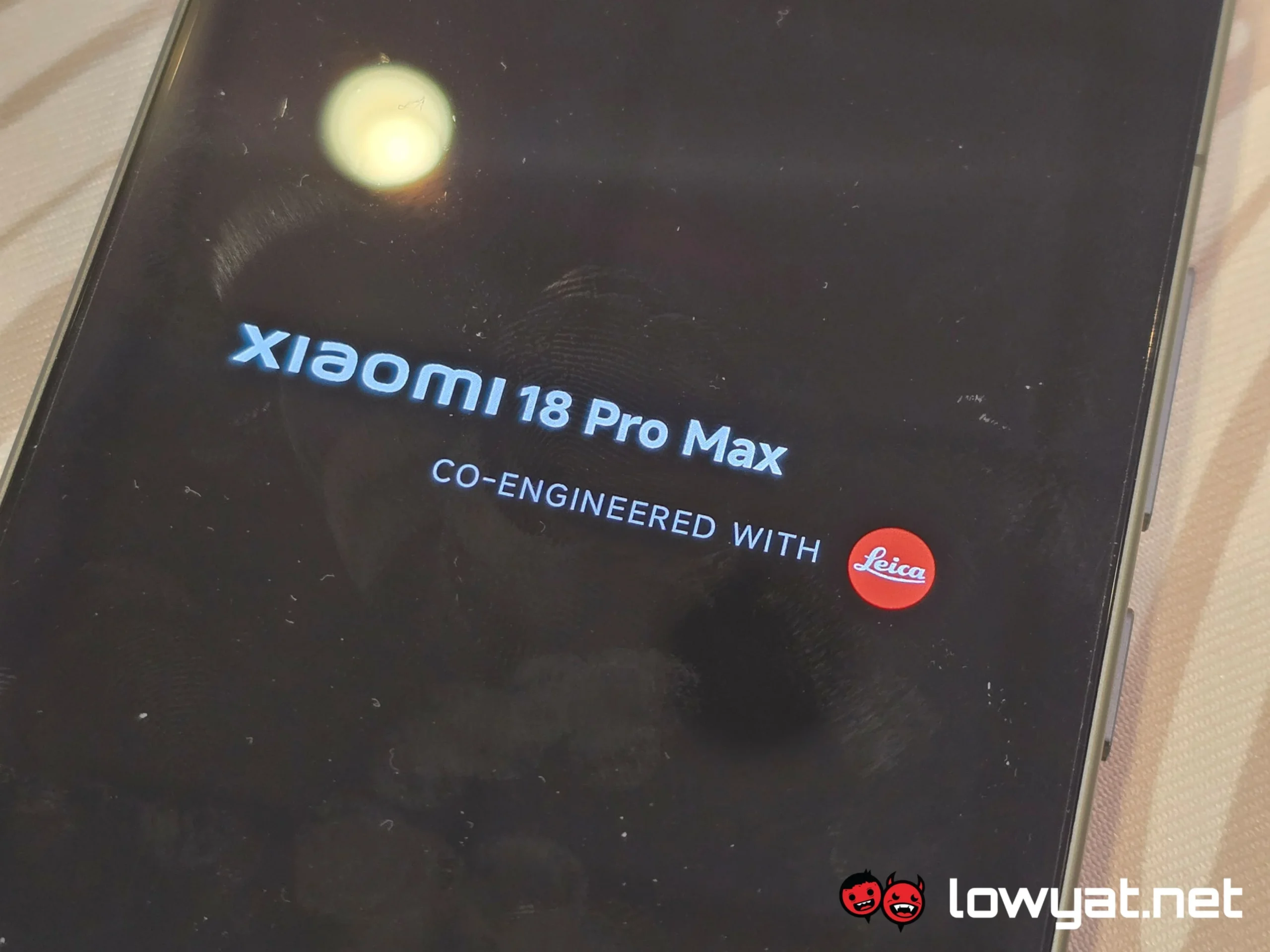
The Xiaomi 18 Pro Max and its non-Pro recently got their local launch in China, and a global launch for both phones is happening this year, although a specific date wasn’t provided. Lucky for us, we managed to snag a little one-on-one time with the Pro Max to see what exactly is different with the phone.
To start, I’ll provide the reminder here of what makes the Xiaomi 18 Pro Max such a big deal: it is currently the first and only phone on the market right now to ship out with Qualcomm’s top-spec Snapdragon 8 Elite Extreme platform, which is an absolute beast on paper.
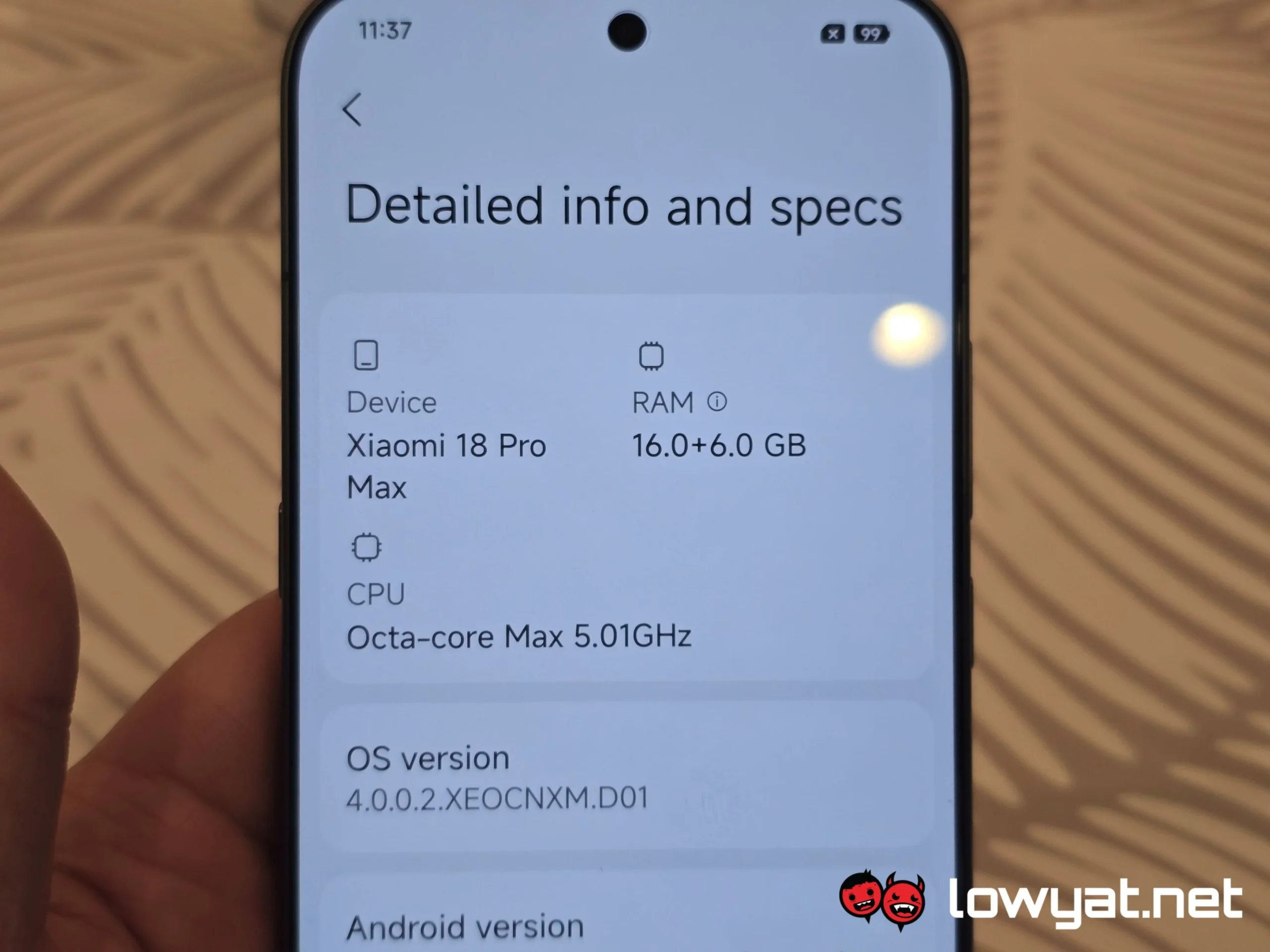
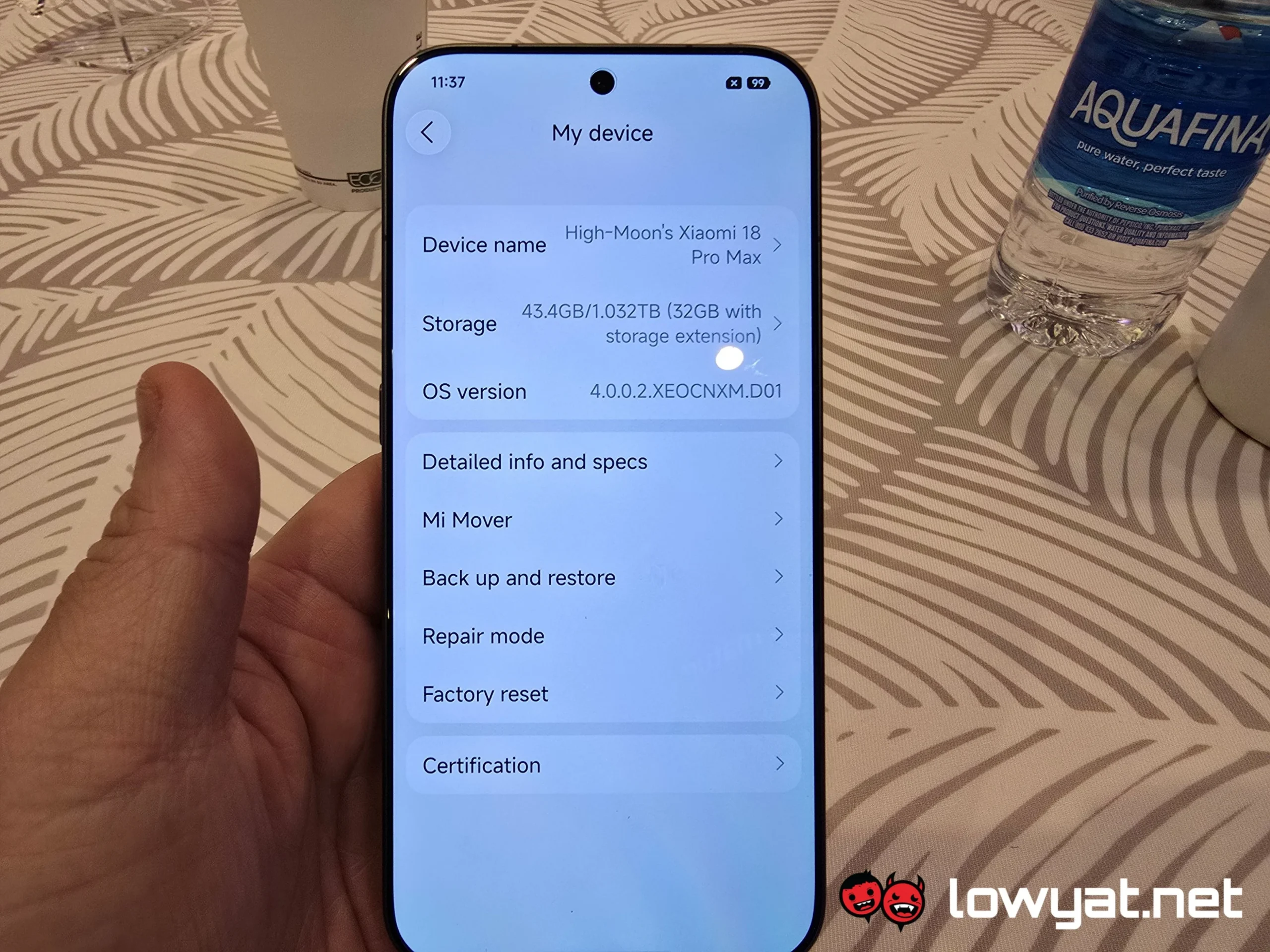
Flanking the sides of the chipset is 16GB RAM and 1TB of storage. However, the units that I played around with at the Snapdragon Summit listed the phone as having an additional 6GB of virtual RAM, which was clearly activated.
This, in turn, made the overall interaction and operation with the Xiaomi 18 Pro Max feel smooth and interactive. Unfortunately, because this was a local (read: China only) model, the absence of GMS on it did not go unnoticed, both by me and the rest of the tech media here.
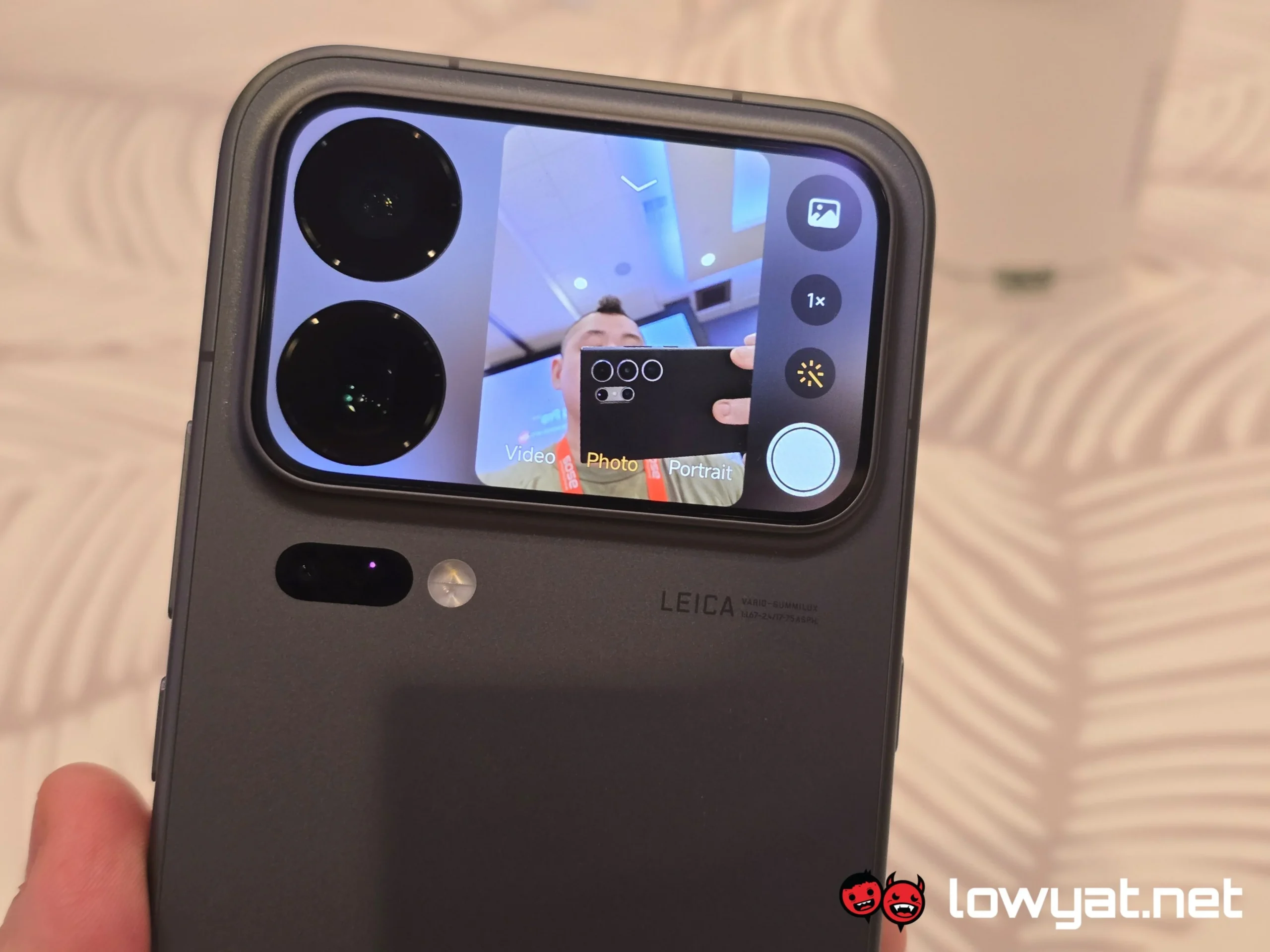
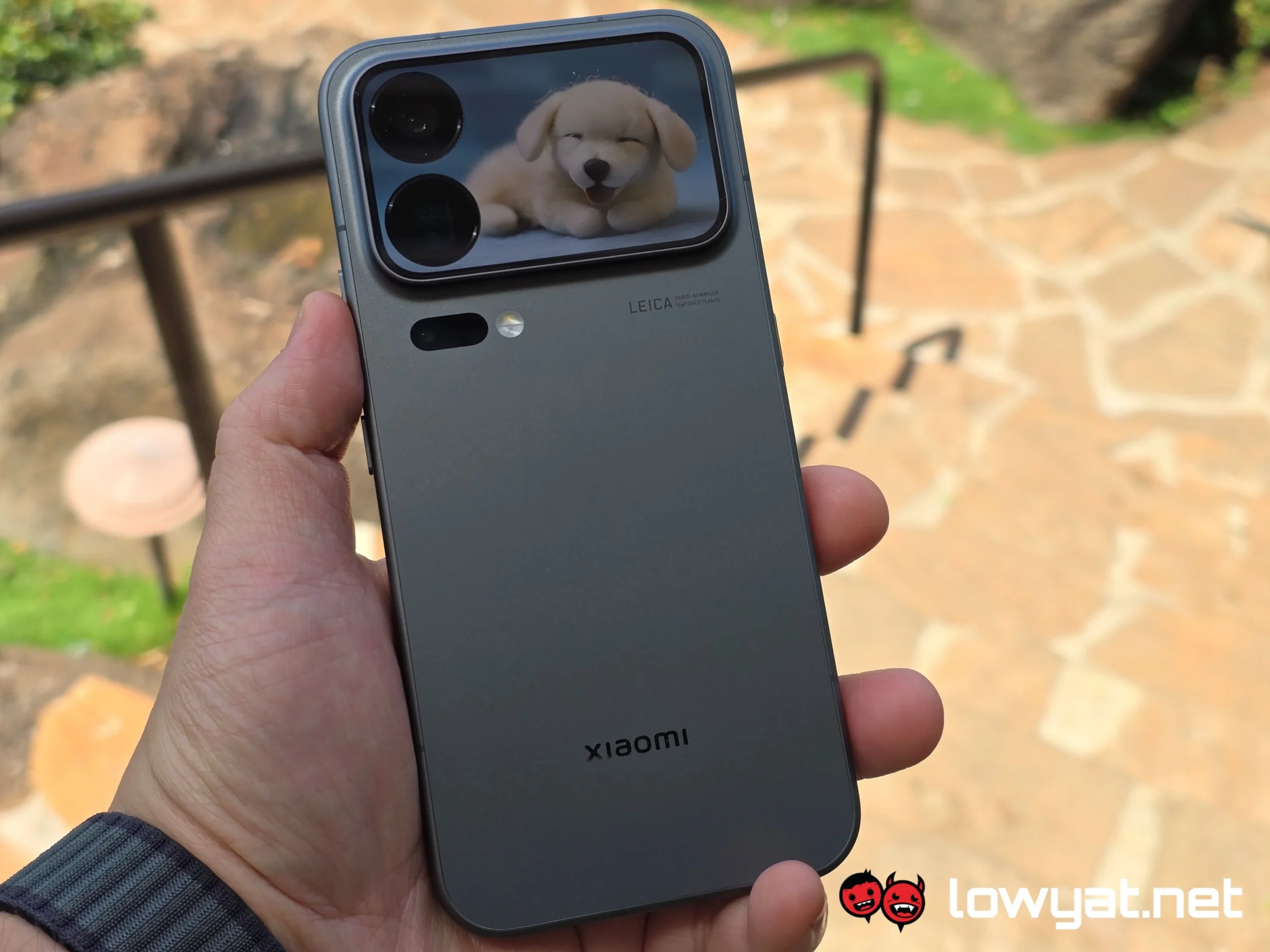
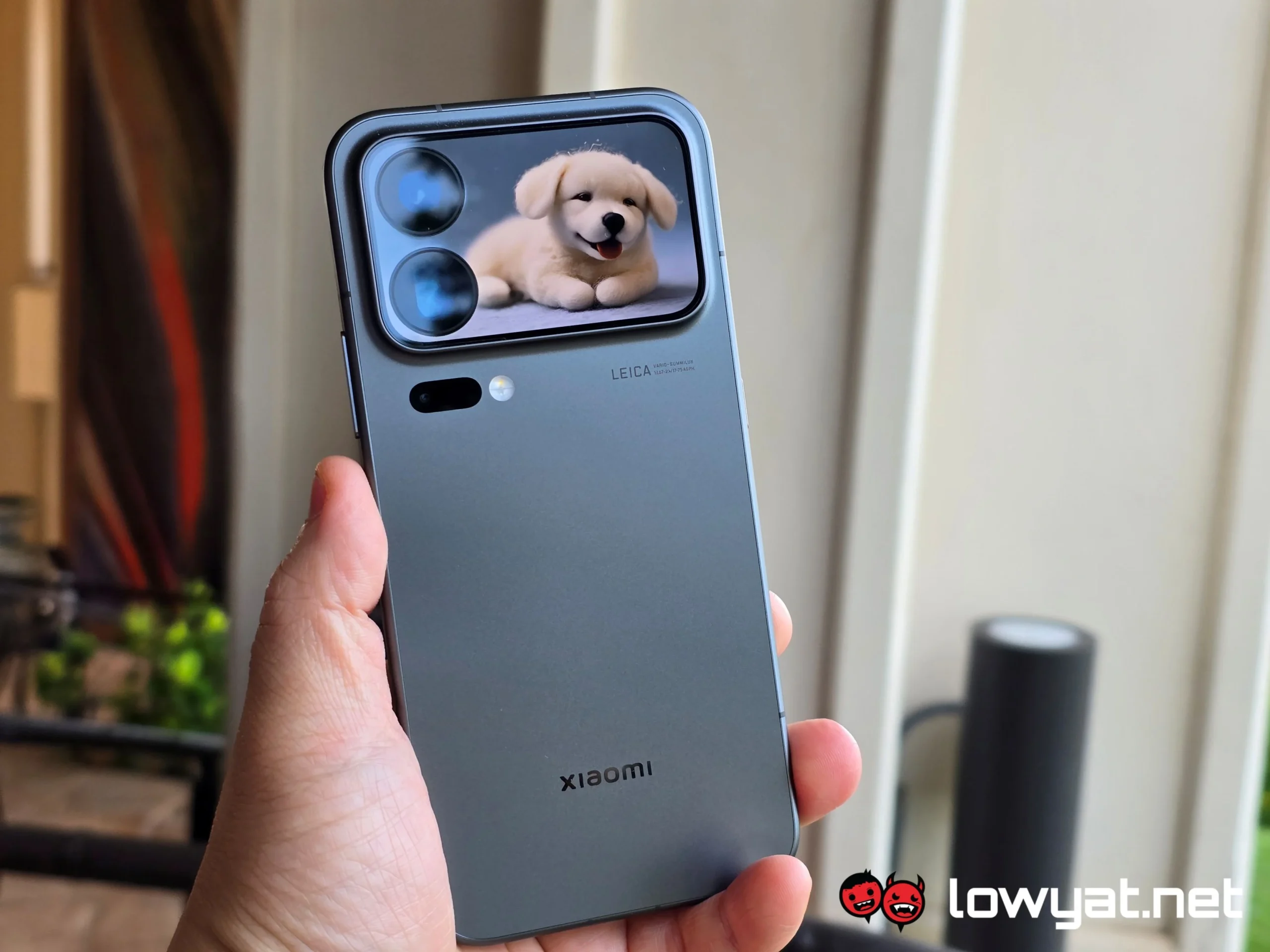
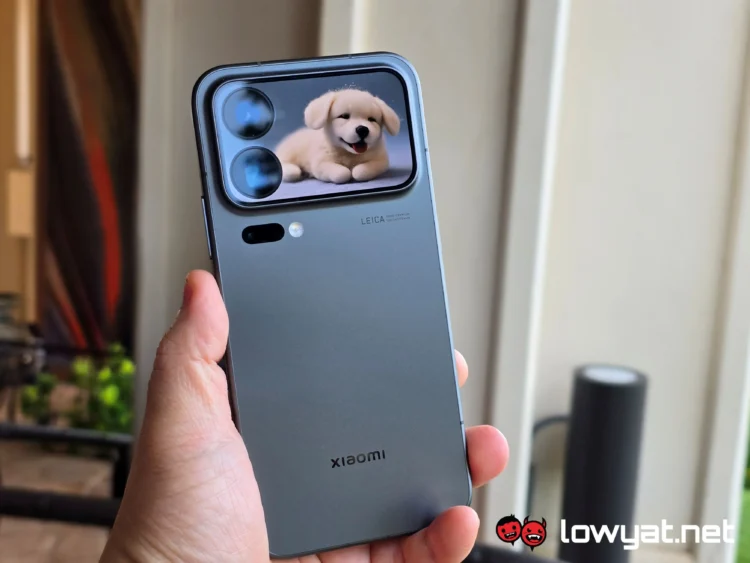
Display, internals, and software out of the way, it is obvious that Xiaomi has carried forward, or retained rather, the small secondary display on the back of the phone, from the previous generation’s 17 Pro Max. The background of it is customisable and, based on a few samples, is interactive.
Of course, one of its functions is to act as a display for shooting high-resolution selfies with the main camera, to which the controls are self-explanatory and even familiar to any Android smartphone: capture the image using the volume down button, or tap the shutter button on the display.
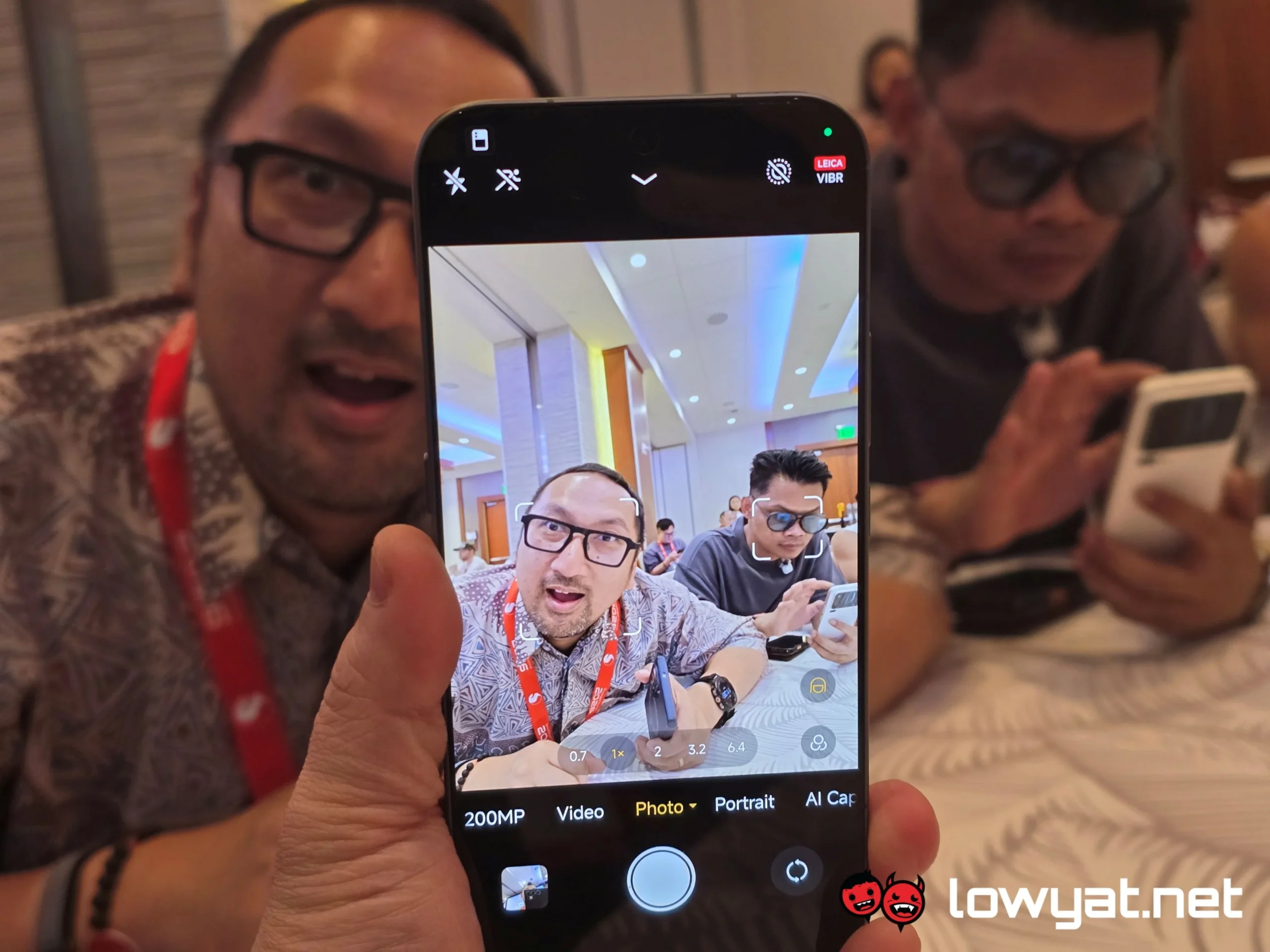
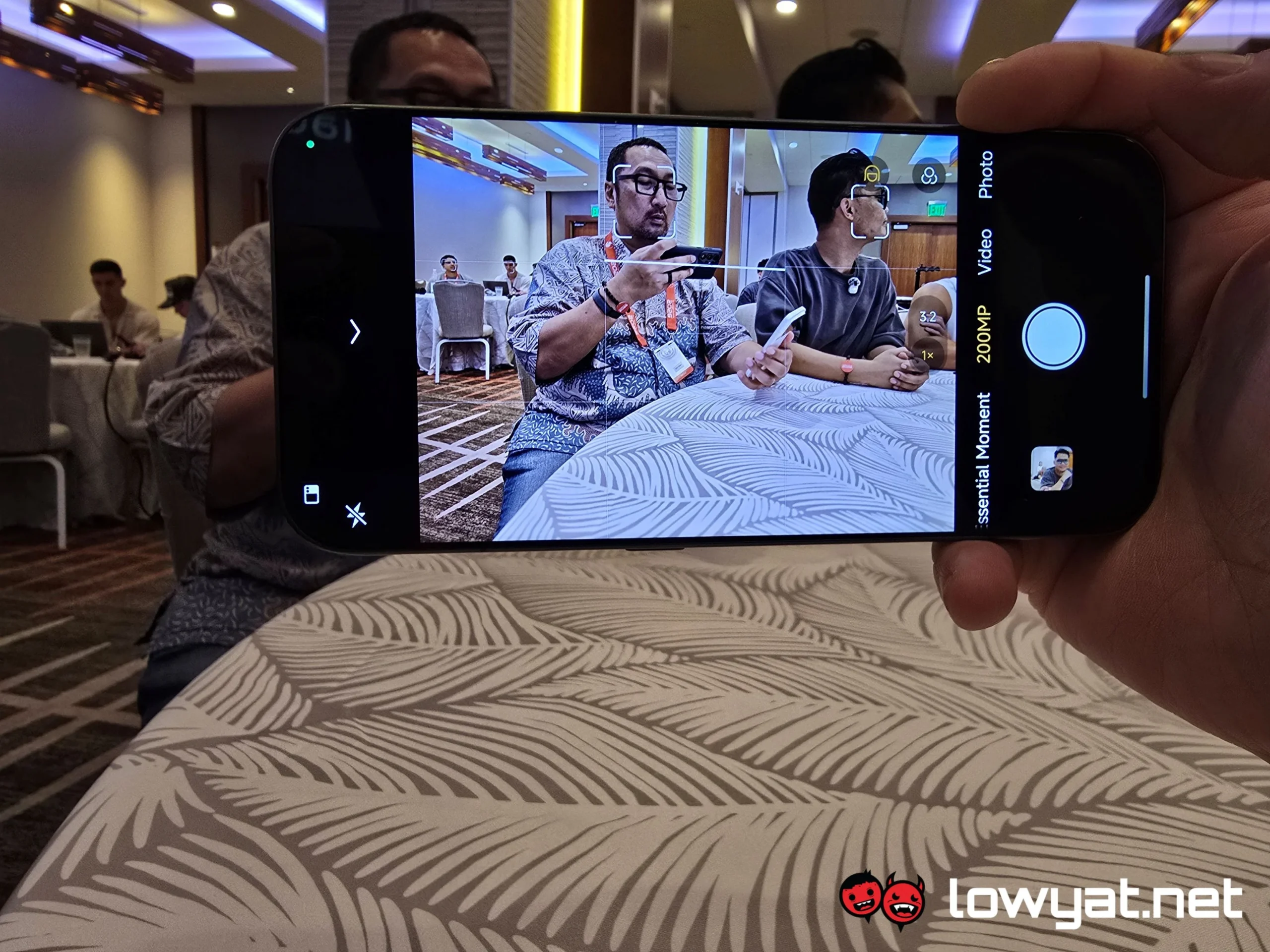
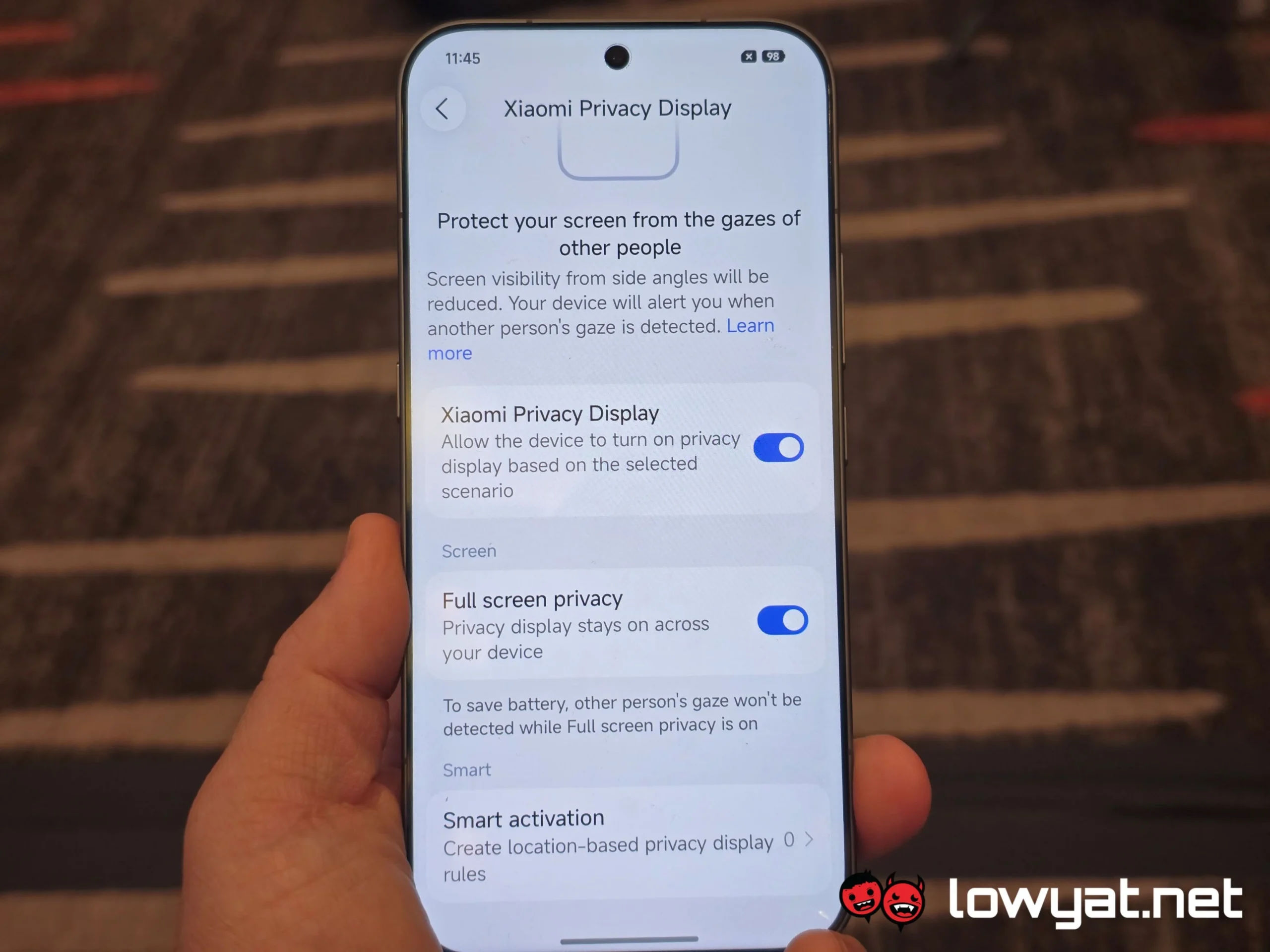
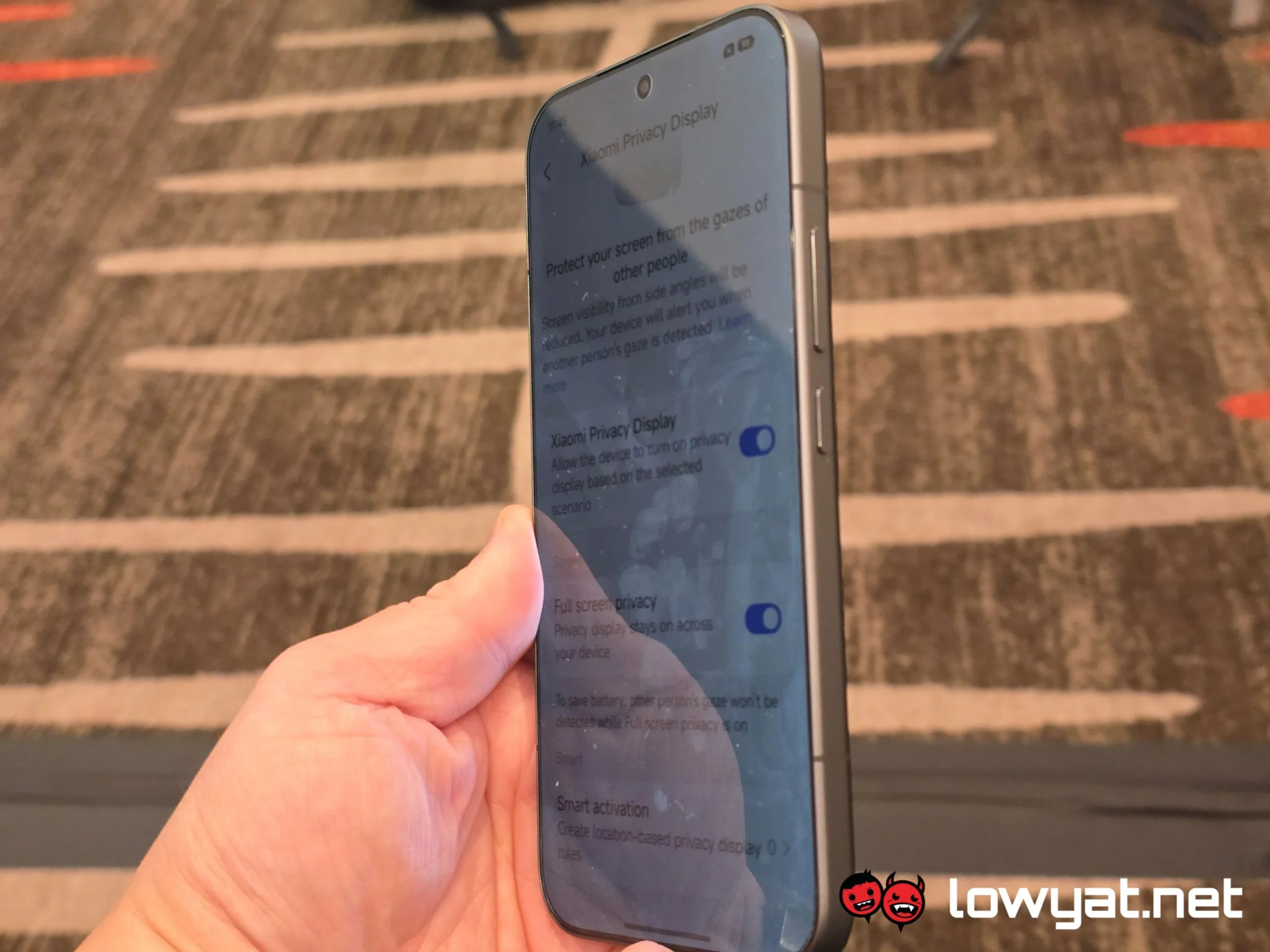
Around the front, the main display is a 6.9-inch LTPO AMOLED display is large and bright, with punchy colours that are expected from the nature of the panel itself. Sadly, it’s also a massive fingerprint magnet, but semantics, I guess. Oh, and the phone actually took a page out of the Samsung Galaxy S26 Ultra’s book and includes a Privacy Display function, but initial impressions of it feels a little underwhelming. Even from the side, I could still make out what was being shown on the display.
Speaking of cameras, the main shooter of the Xiaomi 18 Pro Max is powered by three sensors: a 200MP main camera with a 1/1.28-inch sensor, f/1.67 aperture and OIS; a 200MP periscope telephoto with a 1/1.56-inch sensor and 3.2x optical zoom; and a 50MP ultrawide sensor with a 102-degree field of view. Sadly, I barely had time to test it on the outside, but you’ll have to take my word (for now) that shooting with the 200MP sensor retains a lot of detail. Provided, of course, you’re shooting in an environment with ample light.
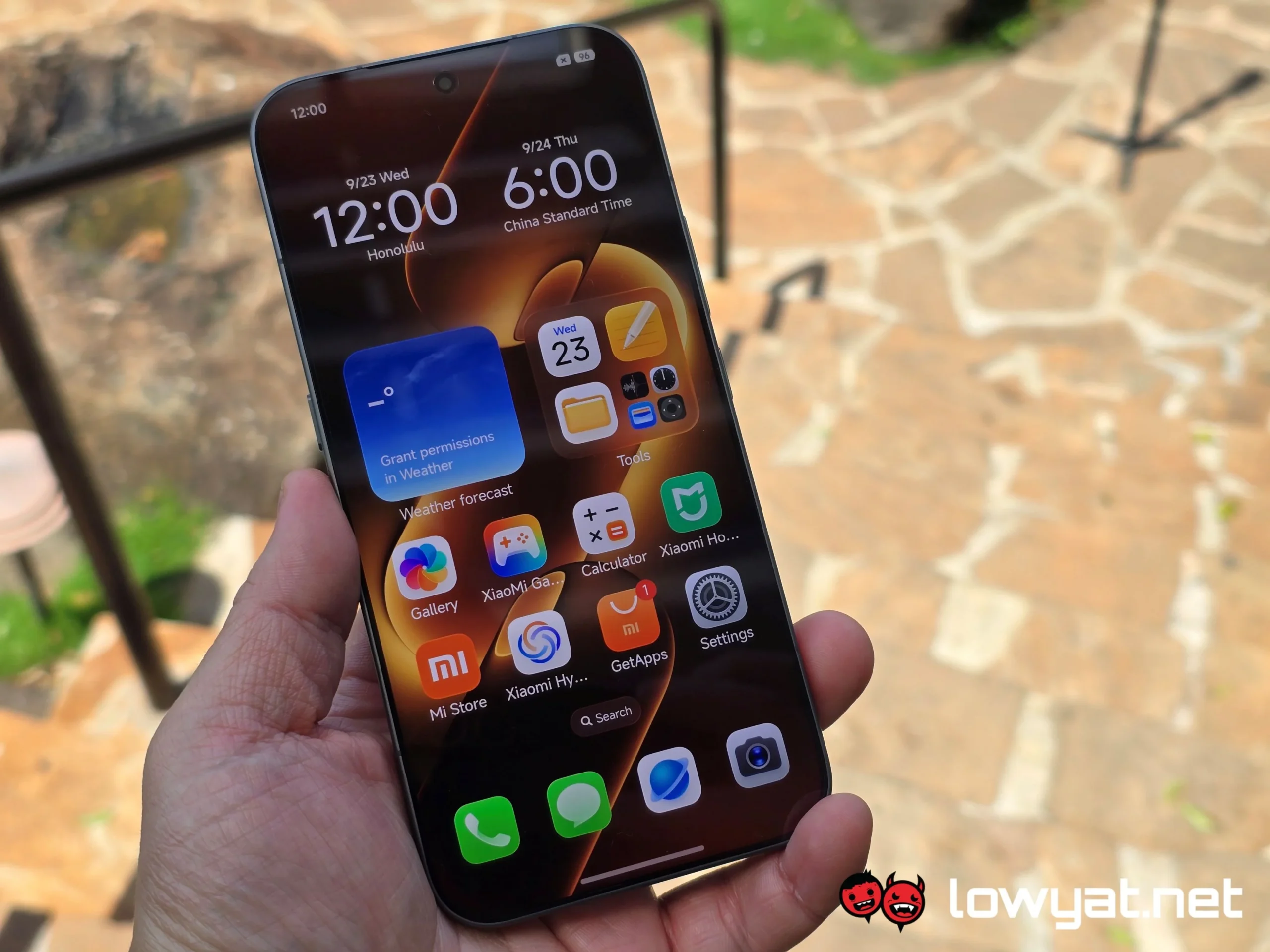
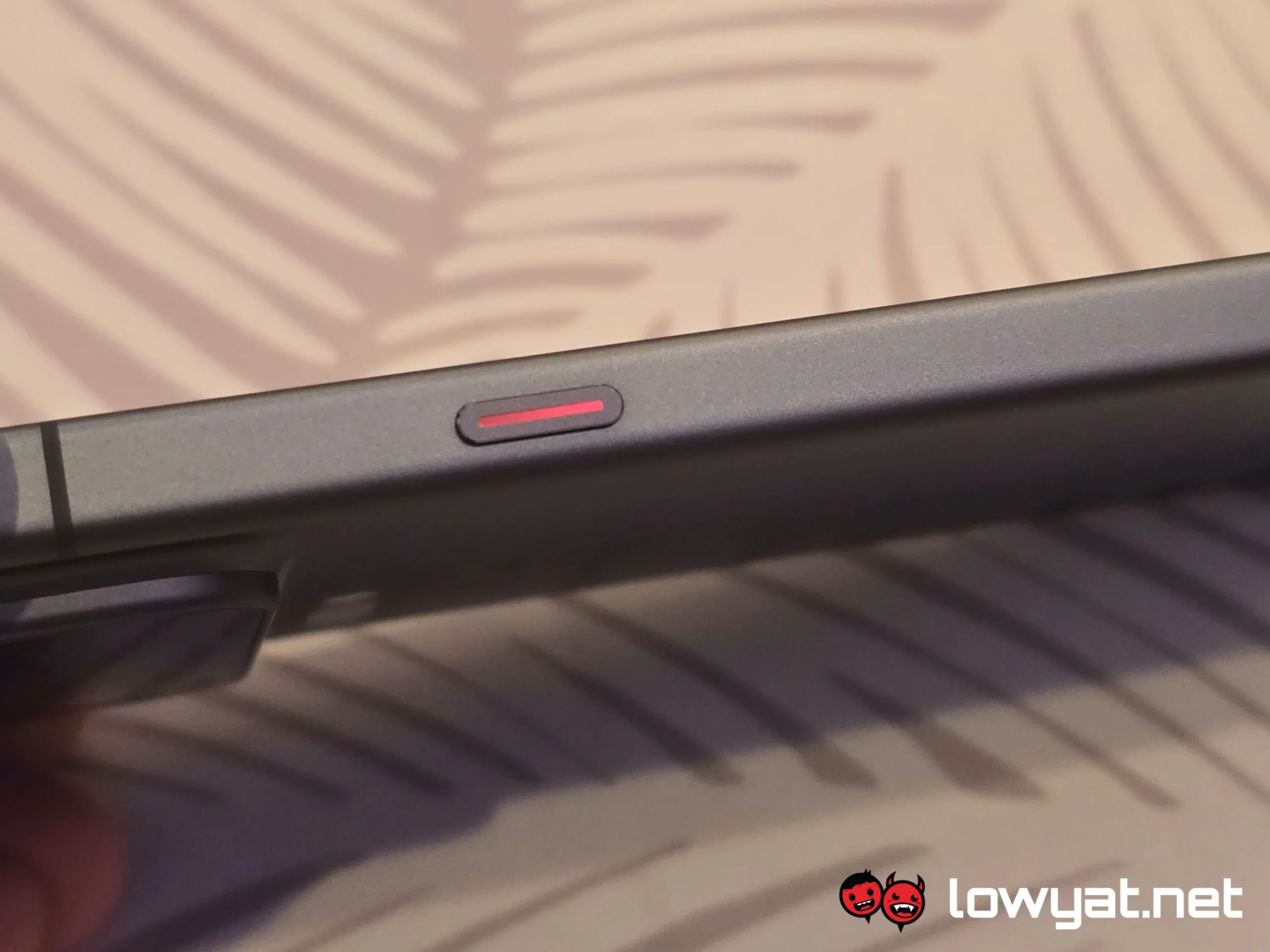
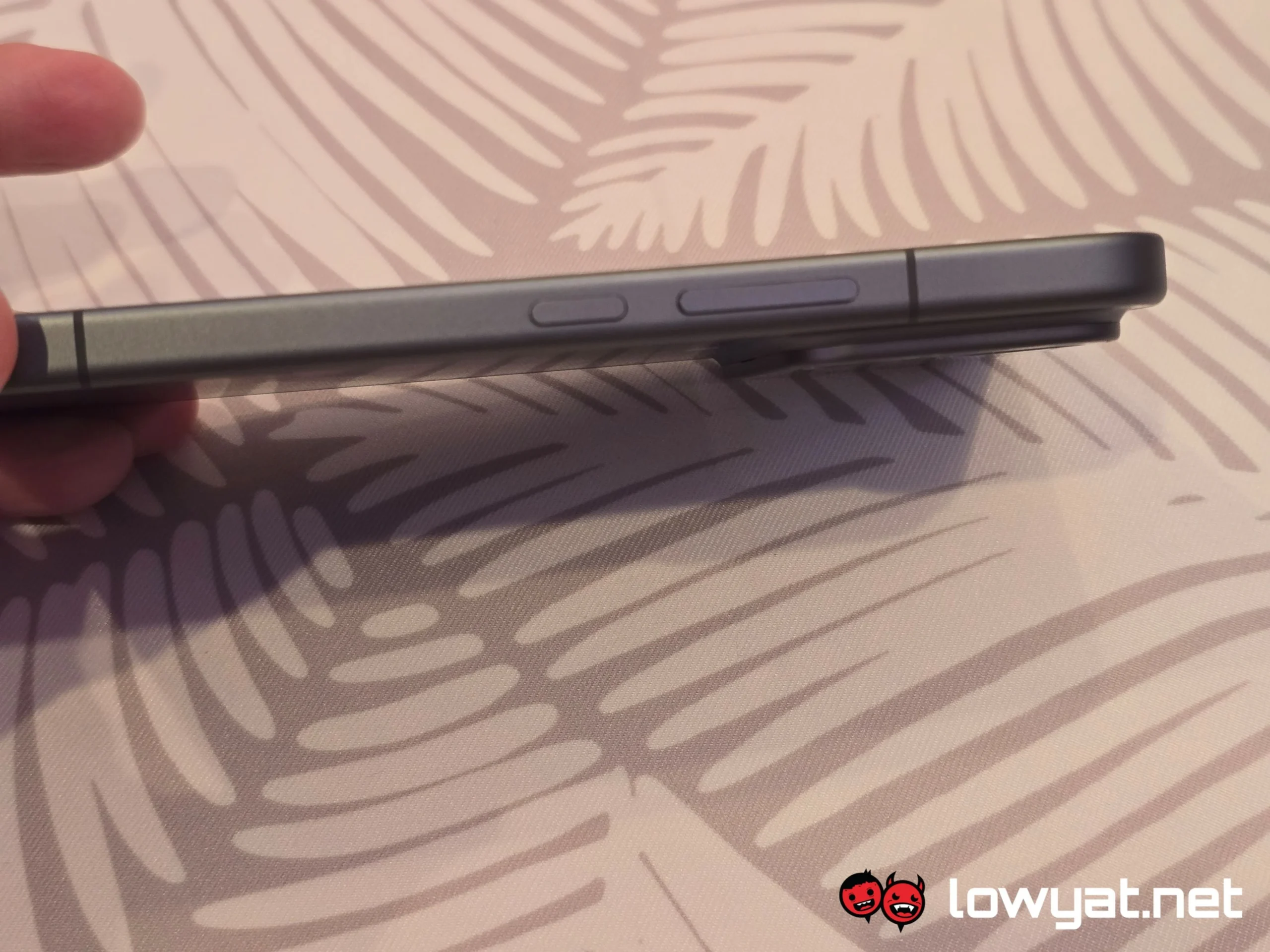
The chassis of the Xiaomi 18 Pro Max is a familiar feeling in my hands. Specifically, it reminds me of both the current CNC chassis used in current iterations of the iPhone, the Google Pixel, and even non-Ultra versions of the Samsung Galaxy S Series flagships. It’s not a bad thing, but I would be lying if I said it isn’t starting to feel homogenous at this point.
I’m not saying that’s a bad thing, though. At the end of the day, it feels comfortable to hold in my hand, despite its large size and fairly slippery back, the latter just being the nature of a polished, all-metal body. On a small note, it’s good to see that Xiaomi kept the weight distribution ratio well-balanced enough; some phones are top-heavy, with the main camera island having the tendency of shouldering the majority of the weight. Then again, this was without a casing, so take this observation with a small grain of salt.
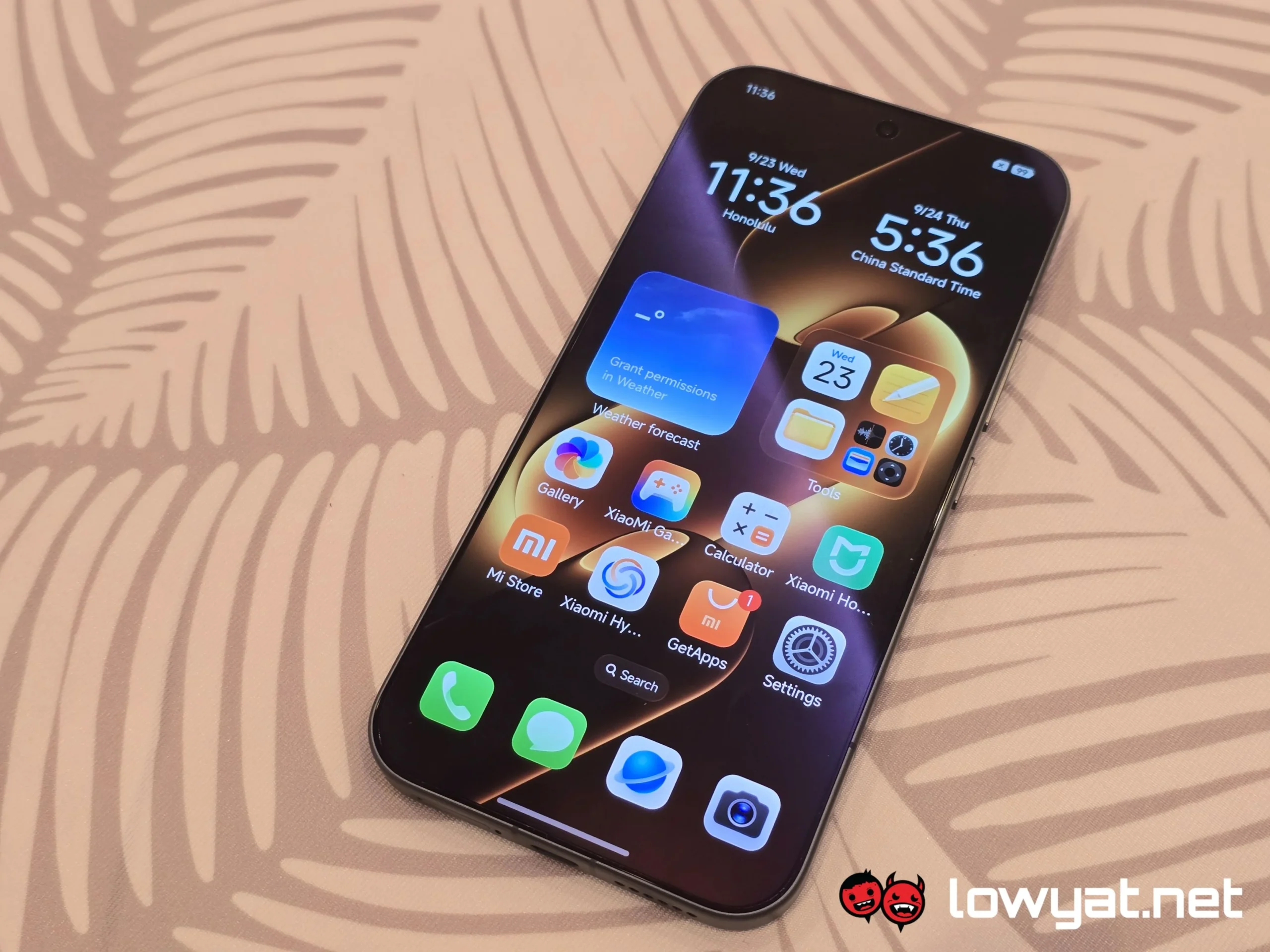
Considering that we never got the Xiaomi 17 Pro Series, there are some in my team who are actually looking forward to the Xiaomi 18 Pro Max and non-Max sibling when both devices finally land in Malaysia.
Photography by John Law.