
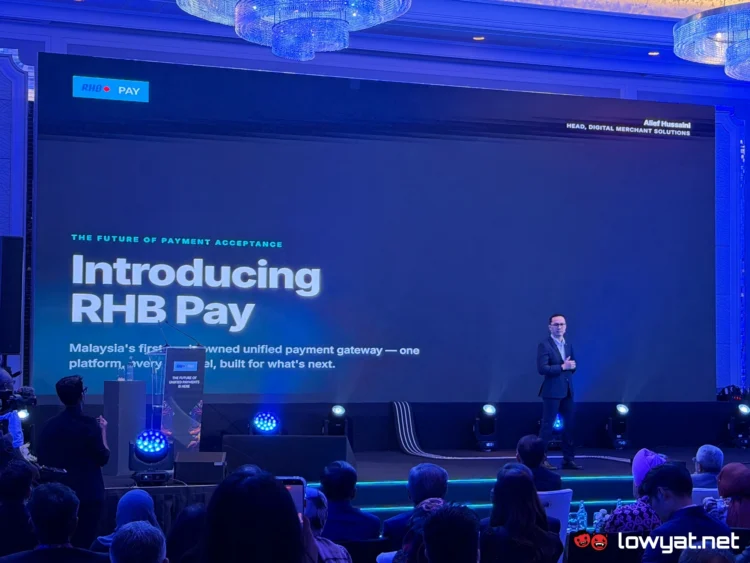
RHB Bank has launched RHB Pay, which it describes as Malaysia’s first bank-owned unified online payment gateway. Despite the naming convention, which is often associated with digital wallets and mobile payment systems, the new platform is actually geared towards businesses and enterprise customers.
RHB Pay allows businesses to accept multiple digital payment methods through a single integration, with payments settled directly into their RHB accounts. Unlike third-party payment gateways, the platform is built, owned and operated entirely by the bank, which RHB says enables it to provide bank-grade security, automated reconciliation, greater cash flow visibility and faster access to funds.
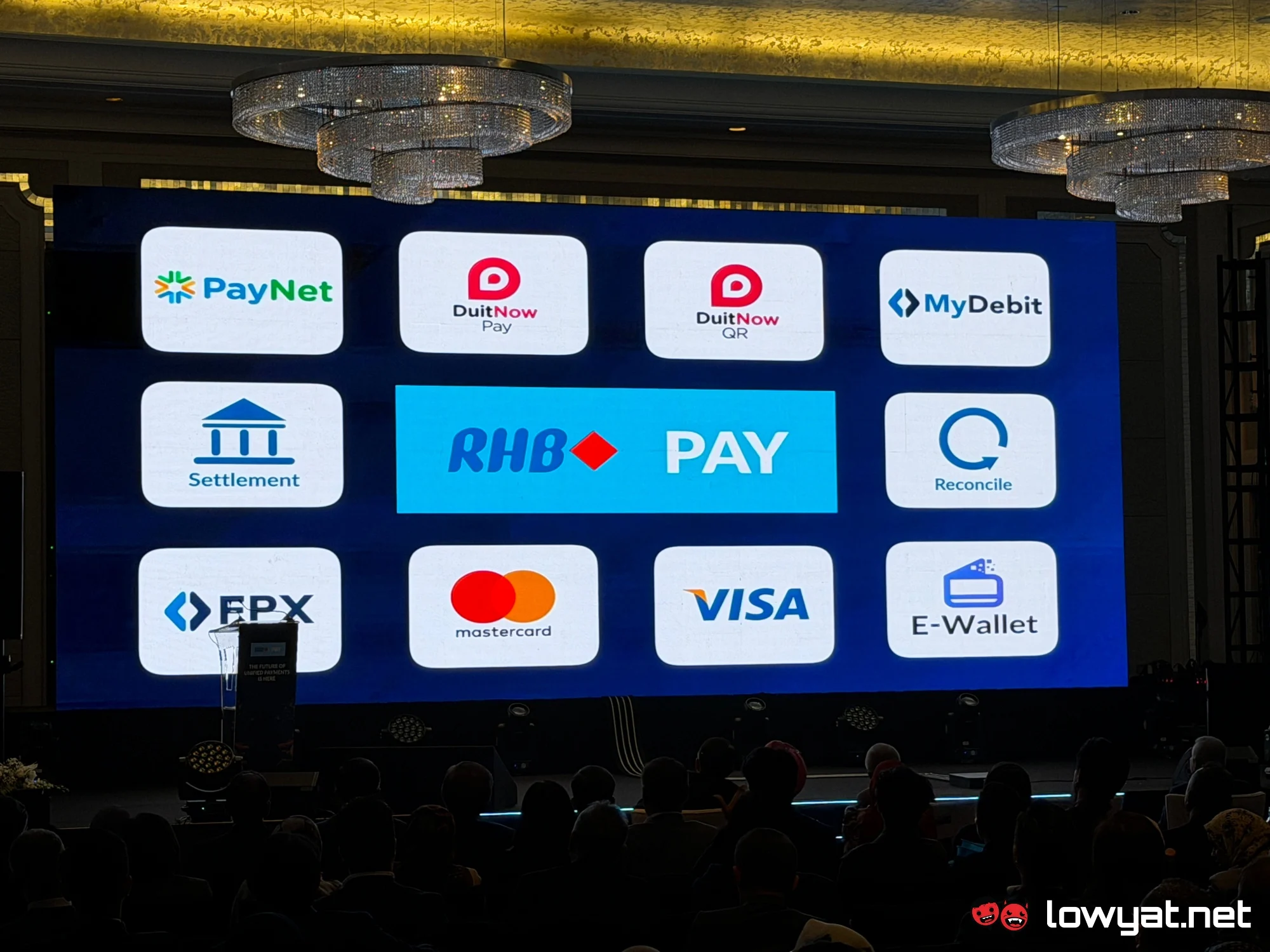
One Integration For Multiple Payment Methods
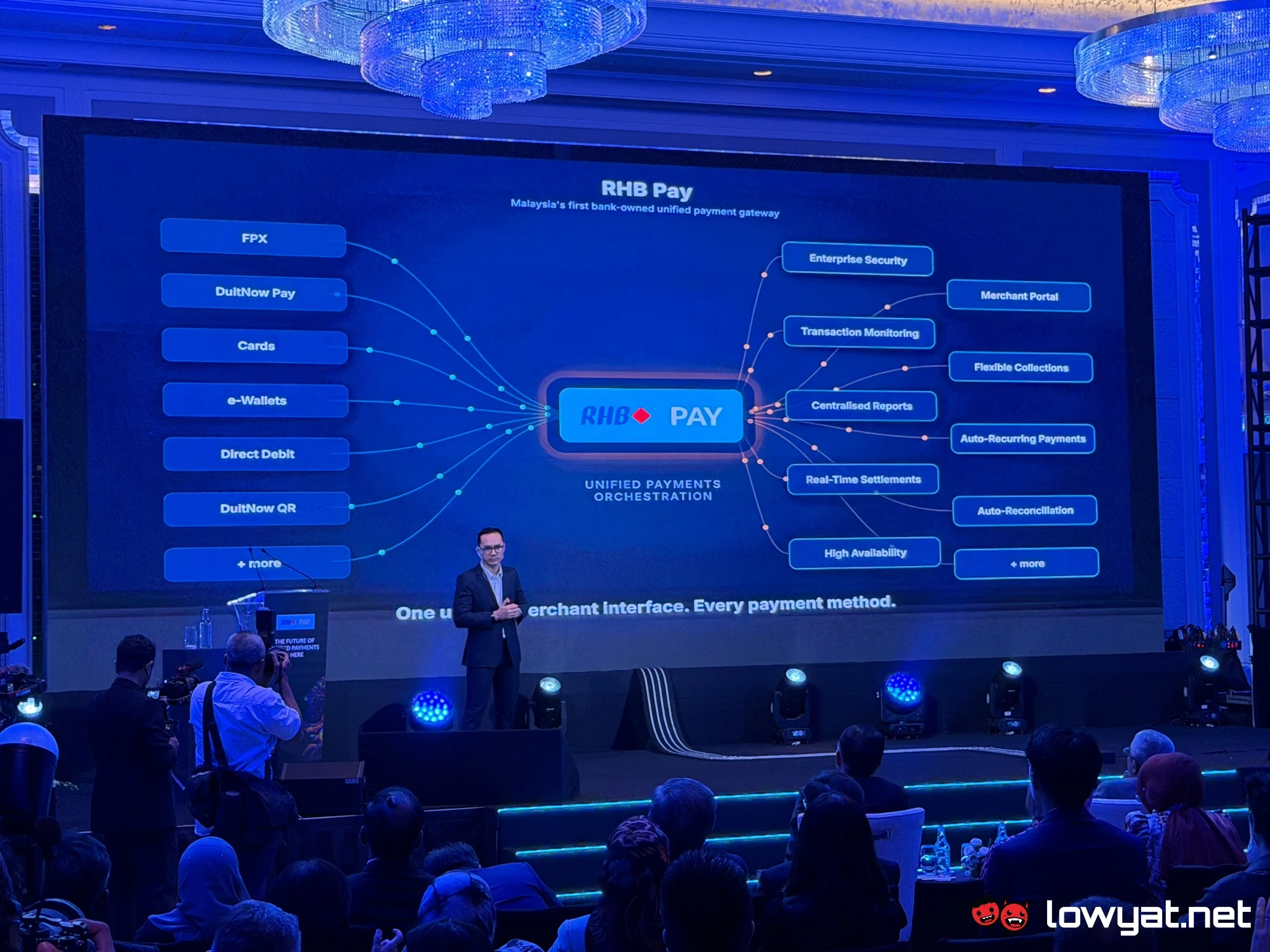
RHB Pay currently supports card payments, FPX and DuitNow through a single integration. This means businesses do not need to manage separate integrations for these payment methods, potentially simplifying the process of accepting online payments across different channels.
The platform is aimed primarily at mid-sized enterprises, commercial businesses, corporates and government-related institutions that require a scalable payment acceptance solution. RHB says the service is designed to give these organisations greater control over their payment flows while reducing the complexity involved in managing incoming transactions.
RHB also plans to expand the range of payment options supported by the platform. Phase 2, targeted for the fourth quarter of 2026, is expected to add e-wallets, QR payments, Direct Debit and Auto Debit.

What RHB PAY Could Mean For Businesses And Consumers
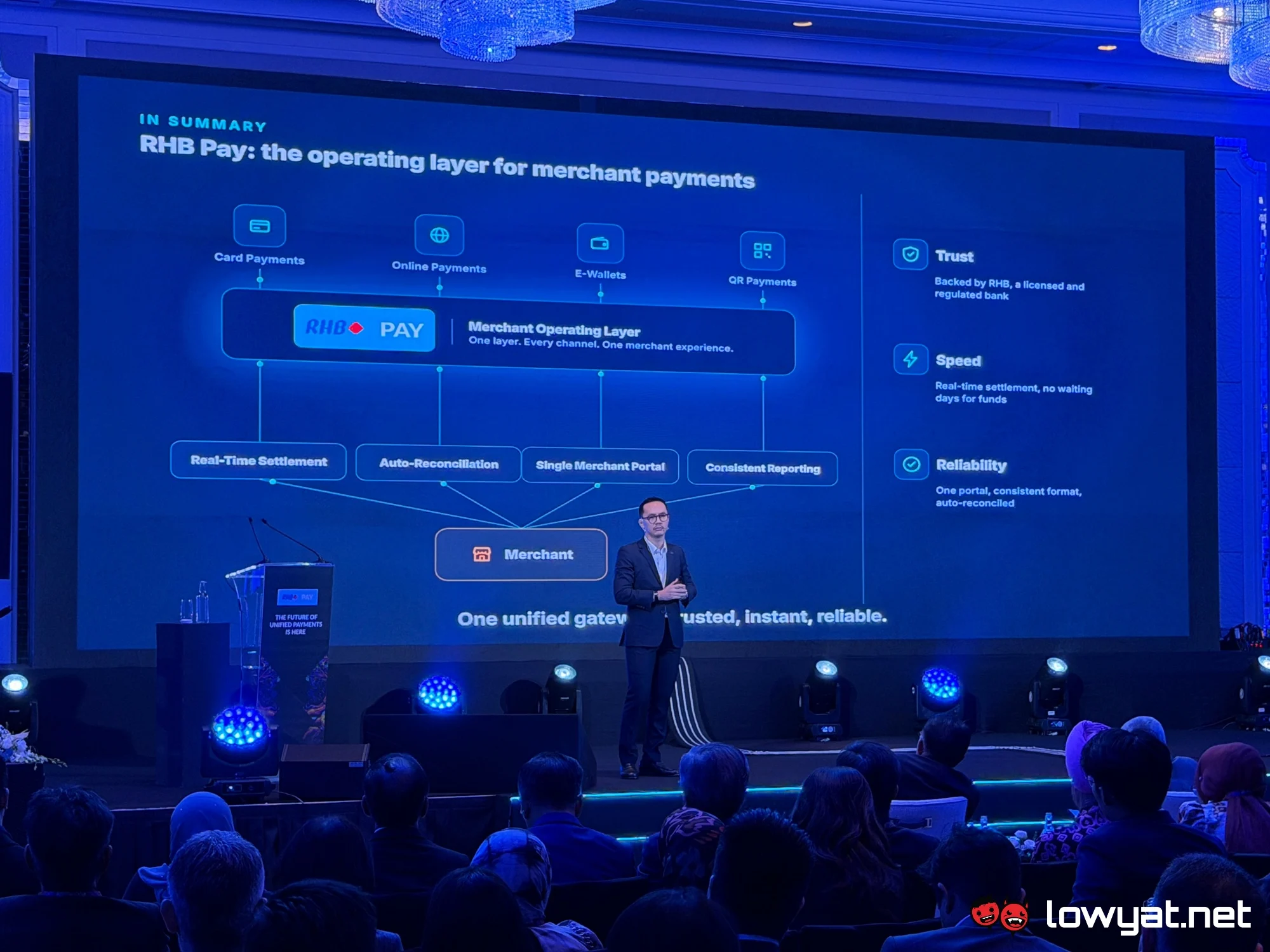
For businesses, the main benefit is consolidation. Instead of working with multiple payment providers or integrations, RHB Pay brings several payment methods together while allowing the resulting funds to flow directly into an RHB account.
The platform also places greater emphasis on the back-end side of payment processing. Automated reconciliation and improved cash flow visibility could make it easier for businesses to track incoming payments and manage their finances, while the bank-owned infrastructure gives RHB direct control over the platform’s security and operations.
Consumers, on the other hand, are unlikely to see a major change immediately since RHB Pay operates primarily on the merchant side of the transaction. However, as more payment methods are added, customers could eventually have more ways to pay businesses that use the platform, including e-wallets and QR-based payments.
