
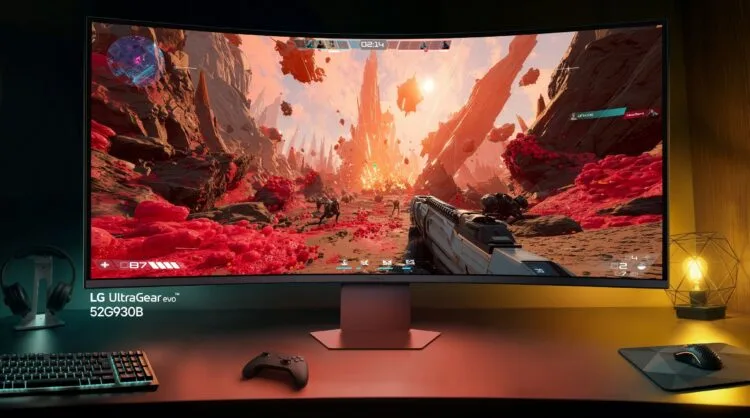
LG has agreed to stop the automatic installation of adware, primarily that of McAfee pop-ups into the PCs of consumers without their consent, after Microsoft stepped in to deal with the situation. To put that into more localised terms: basically, Microsoft had to “turun padang” because LG messed up. Bad.
Let’s recap what happened here: a week ago, Tech channel and journalist Gamers Nexus released a video about how multiple LG monitors were silently installing what they claim was spyware and malware into PCs of consumers, without their consent. And the brand’s monitors did this by bypassing Windows Update, installing its self-named LG extension and software component packages. After that’s done, Windows’ Reliability Monitor shows the LG Monitor App Installer appearing one minute later. Again, all without the consent of the user.
Microsoft confirmed that LG has agreed to remove the McAfee pop-up from the app. Despite the small victory for consumer rights, the damage has already been done. Bear in mind, Gamers Nexus only recently discovered the issue, but before that, this silent installation had been going on for years with the brand’s monitors. And while Microsoft has stepped in to address it, it is unlikely that the owner of the world’s most popular operating system was oblivious or unaware that this was happening.
Also, it isn’t just LG that’s known for doing this. The Verge’s Tom Warren pointed out a couple of years ago that Dell’s Alienware is also guilty of forcing the installation of its own command centre app in Windows. It is undoubtedly a breach of trust on several levels and will certainly have an effect on future sales of their monitors.

As mentioned in our earlier report, you can just disable the function, although, as we also mentioned, one reasonably shouldn’t have to resort to such measures. Simply head into Computer Configuration –> Administrative Templates –> System and Devices Installation.
On that note, we’ve reached out to LG Global’s representative on the matter and how it plans on removing the silent installation. At the time of writing, we’ve yet to receive a response.
(Source: X, Ars Technica, TweakTown)
