
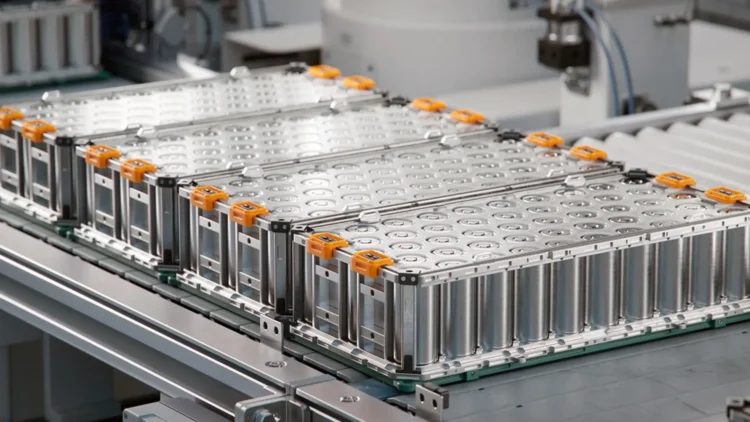
NanoMalaysia will begin small-scale production of a homegrown graphene-enhanced lithium-ion battery for electric vehicles (EVs) later this month, according to Nikkei Asia. Unlike conventional lithium-ion batteries, it replaces graphite with graphene in the anode, with NanoMalaysia claiming this enables up to three times greater energy storage capacity.
According to the report, the project cost around RM20 million to develop, and the batteries will be produced by Gigafactory Malaysia, a wholly owned subsidiary of NanoMalaysia. The latter is an agency under the Ministry of Science, Technology and Innovation (MOSTI).

“We are on the verge of operationalising Malaysia’s first local battery technology production factory,” Rezal Khairi Ahmad, CEO of NanoMalaysia, told Nikkei Asia. He further described the project as “likely the first of its kind in ASEAN. No other countries in the region are producing homegrown battery tech.”
The report further mentions that these homegrown batteries use a nickel manganese cobalt (NMC) chemistry while replacing conventional graphite with graphene in the anode. According to Nikkei Asia, Rezal said this change could increase the storage capacity by up to three times compared to conventional batteries.
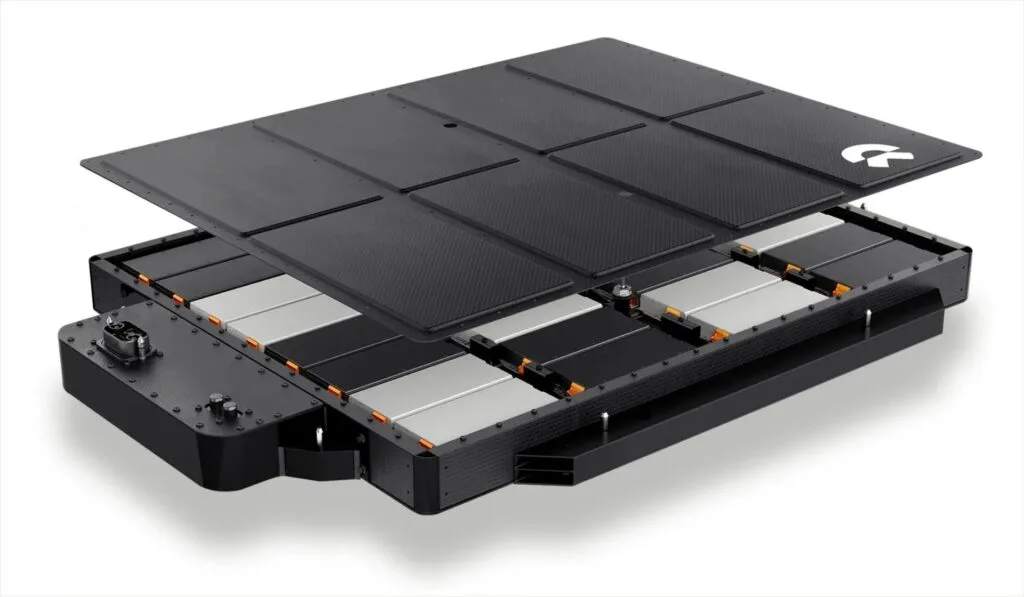
Rezal also said the new battery is projected to deliver a driving range of up to 640km per charge. He added that it supports fast charging, allowing it to reach full capacity in as little as 12 minutes.
It is said to be most suitable for EVs with energy densities above 200Wh/kg. Meanwhile, Rezal said the company has received orders from a local organisation for a 12kWh battery. He also shared that other deals are being “refined and finalised”.
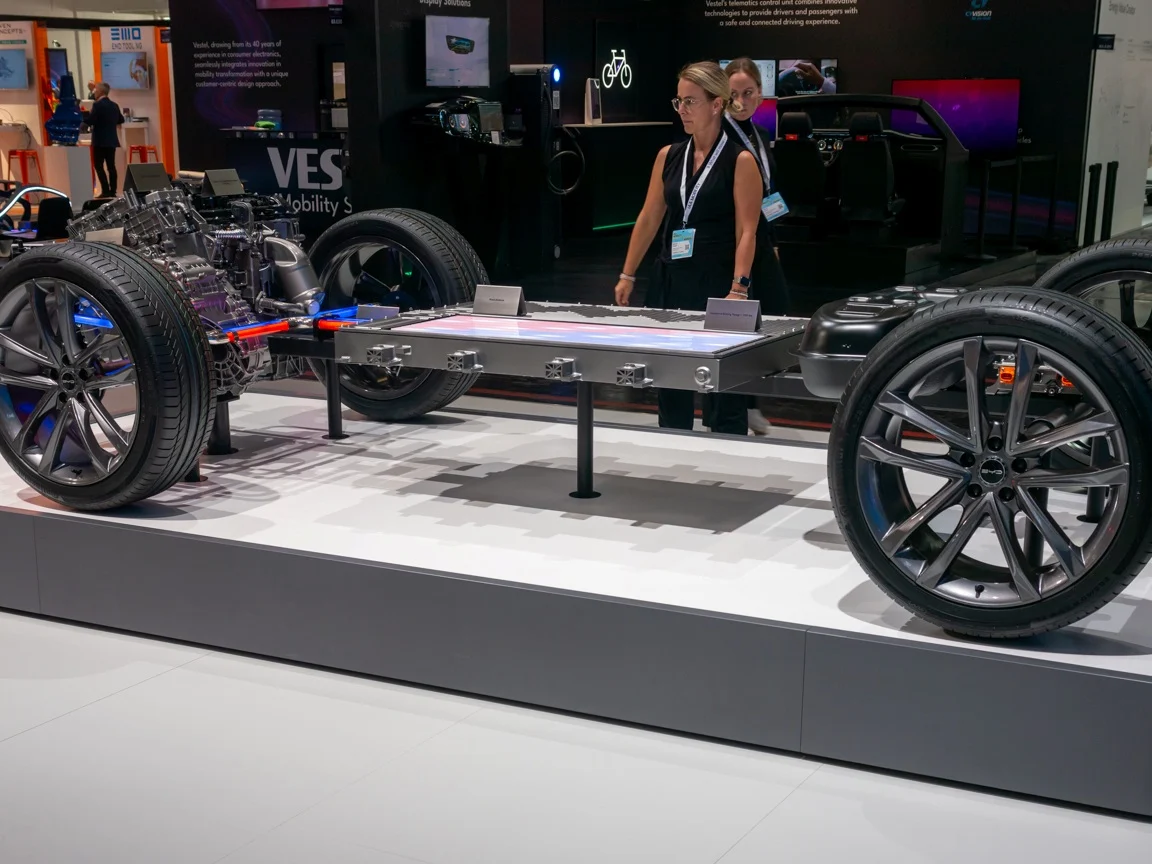
Small-scale production will begin in July. Rezal projects that megawatt-hour-capacity manufacturing will begin as early as September this year. Battery production will take place at a 15,000-square-foot factory in Suria Industrial Park, Sepang. The report adds that, at full scale, the facility will have a production capacity of one megawatt-hour (MWh), equivalent to around 92,000 battery cells.
NanoMalaysia has yet to reveal local pricing for the batteries. However, local production is expected to help reduce the overall cost of EVs by eliminating additional costs associated with imports, such as import duties, logistics and storage.
Nikkei Asia also reported that NanoMalaysia is looking to establish a strategic partnership with Indonesia while exploring export opportunities in South Korea, India and Pakistan. The company is specifically eyeing Indonesia for its abundant nickel supply to support battery production. Rezal also said recycling end-of-life batteries is in the works to help ensure raw material security.
(Source: Nikkei Asia)
