
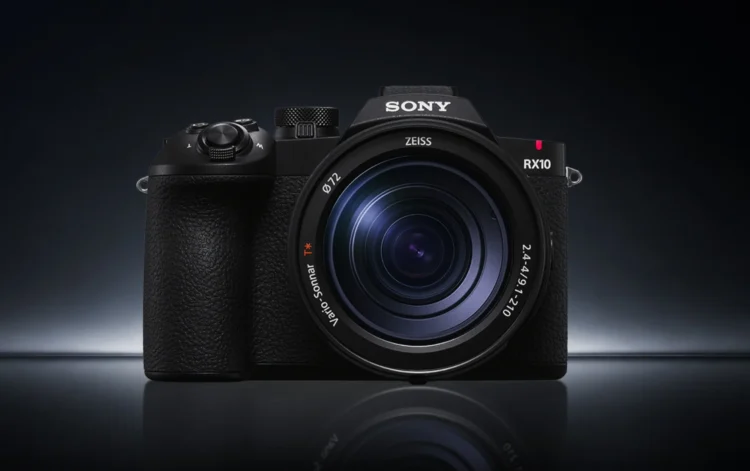
After nearly eight years, Sony has finally introduced the successor to its popular bridge camera. The new RX10 V retains the versatile 24-600mm equivalent zoom lens that made its predecessor a favourite among professional photographers, while packing a host of upgrades in autofocus, video, and overall performance.
Much like the RX10 IV from 2017, the new RX10 V is equipped with a Zeiss Vario-Sonnar T* 24-600mm equivalent f/2.4-4.0 lens paired with a 20.1MP 1-inch stacked Exmor RS CMOS sensor. While Sony has retained the same imaging hardware, the camera now benefits from the newer BIONZ XR image processor and a dedicated AI processing unit.
Redesigned Body
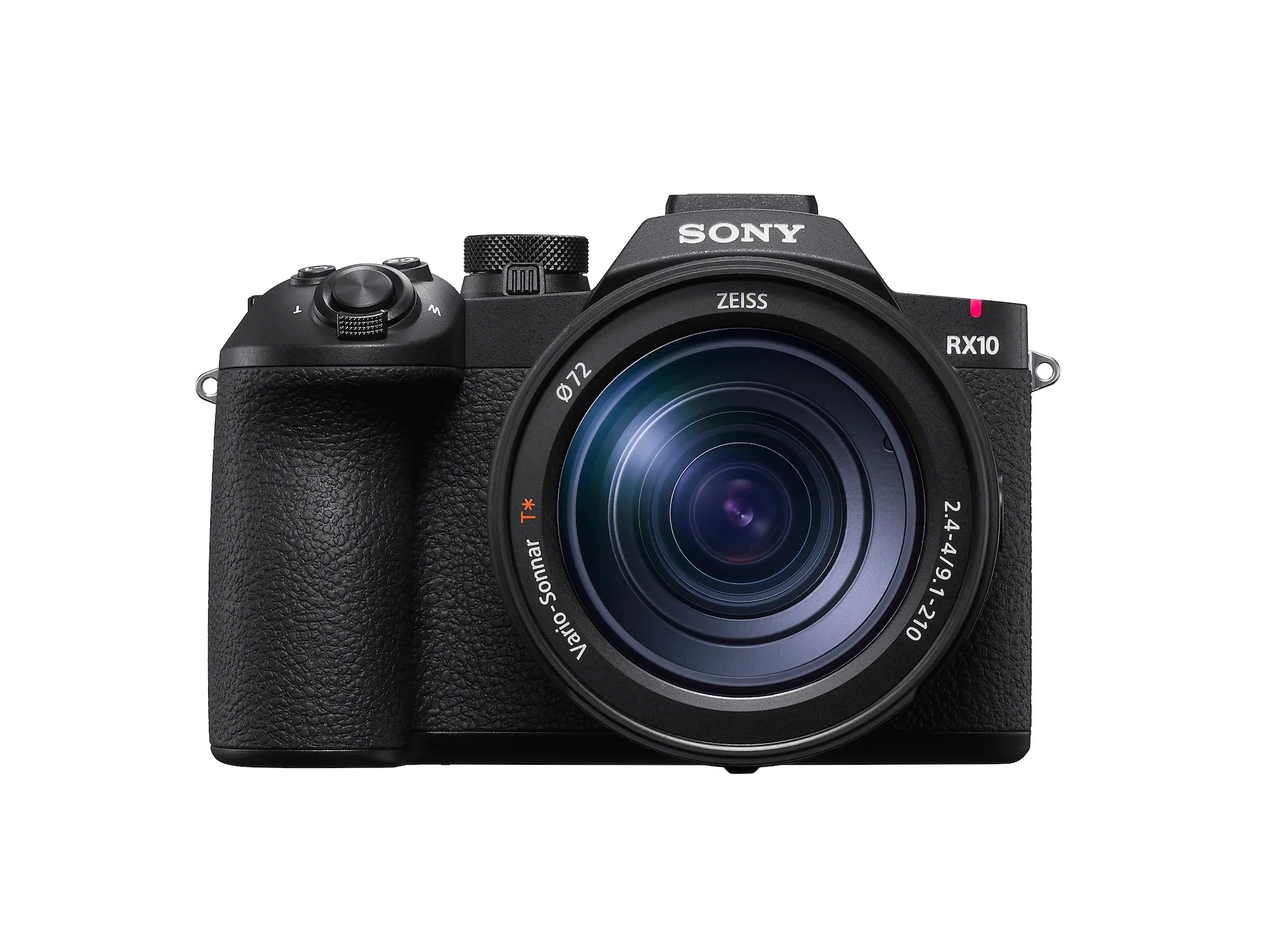
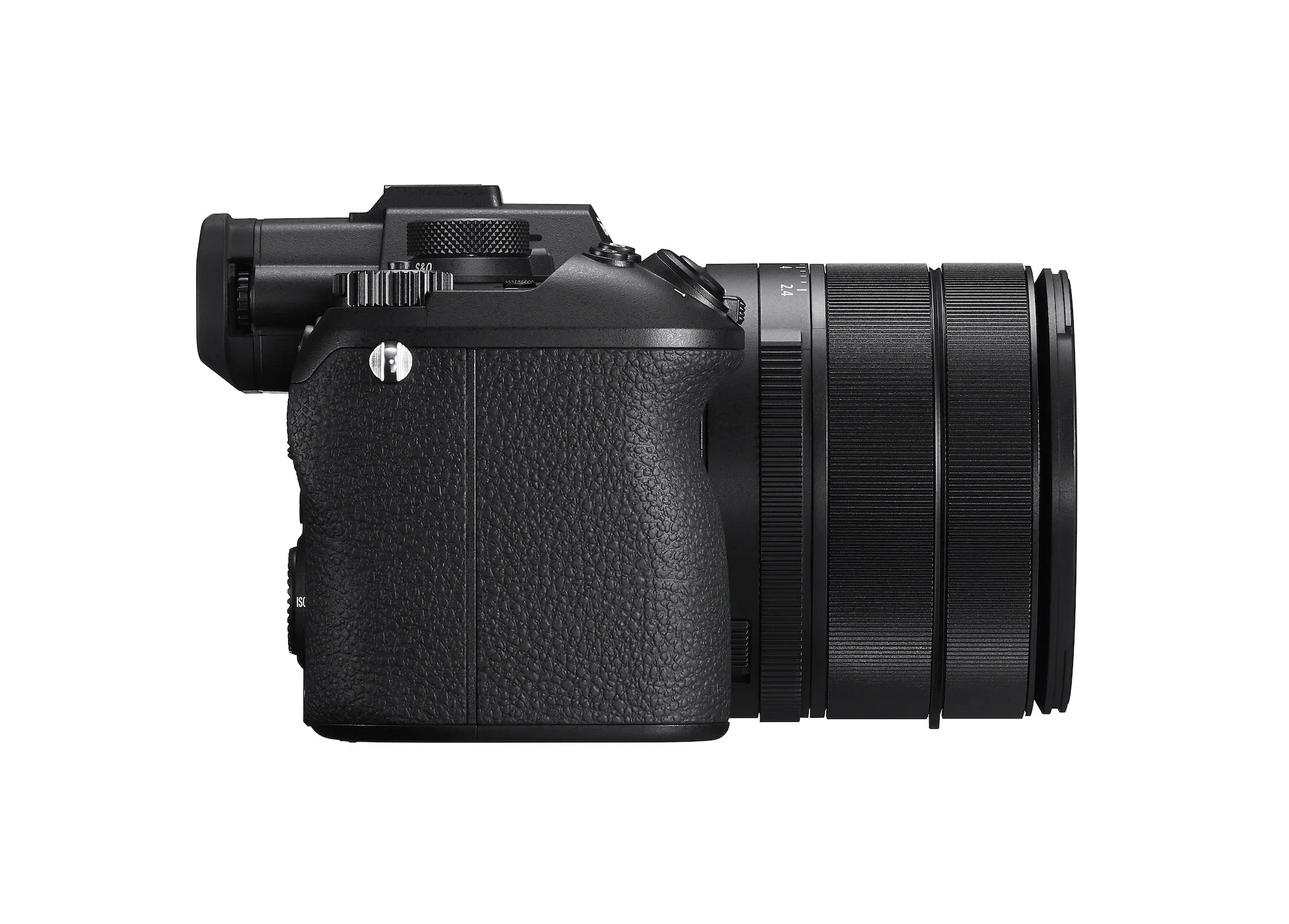
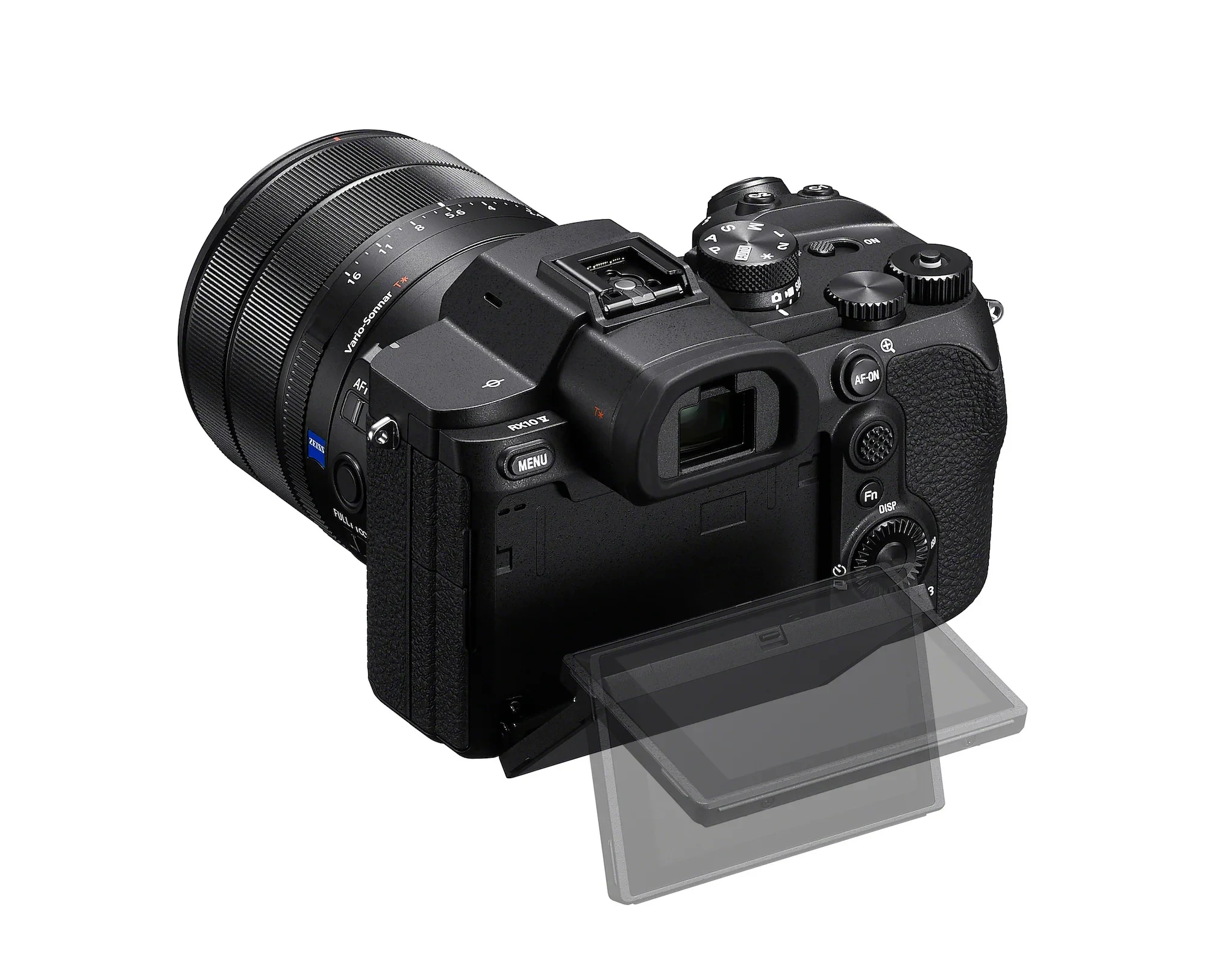
Sony has refreshed the RX10 V’s design to better resemble its current Alpha-series lineup. The camera features a deeper grip, updated controls, a dedicated autofocus joystick, and Sony’s latest menu interface.
Both displays have also been upgraded. The electronic viewfinder now uses a 3.69-million-dot OLED panel, while the rear 3-inch LCD has been increased to 1.62 million dots. However, the screen still only tilts instead of offering a fully articulating design.
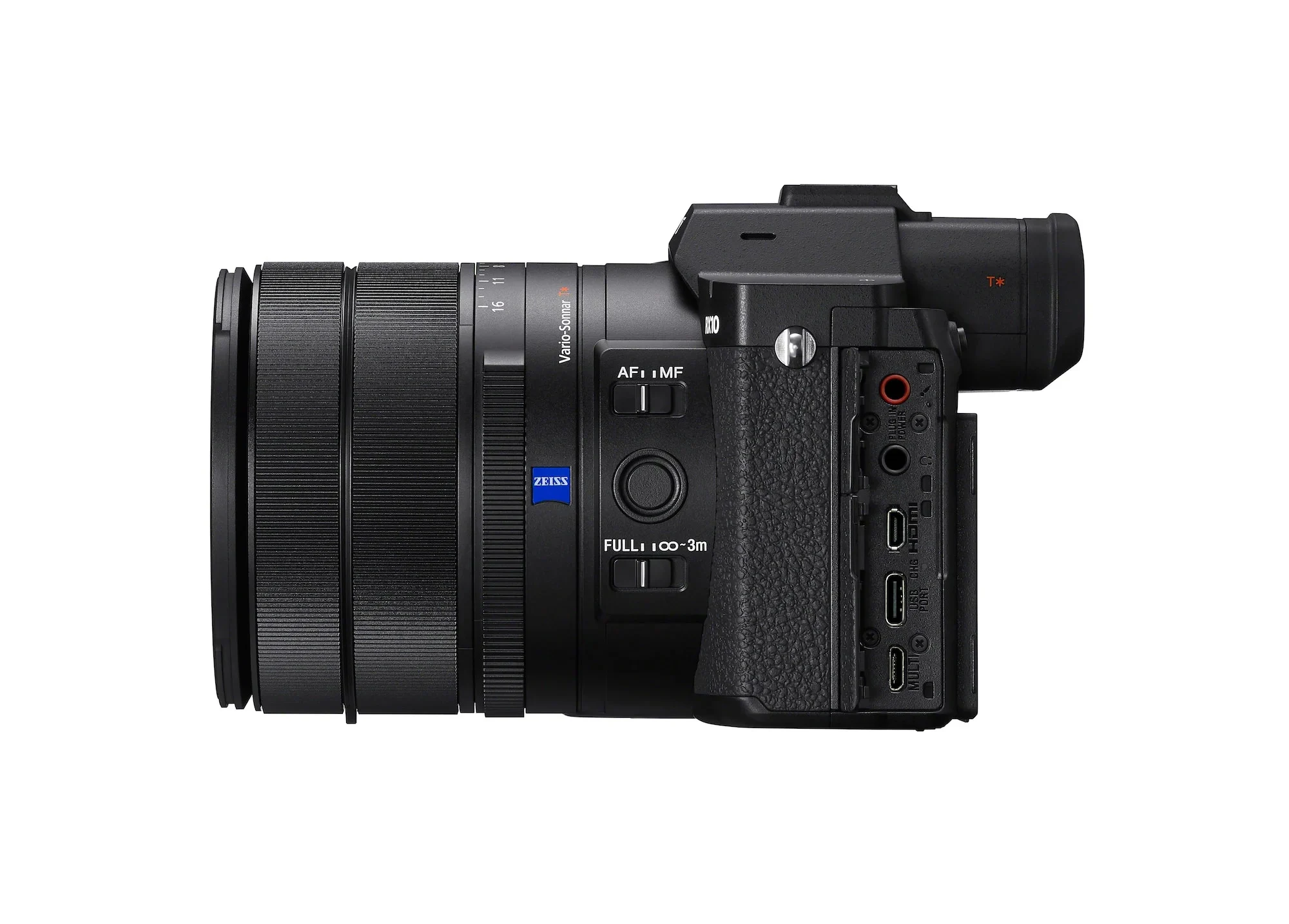
Other hardware updates include the larger NP-FZ100 battery, which is rated for up to 630 shots per charge, USB-C connectivity, 5GHz Wi-Fi, a UHS-II SD card slot, a micro HDMI port, as well as 3.5mm microphone and headphone jacks.
Familiar Optics, Faster Performance
One of the biggest improvements is continuous shooting performance. The RX10 V can now capture up to 30fps using its electronic shutter with blackout-free shooting, an increase from the 24fps offered by the RX10 IV. Sony has also added its Continuous Shooting Speed Boost feature, allowing photographers to temporarily switch to the maximum burst rate for fast-moving subjects.
The RX10 V also inherits Sony’s latest AI-powered autofocus system from its newer Alpha mirrorless cameras. Besides recognising people, birds and animals, the camera can also detect insects as well as vehicles including cars, trains and aircraft. The AI processor enables more reliable subject tracking, even when subjects briefly turn away, become partially obscured or move unpredictably.
Sony has also increased the number of phase-detection autofocus points from 315 to 575. Meanwhile, AF and AE calculations now run at up to 60 times per second for improved continuous tracking performance.



Major Video Upgrades
Video-wise, the RX10 V now supports 4K recording at up to 60fps using the full sensor width with 10-bit 4:2:2 colour recording. Users can also shoot 4K at 120fps with a slight crop for slow-motion footage, alongside Full HD recording at up to 240fps.
Additional video features include S-Log3, S-Cinetone, user LUT support, Active Mode image stabilisation, Auto Framing, S&Q recording, and vertical shooting optimisation. The camera also supports 4K 30fps live streaming over USB.
Pricing And Availability
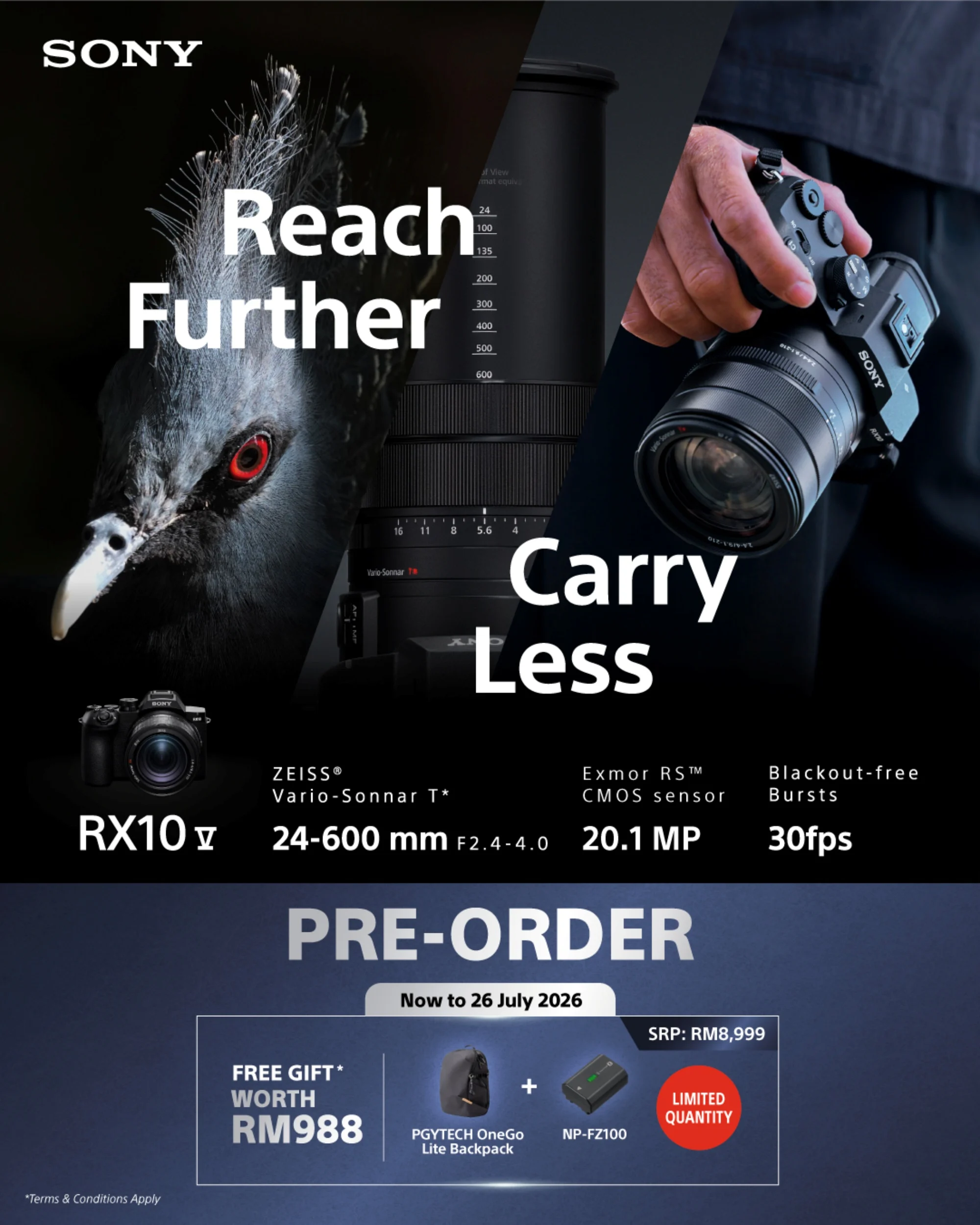
Pre-orders for the Sony RX10 V will open via Sony Malaysia’s website starting today, although the option has yet to go live at the time of writing. The camera carries a recommended retail price of RM8,999 and according to the company, it is slated to arrive locally by 22 July 2026.
Sony is also offering complimentary gifts as part of the pre-order promotion. Customers who pre-order the RX10 V will receive an additional NP-FZ100 battery and a PGYTECH OneGo Lite Backpack (22L) in Matte Black, while stocks last.
(Source: Sony Malaysia press release / official website)
